Category: Heart of Music

This is where the spark began. Heart of Music uncovers the first steps of every artist’s journey—the childhood dreams, quiet beginnings, and life moments that led them to pick up an instrument, write that first lyric, or fall in love with sound. It’s about the passion that turned into purpose, the music that shaped who they are today.

  • When the Music Finds You: How Songwriters Cabalen Sparked My Own Journey to Uplift Local Artists

    When the Music Finds You: How Songwriters Cabalen Sparked My Own Journey to Uplift Local Artists

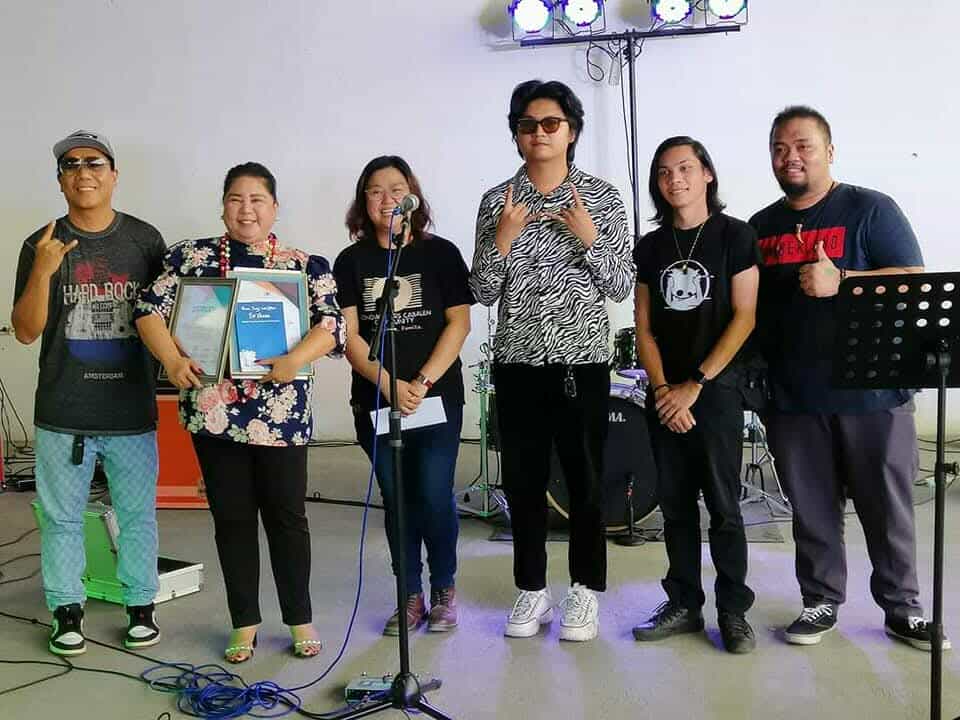
    In a small corner of Angeles City, under the warm glow of restaurant lights and the hum of quiet conversations, a spark was born. That spark would later become the Songwriters Cabalen Community—a movement that grew not just from music, but from a need: a need to be heard, to be seen, and to be connected through stories and sound.

    I still remember attending one of their shows back in 2023. At the time, I was drifting—curious about the indie scene but unsure where I belonged. I wasn’t a performer. I wasn’t even from Pampanga. But something about that night stayed with me long after the last chord faded. Maybe it was the honesty in every lyric, or the way the crowd leaned in—not just to hear the music, but to feel it. That night lit something in me, and it’s what eventually inspired me to start my own platform: a space where local and indie artists could share their stories, their songs, and their journey.

    But let me take you back further—to where it all began.


    A Space That Didn’t Exist Yet

    When Michi moved to Pampanga in 2019, she noticed what most people wouldn’t. Pampanga had talent. It had culture. It had music. But it didn’t have a space—a real, tangible space—for local songwriters to connect, collaborate, or even just be heard. If that space existed, it was buried too deep for newcomers to find.

    So, Michi did what many dream of but few actually do—she built the space herself.

    With experience organizing live music events in Manila, she knew what it took. But this time, she wasn’t just building a show. She was building a community. She reached out to fellow creatives who shared her fire: Rey Bonaobra and Michael Kevin. All it took was one question:

    “Do you want to perform live?”

    Sometimes, the biggest movements begin with the smallest invitations.


    Camalig: Where the Dream Took Root

    Thanks to the support of Ms. Bennylee Baltazar, that dream found a home at Camalig Restaurant in Angeles City. The venue was perfect—not too big to be overwhelming, not too small to feel limited. It was intimate. Real. A place where original music could echo off the walls and into hearts.

    In February 2022, the very first Songwriters Night happened.

    From the outside, it might’ve looked like any other acoustic night. But if you listened closely, you’d know this was different. This wasn’t about cover songs or top hits. This was about truth-telling. Raw. Honest. Vulnerable. Every artist brought their own story to the mic, and every listener walked away carrying pieces of those stories with them.

    The format was simple—but the feeling? It was electric.


    From Gathering to Community

    One night became another. And another. The crowd grew—first with friends and family, then strangers who came back every month. It wasn’t just the performers who felt at home anymore. The audience did, too.

    And that’s when it became more than an event. It became a community—the Songwriters Cabalen Community.

    Month after month, the shows continued. Each one brought new voices, new songs, new layers of emotion. No two nights were the same, and yet the feeling was always familiar: you belong here. Whether you were a seasoned songwriter or someone still scribbling lyrics in a notebook, the message was clear—your voice matters.

    Eventually, the community found a new home at LaVerne, where the stage got a little bigger, the sound a little louder, but the heart stayed exactly the same.


    The Pause That Made Space for Reflection

    Then came December 2024.

    After nearly three years of soul-filled shows, the Songwriters Cabalen Community decided to pause. It wasn’t a goodbye. It was a breath. A moment to step back and ask the hard but necessary questions: What have we missed? What can we do better? What do we want this to become?

    As someone who had quietly followed the journey since that night in 2023, I felt the silence. And oddly enough, I found inspiration in it, too.

    In that pause, I realized how deeply I believed in what they were doing—not just hosting events, but honoring journeys. Songwriters Cabalen wasn’t just a stage; it was a reminder that stories matter. And that every community, no matter how small, deserves to be nurtured.

    That’s when I knew I had to build something of my own.


    Building Something Because They Did

    I didn’t have a venue. I wasn’t an event organizer. But I had something else: a deep love for indie and local music, and the desire to make artists feel seen.

    Inspired by the structure and soul of the Songwriters Cabalen Community, I started laying the groundwork for a platform that would give voice to those often overlooked. Not just performances, but stories. Not just promotion, but connection.

    Because if a single night at Camalig could move me this deeply, how many more people could be moved if only they had access?

    That’s the magic Songwriters Cabalen showed me: the importance of giving artists space—to speak, to stumble, to grow, and to shine.


    A Comeback Rooted in Purpose

    Now, after months of silence, the music returns.

    On July 12, the Songwriters Cabalen Community comes back with a show at LaVerne. But it’s not just another gig. It’s a new chapter—wiser, stronger, more intentional. The community has learned from its pause. And now, it’s singing again with more heart than ever.

    This isn’t just about artists anymore. It’s about everyone—the dreamers, the fans, the quiet listeners in the crowd who find themselves reflected in someone else’s lyrics.


    Because Music Is Never Just Music

    Songwriters Cabalen didn’t just give musicians a mic. They gave meaning to original work. They created a space where vulnerability wasn’t just accepted—it was celebrated.

    And for people like me, who don’t always know where they fit in the music scene, that kind of authenticity is rare. It’s what planted the seed in me to help artists tell their stories—to build something, however small, that honors their voice.

    Because communities like Songwriters Cabalen don’t just change the local scene.

    They change people.

    They changed me.

    And that’s why, when they rise again this July, I’ll be there. Just like before. But this time, not just as a listener—but as someone carrying their legacy forward.

    Because when a community is built on passion and purpose, it never really fades.

    It just waits for the right moment to sing again.

  • ROCK REWIND at G Malolos: A Night Where Bulacan’s Indie Scene Found Its Home

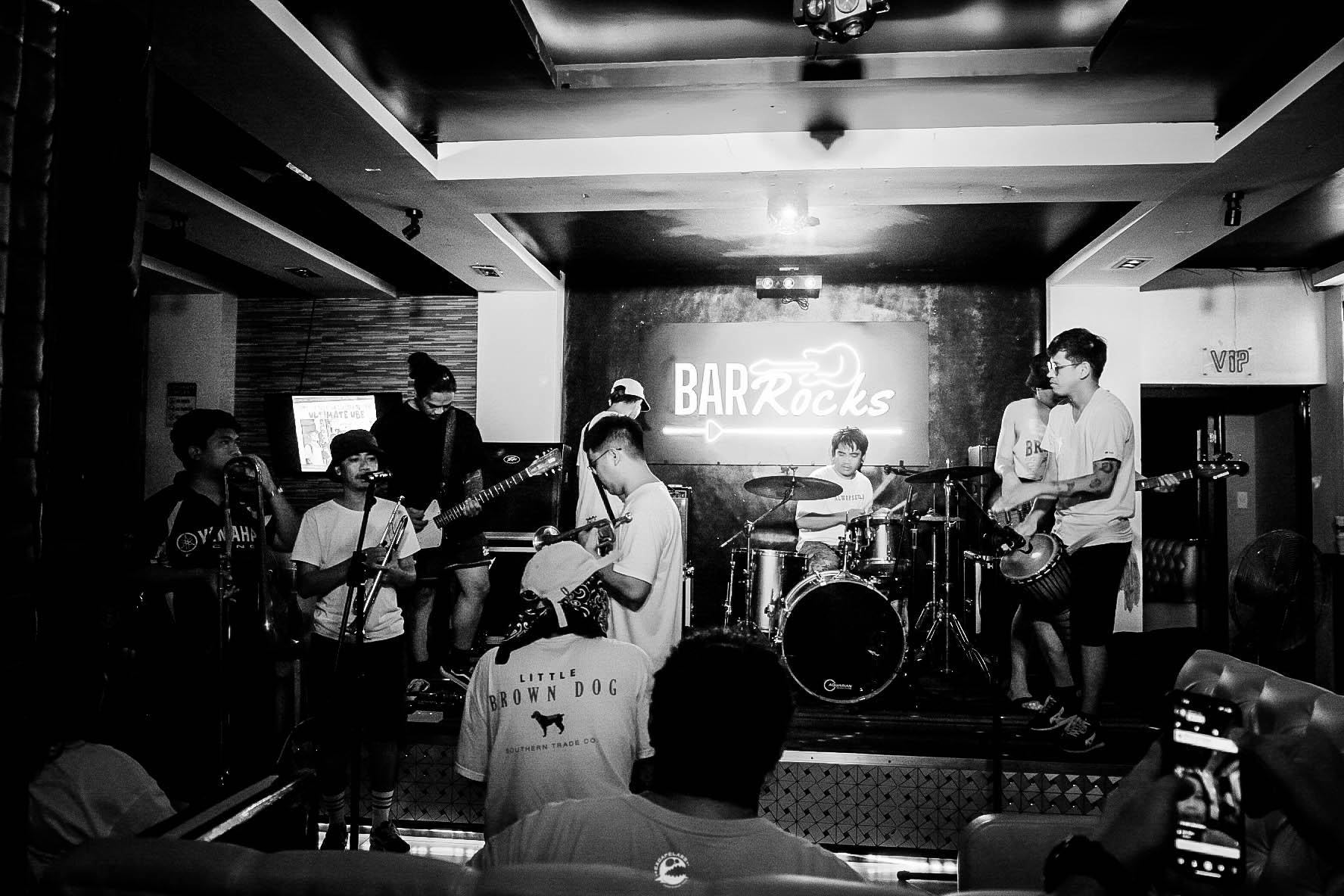
    Last night at G Malolos Bar and Resto, something beautiful happened.

    It wasn’t just another gig. It wasn’t just another lineup of rising bands. It was a moment — a pulse — that proved Bulacan’s indie music scene is not only alive, but thriving, united, and finally finding a home it can truly call its own.

    Despite a gloomy start that morning — the kind of July rain that makes event organizers clutch their phones a little tighter — the skies eventually cleared. But our doubts didn’t. Hours before the first band was set to play, the question hung in the air: Will people even show up?

    At 8:00 PM, we got our answer.

    Like clockwork, people poured in. Fans, skaters, musicians, students, creatives, and longtime friends of the scene arrived in waves. In a matter of minutes, the empty tables filled, the bar buzzed with anticipation, and the lights of G Malolos seemed to glow just a little brighter.


    A Bar That Feels Like Home

    G Malolos Bar and Resto only opened its doors last May 4, 2025. In just a couple of months, it has grown into something more than just a venue. It’s slowly becoming the nucleus of a movement.

    Sir Melvin, the man behind G Malolos, wasn’t just looking to build a business. He had a vision — one rooted in the idea that Bulacan artists shouldn’t have to keep running to Manila just to be seen or heard.

    “Lumalayo ‘yung mga banda natin para lang makilala,” he said during a quiet moment between sets. “Pero bakit hindi tayo gumawa ng space dito mismo sa atin? Dito sa Bulacan. Sa Malolos.”

    That idea stuck with all of us.

    And last night’s ROCK REWIND, presented by GrooveLabs Productions and co-presented by Blast Beat Studio Armando, felt like the first proof that it can work.


    The Crowd That Stayed, Sang, and Sweated

    By 9 PM, there was barely space to move near the stage. The crowd wasn’t just present — they were with the bands. Singing back lyrics, raising phones, nodding in rhythm, even closing their eyes during guitar solos. You could tell these weren’t strangers — they were locals who understood the stories behind the songs.

    Some came from Malolos, others from as far as Meycauayan, Sta. Maria, Bocaue, Guiguinto, Balagtas, Calumpit, and Plaridel. Each town had its own wave of artists and supporters, all converging under one roof. G Malolos turned into a melting pot of musicians and music lovers — no egos, no hierarchy, just shared love for the scene.


    The Bands That Lit the Stage

    It would be impossible to talk about the night without mentioning the heart of it all: the bands. The lineup was stacked, with each act bringing their own sound, their own stories, and their own crowds.

    Leen PH opened the night with soft echoes and raw honesty, a sound that made the entire venue lean in. Amere followed with a set that felt like a scream and a hug at the same time — their blend of softness and grit made the crowd sway and shout in equal measure.

    Tahan brought a refreshing fusion of your favorite songs way way back. Like way way. ENAMEL filled the room with emotion-heavy melodies that lingered even after the music stopped.

    Rooftop Reveries and Forsomereason both gave the kind of performances that turn casual listeners into loyal fans — tight sets, clever songwriting, and a deep connection with the crowd.

    The Conflicts made sure no one stayed still — their energy shook the floor.

    Sumo Wrestling PH gave a performance that was part poetry, part protest — a reminder of how personal music can be. Camaraderie played with a kind of synergy that only comes from true friendship and shared passion.

    And there’s Captain Jack PH

    The band, known for their emotionally driven songwriting and relentless energy, played like it was their last night on Earth. With every scream, every riff, every beat, they told stories about pain, identity, addiction, and healing — all wrapped in metal and melody. They made the stage feel sacred.

    TRICK PRJCT and Ella. , loud, unapologetic, and full of swagger — the kind that leaves your ears ringing in the best way possible.


    More Than a Gig, It Was a Gathering

    When we started GrooveLabs Productions, we dreamed of nights like this — where the scene felt like a family, where artists didn’t feel like they were shouting into a void, and where the audience didn’t need convincing to care.

    We’ve knocked on doors, looked for business owners who believed in the scene as much as we did. Some listened. Most didn’t. Until we met G Malolos.

    Sir Melvin’s openness, patience, and willingness to listen to artists made all the difference. He didn’t just provide the space. He provided the belief.

    Now, G Malolos is hosting more productions. More events. More bands are reaching out. Word’s getting around.

    And maybe — just maybe — we won’t have to keep looking for Manila’s approval. Maybe we can build our own community here, strong and loud, in the heart of Bulacan.


    What Comes Next

    The success of ROCK REWIND isn’t just about last night. It’s about momentum. And this time, it’s pointing inwards, not outwards.

    Instead of asking who’s next to play in Makati? we’re asking who’s next to headline here at G Malolos? Instead of trying to blend in with bigger city lineups, we’re carving our own path. And last night proved that the audience is ready — hungry even — for more.

    There’s power in proximity. When the scene is here, in your hometown, everything changes. The gigs aren’t just performances — they’re reunions. The venues aren’t just stages — they’re safe spaces. The music isn’t just background noise — it becomes your story.


    Final Thoughts

    ROCK REWIND was more than a title — it was a reminder. That every band started somewhere. That every unforgettable song played for the first time in front of a small, supportive crowd. That before the streams and Spotify stats, there was a bar, a mic, a guitar, and a room full of people who just got it.

    And last night, at G Malolos Bar and Resto, we saw it all happen again.

    We saw Bulacan’s past, present, and future — all in one room. All in one night. And we’re just getting started.

    To every artist who played, every person who came, and every dreamer who stayed until the last song — thank you.

    The scene is alive. The scene is home.

    And it lives right here in Bulacan.

  • Inside Madhouse Music: The Glorious Shot Nobody Expected

    Inside Madhouse Music: The Glorious Shot Nobody Expected

    On January 22, 2019, while most people were making New Year’s resolutions they’d soon forget, something unusual emerged in the Philippine music scene — a platform built not for fame, but for the dreamers. It was a shot in the dark — much like the “double-1” in darts — a difficult win, but glorious if you hit it.

    That’s exactly what Rannie Raymundo — a name respected in the OPM industry — had in mind when he founded Madhouse Music, now recognized as an independent music label in the Philippines.

    “Sira-ulo ka ba?”


    Some called it crazy. And maybe that’s why it made sense to call it Madhouse.

    Before he became the visionary behind one of the most talked-about indie collectives, Rannie was passionate about darts. In that world, “madhouse” is the dreaded double-1 — a hard target. When he started building Madhouse Music Philippines, an online platform for unpaid and unsigned Filipino songwriters, people didn’t quite understand his mission.

    But Madhouse was never about being understood — it was about giving chances.

    Madhouse isn’t a traditional record label. At its core, it’s a three-pronged ecosystem:

    • A recording and production studio
    • An independent music label
    • A Philippine online radio playing unsigned and original music

    The mission is simple: provide an honest platform for self-managed artists and those with no connections — just original songs and big dreams.

    Studio Vibes: “Parang bahay ng tropa na may mic”


    Artists walking into the Madhouse studio aren’t greeted by executives in suits. Instead, they find an environment that feels like jamming with friends — but with pro-level equipment.

    “Hindi pressure cooker, kundi pressure with purpose.”

    Through songwriting challenges during the pandemic, Madhouse gave Filipino songwriters ways to grow, collaborate, and stay inspired.

    Many participants were first-time composers. But with each challenge, new songs — and communities — bloomed. The studio became more than a facility. It became a home.

    The Label: Talent Over Trend


    Forget formulas and TikTok hits. At Madhouse, the only requirement is authenticity.

    “Walang pinipiling genre basta’t malinis, orihinal, at de-kalidad ang awitin.”

    Each artist is handpicked by Rannie Raymundo himself — not because of followers or streaming stats, but because of their originality and musical substance.

    Once signed, artists receive full development — from technical help to guided exposure. It’s a slow process, but one rooted in care, not speed.

    Online Radio: Elevating Filipino Indie Voices


    Madhouse Radio may no longer be live 24/7, but its essence is alive: it plays unsigned, original music — no politics, no payola.

    The criteria? Clean lyrics, original composition, and genuine artistry. Artists can still submit their work by emailing madhousemusicvault@gmail.com.

    Looking Ahead: Indie Pilipinas on the Rise


    Madhouse dreams of seeing more indie songwriters on global stages, more Filipino stories told through music, and more artists embracing originality.

    Their advice?

    “Todo.”
    Do it with everything you’ve got — no shortcuts, no apologies.

    Follow Madhouse on Facebook and YouTube to discover the next wave of Filipino indie music.

    Be bold. Be brave. Be original.

  • How Live Gigs Grow Your Spotify Streams (And What to Do If You Can’t Perform Yet)

    How Live Gigs Grow Your Spotify Streams (And What to Do If You Can’t Perform Yet)

    live gigs

    Live shows and digital streams might feel like two different worlds—but they’re more connected than most indie artists realize. Gigs don’t just build fans in the room; they drive real growth on platforms like Spotify, Apple Music, and YouTube. And if you can’t hit the stage right now? You’ve still got options to grow your audience while you build up.

    Let’s break it down.


    How Gigs Fuel Streaming Growth

    1. People Shazam Live Music

    Whether you’re at a bar, café, or festival—someone in the audience will pull out their phone and try to figure out who you are. A solid Spotify or Apple Music presence means they’ll find you instantly, follow you, and stream more after the show.

    Tip: Make sure your artist name, profile photo, and tracks are easy to find and match how you introduce yourself live.

    2. You Create an Emotional Moment

    People remember feelings. That raw connection during a live performance sticks—and when fans go home, they look for your music to relive that experience. That’s where streaming comes in.

    Tip: Mention your Spotify at least once during your set or post-gig. A simple “We’re on Spotify—look us up!” works.

    3. Content Creation Goldmine

    One gig = weeks of content. Behind-the-scenes clips, soundcheck videos, crowd shots, live snippets—all perfect for Instagram Reels, TikTok, and YouTube Shorts. This drives curiosity and directs new listeners to your streaming platforms.

    Tip: Post short clips with captions like “Full track on Spotify” or “Catch this song live next gig!”


    Can’t Perform Live Yet? Here’s What You Can Do

    Not everyone has access to venues, gear, or time to gig regularly. If you’re still building toward the stage—or taking a break—there are still powerful ways to grow.

    1. Go Live on Social Media

    If you can’t gig in person, go live online. A stripped-down acoustic set or even just jamming in your room helps fans connect with your vibe—and can directly drive people to your music.

    Instagram, TikTok, and YouTube are great starting points.

    2. Release Acoustic or Demo Versions

    You don’t need a full production to release something meaningful. Acoustic or demo tracks feel raw and real—and they give listeners more reasons to follow you.

    Upload to Spotify, Bandcamp, or SoundCloud with a personal message about the track’s story.

    3. Collaborate Online

    Team up with other artists for covers, remixes, or even full songs. It cross-pollinates your audiences—and gives you content and growth without needing a physical venue.

    4. Storytelling = Strategy

    Your music has a story. Tell it. Use captions, blog posts, carousels, or short videos to share what the song is about, how you wrote it, or what inspired it. The more people connect with you, the more likely they are to stream with intention.


    While You’re in the Process (But Not Yet on Stage)

    Growth doesn’t pause just because you’re not performing live. Here’s what bands can focus on in the meantime:

    • Build Your Spotify Profile: Update your bio, add high-quality photos, and make sure your links are working.
    • Pitch to Playlists: Use Spotify for Artists to submit your songs to editorial playlists. Also, reach out to curators on SubmitHub or Groover.
    • Email List & Fanbase: Start collecting emails. Even 20 real fans on a mailing list can turn into future ticket buyers and streamers.
    • Behind-the-Scenes Content: Show rehearsals, writing sessions, and even failed takes. People love realness.
    • Engage Locally, Post Globally: Comment on other artists’ posts, join local music groups, and connect with fans online. Relationship-building leads to word-of-mouth growth.

    Final Thoughts

    Live gigs can turbocharge your growth on Spotify and streaming platforms by creating emotional connections, content opportunities, and moments people want to relive through your music.

    But if you’re not on stage yet, don’t worry—you still have tools to grow your audience and get discovered.

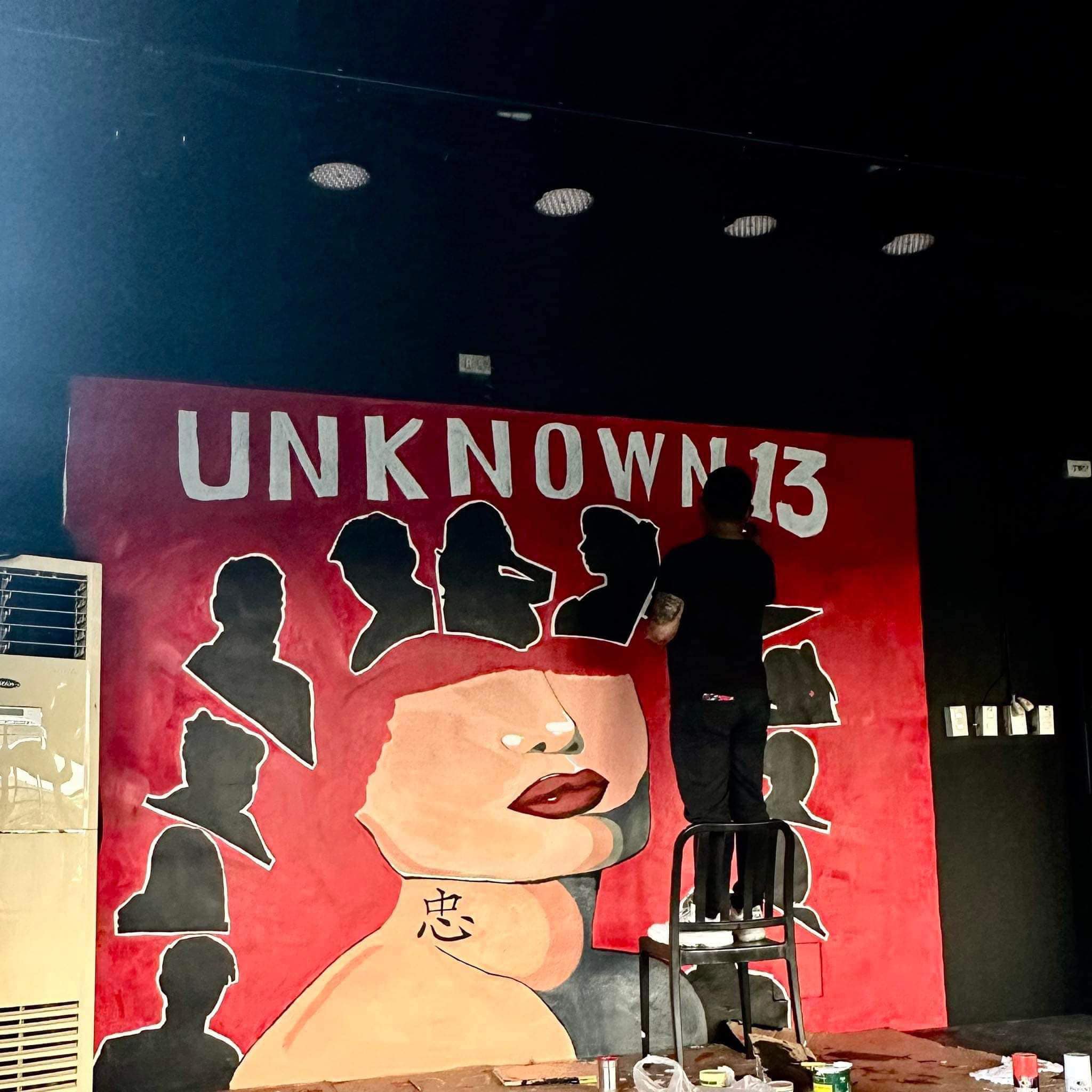
  • UNKNOWN13 PUB: A Bar With a Heart That Beats for Every Dreamer

    UNKNOWN13 PUB: A Bar With a Heart That Beats for Every Dreamer

    There’s something different about the quiet buzz of Katipunan nights these days. Past the noisy clubs and overhyped rooftops, there’s a space where laughter hums low, lyrics linger longer, and strangers find family. That space has a name—Unknown13 Pub.

    Unknown13 isn’t your usual bar. There’s no dance floor. No booming EDM. No pretentious crowds. It’s a place where you can just be, where a beer isn’t a necessity, and where the music matters more than the image. It’s a spot carved out for the low-key, the introverts, the listeners, and the lovers of OPM who just want to feel something real. And behind this sanctuary is a woman who never planned on owning a bar at all.

    From Monster Wings to Music Dreams

    Austine Tiu, best known for her successful food venture Monster Wings, isn’t the type you’d expect to be in the nightlife business. “I don’t drink, I have no vices,” she admits during our Google Meet interview, laughter tucked in her voice. “But I enjoy bars that don’t feel like parties. Yung hindi ka pressured na makihalubilo.”

    It was after the pandemic that she began frequenting bars like 12 Monkeys—not to drink, but to breathe. She’d bring friends and employees along, simply to enjoy live music and chill energy. In late 2022, she invited Orange & Lemons to play for a company event and ended up becoming close to band members JM and Ace del Mundo. A few gigs later, she found herself part of a scene she once only watched from the audience.

    “I kept thinking, ang hassle naman magpareserve palagi,” she recalls. “What if may sarili na lang akong lugar where I didn’t have to worry about that?”

    The Bar That Built Itself

    By April 23, 2023, Austine had signed a lease on a property along Katipunan—a charming spot with a veranda perfect for smokers and a tucked-away space for bands to breathe between sets. There was no full plan yet. Just gut instinct, a sketch on paper, and faith in her long-time team who had stood by her since the Monster Wings days.

    “I wrote everything down—the layout, the signage, the vibe I wanted,” she shares. “Hindi ako marunong magluto, pero alam ko ano ang masarap. Same with bars. I didn’t know how to run one, but I knew what felt right.”

    Designing and opening the bar happened in a snap. She had the manpower, the operations know-how, and the fire to make it real. But the real challenge was building credibility in the local music scene—a tight-knit community where street cred can’t be bought.

    The Power of Kuya

    Enter JM and Ace del Mundo, who became not just mentors but literal kuya figures. No contracts. No ROI discussions. Just pure support. They opened doors to prods, artists, and the kind of bar culture Austine wanted—one rooted in respect and community.

    Around the same time, her long-time friend, Victor Guison, drummer of Franco and Chicosci, joined as the third pillar of the Unknown13 dream. Austine jokes, “Si Victor, hilig niya music. Ako, business. Magkaibang mundo pero nagka-abot kami dito.”

    And then there’s the 13—not just a random number, but a tribute to the 12 people who have stayed with Austine through thick and thin. Her staff turned family. She made them co-owners in spirit, giving them a cut of Unknown13’s profits—not because they asked, but because they deserved it.

    “Wala silang kapital. Wala silang pera. Pero meron silang puso at galing,” she says, eyes welling up. “This is my way of saying salamat.”

    A Stage for All

    From day one, Unknown13 was more than just a bar—it was a home for artists.

    Tim Dionela, now making waves, performed on Unknown’s second night. “Hindi ko kilala kung sino kumakanta nung una,” Austine admits, “pero nung nag-thank you siya kasi first time niya makapagtugtog sa QC, doon ko naramdaman—this is it. This is why we exist.”

    Booking Mayonnaise, one of the biggest names in OPM, wasn’t in her financial plan. But when an opportunity through a production team arose, she went all in. That performance became a milestone—not just for the bar, but for Austine’s journey. “From there, things just grew.”

    Unknown13 continues to open its doors to newcomers and legends alike, giving opportunities regardless of clout. No guarantees, but always a warm meal and a space to shine.

    Why People Keep Coming Back

    The secret? Heart. And excellent customer service.

    With just a month to train staff before opening, Austine relied on what she knew: how she wanted to be treated when she went to bars. That became the gold standard. “Kahit walang kausap, kahit gusto mo lang makinig ng music—dito, welcome ka.”

    Unknown13 is introvert-friendly, pressure-free, and designed for those who just want to exist with good music and good people. Staff treat guests like family. Artists feel safe. Customers return not just for the food or the bands—but for the feeling of being known.

    Unknown13 isn’t just a bar—it’s a thank you, a dream, and a celebration of everyone who dares to begin.

    To all bands who dream, Austine says: “If we can be your stepping stone, we’re honored.”

    To all quiet souls who crave sound: your place is here.

    To all the unknowns chasing their own version of something big: this is where it begins.

  • Dear Upcoming Artists: Talent Isn’t Enough — It’s Time to Get Real About the Grind

    Dear Upcoming Artists: Talent Isn’t Enough — It’s Time to Get Real About the Grind


    Let’s get one thing straight — talent is important, but it’s not everything. If you’re an upcoming artist in the Philippines or anywhere else in the world, this might sting a little: you need to stop living in a fantasy.

    Too many artists think they’ll record one song, drop it on SoundCloud, Spotify, or TikTok, and boom — overnight fame. But here’s the truth: you’re not going to magically blow up just because your song is “fire.” Even if you’ve got bars, melodies, or vocal range for days, if you’re not willing to take risks, work smart, and invest in your music, you’ll stay stuck in the same spot.

    Talent Is Only 20% of the Equation

    Let’s be real. There are thousands of insanely talented artists out there — in Manila, Cebu, Davao, and every corner of the world. Some of them sing better than the top acts, write deeper lyrics, and have that raw, authentic vibe. But no one knows who they are. Why?

    Because they don’t market themselves.

    Success in music — especially in today’s social media-driven, algorithm-fueled industry — isn’t just about how good your track sounds. It’s about visibility, consistency, and strategy.

    If you drop a song and think the internet will “find” you, you’re not being realistic. The internet is too noisy. You’re not only competing with other musicians — you’re fighting for attention against influencers, trends, memes, and millions of other songs being released every week.

    So ask yourself: what are you doing to stand out?


    The Truth About Quality: Good Production Costs Money

    You could be the next great lyricist in OPM, but if your beat sounds like it was made on a busted laptop from 2005 and your vocals aren’t mixed properly, no one is going to take your music seriously.

    Let’s say your lyrics are deep — maybe you’re rapping about real struggles in the provinces, heartbreak in the city, or identity crises in your youth. If your producer is whack, your message gets lost. The track won’t hit. People will skip.

    Music is an emotional experience, and that includes the sound quality. Your listeners are used to hearing clean, professionally mixed and mastered tracks on Spotify and Apple Music. You need to meet that standard, or you’ll sound like a demo forever.

    And yes — great producers and engineers cost money. Not always a lot, especially if you’re smart about networking, but you won’t get there with zero budget.


    Let’s Talk About Money: Invest in Your Dream

    This is where it gets tough — because the cold, harsh truth is: money matters.
    You don’t need to be rich to succeed, but you can’t ignore the financial side of your music career. Whether it’s for studio time, production, marketing, or visuals, you need to treat your music like a business.

    Don’t rely on utang or wait for some record label to “discover” you. It’s not the 90s.

    What can you do instead?

    • Get a side hustle — freelance, do delivery gigs, sell art, teach voice lessons, flip items online. Find a way to earn.
    • Save your allowance or extra income — if you’re still in school or working a job, set aside cash regularly.
    • Create a budget for music — even ₱1,000/month consistently is better than nothing.
    • Use free resources wisely — use free beats (with permission), learn mixing on YouTube, build with hungry creatives like you.

    Your dream isn’t cheap, but it’s worth it.
    And if you won’t invest in yourself, why should anyone else?


    The Power of Promotion: Don’t Just Drop Songs, Market Them

    Here’s a brutal but necessary reminder: dropping music without marketing is like throwing a party and not telling anyone about it.

    You can’t expect streams and followers if you’re not doing the work to promote yourself.

    Here’s what you can do today — and most of it is free or low-cost:

    1. Build Your Brand on Social Media

    • Use TikTok, Instagram Reels, and Facebook to show your process, freestyles, and personality.
    • Don’t just post songs — tell stories. Why did you write that track? What’s the real pain behind it?
    • Talk directly to your audience. Be authentic. Let people connect with you.

    2. Engage With Your Fans

    • Reply to comments.
    • Shout out people who share your music.
    • Build a community, not just a following.

    3. Collaborate With Other Artists

    • Collabs aren’t just for clout — they expand your reach.
    • Find artists in the same grind as you and build each other up.

    4. Use Paid Ads Strategically

    • Boost your posts on Facebook and Instagram (₱100–₱300 per promo goes a long way).
    • Target music fans in your city, genre, or similar artists’ followers.
    • Study how ads work — don’t just press “boost.” Learn the game.

    5. Pitch to Playlists

    • Email local Spotify playlist curators.
    • Submit to blogs and YouTube channels that support indie OPM.
    • Connect with Facebook groups and Discord communities that share new music.

    6. Perform Live (Or Go Live)

    • Join open mics or gigs in your city. (Yes, even unpaid ones early on — for exposure and practice.)
    • Livestream your writing sessions or jam sessions.
    • Let people see the real artist behind the track.

    🇵🇭 Filipino Artists, You Have a Voice — Use It With Purpose

    There’s a growing hunger for original Filipino music — from indie rap to trap, R&B, spoken word, and metal. Audiences are finally craving authentic voices that reflect our stories, struggles, and triumphs.

    So if you’re coming from the provinces, the streets of Manila, the dorms in Cebu, or the beaches of Davao — your perspective matters. Don’t hide behind fake trends. Don’t copy what’s popular abroad just to fit in.

    Be real. Be Filipino. Be global.
    But most importantly — be willing to grind.


    🐐 Final Words: You’re Not Crazy for Dreaming, But You’re Delusional If You’re Not Moving

    You’re not wrong to believe in yourself. You’re not wrong to believe your song could go viral.

    But you’re crazy if you think it’ll happen without work.
    Without money.
    Without strategy.
    Without sacrifice.

    Every successful artist — from Shanti Dope to Al James to Clara Benin — started from the bottom. They made mistakes. They hustled. They reinvested. They risked it.

    So the next time you think “my song is dope, why isn’t it blowing up?”
    Ask yourself:

    • Have I promoted it properly?
    • Did I invest in production and visuals?
    • Did I connect with my audience consistently?
    • Have I studied the business side of music?

    If the answer is no, you’re not unlucky — you’re just not ready yet.

    But the good news? You can start today.

    So grind smart. Hustle hard. Build your dream brick by brick.

    Because talent is only the spark.
    It’s the grind that turns it into fire.

  • The Indie Music Grind: Why DIY Artists Are the Heart of Modern Music

    The Indie Music Grind: Why DIY Artists Are the Heart of Modern Music

    Introduction

    Let’s be honest—being an indie musician in 2025 isn’t easy.

    You write your own songs, fund your own gear, plan your own releases, hustle your own marketing, and still get ghosted by venues or drowned out by the algorithm. Yet here you are—still showing up, still creating, still sharing your heart one chord at a time.

    This is for you—the bedroom producer, the garage band, the late-night lyricist, the indie label with a dream and a DIY spirit.

    Because while the world may obsess over polished pop hits and viral TikToks, indie artists are out here creating something raw, something real. And the truth is—modern music wouldn’t be what it is without you.


    The Truth Behind “Going Indie”

    To outsiders, “indie” might look like a genre or aesthetic. But for the people living it, indie is a mindset. It’s about independence—not just from major labels, but from expectations, limitations, and mainstream cookie-cutter formulas.

    Indie musicians wear a lot of hats:

    🎛 Producer
    🎨 Visual artist
    📱 Content creator
    💬 Community manager
    🧠 Strategist
    🔧 Sound tech

    And sometimes, you’re all of those in the same week.

    But the beauty of this hustle is the freedom it brings. No gatekeepers. No waiting for a label to greenlight your creativity. You own your masters, your voice, your vibe.

    And that’s powerful.


    The Challenges Indie Musicians Face in 2025

    No matter where you are in the world, the struggles of being independent are universal:

    1. Limited Exposure

    Millions of tracks are uploaded monthly. Playlist placement is cutthroat. Social media? A gamble. Without a viral hit or deep pockets, it’s hard to be heard.

    2. Funding and Sustainability

    Making music costs money—from studio time and gear to travel and merch. Without label advances, most indie artists fund their dreams with day jobs, side hustles, or grit.

    3. Lack of Infrastructure

    Access to studios, mentors, venues, or collaborative scenes isn’t always guaranteed—especially in regions where the indie movement is still emerging.

    4. Mental Health and Burnout

    Juggling creativity and survival is exhausting. The pressure to stay relevant, build an audience, and keep creating can take a serious emotional toll.


    The Rise of the Global DIY Scene

    Despite all odds, the indie scene is thriving—and more connected than ever.

    Platforms like Bandcamp, SoundCloud, TikTok, and Patreon have cracked the code for direct-to-fan relationships. Indie collectives, micro-labels, and even Discord servers are building global communities from bedrooms, cafés, and garage studios.

    And with just a Wi-Fi connection, you can now release a track, collaborate with artists across continents, and build a fan base one real connection at a time.


    Beyond the Mainstream: Top Music Platforms Every Indie Artist Should Know in 2025

    To win as an indie, you don’t just need great music—you need the right platforms to amplify your voice. Here are 10+ essential tools for artists building careers beyond the mainstream.

    1. Apple Music

    With strong global reach and better per-stream payouts than some competitors, Apple Music is ideal for artists seeking revenue and playlist visibility.

    2. Tidal

    Loved for its high-fidelity sound and artist-first model, Tidal pays some of the best streaming royalties and champions creators through curated playlists and editorial features.

    3. Deezer

    Deezer’s “Flow” feature uses intelligent recommendations to help fans discover your music, especially in Europe and Latin America.

    4. YouTube Music

    Leverage the power of video with YouTube Music—perfect for dropping music videos, lyric content, and engaging visuals alongside your audio.

    5. Audiomack

    Especially strong in hip-hop, Afrobeat, and Latin scenes, Audiomack is a great place to build a grassroots following with free uploads and viral-driven discovery.

    6. Bandcamp

    A go-to for direct fan support. Sell music, merch, and connect with a loyal base. Don’t sleep on Bandcamp Fridays, where the platform waives its cut.

    7. Mixcloud

    For DJs, producers, and long-form audio creators, Mixcloud is where you can share sets, radio shows, and podcasts legally—and get paid.

    8. SoundOn by TikTok

    TikTok’s own distribution tool. Upload directly to TikTok and other platforms while tapping into trend-driven discovery.

    9. Spotify for Artists

    Still one of the most important platforms. Use your dashboard to track data, pitch songs to editors, and engage fans. Just don’t put all your eggs in one algorithmic basket.

    10. RouteNote

    Want flexible pricing and distribution to all major stores? RouteNote offers both free and premium options with a super intuitive dashboard.

    11. DistroKid

    Fast, affordable, and built for volume—DistroKid lets you release unlimited music for a flat annual fee, perfect for prolific artists.


    How Indie Artists Can Support Each Other

    The indie grind isn’t a competition—it’s a community. Here’s how to uplift each other:

    🤝 Collab, Don’t Compete
    Write songs together. Feature each other. Build scenes, not silos.

    📣 Share the Stage (and the Stream)
    Book gigs together. Go live together. Visibility shared is visibility multiplied.

    🎧 Curate Playlists
    Shine a light on fellow indies. Mix your track in, but make space for others.

    💬 Trade Skills and Support
    Good at mixing? Help a newbie. Know how to run ads? Drop some knowledge.


    How Platforms and Fans Can Help the Indie Ecosystem

    🧡 Buy the Music
    Streaming helps—but $5 on Bandcamp can mean a new guitar string, a meal, or a few hours of studio time.

    🔁 Boost Visibility
    Don’t just listen—share. A story post, tweet, or playlist add goes a long way.

    🧩 Support Indie-First Platforms
    Follow blogs, creators, and platforms that highlight underground music. They’re often the only ones giving the spotlight to real artists.


    Why Indie Music Still Matters

    Indie music isn’t trying to be perfect. It’s trying to be true. And in 2025, that’s revolutionary.

    It’s music that talks about heartbreak, depression, queerness, politics, healing, and everything in between—without PR spin or commercial polish.

    It’s flawed, raw, and real.

    And that’s what makes it powerful.


    Final Thoughts: A Movement, Not a Moment

    This isn’t just an aesthetic—it’s a revolution. A global movement powered by dreamers with day jobs, local legends with cracked guitars, and bedroom producers who believe their music matters.

    So keep writing. Keep recording. Keep building.

    Because your voice—the indie voice—is the heartbeat of modern music.

  • Why Indie Musicians in Bulacan Aren’t Getting the Exposure They Deserve—and What We Can Do About It

    Why Indie Musicians in Bulacan Aren’t Getting the Exposure They Deserve—and What We Can Do About It


    Bulacan is a province brimming with creativity. From street murals to backyard gigs, it’s clear that the artistic spirit is alive and well here. But for indie musicians—especially those based in key areas like Meycauayan, Marilao, and Bocaue—getting proper exposure is a constant struggle. Despite their raw talent and passion, many of them find themselves stuck in a cycle of self-promotion, underfunded gigs, and limited venue availability.

    So why exactly are indie musicians in Bulacan not getting the attention they deserve? And more importantly, what can we, as a community, do to change this?


    The Harsh Reality: Few Venues, Even Fewer Opportunities

    In theory, the indie music scene in Bulacan should be thriving. The province is close to Metro Manila, it’s filled with talented artists, and it has a growing population of music-loving youth. But the reality is far from ideal.

    Many towns in Bulacan—especially Meycauayan, Marilao, and Bocaue—lack dedicated music venues. Most potential event spaces are located near residential areas, which makes them risky options for live shows. The fear of noise complaints has caused several venues to limit their hours, lower their volumes, or shut down entirely.

    What’s left are a handful of spaces trying to cater to a growing indie population with limited resources. This makes it incredibly hard for bands to get stage time, connect with new fans, or even practice in peace.


    Indie Bands Are Doing Their Best—But It’s Not Enough

    Let’s give credit where it’s due: Bulacan’s indie musicians are among the most hardworking in the country. They produce their own music, create their own content, and hustle for every gig. Many have even gone viral on platforms like TikTok or Spotify—but without consistent live exposure, that growth is often short-lived.

    What’s worse is that even when gigs do happen, they often take place in Metro Manila. This means that Bulakenyo artists have to travel far just to perform—hauling gear, paying for transportation, and sometimes performing for a crowd that doesn’t even know they’re from Bulacan.

    This disconnect between local talent and local support systems is one of the biggest reasons why the scene isn’t thriving.


    Why It Matters: The Role of Local Venues in Artist Growth

    Here’s the thing: venues aren’t just places to perform. They’re hubs for community.

    When indie bands have a regular space to play, they also gain:

    • A consistent audience
    • Opportunities to collaborate with other artists
    • A stronger connection to their own hometowns
    • Chances to develop their performance skills

    Without physical spaces to gather and grow, the music community becomes fragmented. And when it becomes fragmented, it becomes invisible.

    Imagine what could happen if each town in Bulacan had even just one venue dedicated to live local music—a café, a small bar, or even a community center that welcomed young musicians. That could change lives. It could be the difference between a hobby and a career.

    Who Can Help? Local Productions, Government Units, and YOU

    The good news is that this problem isn’t being ignored—some people and small teams are already stepping up.

    There are passionate individuals in Bulacan organizing small gigs, managing artist content, and helping musicians navigate the indie scene. These grassroots production teams are often made up of fellow musicians, creatives, and music lovers who are doing everything they can to keep the scene alive—even with limited resources.

    But they can’t do it alone.

    Local LGUs (Local Government Units) have a huge role to play. They can:

    • Allocate barangay halls, covered courts, or multipurpose spaces for weekend shows
    • Provide cultural grants or budgets for original Filipino music (OPM) events
    • Relax certain permit restrictions for low-volume or acoustic performances
    • Encourage schools and youth organizations to host music events in safer, controlled environments

    If you’re a business owner, consider turning your space into a venue for weekend gigs, art markets, or listening sessions.
    If you’re a fan, follow and support your local bands on social media, show up to their gigs, and help spread the word.
    If you’re a musician, keep networking and collaborating. Reach out to small productions or even start your own. You don’t need a massive budget—just a solid community and a shared vision.


    Practical Ways Indie Musicians in Bulacan Can Get Help

    Here are a few steps musicians in Bulacan can take to increase their chances of getting seen and heard:

    1. Reach out to local productions like GrooveLabs, ExcapeLabs, or even start your own DIY production team.
    2. Use digital tools like Bandcamp, Spotify for Artists, and TikTok to build your online presence while waiting for more offline opportunities.
    3. Collaborate with other artists across different towns in Bulacan. Pool your resources to organize backyard gigs, mini-festivals, or livestreams.
    4. Talk to your barangay or city council—sometimes, all it takes is one brave conversation to open doors.
    5. Document your journey. Post about your struggles, wins, and shows. The more you tell your story, the more likely others will support it.

    Building Something Real—For the Long Run

    We often talk about how the next big band might come from the provinces, but if we don’t invest in infrastructure, that “next big band” will never be more than a dream. Bulacan’s indie scene is full of promise, but without safe, welcoming spaces to perform and grow, that promise might fade.

    It’s time to take the next step.

    Whether you’re an artist, a producer, a fan, or just someone who believes in local talent—your support matters. Help make Bulacan not just a place where music is made, but a place where it’s celebrated.

    Let’s build a home for music in Bulacan. Not tomorrow. Now.

  • The Quiet Struggle of Indie Bands Today: Creative Block, Burnout, and the Fight to Keep Creating

    The Quiet Struggle of Indie Bands Today: Creative Block, Burnout, and the Fight to Keep Creating


    There’s a certain magic that surrounds indie bands. They are the underdogs, the soul searchers, the stubborn dreamers who create music not because they have to—but because they need to. But behind the curtain of Spotify links, small gig posters, and DIY album drops is a raw truth that often goes unnoticed: indie artists today are struggling. Not just financially, but mentally, emotionally, and creatively.

    This isn’t just a phase. This is a silent fight that many musicians don’t even talk about anymore because it’s become their normal.


    Chasing Passion in a World That Demands Performance

    Let’s start with the obvious: indie musicians are creators and marketers, and content strategists, and booking agents, and sound engineers. While the internet has democratized music and opened up endless opportunities, it has also demanded more than what one person—or even a small band—can realistically deliver.

    If you’re in an indie band today, chances are you’ve had to learn how to edit Reels, analyze Spotify for Artists metrics, write your own PR, and beg for the algorithm’s attention, all while juggling a day job or two just to stay afloat. It’s no wonder creative burnout creeps in. You’re expected to write deeply personal songs, produce them, and then sell them like a product. And somewhere in the chaos, the soul of your music—the thing that started it all—starts to flicker.


    Creative Block: It’s Not Laziness, It’s Overwhelm

    There’s this toxic notion floating around that if you’re not constantly creating, you’re slacking. That if you’re not releasing new music every few months or jumping on trends, you’re irrelevant. But for indie artists, especially in 2025, creative block is more than a mental wall—it’s often a symptom of emotional fatigue.

    Maybe you’re too tired from your day job to write that second verse. Maybe your last single didn’t get the streams you hoped for, and now you question everything you’ve ever written. Maybe you see your peers “making it” on TikTok while you’re stuck re-recording vocals in your room for the tenth time.

    You’re not uninspired—you’re just human. You’re doing your best in a system that rewards quantity over quality, visibility over vulnerability.


    The Isolation No One Talks About

    Here’s the thing—being in an indie band can be one of the loneliest artistic paths. Unless you’re lucky to have a solid crew around you, the journey is full of self-doubt and second-guessing. You write songs from your soul, pour your truth into lyrics, and then send them out into the digital void, hoping someone, anyone, will resonate.

    It’s the kind of isolation that sinks deep, especially when you’re unsure if your art is even reaching anyone anymore. Comments get fewer, streams plateau, and it starts to feel like you’re just shouting into the void. But you’re not. Even when you can’t see it, your songs matter. Your voice matters.


    Rejection, Comparison, and the Invisible Pressure to “Make It”

    One of the cruelest ironies for indie musicians is that you start doing this out of love—but somewhere down the line, that love turns into pressure. Pressure to go viral. To be playlisted. To hit a million streams. And when you don’t, it feels like failure.

    Even though you’re doing what only a small percentage of people dare to do—create and share original art—it’s hard to escape the trap of comparison. You see friends booking bigger gigs, bands getting signed, influencers sharing their music, and you start to wonder: What am I doing wrong?

    The truth? Probably nothing. You’re just not playing a rigged game fast enough.


    Holding On to the Spark

    So how do you keep going when you feel like quitting?

    You come back to why you started. Before the metrics. Before the pressure. Before the chase.

    You remember that moment you first heard your voice on a recording. That first messy gig with five people in the crowd, two of whom were your cousins. That riff that came to you at 2AM and kept you awake because it meant something.

    Music is not a product. It’s a lifeline. It’s how some of us survive the world. And if you’re reading this, you’ve probably helped someone out there survive theirs—without even knowing it.


    What Indie Bands Need Now: Real Connection, Not Just Exposure

    If you’re an indie artist, you don’t need more followers—you need more community. You need people who will sit with your music, not just scroll past it. People who will say, “Hey, your new song got me through a rough night,” and mean it.

    So how do we build that? We start by being real again. Post your struggles. Share the messy drafts. Talk about your creative blocks. You’re not alone in this, and every time you speak up, you give another artist permission to do the same.


    To the Indie Band Reading This: You’re Doing Enough

    You might feel behind. You might think your best work is behind you. You might even be considering giving up.

    But hear this: the fact that you keep showing up for your art—even when it’s hard, even when no one sees it—is everything. That’s what makes you a real artist. That’s what sets you apart from the noise.

    Don’t measure your worth by streams or shares. Measure it by the truth you put into your songs. By the way your lyrics shake when you sing them. By the message someone might hear years from now that saves them from giving up.


    Final Words: Your Story Isn’t Over

    The world needs your music—not just the polished, viral-ready tracks, but the imperfect demos, the half-finished verses, the raw feelings.

    Keep writing, even when you feel stuck. Keep recording, even when the takes aren’t perfect. Keep showing up, even when no one claps.

    Because somewhere out there, someone is waiting to hear the exact song you’re scared to finish.

    And when you do finish it—they’ll feel a little less alone.

  • Indie Dreams: The Passion, Struggles, and Silent Battles of Artists on the Rise

    Indie Dreams: The Passion, Struggles, and Silent Battles of Artists on the Rise

    In every late-night bedroom recording, on every small gig stage, and behind every independently released track, there is an artist choosing to believe—despite the odds. The indie music scene, especially in the Philippines, is not just an alternative route to mainstream success. It is a full-blown ecosystem powered by heart, hustle, and resilience. It’s where music meets identity, and where art becomes a personal revolution.

    Going indie is rarely a calculated career move. For many, it’s the only available path. With limited financial backing, no industry contacts, and basic home gear, independent musicians rely on creativity, consistency, and a deep need to be heard. A secondhand guitar, a budget mic, a laptop with free software, and the stories they carry—this is the usual starting point.

    Passion First, Always

    Every artist begins with a spark. Not the desire for clout, but a deeper urge to translate emotion into sound. Ideas don’t wait for studios—they come during jeepney rides, while lying in bed, or in between shifts. Songs often start as voice notes, hastily typed lyrics, or half-finished verses kept alive by memory. And while the rest of the world might scroll past their latest drop, they keep creating anyway.

    What drives them is not perfection. It’s honesty. Their songs aren’t always polished, but they’re real. And in that rawness lies their greatest strength. Music becomes an outlet, a mirror, a companion. It’s how they make sense of heartbreak, celebrate friendship, mourn loss, and process the chaos of growing up in a world that often doesn’t listen.

    The Work No One Talks About

    For every song uploaded online, there’s a story most people never hear. The artist who works a 9-to-5 and still rehearses late into the night. The one who edits their own video on a cracked phone. The one who learned how to use a digital audio workstation just to save money on studio fees. These artists wear many hats: performer, producer, social media manager, designer, promoter.

    Releases are funded by freelance gigs, sideline work, or scraped-together savings. Even a single gig means commuting, carrying heavy gear, setting up in unfamiliar venues, and performing for crowds that may or may not pay attention. It’s not glamorous. But it’s theirs.

    That’s the indie grind—unseen by most, but deeply felt by those who live it.

    The Silent Cost: Mental Health

    Beyond the craft lies the inner turmoil. Choosing art often means sacrificing stability, and that decision carries weight. There’s the anxiety of putting work out into the world, the sting of low streams after months of effort, the exhaustion of juggling responsibilities, and the fear of falling behind. There’s the mental math of how much longer one can keep this up—especially when society insists success should come quickly or not at all.

    These unspoken challenges can lead to burnout, isolation, and depression. For many, making music is both the cause and cure. It triggers stress, yes, but also becomes the lifeline. It helps process emotions when nothing else works. It becomes therapy in a world where actual therapy is often out of reach.

    The vulnerability that fuels songwriting is the same one that helps others feel less alone. In sharing their truth, artists create safe spaces not just for themselves, but for their listeners. They teach people that it’s okay to feel deeply, to fall apart, and to keep creating despite the ache.

    Community: The Real Engine Behind Indie Growth

    One of the strongest yet least discussed foundations of the indie scene is the sense of community. Success here isn’t built in isolation. It’s made possible by the people who offer support—friends who shoot music videos for free, fellow artists who promote each other’s work, organizers who open up spaces, and fans who follow loyally from bar to bar, post to post.

    This collaboration over competition mindset creates a ripple effect. It leads to more shows, better songs, and stronger confidence. It creates an environment where wins are shared, not hoarded. And in an industry often dominated by gatekeeping, this openness is revolutionary.

    Art in the Age of Algorithms

    Modern indie artists also battle another force: the pressure of digital platforms. While tools like TikTok, Spotify, and YouTube offer visibility, they come with new stress. Algorithms now influence which songs get heard, who gains momentum, and how long attention lasts. Suddenly, music isn’t just about the message—it’s about the packaging.

    Artists are forced to think like marketers. They plan content calendars, optimize their captions, track analytics, and jump on trends—all while still being expected to produce meaningful music. It’s a mental tug-of-war: how to remain authentic while chasing visibility. It’s easy to lose sight of the music in favor of metrics.

    But many are learning to adapt. Some choose to grow slowly, organically, focusing on building a real audience rather than chasing viral moments. Others balance both worlds, using strategy without compromising soul. Either way, success today requires more than talent. It requires digital literacy, emotional intelligence, and a deep sense of purpose.

    A Shared Formula: Passion, Persistence, Vulnerability, and Community

    Although there is no guaranteed path to success, a clear pattern emerges among artists who manage to thrive:

    • Passion fuels their drive.
    • Persistence helps them push through setbacks.
    • Vulnerability deepens their connection with listeners.
    • Community sustains them through the long haul.

    This formula might not lead to overnight fame—but it does lead to growth, impact, and sustainability. It shapes not just better artists, but better people.

    To the One Still Holding On

    If you’re writing songs in secret, releasing music with little fanfare, or wondering if your effort is worth it—remember this: the fact that you’re still showing up is powerful. Every verse you write, every story you share, every risk you take to put your truth out there—it matters.

    Success is not just about being seen by millions. Sometimes, it’s about being seen by one person who needed your song at the right time. Sometimes, it’s about proving to yourself that you can finish what you started.

    There are no shortcuts. No secret formulas. Just this: show up, speak your truth, and surround yourself with people who believe in your vision.

    Because the ones who make it are rarely the ones who had it easy. They’re the ones who kept going.

    And that’s how all great stories begin.