Tag: anxiety

  • Breaking the Silence: Men’s Mental Health Deserves More Than a Month

    Breaking the Silence: Men’s Mental Health Deserves More Than a Month

    June is a powerful time of year. It celebrates Pride, a beacon for LGBTQ+ visibility and acceptance, and it shines a necessary spotlight on Men’s Mental Health Awareness Month. These movements may seem separate at first glance, but they share a deeply human thread: breaking the silence around pain, identity, and mental well-being.

    Today, more men than ever are speaking up about mental health—but the truth remains: too many still suffer in silence. And far too many are dying because of it.

    men's mental health

    The Quiet Crisis

    Every year, millions of men face mental health challenges—but don’t reach out for help. Globally, suicide rates are disproportionately higher in men. According to the World Health Organization, men are nearly twice as likely to die by suicide than women, with some countries seeing rates three to four times higher.

    In the United States and UK, suicide is one of the leading causes of death for men under 50. These aren’t just statistics. These are brothers, fathers, friends, co-workers—and even celebrities we’ve admired from afar.

    Think of Chester Bennington, the voice behind Linkin Park, or Avicii, the world-famous DJ. Anthony Bourdain, a chef and storyteller who inspired so many with his honesty and hunger for life. And Robin Williams, the man who made the world laugh while battling private pain.

    Their deaths broke hearts—and opened eyes. These were strong, creative, successful men. But even they weren’t immune to burnout, depression, and internal battles that society often tells men to bury.

    The Stigma: Be a Man, Keep It In

    Why are men more at risk?

    It starts with what we’re taught. From childhood, many boys absorb a dangerous message: Real men don’t cry. Don’t talk about feelings. Be strong. Be silent. Be tough.

    This stereotype doesn’t just hurt. It kills. When vulnerability is seen as weakness, men are less likely to seek help, less likely to express emotion, and more likely to self-isolate. That isolation—paired with untreated depression or anxiety—can lead to dangerous outcomes, including substance abuse, breakdowns, and suicidal thoughts.

    Burnout adds fuel to the fire. The pressure to succeed, provide, and perform—whether in careers, families, or social circles—can be suffocating. Especially for LGBTQ+ men who may also face discrimination, rejection, or identity struggles layered on top of everything else.

    And while we’re slowly chipping away at the stigma, the truth is: many men still suffer in silence, afraid they’ll be judged, dismissed, or seen as “less than.”

    Mental Illness Doesn’t Have a ‘Look’

    One of the hardest things about mental health is how invisible it can be. A man can be successful, charismatic, physically healthy—and still be battling crippling anxiety or depression behind closed doors.

    It’s not just celebrities. It’s also the construction worker who never misses a shift, the entrepreneur grinding 70 hours a week, the father holding it together for his family, the queer teenager afraid to come out, or the retired vet feeling forgotten.

    Depression doesn’t always look like sadness. It can look like anger, numbness, or total withdrawal. For men, these symptoms are often misread or ignored—by others and even by themselves.

    Burnout Is Real—and It’s Hitting Hard

    Burnout isn’t just about being tired. It’s a state of emotional, physical, and mental exhaustion caused by long-term stress. And in a post-pandemic world where job insecurity, economic pressure, and constant digital connection are part of daily life, burnout is becoming the norm—not the exception.

    For men raised to “push through,” rest can feel like failure. Admitting burnout can feel like admitting defeat. But pushing past limits without care or support only leads to deeper damage.

    We need to normalize slowing down. We need to say it clearly: Rest is not weakness. Therapy is not shameful. Emotions are not flaws.

    The LGBTQ+ Connection

    For LGBTQ+ men, the risks are even higher. Studies show that gay, bi, and trans men experience significantly higher rates of depression, anxiety, and suicide attempts than their heterosexual peers.

    This is not because of their identity—but because of the discrimination, rejection, and marginalization many still face. Even in 2025, being out and accepted isn’t a guarantee.

    So as we celebrate Pride this June, let’s remember that visibility must be paired with support. Acceptance must be followed by action. Every man—straight, gay, bi, trans—deserves to feel safe, heard, and supported.

    How We Start to Change Things

    Breaking the stigma around men’s mental health starts with conversation—but it doesn’t end there.

    Here’s how we can all take action:

    1. Check In, Don’t Check Out

    Ask the men in your life how they’re really doing. Not just “how’s work?” or “what’s new?”—but really ask. Listen without fixing. Sit with discomfort if it comes up. Show that you’re there for the hard stuff, not just the highlights.

    2. Celebrate Vulnerability

    When a man opens up, treat it with the same respect and admiration you would for bravery or strength—because it is bravery and strength. Vulnerability is not weakness. It’s connection.

    3. Model Openness

    If you’re a man reading this: be honest about your own struggles. Whether with friends, a partner, or a therapist, your honesty creates space for others to do the same.

    4. Talk About Therapy Like It’s Normal—Because It Is

    Therapy isn’t just for when you’re “broken.” It’s for growth. It’s for healing. It’s for becoming more yourself. The more we talk about therapy, the more men will see it as a valid—and valuable—part of life.

    5. Remember You’re Not Alone

    No matter how dark it gets, you are never alone. Help exists. People care. And healing is possible. There are crisis lines, support groups, apps, safe spaces—more resources than ever. Reaching out is not a sign of weakness. It’s a sign of life.


    Final Words: Let June Be the Beginning

    June is about Pride. It’s about awareness. But it’s also about action.

    If we want to change the future, we must change how we talk about men’s mental health—at home, in schools, in offices, on social media, in locker rooms, in music, in film, in every place where men exist.

    Because masculinity doesn’t have to mean silence. It can mean softness. It can mean struggle. It can mean survival.

    Whether you’re a man navigating your own journey, a woman supporting your partner, a friend reaching out, or part of the LGBTQ+ community seeking safety and solidarity—this conversation includes you.

    Let’s make space for men to cry. To rest. To talk. To feel. And above all, to live.

    If You or Someone You Know Is Struggling—Please Reach Out

    You are not alone. Support is available, no matter where you are in the world.

    🌍 Global & Regional Mental Health Support

    No matter your background, gender identity, or location—you are worthy of help, healing, and hope.

    Your story matters. Let’s keep talking. Let’s keep listening. Let’s keep each other alive.
  • The Creative Mind Unchained: How ADHD Fuels Artistic Brilliance and Chaos

    The Creative Mind Unchained: How ADHD Fuels Artistic Brilliance and Chaos

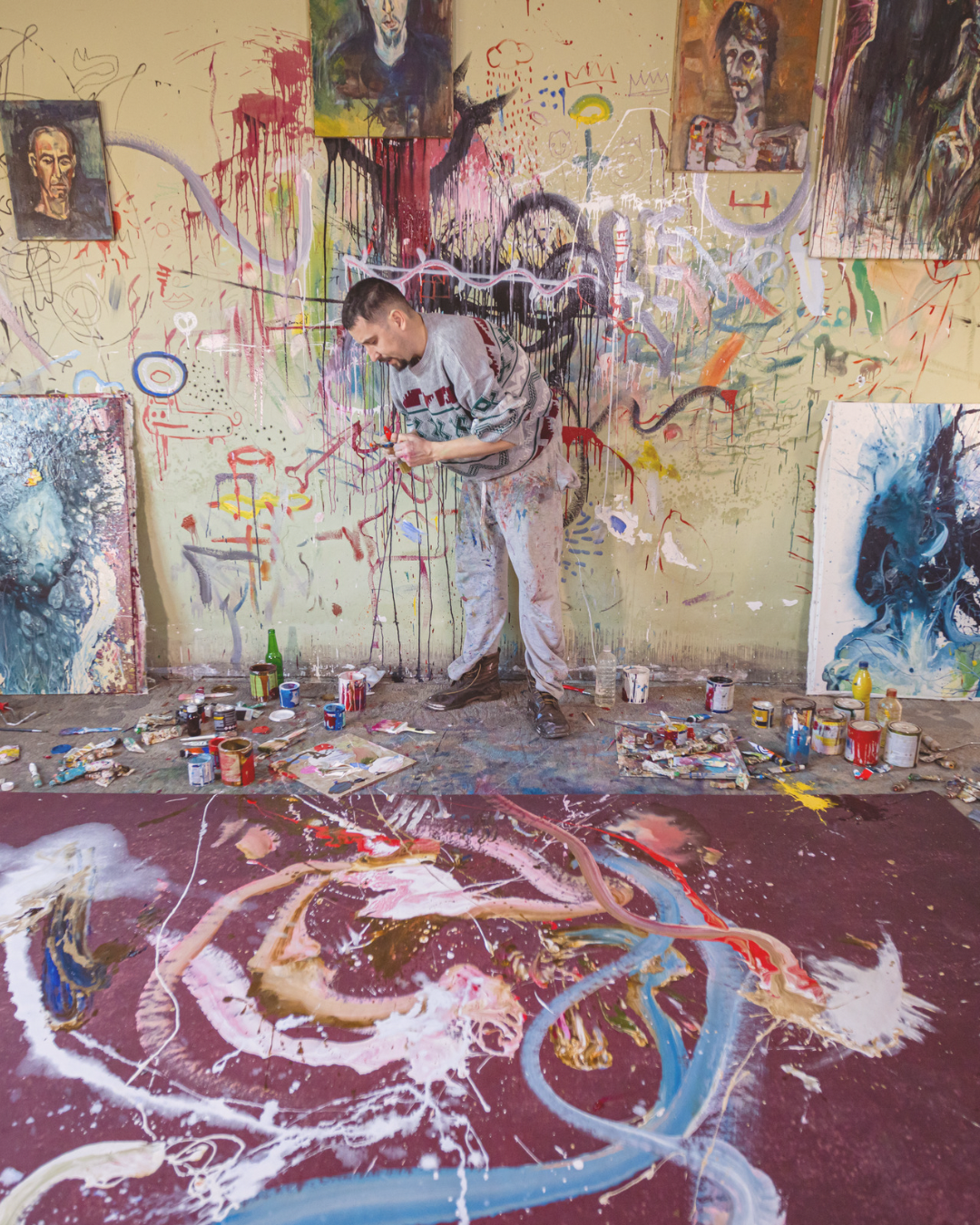
    In the growing conversation around mental health awareness, one truth rings loud and clear: not all minds work the same way—and that’s a good thing. For creative individuals with ADHD, the journey to self-acceptance is often messy, nonlinear, and misunderstood. But within that chaos lies a powerful truth: ADHD doesn’t kill creativity—it fuels it.

    The Artistic Brain and ADHD: A Unique Chemistry

    If you’re a painter, musician, writer, or creator of any kind with ADHD, you probably already know the struggle: you have bursts of inspiration followed by weeks of unfinished projects. You dream vividly but lose motivation fast. You hyperfocus on one idea for hours, then can’t look at it again for weeks.

    This isn’t laziness. It’s not a lack of discipline. It’s ADHD at work—and it often comes with a hidden gift.

    ADHD brains thrive in novelty, emotion, and stimulation. These are also the raw ingredients of creative work. Your brain leaps between ideas faster than most. It makes unexpected connections, asks bigger questions, and sees beauty in the chaos. That’s not a flaw. That’s artistic gold.

    Mental Health Awareness Begins With Understanding Neurodivergence

    Creative people with ADHD often go undiagnosed well into adulthood. Many assume their struggles with focus, time management, and organization are personal failures. This leads to chronic self-doubt, anxiety, and burnout.

    Raising mental health awareness means shifting this narrative. ADHD is a neurodevelopmental condition, not a character flaw. By recognizing this, artists can begin to embrace their brains instead of battling them.

    The first step toward mental well-being? Understanding that your brain works differently—and that’s valid. The creative community thrives when neurodivergent voices are heard, supported, and understood.

    Why Traditional Productivity Systems Don’t Work for Creatives With ADHD

    Let’s be honest: most productivity advice doesn’t work for people with ADHD. “Just make a to-do list.” “Stick to a schedule.” “Wake up earlier.”

    None of that helps when your brain can’t regulate dopamine, forgets time exists, and rebels against routine.

    Creative individuals with ADHD need systems that work with their brain, not against it. Here’s what actually helps:

    • Theme your days. Assign creative tasks to specific days so your mind doesn’t panic over choices.
    • Use visual reminders. Whiteboards, sticky notes, and timers help externalize your memory.
    • Build rituals instead of rigid routines. Rituals feel personal and artistic, not forced.
    • Create in short bursts. Work in 25-minute sessions to avoid burnout and keep momentum.

    When your systems align with your natural rhythms, you create more—and stress less.

    Hyperfocus: Your Creative Superpower (and Kryptonite)

    Hyperfocus is a well-known trait of ADHD. When it hits, you enter a creative flow state where time disappears. You might write five chapters, paint for six hours, or compose an entire track without blinking.

    This can feel amazing—but also dangerous. Hyperfocus can lead to physical burnout, skipped meals, and an emotional crash.

    To use it wisely:

    • Set alarms or visual timers to take breaks.
    • Keep snacks and water nearby.
    • Give yourself permission to stop even if you’re in the zone.
    • Journal afterward to track what triggered the flow—it can help you replicate it later.

    With mental health awareness, you learn not to exploit hyperfocus, but to respect it as a tool—one that needs boundaries.

    ADHD, Perfectionism, and Imposter Syndrome in Creatives

    One of the cruelest traps for creative minds with ADHD is the toxic mix of perfectionism and imposter syndrome.

    You have a million ideas but can’t finish them all. You criticize your work so harshly that you abandon it before it’s done. You compare yourself to “disciplined” creators and feel like a fraud.

    This inner critic can crush your creativity and your mental health.

    Here’s what helps:

    • Redefine success as expression, not perfection.
    • Keep an “imperfect portfolio”—a folder of half-finished work you’re still proud of.
    • Celebrate the process, not just the product.
    • Find community with other ADHD creatives who get it. You’re not alone.

    By building self-compassion into your creative practice, you protect your art and your mind.

    The Link Between Creativity, ADHD, and Mental Health

    Studies show that people with ADHD are more likely to struggle with anxiety, depression, and emotional regulation. Add the pressure of being a “successful” artist, and you have a recipe for mental overload.

    But there’s hope—and power—in awareness.

    When you understand how your brain works, you can design a creative life that supports your mental health instead of threatening it.

    That might look like:

    • Setting boundaries with your time and energy.
    • Taking breaks without guilt.
    • Seeking therapy or coaching that’s ADHD-informed.
    • Using creative expression as self-care.

    Mental health awareness isn’t just about diagnosis—it’s about empowerment. You deserve tools, support, and community. You deserve to thrive.

    You’re Not a Broken Artist—You’re a Different Kind of Genius

    The world tells ADHD creatives to focus, sit still, and finish one thing at a time. But some of the most innovative thinkers in history had ADHD-like traits: spontaneous insight, risk-taking, visionary thinking.

    You’re not meant to fit into narrow boxes. You’re meant to expand them.

    Your “disorder” isn’t a dead end—it’s a different operating system. One that, when supported, can produce breathtaking, world-changing work.

    So keep creating. Keep dreaming. Keep building a life that honors both your art and your brain.


    Conclusion: Embrace Your Creative ADHD Journey

    Raising mental health awareness means telling the full truth—not just about challenges, but about possibility. ADHD may cause friction, frustration, and doubt—but it also carries beauty, brilliance, and depth.

    You don’t have to fight your mind anymore. You just have to understand it—and create from it.

    Your creativity isn’t in spite of your ADHD.
    It lives because of it.

    And the world is better for it.

  • How to Self-Soothe During an Anxiety Spike: A Practical Guide for ADHD and Neurodivergent Minds

    How to Self-Soothe During an Anxiety Spike: A Practical Guide for ADHD and Neurodivergent Minds

    When anxiety hits, it can feel like a tidal wave—sudden, overwhelming, and all-consuming. Your heart races. Your chest tightens. Your thoughts spiral. Maybe your hands shake, or you can’t sit still. For neurodivergent individuals, especially those with ADHD, anxiety spikes often show up without warning and crash hard.

    Sound familiar?

    You’re not alone.

    Whether triggered by sensory overload, social stress, executive dysfunction, or emotional dysregulation, anxiety spikes are common in ADHD brains. The good news? You can learn to self-soothe—to regulate your nervous system, find calm, and ride out the storm with more control and compassion.

    Here’s how.


    What Is Self-Soothing, and Why Does It Matter?

    Self-soothing means calming yourself down when you feel anxious, overstimulated, or emotionally dysregulated. It’s not about ignoring your feelings or pretending you’re okay. It’s about meeting your nervous system with kindness and giving it tools to come back to safety.

    For neurodivergent people—especially those with ADHD, autism, or trauma histories—self-soothing can be life-changing. It helps you:

    • Regain focus after emotional overload
    • Reduce shame around “overreacting”
    • Navigate relationships more peacefully
    • Build emotional resilience over time

    The more you practice, the more your brain learns, “Hey, I can feel big feelings… and still be safe.”


    What Makes Anxiety Worse in ADHD Brains?

    If you have ADHD, you might notice your anxiety spikes feel extra intense—and for good reason. ADHD brains often struggle with:

    • Emotional Dysregulation: You feel things fast and big. Calm doesn’t come easily.
    • Rejection Sensitivity Dysphoria (RSD): A fear of rejection or failure can trigger panic, even from a small comment.
    • Poor Working Memory: You forget that you’ve been okay before, which makes anxiety feel permanent.
    • Task Paralysis: You’re anxious about not doing the thing… but too anxious to start the thing.
    • Sensory Overload: Bright lights, loud sounds, or itchy clothes can tip you into meltdown territory.

    That’s not weakness. That’s wiring.

    And self-soothing isn’t about “fixing” you—it’s about working with your nervous system, not against it.


    10 Grounded, ADHD-Friendly Ways to Self-Soothe During an Anxiety Spike

    Everyone’s nervous system is unique, so explore what works best for your brain. Here’s a toolbox of ADHD-friendly, neurodivergent-informed techniques you can try:


    1. Name What’s Happening

    Before anything else, say to yourself:

    “This is anxiety. I’m not broken. I’m just overwhelmed, and this will pass.”

    Naming the experience creates distance between you and the panic. It activates the rational part of your brain (prefrontal cortex), which anxiety tends to shut down.

    Bonus points if you say it out loud.


    2. Move Your Body (Even Just a Little)

    Anxiety is energy. If you keep it trapped, it simmers. Movement helps release it.

    • Do jumping jacks for 30 seconds
    • Shake your hands out
    • Walk around the room
    • Bounce in place
    • Stretch your arms toward the sky

    This isn’t about “working out.” It’s about shaking off the freeze.


    3. Use a Weighted Blanket or Deep Pressure

    Deep pressure is scientifically proven to activate your parasympathetic nervous system (aka your calm mode).

    • Lay under a weighted blanket
    • Hug a pillow tightly to your chest
    • Use a compression vest or body sock (many neurodivergent people love these!)
    • Cross your arms tightly over your chest like a self-hug

    If you’re in public, try crossing your arms and squeezing your biceps or pressing your palms together.


    4. Ground Yourself with the 5-4-3-2-1 Technique

    This classic grounding tool helps you anchor in the present moment:

    • 5 things you can see
    • 4 things you can touch
    • 3 things you can hear
    • 2 things you can smell
    • 1 thing you can taste or are grateful for

    Modify as needed. The goal is to shift your attention away from spiraling thoughts.


    5. Chew or Suck on Something Strong

    Oral sensory input works wonders for anxiety. Try:

    • Ice cubes
    • Ginger candy
    • Chewing gum
    • Lemon drops
    • A fizzy drink

    It may seem simple, but giving your brain something to focus on can interrupt the panic loop.


    6. Try a Safe Stim Toy

    Stimming is self-regulation—and it’s valid. Some options:

    • Fidget cubes or spinners
    • Putty or stress balls
    • Rubbing a textured fabric
    • Clicking a pen
    • Tapping your fingers to a rhythm

    Stimming is not just for kids. It’s for anyone whose nervous system benefits from consistent, calming input.


    7. Cold Water Trick

    Cold temperatures stimulate the vagus nerve and help reset your system.

    • Splash cold water on your face
    • Hold an ice cube in your palm
    • Run cold water over your wrists
    • Drink cold water slowly

    It’s a fast-track to snap your brain out of panic mode.


    8. Repeat a Calming Phrase

    Mantras work especially well for ADHD brains that latch onto repeated thoughts. Replace the spiral with something soothing:

    “This feeling won’t last.”
    “I’ve survived every panic attack before.”
    “My body is doing its best to protect me.”
    “I am not alone in this.”

    Say it like a song. Say it like a prayer.


    9. Create a “Calm Kit” in Advance

    Future-you will thank you. Include:

    • Noise-canceling headphones
    • Favorite stim toys
    • Scented lotion or essential oils
    • Your favorite playlist or audio
    • A grounding script or journal

    Keep it in your bag, your desk drawer, or by your bed.


    10. Let Someone Know

    Anxiety thrives in silence. If it feels safe, reach out:

    • Text a friend: “Hey, I’m spiking and just need to feel not alone.”
    • Use a voice note—hearing your own voice helps you reconnect.
    • Use grounding apps like Woebot, Rootd, or Finch for virtual support.

    Connection is a powerful form of regulation.


    Self-Soothing Is a Skill, Not a Shortcut

    You won’t always get it right. Some anxiety spikes will feel like tsunamis, no matter what tools you use. But the more you practice, the more you teach your brain what safety feels like.

    Be gentle with yourself.

    Self-soothing isn’t about getting rid of your anxiety—it’s about being in relationship with it.

    You are not “too sensitive.”
    You are not “too much.”
    You are learning how to feel safe in your skin—and that’s revolutionary.


    Final Thoughts

    If you live with ADHD or identify as neurodivergent, anxiety spikes might be part of your reality. But they don’t have to control your life. With the right self-soothing tools, compassionate awareness, and consistent practice, you can feel more grounded and empowered—even when your brain feels chaotic.

    Start small. Stay kind. You’ve got this.

  • When Chaos Meets Distance: How Therapy Helped an ADHD-Anxious Partner Thrive with an Avoidant Lover

    When Chaos Meets Distance: How Therapy Helped an ADHD-Anxious Partner Thrive with an Avoidant Lover

    From the outside, people used to say they’d never last.

    Alex was the storm—vibrant, impulsive, deeply affectionate, and always needing reassurance. Diagnosed with ADHD in her early twenties, she lived in a constant state of internal noise, with thoughts ricocheting like a pinball machine. Her anxious attachment only intensified things—texting three times in a row if she didn’t get a response, overthinking every silence, every delay, every unread message. She didn’t want to smother him. She just wanted to feel safe.

    Then there was Ryan. Calm. Independent. Emotionally reserved to a fault. His avoidant attachment meant he valued space above all, often interpreting Alex’s bids for connection as pressure. He wasn’t unkind. But where she craved closeness, he leaned into distance. Where she needed words of affirmation, he responded with silence.

    At first, their differences were magnetic—her passion met his quietude in a seemingly perfect balance. But very quickly, the cracks began to show.


    ADHD and Anxious Attachment: A Complicated Mix

    ADHD doesn’t just affect productivity or attention; it deeply impacts emotional regulation, impulse control, and relationship dynamics. People with ADHD often struggle with:

    • Emotional Dysregulation: Intense feelings that erupt quickly and are hard to calm down.
    • Rejection Sensitivity Dysphoria (RSD): A crippling fear of being rejected or not good enough, often leading to exaggerated emotional responses to perceived slights.
    • Poor Working Memory: Forgetting plans, birthdays, or details in a conversation can unintentionally hurt a partner.
    • Impulsivity: Saying things without thinking or reacting with too much urgency.

    When someone with ADHD also has an anxious attachment style, the emotional turbulence is magnified. They often become hypervigilant about their partner’s moods, misinterpreting neutrality as disinterest, and distance as abandonment. They crave constant reassurance, not because they don’t trust their partner, but because they struggle to self-soothe.


    Avoidant Attachment: The Pushback

    Ryan, like many with avoidant attachment, valued independence. He equated emotional needs with vulnerability and control, and subconsciously pushed away when he felt overwhelmed. He wasn’t cold-hearted—just conditioned to protect himself by withdrawing.

    He often saw Alex’s emotional bids—her tears, her texts, her need to “talk things through”—as a demand he couldn’t fulfill. He’d shut down, retreat, and stonewall. She’d panic, chase, cry harder.

    They were stuck in the classic anxious-avoidant trap.

    She would pursue.
    He would distance.

    She needed closeness to feel okay.
    He needed space to feel safe.

    The more she clung, the more he pulled away. The more he pulled away, the more desperate she became. Their arguments were like déjà vu, playing on loop. Friends gently suggested they were “toxic.”


    The Turning Point: Counseling

    It wasn’t one fight that pushed them to seek help—it was the silence after one. A quiet, heavy moment where both realized they weren’t happy, but they weren’t ready to give up either.

    Counseling started with skepticism. Alex feared she’d be blamed for being “too much.” Ryan feared being forced to feel things he didn’t know how to express.

    But slowly, the therapist guided them away from blame and into understanding. Through emotionally focused therapy (EFT) and ADHD-informed couples counseling, they began to reframe their patterns.

    They learned that their reactions weren’t personal—they were protective.

    Alex wasn’t clingy; she was triggered by abandonment and needed secure anchors.

    Ryan wasn’t cold; he was afraid that emotional closeness would rob him of autonomy and leave him vulnerable.

    They began naming their triggers.

    Alex would say, “When you don’t respond, my brain tells me you’re leaving.”

    Ryan would admit, “When I feel overwhelmed, I retreat to protect myself, not because I don’t care.”


    Small Shifts, Big Growth

    Counseling didn’t magically change who they were—but it gave them the tools to manage who they were together.

    • For Alex, therapy helped her notice when her ADHD and anxious attachment were driving her into spirals. She practiced self-regulation strategies—breathing techniques, journaling, pausing before texting again. She worked on developing internal reassurance, rather than always depending on Ryan to soothe her.
    • For Ryan, therapy helped him sit with discomfort and understand that intimacy didn’t mean engulfment. He learned that expressing affection, checking in, and showing up didn’t diminish his independence—they deepened trust. He practiced responding instead of retreating.

    Together, they built rituals of connection—daily check-ins, safe words when things got heated, intentional time apart balanced by intentional time together.


    Why Counseling Matters in ADHD and Attachment-Strained Relationships

    Relationships involving ADHD and attachment insecurities often follow painful cycles. Without intervention, the misunderstandings and unmet needs can slowly erode love, replacing it with resentment.

    Counseling offers:

    • A neutral space where both partners feel heard and validated.
    • Education about neurodivergence and attachment systems that reduce shame.
    • Coping strategies and tools to stop reactive cycles before they escalate.
    • Accountability, as both partners learn to take ownership without self-blame.

    For Alex and Ryan, it meant the difference between barely surviving and deeply thriving.


    Today

    A year later, their relationship isn’t perfect—but it’s no longer a battlefield.

    Alex still has ADHD. She still gets overwhelmed. But now she pauses, breathes, and tells herself, “I’m safe. He’s not leaving.”

    Ryan still needs space. But now he says, “I love you. I need a moment, but I’ll come back.”

    They understand each other now—not just in words, but in actions, in patience, in presence.

    From the outside, people now say they’re “stronger than ever.”

    Because they are.

    Not in spite of their differences—but because they learned how to honor them.

  • Riding for Men’s Health: The Distinguished Gentleman’s Ride and Its Impact in the Philippines

    The Silent Crisis: Men’s Mental Health

    Men’s mental health remains a critical yet often overlooked issue worldwide. In the United States, men are four times more likely than women to die by suicide, despite being diagnosed with depression and mood disorders at lower rates. This disparity is partly due to societal norms that discourage men from expressing vulnerability, leading many to suffer in silence. Additionally, men are less likely to seek mental health services, with only 40% receiving treatment compared to 51.7% of women.

    The consequences of untreated mental health issues in men are profound, contributing to a global productivity loss of approximately $1 trillion annually due to depression and anxiety disorders. These statistics underscore the urgent need for initiatives that address men’s mental health and encourage open conversations about emotional well-being.​Spring Health

    The Distinguished Gentleman’s Ride: A Global Movement

    The Distinguished Gentleman’s Ride (DGR) was founded in 2012 by Mark Hawwa in Sydney, Australia. Inspired by a photo of Don Draper from the TV show “Mad Men” astride a classic motorcycle while dressed in a suit, Hawwa envisioned a themed ride that would unite motorcycle enthusiasts and challenge stereotypes associated with motorcyclists. ​

    DGR has since evolved into a global event that raises funds and awareness for prostate cancer research and men’s mental health programs, in partnership with the Movember Foundation. The ride encourages participants to dress in dapper attire and ride classic or vintage-styled motorcycles, promoting a positive image of motorcycling while supporting a noble cause.​

    As of recent years, DGR has raised over $31.6 million USD, with participation from more than 340,000 riders across 115 countries. The event continues to grow, fostering a sense of community and purpose among riders worldwide.​

    image from https://www.gentlemansride.com/

    DGR in the Philippines: A Growing Community

    The Philippines has been an active participant in the Distinguished Gentleman’s Ride, with events held in various cities including Manila and Lingayen. In 2017, more than 600 riders in Manila joined the global movement, donning their finest attire and riding through the city to raise awareness for men’s health issues. ​

    By 2024, the participation expanded to at least 19 cities across the country, reflecting the growing enthusiasm and commitment of Filipino riders to the cause. These events not only raise funds but also spark conversations about men’s mental health, challenging cultural stigmas and encouraging men to seek help when needed.​Visor

    Riding for Men’s Health: DGR 2025

    The upcoming Distinguished Gentleman’s Ride is scheduled for Sunday, May 18, 2025, with the tagline “Riding For Men’s Health.” This year’s event aims to further amplify the message of supporting men’s mental health and well-being. Participants are encouraged to register, dress in their most dapper outfits, and ride to raise funds and awareness for this vital cause.​Wikipedia

    In the Philippines, riders can join local events by registering through the official DGR website. While specific ride details are provided upon registration to ensure safety and organization, the collective goal remains the same: to unite riders in promoting men’s health and challenging the stigmas that prevent men from seeking help.​

    Conclusion

    Men’s mental health is a pressing issue that requires collective action and open dialogue. The Distinguished Gentleman’s Ride serves as a powerful platform to address this challenge, combining the passion for motorcycling with a commitment to supporting men’s well-being. As the 2025 ride approaches, communities in the Philippines and around the world have an opportunity to come together, ride with purpose, and make a meaningful impact on men’s health.​

  • I Wish It Was 2009 Again: The ADHD Brain, Adulthood, and the Millennial Crisis

    I Wish It Was 2009 Again: The ADHD Brain, Adulthood, and the Millennial Crisis

    By: A Tired Millennial with ADHD Just Trying to Make It in Manila (or Wherever Life Threw Me)

    Sometimes I lie in bed staring at the ceiling fan, not because I’m dramatic or deep—but because I’m mentally buffering. My brain’s playing a constant game of “What now?” and “Kaya ko pa ba?” while I try to remember if I paid the Meralco bill, replied to my boss, or ate anything other than kape and Skyflakes today.

    I’m a Filipino millennial. I have ADHD. I’m tired. And I know I’m not the only one.

    The ADHD Brain in a Country That Barely Acknowledges It

    Let me start by saying this: ADHD in adulthood isn’t cute. It’s not quirky or just being a little “distracted.” It’s a full-blown mental triathlon—with zero prep time—where the finish line keeps moving and the scoreboard resets every morning.

    But in the Philippines, ADHD is still misunderstood. Most titos and titas just call it “kulit,” or say “nasa cellphone ka lang palagi,” or worse, chalk it up to laziness. You’re expected to be productive, focused, and always galingan mo sa trabaho—but no one talks about how your brain fights you every step of the way.

    You’ll be writing the most brilliant paragraph one moment, then suddenly you’re Googling if whales sleep with one eye open, texting your cousin about a funny TikTok, and somehow it’s already 3 PM. You forgot to eat lunch, your laundry is molding in the washer, and you missed an email from your boss asking for “that file by EOD.”

    It’s not just forgetfulness. It’s executive dysfunction. It’s your brain being like a browser with 78 tabs open, three of them playing random audio, one frozen, and you can’t figure out where the music is coming from.

    There’s no structured support for this here. No school programs. No company accommodations. Diagnosis? Only if you can afford therapy, and even then, you’ll probably get side-eyed by someone who thinks you’re just making excuses.

    So we cope the best we can. We write to-do lists we forget about. We start planners every January that get abandoned by February. We promise to budget, then impulsively buy something from Lazada or Shopee during a 12.12 sale because dopamine is dopamine. We begin projects with fire in our chest, then drop them halfway through because we’re overwhelmed or—let’s be honest—forgot they even existed.

    In a country where being “productive” is a measurement of your worth, having a neurodivergent brain feels like both a curse and a punchline. And when you’re also the breadwinner, the ate or kuya who needs to hold everything together? The weight gets unbearable.

    But we keep trying anyway. Kasi wala tayong choice. Kasi may pamilya. Kasi may mga umaasa. Kasi kailangan e.

    And that’s the part people don’t see—we’re not lazy. We’re exhausted from trying to operate in a world that was never built for brains like ours.

    Adulting in the Philippines Hits Different

    This version of adulthood feels like a prank.

    Most of us didn’t get the luxury of just “figuring it out.” We became breadwinners the moment we got our first call center job, online gig, or contract work. Some of us had dreams—artist, filmmaker, entrepreneur—but they had to be shelved because panganay ka, and kailangan mo magpadala.

    So now we juggle rent, bills, groceries, the needs of our family back home, and if we’re married or have kids? Add another layer of responsibility. It’s like we’re constantly torn between two generations—the ones who raised us and the ones we’re trying to raise ourselves.

    And the guilt? It’s loud. We want to help. We love our families. But we’re also drowning, mentally and financially. And when we try to set boundaries, we get labeled as selfish or lumalaki na ang ulo.

    “Success” Looks So Different for Us Now

    I have friends who are thriving—working in tech, nursing in Canada, or managing teams at big companies. But even they message me like: “Am I just doing this for the paycheck?” or “Parang hindi ko na kilala sarili ko.”

    Some are chasing passion projects—writing, podcasting, freelancing—but are constantly fighting burnout and financial anxiety. They glow differently, yes, but behind the IG posts are sleepless nights and unstable income.

    Others are still figuring it out—maybe starting over after a breakup, getting laid off, switching careers, or healing from years of overwork. They’re not failing—they’re just honest enough to admit they’re lost. And in this economy? Sino bang hindi?

    I Miss 2009, Honestly.

    I miss when life was school, anime sa TV5, and worrying about load for text, not adult responsibilities. I miss Naruto, Laging Handa notebooks, and eating turon after class. I miss simpler problems like whether I passed math or if my crush would reply “GM” back.

    Back then, we had problems, sure—but there was time to breathe. Now it’s: Gising. Trabaho. Padala. Guilt. Kape. Ulit-ulit.

    We had big dreams. Now we just want peace, a decent salary, and a day off that isn’t spent doing chores for everyone else.

    But You Know What? We’re Still Here.

    For all the heaviness, all the unpaid overtime and emotional labor—we’re still standing. Somehow.

    We show up to Zoom calls with a smile even if we’re breaking inside. We send money even if we haven’t bought anything nice for ourselves in months. We try to build something for our future, even if the world keeps shifting beneath our feet.

    And we love—deeply. Whether it’s through sharing memes, sending pasalubong, or reminding friends to eat, we’re still holding each other up. That’s something, right?

    A Gentle Reminder: You’re Doing Okay

    If you’re a tired panganay wondering when your life will start—this is for you.
    If you’re a millennial with ADHD, struggling to function in a system that expects you to be a robot—this is for you.
    If you’re lost, restarting, or just barely surviving—this is still for you.

    You’re not failing. You’re just navigating an impossible situation with so much heart. And if all you did today was survive, that’s enough.

    Final Thoughts

    I hope you find the space to rest without guilt. I hope one day, you won’t have to choose between your own needs and your family’s survival. I hope your dreams get a second chance.

    And if you ever build a time machine back to 2009? Isama mo naman ako. I’ll bring the pancit canton, you bring the USB full of AMVs.

    Until then… we push forward, one small miracle at a time.
    Tuloy lang, kapatid.

  • Inside the Clutter: Living with ADHD, Impostor Syndrome, and the Constant Noise

    It’s 3:00 AM, again. Everyone’s asleep—except me, and the hurricane inside my brain. I’m standing in the middle of my living room, hands on my hips, deciding whether the couch would look better against the far wall or by the window. I already know I’m going to move it. Not because I want to. Not because it needs to be moved. But because I need something to do with my hands and body while I try to mute the overlapping thoughts in my head. Rearranging furniture feels like the only way I can match the chaos inside with something outside. It’s an odd form of therapy that leaves my space different, but my mind just as cluttered.

    I have ADHD.

    It’s not just “getting distracted” or “being hyper.” It’s living with a thousand browser tabs open in your head, all screaming for attention. It’s needing three monitors just to work. Two of them are for actual tasks—spreadsheets, emails, project timelines. The third? Always streaming something. A movie I’ve watched a dozen times. A show I’ve memorized. I don’t watch it, not really. I listen. To conversations. To people laughing. Talking. Arguing. It’s like white noise for my overactive brain. Comforting, because I was never really good at being part of real-life conversations. Listening to them, though? That I can do.

    People always say I seem social. That I’m funny. That I light up a room. What they don’t see is how I shrink the second I’m out of it. How my social battery crashes the minute someone starts making eye contact for too long. How I plan what to say in advance, rehearse it in my head, then blank out when it’s actually my turn to speak. I love hearing people talk. But when the spotlight turns to me, I want to vanish.

    And the worst part? I still laugh at jokes that weren’t meant for me. I still sit in the corner of the room, sipping my drink, smiling at conversations I don’t belong to, feeling like a glitch in the simulation.

    I multitask like a pro. I can juggle five things at once—write a report, answer emails, reply to messages, research a new side hustle, and brainstorm another business idea. I get sh*t done. But when I finally stop to rest, I feel… useless. Lazy. Like I should be doing something. Resting feels like guilt. Like failure. Like I’m wasting time I could’ve used to get ahead, earn more, find my purpose—whatever that means.

    My mind? It’s like Messenger with every group chat open and active. Notifications flying in. Messages being typed and deleted and retyped again. Some threads are urgent. Some are weird. Some are just there. And I can’t mute any of them. They’re all talking at once. I’m always “in a meeting” in my brain, trying to moderate chaos with no end in sight.

    I’ve tried therapy. Multiple times. In and out. Different counselors. Different methods. Journaling. Grounding techniques. They help, sometimes. But I always feel like I’m patching a leak with duct tape. The water still rises. I still drown. I still stare at the ceiling at night wondering what it is I’m supposed to be doing with my life.

    I carry impostor syndrome like a badge. I’ve done cool things. I’ve achieved goals. I’ve heard people tell me “you’re doing great.” But I don’t feel great. I feel like I’m faking it. Like I’ve just been winging everything and one day, someone will figure it out. That I’m not as competent as they think. That I’m just a chaotic mess trying to hold it together with lists, alarms, caffeine, and willpower.

    Money? It’s never enough. Even when it technically is, my brain doesn’t register security. I’m always looking for ways to earn more. Side gigs. Freelance jobs. Passive income. Business ideas I never finish. I work hard, but it still feels like I’m failing. Like I’m falling behind. Like I should have it all figured out by now, and I don’t. I keep chasing “more” because somewhere in my mind, maybe “more” will finally make me feel enough.

    Sometimes I wish I could just stop.

    Pause the noise.

    Shut it all off.

    Just be.

    But that’s the thing with ADHD. There’s no off switch. Just volume levels. And even when you try to sleep, your brain’s still negotiating deals, rehashing past conversations, solving next week’s problems today, and reminding you of that one embarrassing thing you said five years ago.

    I live in a constant push and pull. Wanting to connect, but also wanting to isolate. Craving silence, but surrounding myself with noise. Needing to rest, but feeling restless. Wanting meaning, but questioning every path I take.

    And still—I get up. I work. I try. I keep going. Because somewhere in the chaos, there’s a flicker of hope. That maybe the cluttered thoughts will slow down. That maybe I’ll find the thing that makes it all click. That maybe I’m not broken—just wired differently.

    I’m not writing this because I have the answers. I don’t. I’m writing this because maybe you feel this too. The 3AM furniture rearranging. The guilt of resting. The pretending to be okay when you’re running on mental fumes. The need to do everything, while feeling like you’ve accomplished nothing.

    Maybe you feel like you’re drowning in a brain that won’t shut up.

    If you do—hi. Same.

    You’re not alone.

    We’re not alone.

    And maybe that’s enough, for now.