Tag: lifestyle

  • The Lost Boys Club: A Scene That Never Left

    The Lost Boys Club: A Scene That Never Left

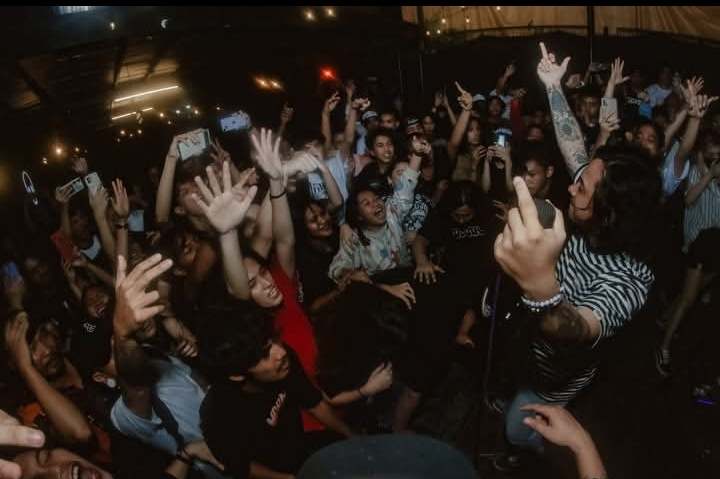
    The house lights dim, the amps buzz to life, and a crowd of familiar faces, many clad in worn band tees and scuffed Vans, surge toward the front of the stage. Somewhere in the organized chaos of soundchecks and shouted greetings, the Lost Boys Club gears up for another night of defiance, celebration, and pop punk.

    Behind the posters and the playlists is Pauline, one-half of the production team that built this DIY haven for lovers of The Story So Far, Neck Deep, and the rest of the pop punk canon. Alongside Chaz, her co-conspirator and partner, they form the lean but passionate heart of Lost Boys Club.

    From Fanhood to Formation

    The seed was simple: “Ang dami kong kilala na nakikinig non,” Pauline shares, referring to The Story So Far and Neck Deep. “Super fan din ako ng TSSF kaya triny ko gumawa ng ganong event.” That fan energy didn’t stay in playlists—it evolved into an entire movement, one gig at a time.

    What started as a tribute night turned into a full-blown mission: create events centered purely on pop punk, and connect people who never grew out of their love for the genre. The production’s roots stretch back to 2018, when the scene was quieter, scattered—but not gone. Pauline and Chaz didn’t just want to revive it. They wanted to give it a home.

    Planning and Persistence

    Their recent The Story So Far x Neck Deep cover night took one full month of preparation, a tight timeline considering the scale of the crowd and expectations. Back then, Pauline still had Luna on the team—a helping hand that she credits as a big boost.

    “Ang LOST BOYS CLUB nagstart talaga ‘to sa mga pop punk bands,” she adds. And every show they mount pays tribute to that beginning.

    They don’t promise perfection. They promise to show up. That’s why, when things don’t go as planned, they adjust. Bands arriving late? They rework the schedule. Unpredictable Manila weather? They roll the dice.

    “Malakas ulan non e,” Pauline recalls of their first TSSF x Neck Deep night. “Pero sinugal pa rin namin at ayun—super successful naman kasi ang daming tao.”

    Roles and Rituals

    Today, the team is down to two: Pauline and Chaz. Between them, they do it all—posters, social media, lineup curation, sponsor outreach, on-ground logistics.

    “Sa pag-gawa ng poster and posting naka-depende kung sino ang hindi busy,” Pauline explains. She takes charge of the lineups, reaching out to bands, locking in commitments, and negotiating with sponsors. On show day, she’s at the entrance while Chaz emcees and manages the stage.

    When asked what makes a strong production team, Pauline doesn’t blink: “Dapat talaga nagkakaintindihan kayo. Dapat iisa yung goal niyo.”

    And it shows. Every gig they pull off is a small miracle of coordination, understanding, and unwavering faith in the local scene.

    Booking Bands with Intention

    For Lost Boys Club, the lineup isn’t just about who’s available. It’s about fit—musically, energetically, and ethically.

    “Kung bagay ba yung genre, masipag ba sila mag-promote, at pinaka-mahalaga if kaya nila mag-commit.” They don’t just book bands. They build lineups with heart and hustle.

    And while there are always wishlist names—Pauline mentions Urbandub as her dream local act, and The Story So Far as the ultimate international get—they’re not rushing. There’s a deliberate pace to how they grow.

    Each band that joins a Lost Boys night does so with shared intent: to bring the crowd to life, and to make the night unforgettable.

    For the Fans, Always

    The Lost Boys experience doesn’t end when the amps power down. Pauline wants people to go home feeling like it was all worth it.

    “Gusto ko ma-feel nila worth it yung pagpunta nila ng gig, worth it yung pagod at puyat kasi sobrang saya nila.” And they add flavor to the shows through sponsors—shirts, tote bags, and other giveaways—making every night feel personal and special.

    For Pauline, success isn’t measured in numbers alone. “Yung makikita mong naging masaya lahat. Bands and audience. At higit sa lahat yung walang abono haha!” The laughter in her words says it all: joy and sustainability are twin pillars of their work.

    What’s Next?

    Don’t expect Lost Boys Club to slow down. They’ve already got shows planned all the way until April 2026.

    Up next? A My Chemical Romance x The Used Cover Night this August 23 at G Malolos. Then there’s the Secret Crisis Tour—a dual album tour for Takaw Tikim (Secret Menu) and No Angels, No Gods (Equation Crisis).

    And while future plans are still hush-hush, there’s ambition brewing. “Yes meron pero quiet muna kami sa ngayon,” Pauline teases.

    What she can say is this: the long-term vision is rooted in purpose. “Magiging tulay pa rin kami para makilala ang mga banda or artist na gustong ibahagi ang craft nila. Hanggang magkaron ng sariling pangarap yung mga anak namin.”

    This isn’t just about the now. This is legacy-building disguised as gig production.

    When Kids Crowd Surf

    Asked what she’d do with an unlimited budget, Pauline doesn’t aim for lasers and pyros. Instead, she envisions something for all ages.

    “Gagawa kami ng event na hindi lang pang adult, yung mag eenjoy din yung mga kids.” It’s not a marketing stunt—it’s personal. “Kasi lagi namin kasama mga anak namin sa mga gig.”

    Her voice carries the joy of someone imagining a better version of the scene—one where the next generation grows up on live music, not just YouTube clips.

    Good Chaos and Great Advice

    One of their wildest experiences happened just this July 5, during the Batangas leg of the Secret Crisis Tour. It wasn’t the crowd or the logistics that stood out—it was the kindness.

    “Grabe yung pag-alaga nila sa amin,” Pauline says about Hardcore Hope, the co-prod that night. “Pagdating namin don meron ng food tapos meron pa kaming libreng stay. Talagang, makikita mong mahal na mahal nila ang eksena.”

    That kind of hospitality isn’t just rare—it’s unforgettable. And it fuels them to keep going, despite everything the scene throws their way.

    So what advice does she have for those who want to enter the production world? Pauline doesn’t sugarcoat it. “Dapat buo ang loob niyo at mahalin yung mga banda, manonood at mga venue.”

    Then she drops the foundation of it all: “Apat na pondasyon ang kailangan para manatiling nakatayo e. Ganoon din sa music scene—productions, bands, audience, at venue.”

    If one falls, the whole house shakes. But if all four stand strong, the scene becomes more than a trend. It becomes a home.

    And for the Lost Boys Club, that home has room for everyone—old fans, new bands, future punks, and maybe even their kids.

    Because the scene? It’s not lost. It just moved to Malolos. And it’s louder than ever.
  • FIGVRA: Songs Made of Scars, Stories, and Shared Chaos

    FIGVRA: Songs Made of Scars, Stories, and Shared Chaos

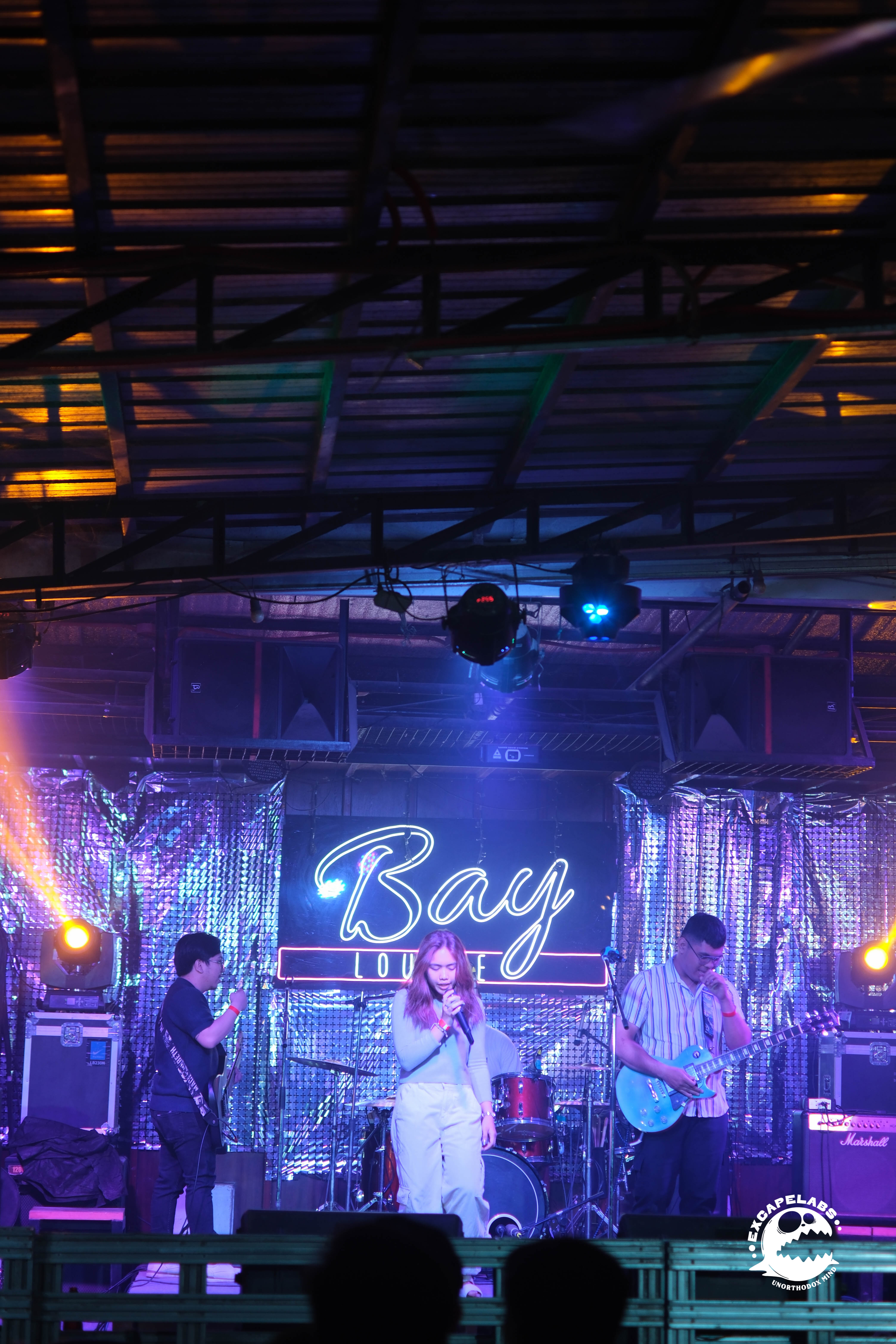
    Some bands are born in garages. Others form in the haze of drunken parties or from the disbanding of earlier dreams. FIGVRA began at home—literally.

    The name “FIGVRA” (pronounced as “figura”) came out of a casual discussion at home between Josh and his partner Zab. They were kicking around ideas with their original bandmates, searching for something with meaning, something that stuck. “FIGVRA” is a stylized version of figura, a word that means to represent or symbolize. And that’s exactly what they do: represent stories, feelings, and sometimes even the messy chapters people try not to talk about.

    Josh, the founding member, had just exited an old band and found himself aching to create again. He missed the buzz of live gigs, the thrill of building progressions, the collective energy of being with a band. So, like many 21st-century musicians, he took to Facebook. A quick post in the North Studio group and the wheels started turning.

    The first two people he tapped? Longtime friends and high school barkada: Cath and Weng. Both could sing, both could play guitar, and both had something to say. What followed was a chaotic yet beautiful unfolding—an indie band where everyone had their own taste, their own story, and somehow, it all made sense.


    The Origin of “Figures”

    Ask them about their first song, and they’ll point to “Figures.” Not released. Not even played in gigs anymore. But ask any member, and they’ll remember it vividly.

    “It started from chikahan lang sa house nila Josh,” Cath recalls. Zab had written the lyrics, passed them over, and something clicked in Cath’s head—a melody, a vibe, a tone. From there, everything started falling into place. The band shaped the song together, each with their own interpretation of how it should feel. Josh laughs, remembering how many versions they ran through. “Ang dami na naming playstyle na nagawa dun,” he says.

    Even though “Figures” hasn’t officially seen the light of day, it was the foundation. It was FIGVRA learning how to make music as a unit.


    Drama. Always Drama.

    What fuels their music is what weighs them down in real life. Every song is born from something they went through: heartbreaks, anxiety, growing up, slipping into adulthood, and trying to hold it all together.

    “100% personal,” Josh says. “Para samin, imbes na damdamin lang namin nang damdamin, isusulat na lang at tutugtugin.” Zab pours her emotions into writing. Cath does the same. Even Wendell and Josh, self-aware and laughing about how “madadrama kami lahat,” take those same scars and turn them into sound.

    But they’re not trying to sell sadness. There’s no grand design to make you cry or scream into the void. They just want you to feel something—whatever that may be.

    “We don’t have a target mood or message,” Cath says. “Ang gusto lang namin, maramdaman ng tao yung naramdaman namin.”

    And that’s the beauty of FIGVRA’s process. It’s raw emotion, distilled into melody.


    Songwriting is a Three-Way Street

    The songwriting process often starts with a spark from Zab or Cath. A lyric. A concept. An emotion too loud to ignore. Then comes the back-and-forth. Zab explains the mood. Cath crafts the tone. Josh fills it in with rhythm, progression, the glue that binds it. Then, they pass it on to Ed and Weng, who throw in their own flavor.

    Every band member has different influences. Different sounds. Different musical roots. But that’s not a problem—it’s part of the identity.

    “Lahat kami may kanya-kanyang input,” Josh says. “Pero we always base it sa emotion ng kanta. Kung pasok, yun ang ginagamit namin.”

    Cath is especially careful. Protective, even. “She’s fragile with her songs,” Josh explains. Not in a delicate way—but in the way someone gets when a story is too close to the skin. “Dapat ramdam mo talaga yung story at emotion.”


    Live Shows, Fails, and Favorite Tracks

    Live gigs are where the band breathes. They prefer big crowds now—not because of ego, but because there’s room to move, to play, to feel each other out. “Mas nakaka-build ng confidence and chemistry bilang banda,” they say.

    Still, the early shows had their fair share of chaos. Unknown13? A disaster. “Walang nagkakarinigan,” Josh recalls, laughing and cringing at the memory. “Nawalan ng timing si Ed sa Pantropiko, si Mama Yuuri pa yung nag-aalalay!”

    But from every embarrassing moment came growth. From each set, a tighter band.

    Fans, on the other hand, have gravitated toward “23”—their debut single. Josh says it best: “Kahit di na kami 23, may impact pa rin siya.”

    “Easy,” however, holds the most weight live. It’s their latest single, and for Cath, it’s the hardest to perform. She wrote it back in 2019, during one of those moments when life gets too heavy. “It always has been,” she says. Adulthood just made it heavier.


    The Bigger Picture

    For FIGVRA, the local indie scene is overflowing with talent. It’s just not always acknowledged.

    “Sobrang ganda ng indie bands sa Pilipinas,” Josh says. “Ramdam mo yung impact, yung emotions. Hindi ko lang alam kung anong problema ng Pilipinas na hindi nila ma-credit or ma-acknowledge yung mga ganitong scene.”

    But they’re not bitter—just passionate. There’s pride in being part of something underground, something you have to discover to appreciate. “As a listener, ang dami mong madidiscover na artist na ang gagaling,” Josh adds. “And as a band, ang dami mong mapupulot.”

    Cath’s current favorite? NOA (Night Over Alaska). As for Wendell—he’s a die-hard December Avenue fan. “#1 fan siya ni Zel,” Josh jokes. Josh himself wants a collab with Fiona or Kamikazee. The dream isn’t far-fetched.


    What Comes Next?

    They’re currently wrapping up their third single. That’s all they’re saying for now. “The rest, secret muna!” Josh teases.

    But whatever comes next, one thing’s certain: FIGVRA will keep writing, keep feeling, and keep sharing. Not because they have to—but because they need to.

    You can follow them here:
    Facebook
    Spotify

    And you should. Because FIGVRA isn’t just a band. It’s a mirror—reflecting back all the emotions you’ve buried, all the stories you didn’t know you needed to hear.