Tag: news

  • Shallies: The Band That Almost Didn’t Happen, But Did—And Now They’re Just Getting Started

    Shallies: The Band That Almost Didn’t Happen, But Did—And Now They’re Just Getting Started

    Some dreams are loud and urgent—they demand to be heard, seen, done now na. But some dreams, like the kind Gio and JL of Shallies had, simmer quietly in the background for years, waiting for the right moment, the right tools, the right time.

    For Shallies, that moment came in September 2024.


    It all started back in high school. Two boys who shared the same barkada, the same music taste, and a shared frustration: “Wala kaming pera, kulang pa sa skills, tapos wala pang maaya para buuin ‘yung banda.” That’s how Gio, the primary songwriter of Shallies, described the early days. The desire was always there—guitar chords written in notebooks, song ideas saved on old phones—but life, as it often does, had other plans.

    “Now somehow we can afford to save para makabili ng instruments at gumawa ng songs,” he shared. “Sayang kasi yung potential ng mga songs if hindi marerelease.”

    And so they did it. Quietly, no fanfare. No big launch party. Just two friends finally breathing life into songs that had long lived only in imagination.

    JL, the other half of the founding duo, put it plainly: “It all started with Gio’s idea. Siya nag-supply ng gas.”

    The name Shallies—unusual, unforgettable—was Gio’s idea too. Derived from “shilly-shally,” it captures years of hesitation and half-starts. But finally, the indecision gave way to action, and Shallies became real.


    From Bowie to Parokya: A Clash of Eras, A Blend of Styles

    If you had to describe Shallies’ sound in one word, “eclectic” wouldn’t even scratch the surface. Gio cites British legends like Bowie, The Smiths, and Radiohead as his core influences—artists known for lyrical depth and sonic experimentation. JL, on the other hand, brings in the punch: “Eheads, Parokya, Rivermaya, Oasis, Paramore, NFG, Sum 41, Greenday.” His list reads like a ’90s alt-rock starter pack.

    So how do they make it work?

    “We find the common denominator,” JL said. “Then we find a way to merge them together.”

    Gio’s approach to songwriting is rooted in melody first. “Kapag may pumasok na tune sa utak ko, I record it agad. Then the lyrics follow.” He added, “The melody creates the lyrics itself.”

    The band’s creative compass isn’t fixed to one genre. “Alternative rock ang roots,” JL admits. But from there, anything goes. A song might start out sounding like a pop punk jam and end up echoing New Wave energy. Their guiding principle? “Whatever sounds right to us,” Gio said.


    Making Music for the Masses—One Song at a Time

    “Ang goal namin? Maka-connect sa listeners. Accessible dapat ang sound,” Gio explained.

    That’s why even their arrangement process leans on the familiar. “Pop structure,” he said. “Para mas madaling ma-absorb ng audience.”

    One of the songs closest to JL’s heart is Holiday Ride, their very first complete track. “Di ko sasabihing mahirap siya buuin, pero bias ko talaga siya,” he laughed.

    Gio, on the other hand, holds a deep connection to every track. “Even if the songs aren’t based on my personal experiences, I draw from stories around me. Isang kanta, habang nanonood ako ng Friends; another, habang naghihintay ako sa elevator.”

    That’s the thing about Shallies—they’re not here to dazzle with complexity or overwhelm with abstract ideas. Their magic lies in the everyday. Songs about mundane moments that somehow hit just right.


    The Chill Before the (Hopeful) Storm

    Right now, the band is still in transition. With only three members (including their producer), they’re balancing music-making with life’s many obligations. Gigs are still a dream in the works.

    “Wala pa kaming live gigs,” Gio said. “Pero studio sessions, meron na.”

    Pre-recording rituals? “Vape at NBA,” JL deadpanned.

    Even without the full stage experience yet, Shallies is carving a space for themselves online. They recently released “Gotcha Under My Skin,” a punk/pop track dripping with teenage urgency. Coming up? Their first Tagalog single and a track simply known as Untitled Song #1, which JL says will transport listeners straight back to their high school days.


    Creative Differences? Not a Problem

    Most bands talk about “collaboration” like it’s a corporate strategy. With Shallies, it’s more fluid—less about power-sharing, more about trust.

    “Kung sino gumawa ng kanta, siya pa rin ang may final say,” Gio explained. “Pero open kami sa suggestions. If it improves the song, go.”

    JL echoed the same sentiment. “We’ll meet halfway. Pero importante din na hindi patayin ‘yung creativity ng writer.”

    It helps that they understand each other’s personalities to a T. “Pareho kami ng vibe,” JL said. “Mas outgoing lang si Gio, ako mas tahimik. Pero siya rin ‘yung OC sa details. Ayaw niya ng ‘pwede na.’”


    Looking Ahead: Dreams, Collabs, and That Elusive Break

    While they’re not in a rush to chase fame, the desire for mainstream recognition is there. “We’ll continue to improve and get better every day,” Gio said. “We want to create more classic songs that people can sing to.”

    Collaborations? JL’s keeping it grounded. “Gusto ko makatrabaho si Luis Azcona ng Maude. Typical OPM alternative rock sana.”

    As for fan encounters, wala pa daw silang specific stories of people connecting with their lyrics—but they’re hopeful. “We want to connect with fans and listeners through our music. It would be a nice feeling siguro if it happens.”

    And it will. Because if Shallies’ journey teaches us anything, it’s that the slow burn is still a burn. Quiet dreams still blaze.


    One Last Thing

    So, what do Shallies want you to feel when you hear their songs?

    They answered in sync:
    “We want our listeners to feel the emotions and excitement every time they hear our songs.”

    Not bad for a band that almost never happened. Not bad at all.
  • AIYANA: The Bloom That Refused to Wilt

    AIYANA: The Bloom That Refused to Wilt

    Some bands are born in garages. Some in the flicker of a dream. And others, like Aiyana, were born in a haze of riffs, bar gigs, and quiet conviction — somewhere in the cool air of Tagaytay, where the fog never fully lifts but the music finds a way to rise.

    Formed in 2021, Aiyana started, as many bands do, with covers and caffeine-fueled jam nights. But what separates them from the rest is what happened after the covers. The band decided to try crafting something original — just for the thrill of it. What came out wasn’t just a song, but a signal. A spark. And from there, the fire kept growing.

    “We started out as a cover band, tumutugtog-tugtog lang sa mga bar,” kwento ng banda. “Then nagtesting kami gumawa ng original song, tapos ayun — doon na nagstart.”

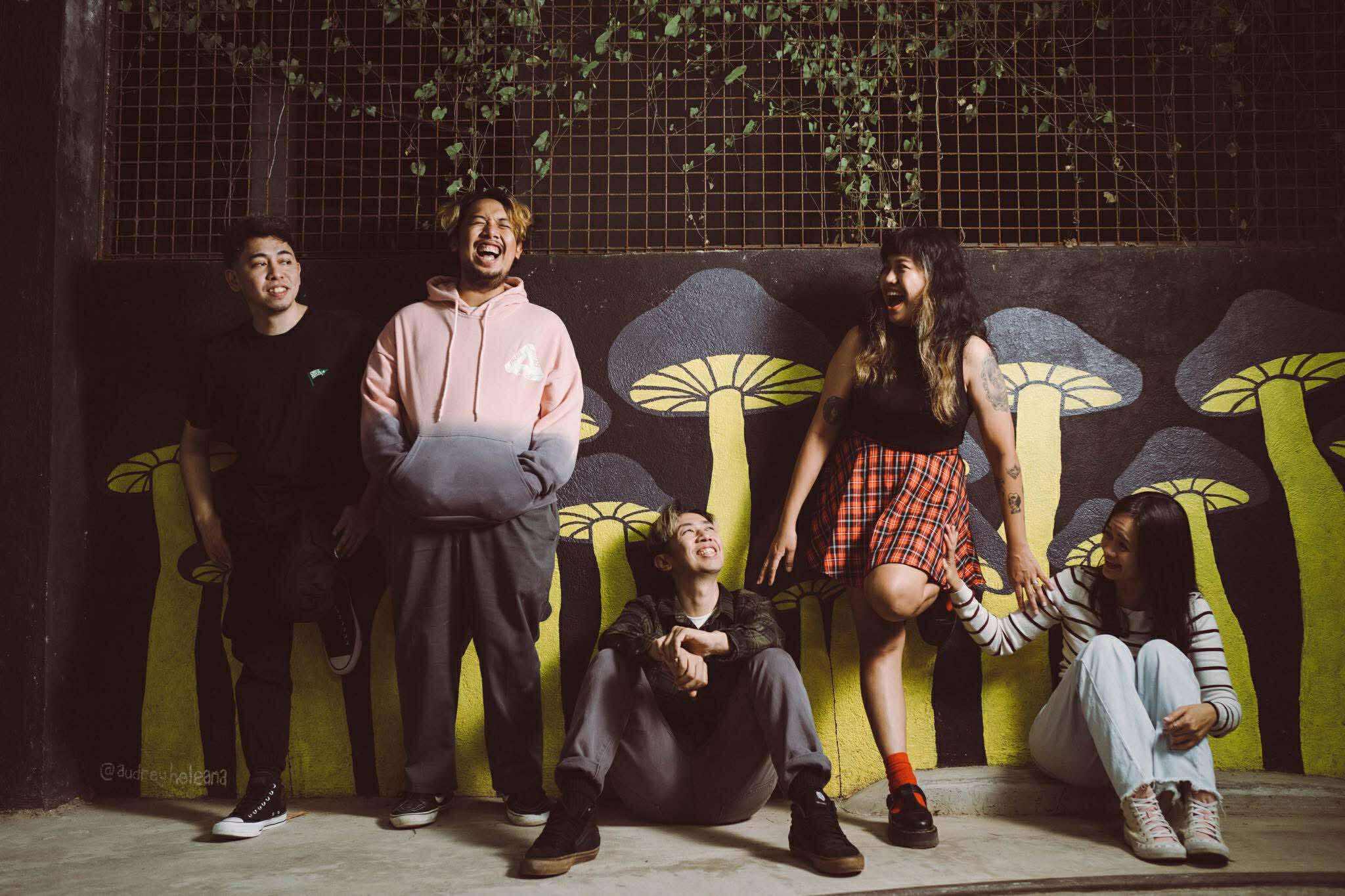
    Aiyana is composed of Jec Castillo (lead guitar), GB Castillo (rhythm guitar), Jing Gonzales (bass & backup vocals), Justin Bonavente (drums), and Jayce Castillo (lead vocals). There’s something magnetic about how they introduce themselves: no big declarations, no flashy intros — just pure confidence in what they bring to the table. And if the name “Aiyana” sounds unique, that’s because it is. Not only does it mean “eternal blossom,” but it’s also the name of Jec and Jayce’s daughter. A band, a name, a family — literally.


    Soundcheck: What Does Aiyana Sound Like?

    Describe Aiyana’s sound and you’ll likely get a grin before an answer.

    “J-rock, prog-ish, pop-punk-ish with metal-core and djent riffs and pop vocals,” they laugh. “Mahirap iexplain. Pag tinanong genre namin, sinasabi lang namin: ‘Aiyanacore.’”

    It’s a sound that doesn’t sit still — it runs, it pivots, it plays. From the intricate riffs built by Jec, to the emotionally gritted lyrics penned by Jayce, Aiyana’s music sits in that rare place between chaos and clarity. Whether you’re in love, heartbroken, or somewhere in between, their songs will find you.

    Kung pakikinggan mo nang buo ang catalog nila, mararamdaman mong bawat kanta ay may bitbit na kuwento. “Love, frustrations sa pag-ibig, mga gustong sabihin pero hindi masabi… ‘yung sakit, at kung paano mag-move forward,” they explain.

    Think Typecast meets Up Dharma Down, but through the lens of anime intensity and emotional complexity. Their influences are an eclectic, beautiful mess: Jaya, Yosha, August Burns Red, Yoasobi, As I Lay Dying, and even Polyphia. If that doesn’t give you a clue on their sonic DNA, maybe it’s time to just hit play.


    Tagaytay: Scene of the Climb

    Tagaytay isn’t the first place that comes to mind when you think “indie scene,” but maybe it should be. For Aiyana, it’s not just their hometown — it’s their battlefield and sanctuary.

    “Dati walang bar or place na nagca-cater sa mga indie bands,” they share. “Parang puro show band ang priority. Pero ngayon, nakakataba ng puso isipin na may ilang venues na sumusuporta sa indie scene.”

    Their favorite? Lyleth’s Overlooking Restaurant. Hindi lang dahil sa malamig na hangin o masarap na kape — kundi dahil ito ang unang sumugal sa kanila at sa iba pang indie bands.

    And when asked what makes Tagaytay’s scene different from, say, Manila?

    “Sa Cavite, more on pop-punk and death metal. Sa Laguna, hardcore. Sa Manila, mathrock and shoegaze. But kami, we try to steer away from the usual para maging distinct yung sound ng Aiyana.”

    In short: they’re not trying to blend in. They’re trying to bloom.


    Music, Blood, and Guts

    Chemistry isn’t built in a day. But Aiyana? Their foundation runs deeper than most bands you’ll meet.

    “Yung lead and rhythm guitarist, magkapatid. Yung lead guitarist at bokalista, mag-asawa. Yung bassist at bokalista, magkakilala since 2005. Yung drummer at guitarists, dati nang magkabanda.”

    No wonder they click. This isn’t just a lineup — it’s a constellation of old ties, late-night rehearsals, shared meals, and inside jokes.

    At kahit na may times na parang gusto nang sumuko — walang tulog, walang bayad, sariling gastos sa tugtog — the passion keeps them moving. “Masayang tumugtog e. Passion talaga. Tapos looking back, iniisip namin bakit ba namin ito sinimulan in the first place.”

    This isn’t a band chasing clout. They’re chasing connection.


    Bigger Dreams, Braver Steps

    Ask them what their dream gig is and the answer is delightfully humble: “Basta big stage!” they laugh. “Gusto namin ma-feature sa Wish Bus, tsaka sa Cozy Cove.”

    They know that putting their music out there — sa Spotify, sa Facebook, sa live gigs — is not easy. Pero they’re in it for the long haul. And they’ve got something most bands struggle to find: vision. Hindi lang basta music para sa kanila. It’s therapy, it’s storytelling, it’s rebellion, and healing wrapped into rhythm and melody.

    And for the younger bands trying to follow the same path?

    “Hindi biro ‘to,” they warn. “Kailangan matibay ang loob. Bawal ang sensitive. Don’t be afraid to express yourself. Dapat iisa kayo ng goal. Time management din. And most importantly, love each other. Hindi namin sinasabing jowain niyo mga kabanda niyo — hahahaha — pero love and understanding talaga.”

    In a world where egos often crash before the chords even do, Aiyana’s advice hits differently. It’s not just about skill or clout. It’s about building something that lasts — something that, like their namesake, keeps blooming.


    The Lighter Side of Aiyana

    Of course, it’s not all tears and tuning.

    Who’s always late to practice?

    “Si Jing! Akala namin wala nang tatalo sa record ni Justin, pero Jing wins! Love you, Jing!”

    One song they wish they wrote?

    “ABC by Polyphia” — no hesitation.

    Favorite Tagaytay food?

    “Bulalord (bulalo!), Cecilia’s Buko Pie, at siyempre, sa Diner’s!”

    If Aiyana was a movie?

    “Sci-fi love story pero anime-ish tapos bida si Justin!” Hilarious. Fitting.

    And three words to describe themselves?

    “Unique. Experimental. Innovative.”

    They laugh after saying it — almost sheepish. But you know what? It’s true.


    Aiyana Is Just Getting Started

    There’s a kind of quiet power in how Aiyana talks about their journey. Walang pasikat. Walang pa-deep. Just real stories, good music, and the people who never stopped believing in them.

    If you listen closely, you’ll hear it in their riffs — the sound of a band that didn’t just find itself, but fought to become something special.

    So the next time you find yourself in Tagaytay, between the steam of bulalo and the chill of the fog, keep your ears open. Somewhere nearby, Aiyana is probably playing a set. And they’re playing like it’s the only night that matters.

    Because to them — and to everyone who listens — it always is.

  • How Live Gigs Grow Your Spotify Streams (And What to Do If You Can’t Perform Yet)

    How Live Gigs Grow Your Spotify Streams (And What to Do If You Can’t Perform Yet)

    live gigs

    Live shows and digital streams might feel like two different worlds—but they’re more connected than most indie artists realize. Gigs don’t just build fans in the room; they drive real growth on platforms like Spotify, Apple Music, and YouTube. And if you can’t hit the stage right now? You’ve still got options to grow your audience while you build up.

    Let’s break it down.


    How Gigs Fuel Streaming Growth

    1. People Shazam Live Music

    Whether you’re at a bar, café, or festival—someone in the audience will pull out their phone and try to figure out who you are. A solid Spotify or Apple Music presence means they’ll find you instantly, follow you, and stream more after the show.

    Tip: Make sure your artist name, profile photo, and tracks are easy to find and match how you introduce yourself live.

    2. You Create an Emotional Moment

    People remember feelings. That raw connection during a live performance sticks—and when fans go home, they look for your music to relive that experience. That’s where streaming comes in.

    Tip: Mention your Spotify at least once during your set or post-gig. A simple “We’re on Spotify—look us up!” works.

    3. Content Creation Goldmine

    One gig = weeks of content. Behind-the-scenes clips, soundcheck videos, crowd shots, live snippets—all perfect for Instagram Reels, TikTok, and YouTube Shorts. This drives curiosity and directs new listeners to your streaming platforms.

    Tip: Post short clips with captions like “Full track on Spotify” or “Catch this song live next gig!”


    Can’t Perform Live Yet? Here’s What You Can Do

    Not everyone has access to venues, gear, or time to gig regularly. If you’re still building toward the stage—or taking a break—there are still powerful ways to grow.

    1. Go Live on Social Media

    If you can’t gig in person, go live online. A stripped-down acoustic set or even just jamming in your room helps fans connect with your vibe—and can directly drive people to your music.

    Instagram, TikTok, and YouTube are great starting points.

    2. Release Acoustic or Demo Versions

    You don’t need a full production to release something meaningful. Acoustic or demo tracks feel raw and real—and they give listeners more reasons to follow you.

    Upload to Spotify, Bandcamp, or SoundCloud with a personal message about the track’s story.

    3. Collaborate Online

    Team up with other artists for covers, remixes, or even full songs. It cross-pollinates your audiences—and gives you content and growth without needing a physical venue.

    4. Storytelling = Strategy

    Your music has a story. Tell it. Use captions, blog posts, carousels, or short videos to share what the song is about, how you wrote it, or what inspired it. The more people connect with you, the more likely they are to stream with intention.


    While You’re in the Process (But Not Yet on Stage)

    Growth doesn’t pause just because you’re not performing live. Here’s what bands can focus on in the meantime:

    • Build Your Spotify Profile: Update your bio, add high-quality photos, and make sure your links are working.
    • Pitch to Playlists: Use Spotify for Artists to submit your songs to editorial playlists. Also, reach out to curators on SubmitHub or Groover.
    • Email List & Fanbase: Start collecting emails. Even 20 real fans on a mailing list can turn into future ticket buyers and streamers.
    • Behind-the-Scenes Content: Show rehearsals, writing sessions, and even failed takes. People love realness.
    • Engage Locally, Post Globally: Comment on other artists’ posts, join local music groups, and connect with fans online. Relationship-building leads to word-of-mouth growth.

    Final Thoughts

    Live gigs can turbocharge your growth on Spotify and streaming platforms by creating emotional connections, content opportunities, and moments people want to relive through your music.

    But if you’re not on stage yet, don’t worry—you still have tools to grow your audience and get discovered.

  • Dear Upcoming Artists: Talent Isn’t Enough — It’s Time to Get Real About the Grind

    Dear Upcoming Artists: Talent Isn’t Enough — It’s Time to Get Real About the Grind


    Let’s get one thing straight — talent is important, but it’s not everything. If you’re an upcoming artist in the Philippines or anywhere else in the world, this might sting a little: you need to stop living in a fantasy.

    Too many artists think they’ll record one song, drop it on SoundCloud, Spotify, or TikTok, and boom — overnight fame. But here’s the truth: you’re not going to magically blow up just because your song is “fire.” Even if you’ve got bars, melodies, or vocal range for days, if you’re not willing to take risks, work smart, and invest in your music, you’ll stay stuck in the same spot.

    Talent Is Only 20% of the Equation

    Let’s be real. There are thousands of insanely talented artists out there — in Manila, Cebu, Davao, and every corner of the world. Some of them sing better than the top acts, write deeper lyrics, and have that raw, authentic vibe. But no one knows who they are. Why?

    Because they don’t market themselves.

    Success in music — especially in today’s social media-driven, algorithm-fueled industry — isn’t just about how good your track sounds. It’s about visibility, consistency, and strategy.

    If you drop a song and think the internet will “find” you, you’re not being realistic. The internet is too noisy. You’re not only competing with other musicians — you’re fighting for attention against influencers, trends, memes, and millions of other songs being released every week.

    So ask yourself: what are you doing to stand out?


    The Truth About Quality: Good Production Costs Money

    You could be the next great lyricist in OPM, but if your beat sounds like it was made on a busted laptop from 2005 and your vocals aren’t mixed properly, no one is going to take your music seriously.

    Let’s say your lyrics are deep — maybe you’re rapping about real struggles in the provinces, heartbreak in the city, or identity crises in your youth. If your producer is whack, your message gets lost. The track won’t hit. People will skip.

    Music is an emotional experience, and that includes the sound quality. Your listeners are used to hearing clean, professionally mixed and mastered tracks on Spotify and Apple Music. You need to meet that standard, or you’ll sound like a demo forever.

    And yes — great producers and engineers cost money. Not always a lot, especially if you’re smart about networking, but you won’t get there with zero budget.


    Let’s Talk About Money: Invest in Your Dream

    This is where it gets tough — because the cold, harsh truth is: money matters.
    You don’t need to be rich to succeed, but you can’t ignore the financial side of your music career. Whether it’s for studio time, production, marketing, or visuals, you need to treat your music like a business.

    Don’t rely on utang or wait for some record label to “discover” you. It’s not the 90s.

    What can you do instead?

    • Get a side hustle — freelance, do delivery gigs, sell art, teach voice lessons, flip items online. Find a way to earn.
    • Save your allowance or extra income — if you’re still in school or working a job, set aside cash regularly.
    • Create a budget for music — even ₱1,000/month consistently is better than nothing.
    • Use free resources wisely — use free beats (with permission), learn mixing on YouTube, build with hungry creatives like you.

    Your dream isn’t cheap, but it’s worth it.
    And if you won’t invest in yourself, why should anyone else?


    The Power of Promotion: Don’t Just Drop Songs, Market Them

    Here’s a brutal but necessary reminder: dropping music without marketing is like throwing a party and not telling anyone about it.

    You can’t expect streams and followers if you’re not doing the work to promote yourself.

    Here’s what you can do today — and most of it is free or low-cost:

    1. Build Your Brand on Social Media

    • Use TikTok, Instagram Reels, and Facebook to show your process, freestyles, and personality.
    • Don’t just post songs — tell stories. Why did you write that track? What’s the real pain behind it?
    • Talk directly to your audience. Be authentic. Let people connect with you.

    2. Engage With Your Fans

    • Reply to comments.
    • Shout out people who share your music.
    • Build a community, not just a following.

    3. Collaborate With Other Artists

    • Collabs aren’t just for clout — they expand your reach.
    • Find artists in the same grind as you and build each other up.

    4. Use Paid Ads Strategically

    • Boost your posts on Facebook and Instagram (₱100–₱300 per promo goes a long way).
    • Target music fans in your city, genre, or similar artists’ followers.
    • Study how ads work — don’t just press “boost.” Learn the game.

    5. Pitch to Playlists

    • Email local Spotify playlist curators.
    • Submit to blogs and YouTube channels that support indie OPM.
    • Connect with Facebook groups and Discord communities that share new music.

    6. Perform Live (Or Go Live)

    • Join open mics or gigs in your city. (Yes, even unpaid ones early on — for exposure and practice.)
    • Livestream your writing sessions or jam sessions.
    • Let people see the real artist behind the track.

    🇵🇭 Filipino Artists, You Have a Voice — Use It With Purpose

    There’s a growing hunger for original Filipino music — from indie rap to trap, R&B, spoken word, and metal. Audiences are finally craving authentic voices that reflect our stories, struggles, and triumphs.

    So if you’re coming from the provinces, the streets of Manila, the dorms in Cebu, or the beaches of Davao — your perspective matters. Don’t hide behind fake trends. Don’t copy what’s popular abroad just to fit in.

    Be real. Be Filipino. Be global.
    But most importantly — be willing to grind.


    🐐 Final Words: You’re Not Crazy for Dreaming, But You’re Delusional If You’re Not Moving

    You’re not wrong to believe in yourself. You’re not wrong to believe your song could go viral.

    But you’re crazy if you think it’ll happen without work.
    Without money.
    Without strategy.
    Without sacrifice.

    Every successful artist — from Shanti Dope to Al James to Clara Benin — started from the bottom. They made mistakes. They hustled. They reinvested. They risked it.

    So the next time you think “my song is dope, why isn’t it blowing up?”
    Ask yourself:

    • Have I promoted it properly?
    • Did I invest in production and visuals?
    • Did I connect with my audience consistently?
    • Have I studied the business side of music?

    If the answer is no, you’re not unlucky — you’re just not ready yet.

    But the good news? You can start today.

    So grind smart. Hustle hard. Build your dream brick by brick.

    Because talent is only the spark.
    It’s the grind that turns it into fire.

  • Freddie Aguilar: OPM Icon,Now at Rest

    Freddie Aguilar: OPM Icon,Now at Rest

    Today, the Philippines mourns the loss of one of its most iconic voices. Freddie Aguilar, known affectionately as “Ka Freddie,” passed away at the age of 72 at the Philippine Heart Center in Quezon City.  His death marks the end of an era for Original Pilipino Music (OPM), but his legacy will continue to resonate through the songs that defined generations.

    A Musical Journey Rooted in Passion

    Born Ferdinand Pascual Aguilar on February 5, 1953, in Santo Tomas, Isabela, Freddie’s musical journey began early. By age 14, he was composing songs, and by 17, he had taught himself to play the guitar. His early influences included folk legends like Cat Stevens and James Taylor. Despite enrolling in Electrical Engineering at De Guzman Institute of Technology, his passion for music led him to leave college and pursue a career as a street musician, eventually performing in folk clubs and bars.

    “Anak”: A Song That Touched the World

    In 1978, Freddie composed “Anak,” a heartfelt song reflecting on his personal experiences and the universal theme of parental love and regret. The song became an international sensation, translated into 51 languages and selling over 30 million copies worldwide, making it the best-selling Philippine music record of all time.  “Anak” not only showcased Freddie’s musical talent but also his ability to connect deeply with listeners across cultures.

    The Voice of the People

    Freddie’s music was not just about melody; it was a powerful tool for social commentary. His rendition of “Bayan Ko” became an anthem during the 1986 People Power Revolution, symbolizing the nation’s struggle for democracy. Beyond this, songs like “Magdalena” and “Mindanao” highlighted issues such as poverty and social injustice, solidifying his role as a voice for the marginalized.

    A Legacy Beyond Music

    Freddie’s influence extended beyond his songs. He served as the national executive vice president of the Partido Federal ng Pilipinas and was a former presidential adviser on culture.  His commitment to Filipino culture and advocacy for the arts earned him recognition, including the Asia Star Award in 2008. 

    Remembering Ka Freddie

    Freddie Aguilar’s music continues to inspire and resonate. For those looking to revisit his timeless classics, consider exploring the following:

    These selections offer a glimpse into Freddie’s musical journey, from his iconic “Anak” to other memorable tracks. 

    Freddie Aguilar’s passing is a profound loss, but his music and message will continue to inspire future generations. As we remember Ka Freddie, let us celebrate the life of a man who used his voice to echo the hopes, struggles, and dreams of a nation.

  • Freefall: The Art of Letting Go, and Letting It Rock

    Freefall: The Art of Letting Go, and Letting It Rock

    There’s something magical about a band that started “just for fun” and stuck around because it felt like breathing. Meet Freefall, a three-piece alternative pop-punk band from San Rafael, Bulacan—composed of Kevin David on vocals and guitars, Kiko Guanzon on drums, and Chic Muñoz on bass. More than a decade in, they still carry that same raw energy that brought them together in 2012—but now with a deeper sense of purpose, connection, and grit.

    From Trip Trip Lang to Lifelong Bond

    “Nagsimula kami noong 2012 dahil pare-pareho kami ng hilig sa musika,” Kevin recalls. What began as a spontaneous experiment grew into something much more meaningful. “Sa una, simpleng trip lang… pero habang lumilipas ang panahon, mas lumalim yung koneksyon namin sa isa’t isa at sa tunog na nililikha namin.”

    For Freefall, the music wasn’t just about sound. It became a space where emotions are confronted, stories are told, and identities are embraced. There was no big dramatic backstory—just three people chasing something they loved. That honesty might just be what makes their music hit differently.

    Why “Freefall”?

    “Parang matinding sandali ng pagbitaw,” says Kevin when asked about the band’s name. “Bumibitaw ka hindi para tumakas, kundi para madama ang totoo.” That moment of surrender, of letting go—whether of pain, pressure, or expectations—is the essence of their name and, in many ways, the heart of their sound.

    Soundcheck: What Does Freefall Sound Like?

    Categorizing Freefall’s music is as elusive as catching smoke. “Palaisipan din ito sa amin,” Kevin admits, half-laughing. The band floats somewhere between pop-punk and alternative, but they’ve never been too concerned with fitting into a genre box.

    What they are clear about is what moves them. Their influences span both local and international giants: Pierce the Veil, Coheed and Cambria, Anberlin, Slipknot, Kamikazee, Urbandub, and Franco, to name a few. It’s a wild mix of melody, chaos, and grit—mirroring the emotional highs and lows that make up their songs.

    From Real Pain to Real Songs

    Every Freefall track has roots in something real. “Oo, lahat ng kanta namin ay mula sa totoong pangyayari,” Kevin admits. They don’t write to impress—they write to express. From heartbreaks and breakdowns to friendships and hope, the band channels life’s most intense emotions into melodies and riffs.

    Their songwriting process usually begins with the soundscape. “Tunog muna then lyrics and melodies,” they say. It’s an organic build-up where emotion meets structure, and where everyone has a say.

    Creative disagreements? Sure. But the band swears by one rule: lahat dapat goods. “Kapag ayaw ng isa yung part na yun… irerevise namin hangga’t sa lumabas yung gusto namin,” they explain. It’s not always easy, but the respect is mutual, and the goal is shared—to create something they all believe in.

    San Rafael Pride and the Local Scene

    While the band humbly claims they “have no idea” how San Rafael has influenced their music, their roots run deep. They recently organized a local gig on May 3, playing alongside other hometown bands in what turned into a night of music, laughter, and a fair bit of drinking. “Ang tindi nila at nagenjoy talaga kami. Sana sila din haha,” they said.

    Their advice to fellow musicians? “Todo lang natin lagi!”

    There’s no gatekeeping here—just a genuine desire to see others thrive. And that attitude has made them not just a band, but a brotherhood others can rally around.

    The Night That Started It All

    Among the many gigs they’ve played, one stands out: their first-ever performance as a trio on December 21, 2012. It was Chic’s birthday. They played at their favorite bar on West Avenue, the drinks flowed freely, and their pulutan? Peking Duck—because birthday nga naman ni Chic.

    “Tatlo lang kami sa mesa pero parang punong puno ng energy at saya,” they recall. “Di na namin maalala kung maganda ba talaga yung set, pero ang sigurado, isa ‘yon sa mga gabing hinding hindi namin makakalimutan.”

    That night wasn’t just their beginning as Freefall. It was the first spark of something that would carry on for years to come.

    What Keeps Them Grounded

    Before every show, they huddle and give thanks to “Papa G” for the moment. “Usap at pasalamat… then ieenjoy lang talaga yung moment,” they say. There’s no need for grand rituals or complex mantras—just gratitude and presence.

    And while they might joke about Chic wanting to collab with Kim Domingo, they also dream of sharing a stage with their musical heroes—Franco, Urbandub, and Kamikazee. “Feeling namin di kami makakapag salita kapag nangyari yun,” they admit. “Matutulala lang kami parang tanga.”

    What’s Next?

    Freefall isn’t slowing down anytime soon. They’re heading back to Whosoever Recording Studio to work on a new single, which they plan to release in the ber months. Expect more emotion, more honesty, and more of that unmistakable Freefall sound.

    And to their supporters—especially those from San Rafael—they leave this heartfelt message:
    “Maraming maraming salamat at sana mag last ng matagal yung energy… at pwedeng pwede tayong mag hang out basta walang pasok.”

    The Truth in the Fall

    At its core, Freefall isn’t just about music. It’s about being real—letting go, telling the truth, and trusting that the fall will lead to something beautiful. They never set out to be legends. They just wanted to play, feel, and maybe help someone feel a little less alone.

    And honestly? That’s what makes them unforgettable.

  • The Origins of ŌJO: A Filipino Rock Band Born in Pampanga

    The Origins of ŌJO: A Filipino Rock Band Born in Pampanga

    “Back in 2016, Pepperbones pa pangalan namin—meme band lang talaga kami.” Robi laughs as he says it, the kind of laugh that tells you he’s told this story more than once, but it never gets old. Across from him, Aadritch leans back, already chuckling before he even adds, “Nagpa-practice lang kami noon. Cover ng Franco, Spongecola. Pero ‘di pa seryoso. Slickblack, Sputnik, French Fries Crisis—mga gano’n.”

    That’s how ŌJO started. Four guys just throwing out random names, random jams, and random dreams. What makes it different is that somewhere along the way, everything started to align. Or as Robi puts it, “Everything fell into orbit.”

    A Band Born From Chaos—and Kapampangan Words

    There’s no deep philosophy behind the name ŌJO. No epic backstory. Just a bunch of friends throwing out random Kapampangan words one day at the studio. “Parang nagme-memes lang tayo noon e,” Aadritch says, looking over at Jazz. “Tapos ŌJO sa ‘Ō Jo Kaluguran Da Ka.’”

    “My love,” Robi chimes in, half-singing it. “Aking sinta. Ano bang meron sa iyo~ HAHA.”

    Ironically soft, they admit, for a band whose sound leans heavy, bold, and aggressive. But it stuck. Even when people confuse it for “Audio,” they don’t mind. “Okay na yun. Stick na e.”

    From High School to Headbangs

    It started with a high school band called Black Roses. Francis and Robi were part of it, and when Aadritch transferred schools, he auditioned with “Let It Be.” “Ayaw na akong pakawalan nung isang Francis,” Aadritch remembers. “Sabi niya, ‘Sali ka na sa banda.’ Hobby-hobby lang hanggang sa nag-graduate. Come and go yung members. Pero eventually, pinsan ko—si Jazz—naka-schoolmate nila. He clicked. Hindi dahil pinsan ko lang siya. May connection din siya with our vocalist.”

    Robi tells the rest of the story like it’s yesterday. “Second year college, nasa klase ako. Biglang tumawag si Francis—‘Robs, punta ka dito, turuan mo drummer namin.’ Bored na ako, hinagis ko bag ko. Sabi ko sa prof, ‘Magbabanyo lang ako.’ Tapos studio na agad, and that’s where I met Jazz.”

    “First jam naming tatlo—instant chemistry,” he adds, nodding.

    Raw, Rough, Bold, and Sexy

    Describe their sound in four words?

    “Raw,” says Jazz.

    “Sexy,” Francis replies without skipping a beat.

    “Rough,” from Aadritch.

    And finally, “Bold,” Robi concludes.

    Their influences stretch far and wide: Slash, Metallica, Rage Against the Machine. Aadritch’s riffs come straight from the Metallica scale, while Jazz’s basslines channel the grit of Rage and Audioslave. Robi’s drums reflect that Red Hot Chili Peppers flavor with a backbone of metal, and Francis proudly brings in energy from Kjwan, Franco, and even Steel Panther.

    The ŌJO Method: Feels First

    There’s no single formula to how they create songs.

    “Usually may dala yung isa ng riff or lyrics,” Jazz shares. “Tapos from there, i-bi-build up namin based sa kung anong gusto mismo ng song.”

    Aadritch nods. “The feels. It’s always the feels. Hindi namin pinipilit kung ano lang yung gusto naming sound. Binabase namin sa kung ano yung gusto ng kanta mismo.”

    Sometimes it’s collaborative. Sometimes one member just shows up with a finished idea and the others let it be. Either way, it’s instinct-driven. Real.

    Into the Grave, Konsensya, and Darkness: When the Music Becomes Personal

    They all write differently, but when it hits personal, it hits hard.

    “‘Into the Grave’—yun yung pag-alis ko ng ugaling gumagamit ng tao nung college para lang sa magandang grades,” Robi shares without hesitation.

    Jazz nods solemnly. “Ako naman ‘Konsensya.’ Sinulat ko ‘yon nung nasa darkness ako. Outlet talaga.”

    Francis chimes in, “Yung ‘Mundong Ilalim’ din. Lahat naman tayo nararamdaman ‘yon e.”

    As for Aadritch? “Wala pa akong sobrang personal. More on feel-good, general themes. Influenced by current events. But who knows? Maybe someday.”

    Indie in Pampanga: Loud and Proud

    Ask them about the Pampanga indie scene, and there’s a mix of pride and realism.

    “Medyo leaning siya sa mainstream,” Robi says. “Yung type ng lyricism na uso ngayon. Mga pang-sawi.”

    But Aadritch sees the good too. “Welcoming naman. Kahit heavy kami, kahit distortion-heavy, naiinvite pa rin kami. Minsan nag-i-stand out kami, pero tinatanggap pa rin.”

    Jazz adds, “Basta okay yung energy mo, tatanggapin ka ng crowd.”

    Favorite Gigs and Humble Starts

    “Muntinlupa,” Robi says with a smile when asked about their most unforgettable gig.

    “Sullivan’s—Indie Pa’ko Ready V,” Jazz answers.

    Francis agrees, and also recalls their performance at TTKD (Tigtigan Terakan King Dalan).

    But Aadritch throws it back even further: “Favorite ko yung Sullivan’s. Pero pinaka-nakaka-proud? Yung first gig natin. First time natin ‘yon pero nakipagsabayan tayo agad.”

    Real Talk: Indie Outside Manila

    The struggles are real. Not all crowds are ready for their kind of sound.

    “Hindi lahat welcoming,” Robi admits. “Pampanga indie is literally indie. Minsan acoustic-heavy.”

    Aadritch laughs. “Imagine tumutugtog ka ng hard rock sa mga nag-a-acoustic. Pero kahit isang tao lang ang mag-headbang, solve na. Shout out kay Sir Ryan ng Songwriter’s Cabalen. Nakaka-ganang tumugtog pag nando’n siya.”

    “Feeling ko lang,” Jazz says, “Manila has more ‘scouts.’ Parang basketball. More opportunities siguro.”

    Who’s Listening?

    Their music isn’t trying to fit into a mold. It’s for the people who just… get it.

    “Para sa’kin talaga,” Aadritch says. “I just make music I want to listen to.”

    “For the fans of classic rock,” Francis adds.

    Jazz goes deeper: “Para sa mga gutom sa rock and roll. Hindi filtered.”

    They all agree: it’s for people who want good vibes and rakenrol in this modern age.

    And what do they want listeners to feel?

    “Gusto ko yung mapapa-headbang, stomp, sabay,” says Aadritch.

    Francis grins. “Yung stanky face. Kunot-noo face. ‘Yung parang, ‘grabe ‘yon ah!’”

    Advice to the Next Generation

    The band has seen gear come and go. But what sticks?

    “Don’t obsess over the newest pedals or gear,” Aadritch says. “Hanap kayo ng isa or dalawa na core sound n’yo. ‘Wag gumastos ng sobra.”

    “Confidence and energy,” Robi adds. “Kung nagkamali kayo, tuloy lang. Baka nga hindi nila alam na mali.”

    “Simple lang sakin,” Francis says. “Be confident and humble.”

    Jazz closes the advice circle: “Don’t make songs just to please people. Don’t fake it. Never play for clout.”

    What’s Next for ŌJO?

    They laugh when asked about new releases. “Dapat meron,” Robi says, smiling. “Actually, meron talaga. We’re recording an EP—finally.”

    Six years in the making, the EP features “Mestiza,” “Hey Man!,” “Jack of All Trades,” and “Rage FM.”

    “Hindi na nga ‘bagong ilalabas’ e,” Aadritch jokes. “Lumang ilalabas na. Ang tagal na.”

    So what’s the dream?

    “Stable fanbase,” says Aadritch. “Tapos makapag-tour, kahit Singapore lang. May makikinig, ‘di ba?”

    Robi nods. “Tugtog sa mga big festivals. Castaway.”

    Jazz adds, “Maka-jam yung mga idol namin like Kjwan and Franco.”

    “Ma-mix ng mga producer like Angee Rozul,” Francis continues.

    “Or Azi Acosta,” someone jokes.

    “Angeli Khang daw e!” someone else shoots back, and everyone cracks up.

    That’s ŌJO. Four guys, one chaotic origin, and a sound that never tries to be anything but theirs. Raw. Rough. Sexy. Bold.

    And most of all—real.

  • YUGEN: From Campus Contenders to Emo Pop Punk Torchbearers

    YUGEN: From Campus Contenders to Emo Pop Punk Torchbearers

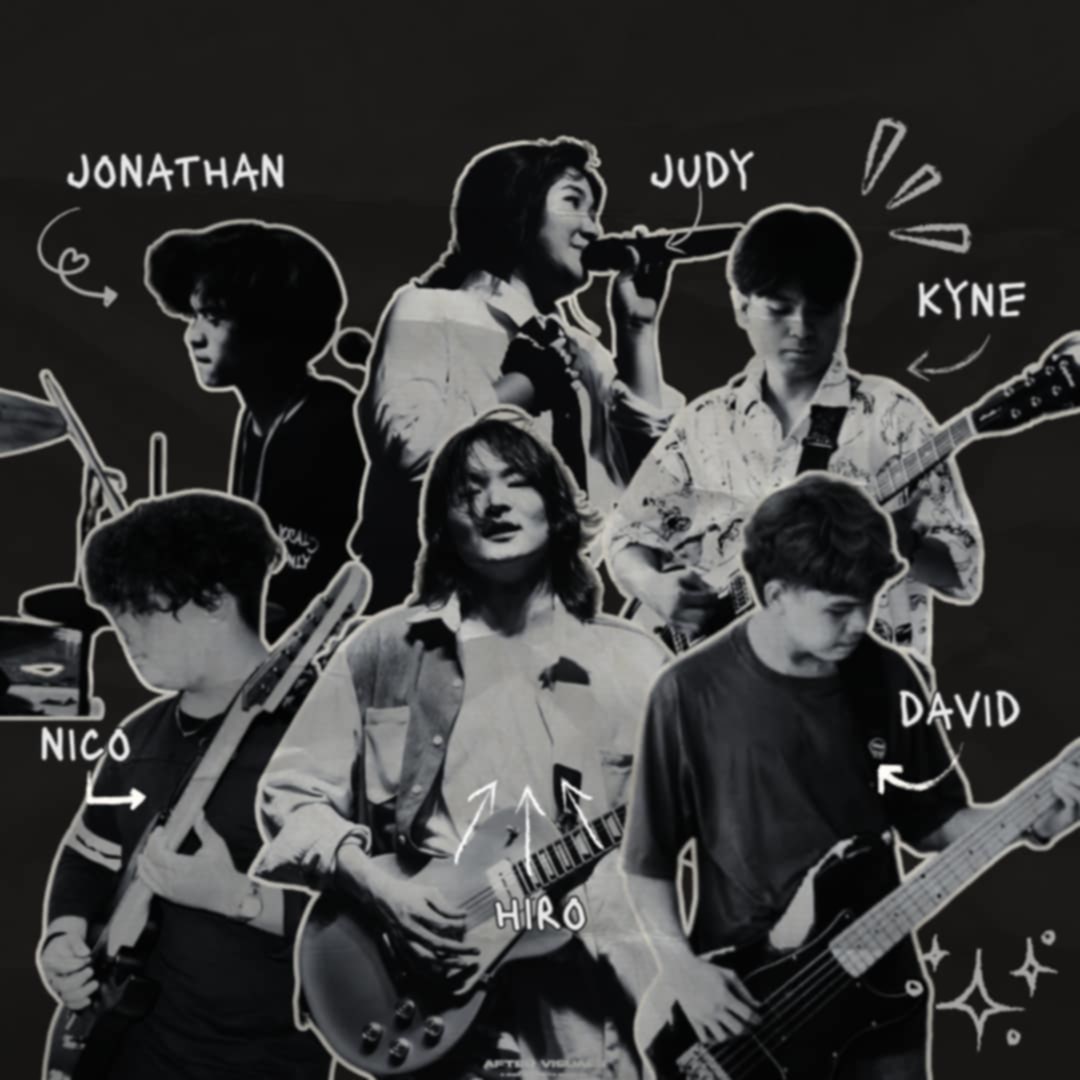
    It started with four names—Judy, Kyne, David, and Jonathan—representing their school in the Cluster Finals of a Battle of the Bands. What began as a one-time school gig quickly grew into something more. After the competition, the group realized they shared the same fiery passion for music. The spark was too strong to ignore, and so, they continued their journey outside of school walls.

    That spark soon had a name: YUGEN.

    “At first, trip lang talaga,” they shared. Each member threw in a word they felt connected to, spun a roulette, and landed on YUGEN. What was once a random pick eventually grew to represent their identity—the name that ignited their burning passion for music and performance.

    The original lineup featured Judy on vocals, Nico and Kyne on guitars, David on bass, and Jonathan on drums. But recently, they welcomed a new member: Hiro Ozaki, who adds not only his guitar skills but also takes part in music production. “Yes, six na kami!” they said with joy. Nico, described by the group as “the brain of the band,” plays a crucial role in songwriting and arranging their music.

    YUGEN’s sound has evolved over time. They started off heavily influenced by nu metal and alternative rock, with traces of rap metal in their early days. Now, they’re entering a new era, embracing an emo pop punk sound reminiscent of the 2000s to 2010s. Influences range from local legends like Slapshock, Talata, Kamikazee, and Even to international icons such as Rage Against the Machine.

    When it comes to writing music, Nico explains:
    “Usually yung mga story lang din ng friend ko nagiging inspiration ko para sumulat, pero sometimes meron din ako naisusulat na story ko yung topic.”

    Their lyrics often delve into one universal experience: heartbreak—in all its forms. One of their most heartfelt songs, Paglisan, tells a deeply personal story.

    “Itong Paglisan kase is about talaga sya sa tito ko, kase yung tita ko non ay pumanaw at nakita ko kung paano nalungkot yung tito ko kaya ko sya sinulat, pero ang intindi ng mga tao don is about sa mga na ghost so I think it’s a song para sa kanila (mga na ghost).” – Nico

    Among all their tracks, “Paglisan” holds a special place. It was the band’s debut release—the moment they all realized this wasn’t just a hobby anymore. It was the beginning of something real.

    Two performances stand out in YUGEN’s journey so far. The first was their gig at Takeover Lounge, where they opened for Lily—a band they admired for years. “It feels surreal,” they said, recalling the moment. The second was their first performance at Sta. Maria Town Fiesta, where they received overwhelming support from a massive crowd. It was a turning point, marking the start of their growing fanbase.

    Despite being from Bulacan, the band faces challenges unique to indie artists outside the metro. “Pamasahe,” they joked, but then shared the real struggle—limited venues and fewer production opportunities. Still, they remain grateful to the producers and supporters keeping the scene alive in Bulacan.

    In terms of collaboration, the group stays tight. “We always ask each other ng ‘Ano sa tingin mo?’, ‘Okay ba sa’yo ito?’” Their synergy minimizes creative clashes, proving that communication and shared vision fuel their momentum.

    So how does YUGEN want to connect with listeners, especially the youth?

    “We wanted to be there for them. Gusto namin na even if masaya sila or malungkot, they will still listen to our songs… Gusto namin silang samahan through our music.”

    And as for the local music scene?

    “It’s improving,” they say. “Sobrang diverse na ng music scene dito sa’tin and we love to see it.”

    Looking ahead, fans can expect a new sound as YUGEN embraces a fresh chapter. “Nasa process kami ngayon ng pagpapalit ng era (parang butterfly lang),” they teased. While no exact release date is set, new songs are on the horizon.

    To their supporters, YUGEN sends their love and gratitude:

    “Salamat sa pag support sa banda namin at asahan nyong patuloy kaming maglalabas ng mga musika para sa inyo!” – David
    “Maraming salamat sa mga nakikig at sumusuporta samin sana patuloy nyo kaming supportahan pangako na gagalingan pa namin at mas mag- iimprove para sa inyo! Mahal namin kayo!!” – Jonathan
    “Sobrang thankful kami sa inyo. Kayo yung dahilan kung bakit kami naggrow at kung bakit we still have this burning passion. Mahal namin kayo!” – Judy


    YUGEN is just getting started. With a name born from spontaneity and a sound forged in emotional truth, this Bulacan-based band is ready to carry the emo pop punk torch for a new generation.

  • Why Content and Marketing Matter for Indie Bands (And How to Get It Right)

    Why Content and Marketing Matter for Indie Bands (And How to Get It Right)

    The dream of making it big in music isn’t dead—it’s just changed. Gone are the days when indie bands waited for a label to “discover” them. Today, you can build your audience from scratch, grow a loyal fanbase, and get noticed, all from your bedroom or practice studio. But here’s the hard truth: great music is no longer enough. Without strong content and consistent marketing, even the best songs might never reach the ears they deserve.

    If you’re a startup indie band or a group that’s been grinding for years with little traction, it’s time to treat your music like a brand. This article breaks down why content and marketing are non-negotiable, what you need to start, how to target your audience, and what role streaming platforms play in your growth.


    Why Content is King (Even for Indie Bands)

    In a world where attention is currency, content is your way of getting paid. Whether you’re sharing behind-the-scenes rehearsal videos, gig posters, lyric snippets, or fan shout-outs, your content becomes your voice when you’re not performing live.

    Think of your favorite artists—they post consistently, engage fans, and create stories around their music. Your audience isn’t just looking for a song; they’re looking for a connection. Regular content gives your band visibility, shows your personality, and creates a reason for people to care about you.


    Marketing Isn’t Selling Out—It’s Surviving

    Some indie bands shy away from marketing, afraid it means “selling out.” But marketing isn’t about chasing trends or becoming something you’re not. It’s about finding the people who already want your sound and showing up in their world.

    Marketing is simply storytelling with a strategy. And when done right, it allows you to:

    • Grow your fanbase organically
    • Get booked for gigs and festivals
    • Drive streams and merch sales
    • Create partnerships and collaborations

    Without marketing, your music is just floating in a sea of content. With it, you become a signal in the noise.


    Essentials Every Indie Band Needs to Get Started

    If you’re just starting—or trying to get back on track—here are the bare essentials you need:

    1. A Brand Identity
    Who are you? What’s your message? What do you stand for? A clear identity makes it easier for people to relate to your music. It includes:

    • Your band name and logo
    • A consistent visual style (colors, fonts, photo treatments)
    • A short, engaging bio
    • A band photo and press kit

    2. Social Media Presence
    Choose 2-3 platforms (Instagram, Facebook, TikTok, or YouTube) and show up consistently. Each platform serves a different type of content:

    • Instagram: Polished photos, stories, and reels
    • Facebook: Events, long posts, fan groups
    • TikTok: Viral short-form content, trends, song snippets
    • YouTube: Music videos, live sessions, vlogs

    3. Streaming Profiles
    Set up your artist profile on Spotify for Artists, Apple Music for Artists, YouTube Music, and Bandcamp. Upload high-quality recordings with good cover art. Don’t leave your “About” sections empty—these matter to new fans and curators.

    4. A Website or Link Hub
    Create a simple website or use tools like Linktree to centralize everything: your music, bio, social links, press features, and contact info. Make it easy for people to find and support you.

    5. Consistent Content Calendar
    Plan your content weekly or monthly. This can include:

    • Throwback posts or origin stories
    • BTS rehearsals or songwriting clips
    • Gig announcements and posters
    • Fan interactions and shoutouts
    • Song lyrics or meanings

    How to Find and Target Your Audience

    You don’t need everyone to love you—you just need your people.

    Start by identifying your “ideal fan.” Think about:

    • What genres they listen to
    • What social media platforms they use
    • What artists they already follow
    • What they do in their free time (are they gamers, skaters, students, etc.)

    Then ask yourself: where are these people hanging out online? Go there. Engage in niche communities. Comment on similar artist pages. Run small social ads targeting people who like artists with a similar sound.

    Pro tip: Use Spotify’s “Fans Also Like” section to discover bands that share your audience. Check out their fan engagement and learn from what’s working.


    Why Streaming Platforms Matter More Than Ever

    Let’s be real: streaming doesn’t pay much per stream. But it does pay in exposure. When used strategically, platforms like Spotify, YouTube, and TikTok can be massive launchpads.

    Here’s how to use them better:

    1. Pitch Your Songs
    Before releasing a track, submit it to Spotify’s editorial team using Spotify for Artists. Aim for at least 2-3 weeks before your release.

    2. Curate Your Own Playlists
    Start your own playlists with your songs and tracks from similar artists. Share them on your socials to build discoverability.

    3. Leverage TikTok and Reels
    Create short videos using your own songs. Encourage fans to use your sound. Even 10 seconds of the right hook can go viral.

    4. Collaborate with Creators
    Partner with vloggers, dancers, or niche influencers who align with your vibe. Let them use your music in their content.


    Adding More Value: Community > Virality

    It’s easy to get caught up chasing viral moments. But lasting success comes from community, not clicks.

    Start by engaging with every single fan who comments, likes, or shares. Thank them, ask them questions, and involve them in your journey. Make them feel like they’re part of the band’s story.

    Also, consider starting a mailing list or private group chat. These tools let you own your fan relationships without relying too much on algorithms.

    Final Thoughts: You’re Not Just a Band, You’re a Brand

    Music is your product, but your brand is the experience you create around it. That includes your visuals, your voice, your stories, and how you show up online.

    It doesn’t matter if you’re a brand-new indie band or one that’s been around for years. It’s never too early—or too late—to start building your presence. And in today’s music industry, your success is directly tied to how well you market your message.

    Start simple. Be consistent. Stay human. And remember: the goal isn’t to be famous overnight. It’s to build something real, one fan at a time.


    Need Help with Content or Marketing?

    If you’re feeling overwhelmed or unsure where to begin, ExcapeLabs is here to help.

    We specialize in content creation and music marketing tailored for indie artists and bands. Whether you need social media content, artist branding, streaming platform support, or a full-blown campaign—we can work with you to bring your music to the audience it deserves.

    From planning your content calendar to promoting your next single or gig, we’re your creative partners in growth.

    Let’s build your sound and story together.

    Follow us at [@excapelabs] or send us a message to get started.

  • LC Studio: From Backyard Jams to Big-Time Gigs — The Story of True Grit and Good Music

    LC Studio: From Backyard Jams to Big-Time Gigs — The Story of True Grit and Good Music

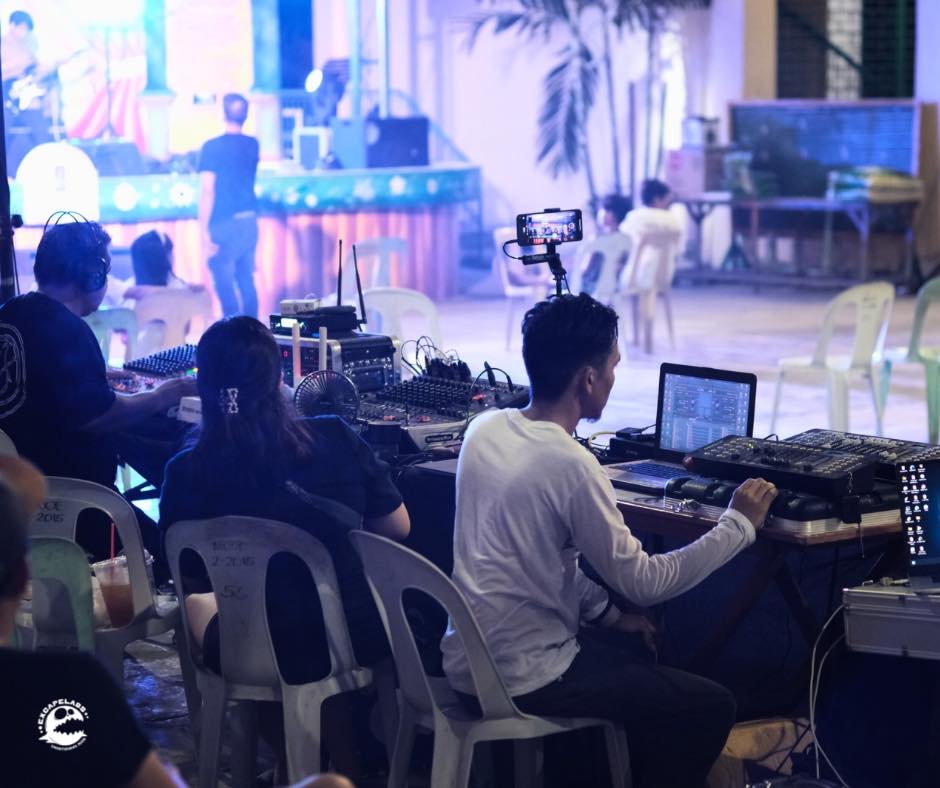
    In an industry where studios pop up and fade away like trending sounds on TikTok, LC Studio stands as a reminder that passion, persistence, and a love for community can make a legacy. What started as a dream to survive and support a family using music know-how has grown into one of Sta. Maria’s most respected grassroots music studios.

    How It All Started
    Behind the initials “LC” are Lui and Cathy—names not just etched in the brand but in every mic check, every jam session, and every community event LC Studio has powered through.

    “Nabuo ang LCstudio sa pagkagusto kong maisurvive ang binuo kong pamilya sa paraan ng kaalaman ko sa Music Industry,” says founder Lui. But survival turned into purpose with the help of close friends who believed in him—Russel Fadrigore, best friend John Michael “KUMAGCOW” Bueno, and Mama Watut Reynaldo “BALOT” M. Ignacio. With their financial support, LC Studio was reborn and rebooted from the ashes of earlier ventures.

    Before LC Studio became the name locals recognize, it went through phases—LSJ (Likod Simbahan Jammers) in 2000 and later, KSJ (Ka Steve Jammers) in 2005. But even before the rebrands, back in 1995, it all started with band equipment pooled by high school classmates from St. Paul Bocaue.

    Family, Friends, and Foundations
    LC Studio isn’t just Lui’s passion project—it’s a community movement. One of the earliest collaborators was his cousin “Jtech” Pacifico Catipon Jr., who taught him about sound systems. Their garage jam space slowly turned into a haven for local musicians from schools like STI, ICI, Sacred Heart, Early Christian, Shekina, and more.

    “Hanggang nakita ng ibang tumutugtog kung pwede daw makipractice. Kaya hayun, simula noon tumulong na rin kami sa mga walang mapagpractisan na mga banda,” he shares.

    Music with a Mission
    Long before the studio was a business, it was a mission. Lui, a percussion section leader from Banda85, had been teaching kids how to read notes and play in bands. Music became his tool to steer the youth away from vices and into discipline and opportunity.

    “Ako tinuruan ako dati at alam kong nakatulong sa pagkatao ko kaya gusto kong ipamahagi din nalalaman ko. Dahil yan kay Maestro Marcel Anareta,” he says, crediting his mentor.

    First Events, First Challenges
    The early years of LC Studio weren’t without hurdles. The biggest one? Equipment and debt.

    “Ang pinaka-challenge nyan yung kung paano mo makukumpleto ang mga band equipments at paano ka makakabayad sa pagkakautang mo,” he says. But faith, loyalty, and trust pushed them forward. Some of those early loans? Still unpaid—but out of friendship and gratitude, his supporters have long moved on.

    The first official LC Studio project was a Thanksgiving Battle of the Bands event. It came after a motorcycle accident that nearly derailed Lui’s plans. That event wasn’t just about music—it was about awareness.

    “Gusto ko kasi sabihin sa kanila kahalagahan ng helmet kapag nag momotor ka lang. Awareness ng huwag maging Oscar o kamote sa daan,” he says, laughing.

    The prize? A bottle of long neck gin. But the crowd? Massive. The passion? Unmatched.

    Sleepless Nights, Priceless Memories
    Some of LC Studio’s most unforgettable moments happened during events that ran through the night. One time, they featured 30 bands in one event. “Nakatulog kami sa stage para makapahinga konti ang mga team namin,” he recalls. It was exhausting, but it was also everything they stood for—community, hard work, and love for music.

    From Humble Gears to Big-Time Stages
    Lui proudly shares how even though they started small, some of their equipment has been used by known musicians. And now in 2025, after years of slow but steady upgrades, LC Studio can finally mount a full concert with their gear.

    “Di na rin ako makapaniwala na marami-rami na pala akong naipundar na gamit,” he says. What used to be borrowed and pieced together is now a legitimate set-up ready for serious productions.

    LC Feels and Bloopers
    What makes LC Studio stand out isn’t just the service—it’s the vibe. On YouTube, you’ll find videos of their events where they playfully prank clients and guests with sudden music drops or sound effects while waiting for the program to start. “Sa kaboringan ng paghihintay, nagka-content ng mga pag gulat. Pinatutugtog namin ang ‘I Feel Good,’” he laughs.

    Giving Back, Staying Real
    LC Studio’s reputation wasn’t built on just pricing or tech—it was built on heart. They started by helping and sometimes still offer charity services to clients who are respectful and sincere. “Minsan, nag-sponsor pa kami,” he says. For Lui, it’s not always about profit—it’s about purpose.

    What’s New and What’s Next
    LC Studio now offers recording services for solo artists and full bands—possibly the most affordable in town, Lui proudly says. They continue to teach, guide, and provide a space for growth.

    Looking ahead, the goal is simple: expand the circle. “Marami pa ring makahalubilo na mga tao para sa karagdagang connections at mga tunay na naniniwala sa kakayahan namin,” he says.

    One exciting partnership is with Cre8 Music and Cre8 TV, led by Bokalistang Pakalat Kalat (Benedict of ForSomeReason). This collaboration promises new productions, free jam sessions, and the annual Dec 30 year-end Thanksgiving gig that’s become tradition.

    The Secret to Standing Out
    With so many creative studios out there, how does LC Studio stay relevant?

    “Same good quality service at madali at totoo tayong kausap,” Lui says without hesitation. Authenticity, reliability, and heart have always been their brand.

    Advice to Aspiring Creatives
    For those dreaming of entering the creative or music industry, Lui offers simple but powerful advice:

    “Maging masaya ka sa papasukin mong larangan. Isipin lagi na maging totoo, makatulong, at positive lang lagi para maging productive. 💯 Pure happiness ang dapat maibigay mo sa client dahil yan ang purpose natin. Mahalin mo lang trabaho mo.”

    And just like that, LC Studio isn’t just a name—it’s a feeling. A culture. A rhythm that started in Sta. Maria and now echoes louder than ever.