Category: Creatives

  • Jemson Cayetano and the Strength of Refusing to Kill: Inside Ang Hunyáng sa Daang Ginto

    Jemson Cayetano and the Strength of Refusing to Kill: Inside Ang Hunyáng sa Daang Ginto

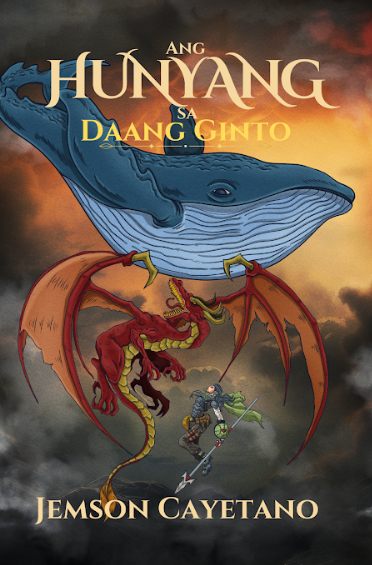
    Ang Hunyáng sa Daang Ginto (roughly, The Hunyáng on the Golden Road) is an epic fantasy novel by Filipino author Jemson Cayetano. It is set in Mu, an original world inspired by Philippine and other Asian mythologies. Its hero, Ilaya, is a Hunyáng, a person who can transform into any creature they have killed. Ilaya refuses to kill. So the only form she can take is a pigeon.

    That single idea carries the whole book, and it is why we wanted to talk to the person who wrote it.

    Excapelabs started as a home for the Philippine indie music scene. But our tagline is Unorthodox Mind, and that kind of mind is not limited to musicians. As we open our doors to creatives beyond music, Jemson’s book felt like the right story to tell.

    What is Ang Hunyáng sa Daang Ginto about?

    Ang Hunyáng sa Daang Ginto follows Ilaya, a young woman from Sanlipi, a nation the rest of her world tends to overlook. She is the first Hunyáng born among her people in a long time. Her mission takes her to the far-off kingdom of Hian, where she must face many stronger Hunyángs to win a single Hiling (Tagalog for wish) that could save her homeland.

    The obstacle is built into the premise. Every other Hunyáng can add a new form with each creature they kill. Ilaya, by choice, has only one.

    Jemson says that at its heart, the book is about “what it means to be strong without being powerful.” It also looks at what happens when a world’s systems are built on violence and one person refuses to take part.

    Who is Jemson Cayetano?

    Jemson Cayetano is a Filipino author and the writer of Ang Hunyáng sa Daang Ginto, the first book of a planned trilogy. Writing an epic fantasy novel had always been his dream, and he says he was simply waiting for the right idea to arrive. He is now writing the second installment.

    He calls himself a student of Pinoy comedy (Pinoy is the informal word Filipinos use for themselves). He also points to The Lord of the Rings and One Piece as proof that worldbuilding is what makes a story timeless.

    Where did the idea for the book come from?

    The idea came from one question. While watching an anime, Jemson wondered what would happen if a power usually given to villains belonged to the main character instead, or became the main power system of an entire world.

    He settled on shapeshifting, a classic trickster ability tied to characters like Loki and Mystique. From there, he started working out how it could become an intricate power system with its own rules.

    Jemson is open about the fact that the idea “didn’t start very deep.” What gives it weight is the rule attached to it. A Hunyáng gains a new form only by killing the creature first. That one rule turns a familiar villain trick into a moral problem, and it gives Ilaya the choice that defines her.

    What does the word Hunyáng mean?

    Hunyáng is a word Jemson invented. He built it from hunyango, the Tagalog word for chameleon, an animal people often link with shapeshifting and adaptation. Some readers assume the word comes from existing mythology, which says a lot about how naturally it fits the world of Mu.

    The word is more than a label for the hero. Jemson says it “represents the whole point of the story.” The book shows how the Hunyángs shape the reality of their world, and what happens when one of them refuses to gain power the way the others do.

    What questions does the book ask its readers?

    Jemson does not write to deliver a lesson. “I am not one to preach about values and ideals,” he says. What he wants is for readers to sit with the same questions he asks himself.

    Two of those questions run through the book: “How far can one go in pursuit of ambition or principles? How can we say it is okay to be ourselves if we are already bringing harm to others?”

    Ilaya’s refusal to kill puts both questions under pressure. Her principle keeps her small in a world built on violence, and her mission forces her to face Hunyángs far more powerful than she is. Jemson admits the book may not offer an answer that satisfies everyone. For him, getting a reader to ask the question at all is “more than worth the effort.”

    Which character means the most to him?

    Jemson loves his whole cast, especially the main group of Ilaya, Lam-Ang, Hendra, and Pei-Pei. But the character he singles out sits outside that group.

    Her name is Elda, and she is a side character. Jemson says he wrote her very carefully, and he describes her arc as “a beautifully haunting story” that still gives him chills.

    Elda did more than move him. She changed the book. Jemson adjusted the tone of the whole story to make sure he did her justice. That is a big change to make for someone outside the main cast. He hopes readers will love her story as much as he does.

    How did he build the world of Mu?

    Jemson calls building Mu the hardest part of writing the book. He wanted a world that feels alive, cohesive, and consistent.

    He holds a firm view on this, even knowing some authors may disagree. He believes epic fantasy asks a writer to commit 100% to a believable world. His reference points are The Lord of the Rings and One Piece, two stories he sees as timeless because of their worldbuilding.

    Mu draws on Philippine and other Asian mythologies, but Jemson stresses that it is entirely original. It holds places like Sanlipi, Ilaya’s overlooked homeland, and Hian, the far-off kingdom where her mission leads. The Hunyáng power system gives the world its rules: who can become what, and at what cost.

    For readers who know fantasy through Middle-earth or the Grand Line, Mu is built with that same ambition, drawn from Philippine and Asian myth.

    Where does the humor come from?

    An epic about violence and principle might sound heavy. Jemson balances it with humor.

    He says a writer’s observations shape the work more than most writers realize, from style and themes down to specific scenes. Comedy is his clearest example. As a self-proclaimed student of Pinoy comedy, he enjoyed writing funny scenes that Filipino readers will recognize from their daily lives, even though the story takes place in a different world and time period.

    For readers outside the Philippines, those scenes offer a look at everyday Filipino humor. For Filipino readers, they are the moments that make Mu feel close to home. The jokes sit beside the book’s heavier moments, and some readers have told Jemson they felt all kinds of emotions throughout the book and loved it for that.

    What was the road to readers like?

    Jemson describes his journey with the book as a roller coaster. He calls it the one story where he can honestly say he “spent all the creativity within my body.” So when it went unsold on several occasions, it hurt.

    He knew it would not be easy. What kept him going was readers. People came to him to say how much they enjoyed the book, and for him, that was enough.

    Now that more people have discovered Hunyáng, Jemson says he “really can’t ask for more.” He is happy, motivated, and already writing the second installment of the trilogy.

    His experience will sound familiar to independent creators anywhere, in books or in music. The work often comes long before the audience does, and the people who show up early are the ones who keep it alive.

    What does he want readers to remember?

    At the very least, Jemson wants readers to feel they have been part of a wonderful journey with the characters. He wants them to smile, cry, and even get annoyed when a character does something annoying.

    If they remember only one thing, he points to a mantra he always uses when he writes dedications:

    “Hindi man palaging ginto ang daang ating nilalakaran, ‘wag natin kalilimutan na ang pagiging mabuti ang pinakamagandang anyo.”

    In English, it reads roughly: even if the road we walk is not always golden, let us not forget that being good is the most beautiful form.

    The line echoes the golden road in the book’s title. It also uses the word anyo, meaning form, the same idea the Hunyáng power is built on. Of all the forms a Hunyáng can take, being good is the one Jemson most wants readers to keep.


    Where can you get Ang Hunyáng sa Daang Ginto?

    Print copies are sold on Lazada and Shopee in the Philippines, and there is also an ebook edition, which may be the easiest option for readers outside the Philippines. Jemson also takes pre-orders for signed copies. Every link is on his official Linktree, along with his Goodreads page for anyone who wants to leave a review.

    In the doc, “ebook edition” links to https://eightlettersbooks.gumroad.com/l/orogce and “his official Linktree” links to https://linktr.ee/Hunyang.Ilaya.

    A Note From Excapelabs

    If you are a creative outside music with a story to tell, our doors are open.

  • Behind the Song: “Insomniya” by Kenji Deadass

    Behind the Song: “Insomniya” by Kenji Deadass

    There are songs that make you feel good, and there are songs that make you feel. For me, Insomniya by Kenji Deadass falls into the second category. It’s not just a track I listen to—it’s one I feel in my chest. It’s one of those rare songs that seems to come from a place of raw honesty, like it was written at 2AM when the world is quiet and all you can hear are your own thoughts… and the echo of someone’s name in your head.

    I’m not a music critic. I’m just someone who loves music and the stories it tells. And Insomniya tells a story so many of us know all too well—the kind of love that keeps you up at night, not because you’re in love, but because you’re not sure if they are.

    When Love Turns Into Questions

    The song opens with the line, “Ganito na ba ang pag-ibig?”
    A simple question. But in that moment, it carries so much weight.

    It’s the kind of line you whisper to yourself after crying into your pillow, or after re-reading a message thread that suddenly went cold. It’s a question many of us ask when love stops feeling like a comfort and starts feeling like confusion.

    “Is this really what love is supposed to feel like?”
    “Is love supposed to leave me more sleepless than secure?”

    Kenji doesn’t scream these feelings at us—he whispers them, sings them gently, almost like he’s still trying to make sense of it himself. And that’s what makes the song hit differently. It feels real. Not overly polished. Not trying too hard. Just honest.

    “Nakuha ko lang ay insomniya”

    This line—“Nakuha ko lang ay insomniya”—might sound funny at first, like a punchline. But the more you sit with it, the more you realize how painful that truth is.

    You gave your all. You loved with everything. You stayed up late thinking of them, hoping they’d think of you too. But what you got in return? Sleepless nights. Doubt. Silence. Mixed signals. Or worse, the feeling that maybe you were never really in their heart at all.

    It’s the kind of lyric that sneaks up on you. The first time, you nod. The second time, it stings. The third time, you feel seen.

    Because who among us hasn’t experienced that kind of love? The one where you fall hard, hoping you’re not falling alone. The one where you overthink every message, replay every memory, searching for signs they might’ve felt the same.

    And in the silence of the night, the only thing that grows louder is your own overthinking.

    Holding Hands With Someone Who’s Already Let Go

    There’s a line in the song that absolutely broke me:
    “Hawak ang ‘yong kamay, ‘ket nararamdamang ‘di ‘to magiging tunay.”

    It’s such a quiet heartbreak. You’re still there. Still holding their hand. Still present. But deep down, you already know—this isn’t real. Not really. Maybe it once was. Maybe it never was. But now, you feel it slipping.

    And yet, you don’t let go.
    You keep giving. You keep hoping. You keep loving.

    This is what makes Insomniya so powerful. It’s not a song about dramatic heartbreak. It’s about quiet pain. The kind that doesn’t scream, but lingers. The kind that feels too familiar to ignore.

    It’s about unrequited love—not just the kind where they don’t love you back, but the kind where they kind of do… just not enough. Not in the way you need. Not in the way that lets you sleep peacefully at night.

    A Song for the Ones Who Love Too Much

    Insomniya isn’t about moving on. It’s not about empowerment. It’s not a love anthem or a heartbreak ballad in the traditional sense. It’s more like a diary entry from someone who’s still in it. Still loving. Still losing sleep. Still wondering.

    That’s what makes it so relatable.

    It’s for the people who give even when there’s nothing left to receive.
    It’s for those who stay up late for someone who sleeps soundly without them.
    It’s for the lovers who pour their hearts into someone who only gives them crumbs.

    And maybe that sounds sad—but sometimes, that kind of music is what helps you feel less alone. Sometimes, it’s comforting to know someone else gets it. That your pain isn’t just yours. That somewhere out there, someone wrote a song at 2AM because they couldn’t sleep either.

    No Flash, Just Feelings

    One thing I really appreciate about Kenji Deadass and this track is that it doesn’t try to be flashy. There’s no need for dramatic production or over-the-top vocals. The emotions do all the work.

    The stripped-down vibe lets the lyrics breathe, lets the pain sit with you. It’s that kind of track you play on loop when you don’t want advice—you just want company. You just want a song to say what you can’t.

    Music as a Mirror

    In the end, that’s what Insomniya is: a mirror.

    It shows us our own late-night feelings. The vulnerability we often hide. The questions we ask in silence. It doesn’t pretend to offer answers. It doesn’t try to wrap things up neatly. Instead, it just says, “Hey. I feel this too.”

    And that’s what makes it beautiful.

    Because sometimes, what we need most isn’t closure.
    It’s connection.


    Whether you’re going through a heartbreak, stuck in the uncertainty of “almost,” or just feeling a little too much for someone who doesn’t see you the same way—Insomniya is the kind of song that understands.

    Not because it has all the right words.
    But because it has all the right feelings.


    Kenji Deadass’ “Insomniya” is available on major streaming platforms.
    And if you’re like me—just a music lover trying to find the right song to match your 2AM thoughts—this one’s worth adding to your playlist.

    Let it play. Let it hurt. Let it heal.

  • Melissa Corpus: The Songwriter Who Chose to Stay

    Melissa Corpus: The Songwriter Who Chose to Stay

    In the unassuming town of Montalban, Rizal, a voice quietly rose during the stillness of the pandemic. A voice that doesn’t belt like the power divas of the ’90s, but one that speaks — sings — truths that are heartbreakingly familiar and unmistakably her own.

    Melissa Corpus isn’t here to chase the spotlight. She’s here to write about why it hurt, how it healed, and the people who stayed or left. A singer-songwriter who writes not with grand theatrics, but with memory, loss, and hope — all bundled in a melody that tends to arrive, as she puts it, “by download.”


    The Gift She Didn’t Ask For

    “I’m more of a lyricist,” Melissa shares, “since I don’t play any instruments. Pero siguro lucky lang ako na binigyan ako ni Lord ng ganitong gift. Kapag may lyrics, parang kasabay na yung melody. Hindi ko rin ma-explain. Basta dumadating.”

    A PWD artist with Bell’s Palsy since birth, Melissa’s introduction to music wasn’t through training or conservatories. It was home — her titas and cousins playing Whitney Houston and The Carpenters on early mornings, waking her up with melodies that would later define her foundations.

    “The first song I remember loving? Whitney’s ‘The Greatest Love of All’ and ‘Paraiso’ by Smokey Mountain. Hindi ko alam, pero may hugot na agad ‘yung batang ako dun.”


    A Pandemic Pivot

    While most people were trying to bake banana bread or survive their fourth Zoom meeting, Melissa opened a YouTube channel called PPF Live Sessions and started featuring musicians.

    “I remember one convo with a guest… napunta sa relationships. Then nalaman ko songwriter siya. Sabi ko, ‘Gawa ka nga ng song about sugal.’ Pero ako pala ‘yung nakasulat nung kanta — lyrics and melody. Tinulungan na lang ako sa arrangement.”

    That song became Susugal, her first official single. From there, the pen never stopped.


    Not Just a Phase

    It wasn’t all sunshine and claps.

    “May mga times talaga na gusto ko na bitawan. Kasi totoo naman — magastos, tapos minsan parang wala namang nakikinig. Yung tipong kami-kami lang din yung nanonood sa gigs ng isa’t isa. Nakaka-discourage talaga.”

    But she didn’t stop. Instead, she wrote Serye, an entire album that chronicled her grief, growth, and grounding — from heartbreak, losing her parents, to finally finding love.

    “If there’s one song that means a lot to me, it’s Huling Tagpo. Sinulat ko siya for my ex… pero eventually naging goodbye song ko na rin for my mom who passed away last 2023.”

    Her voice breaks a little. “Pero I’m also proud of Kapit Lang. Ang dami kong natanggap na messages na ‘yun daw ang tumawid sa kanila sa hirap. Sobrang buo na puso ko nun as a songwriter.”


    From Madhouse to Meaning

    Melissa got her start at Madhouse Music, the independent label founded by Rannie Raymundo.

    “Dun ako natutong sumulat nang mas maayos. Weekly may song prompts. Dapat laging handa. Seryoso kami pero masaya. Tapos may collabs din. Kapit Lang, Munting Hiling, Pag-amin — lahat ‘yan di ko magagawa kung wala sila.”

    She fondly recalls the moment Sir Rannie heard Ikaw ang Pinili, a waltz-style wedding song.

    “Nagustuhan niya. Doon niya ako pinasok sa label. Grabe ‘yung feeling.”

    Eventually, she moved on to Cre8Music Records, where she enjoys creative freedom and support. But she’s never forgotten where it all began.

    “Kahit hindi na ako palaging nakaka-attend ng ganaps, andyan pa rin sila. Kaya salamat sa inyo, Madhouse.”


    The Writing Room

    Melissa doesn’t have a studio. No fancy gear.

    “Phone lang. Pag may dumating na melody, record agad. Saka ko na lang buuin later. Usually, nauuna ‘yung chorus. Kung satisfied ako dun, saka ko inaayos ‘yung verse.”

    Sometimes, inspiration strikes from a friend’s demo (Tahanan was born after listening to Prinsesani’s song) or a K-drama (Hanggang Kailan Kita Hahanapin came from watching Stairway to Heaven).

    “I guess more than heartbreak, mas general life experience ang source ko. Pero mostly heartbreak pa rin, kasi yun ang dami kong pinagdaanan. Char!”

    Her tone is light, but you can hear the weight behind her laughter. She writes from wounds, but she doesn’t stay bleeding.


    The Real Indie Grind

    As an artist with no band, no manager, and limited resources, how do you promote your music?

    “Connect. Guest sa prod shows. Magpitch ng sarili. Kahit free exposure lang, G na. Lahat ng open mic, events, sinasalihan ko.”

    She also writes and creates graphics for Soundscape Music Review, proof that when you love something, you don’t wait for a perfect setup — you find your way in.

    “God placed me here for a reason. Kahit may disability, kahit di ako ganun ka-pogi or ka-ganda sa stage. Di dapat yun maging hadlang.”

    The biggest challenge? Getting your songs on mainstream radio without paying fees. And representation.

    “Sana mas inclusive sa mga events. Mas importante pa rin kung anong message ang dala ng kanta mo.”


    Words for the Dreamers

    To aspiring artists still unsure of their sound?

    “Wag mong kopyahin idol mo. Pede mong gawing inspiration, pero wag mong gayahin. Eventually, makikita mo rin ‘yung sarili mong tunog.”

    Melissa also emphasizes the value of community and feedback.

    “Minsan feeling mo okay na ‘yung gawa mo, pero pwede pa pala mas gumanda. Be open to feedback. Pero know your boundaries rin. You don’t have to change everything.”

    She encourages others to join workshops, open mics, competitions, and Facebook groups.

    “Expose your work. Paano ka makikilala kung nakatago lang yan sa baul?”


    What’s Next?

    Melissa dreams of collaborating with December Avenue, Ebe Dancel, and Moira Dela Torre for a cinematic sagutan song about exes getting a second chance.

    “Yung tipong hindi pa kayo ready dati, pero ngayon, pwede na ba?”

    She also wants to be remembered — not as someone with a disability, but as someone who wrote music that mattered.

    “I want to be remembered as the ‘Ate Mel’ of the indie scene. Yung tumulong. Yung nagbigay ng advice. Yung hindi naging madamot.”

    She’s already performed on WishBus for Ikaw ang Gabay, and hopes to return. Not for the clout, but for the message.

    “It’s not about perfection. It’s about the heart. Embracing what God gave you. Nurturing it. Kasi maigsi ang buhay. Gamitin natin sa bagay na may kabuluhan.”


    Where to Find Melissa

    Spotify: Melissa Corpus
    Facebook: Melissa Corpus Music
    Instagram: @melissacorpusmusic
    TikTok: @melissacorpusmusic


    Final Note from Melissa:

    “Thank you sa lahat. Sa Escapelabs, Miss Issa, Madhouse Music, and sa lahat ng taong naging parte ng journey ko. Hindi ako andito kung wala kayo.”

    With or without the stage lights, Melissa Corpus continues to show up — quietly, consistently, and with her whole heart. That’s not just music. That’s legacy.

  • Camaraderie (CMRD): Built by Bonds, Carried by Sound

    Camaraderie (CMRD): Built by Bonds, Carried by Sound

    In a music scene that constantly shifts between trends and aesthetics, Camaraderie (CMRD) stands their ground—not with gimmicks, but with stories. Real ones. The kind that stick. The kind you play on loop because somewhere between the lyrics and guitar lines, you find yourself.

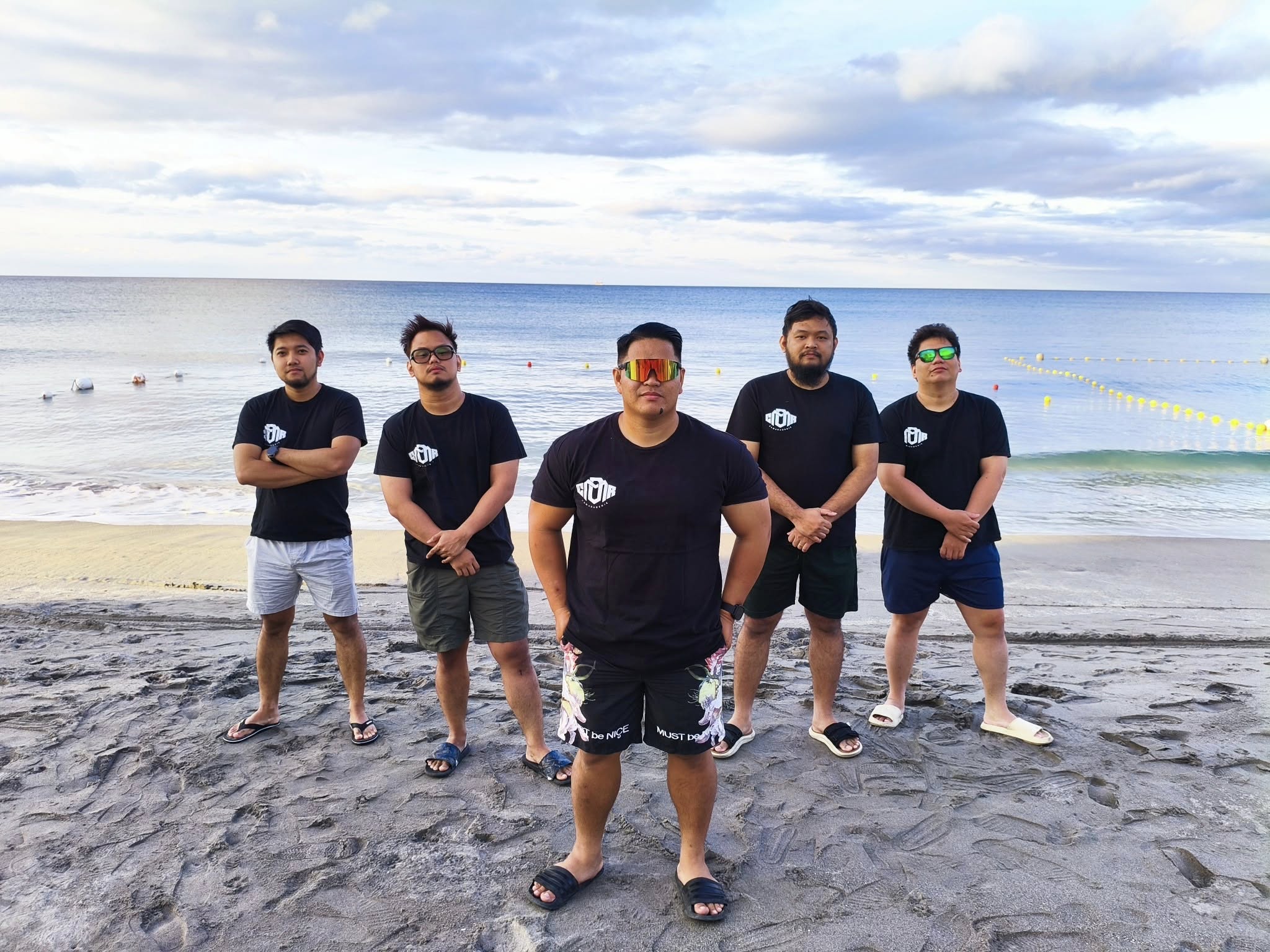
    Formed in 2018 by five college friends, Camaraderie (CMRD) wasn’t born out of a marketing strategy or social media campaign. It began the way most enduring bands do—through friendship. Back then, they called themselves Blue Liempo, jamming in school corridors, performing in events that didn’t have stages, and using whatever gear was available. But like their music, they evolved. The name Camaraderie, shortened as CMRD, came as they realized what they had was something more permanent. A name that mirrors the very foundation of their journey: connection, trust, and sticking it out no matter what.

    Since their debut, CMRD has steadily carved their space in the Filipino alternative rock scene. But this isn’t a band chasing virality. They’re not about the flash or the fast rise. What they chase instead is meaning—in melody, in memory, in moments that are often left unsaid. And that’s what makes them different.

     Filipino alternative rock

    From Campus Gigs to Soulful Singles

    Long before their songs hit streaming platforms, CMRD was just a bunch of students finding their rhythm—literally and figuratively. They started out playing school gigs, small-town festivals, and community events. The settings were modest, but the response was anything but. Audiences connected, not just because the music sounded good, but because it felt real.

    Then came 2018—the year it all officially began. Their first single, “Paalam,” dropped with a quiet kind of impact. It wasn’t flashy. It didn’t rely on trends. But it hit hard. The song spoke of letting go, of goodbye without closure, of partings that echo longer than expected. It resonated with everyone who’s ever had to walk away without the words to explain why.

    In 2019, “Hingalo” followed. This wasn’t a sequel—it was a progression. Where “Paalam” was about endings, “Hingalo” captured the suffocating feeling of trying to hold on. A quiet, internal struggle—the kind you carry alone. The band’s ability to write about emotional weight without turning dramatic is part of their signature. They lean into vulnerability but never make a spectacle of it. It’s subtle. Sincere. And that’s why it works.


    ERPAT: A Tribute That Hit Home

    Fast forward to 2024, and the band released one of their most personal works yet—“ERPAT.” In a time when love songs dominate playlists, “ERPAT” went a different route. It honored fathers. Not the cinematic kind with grand speeches, but the real ones—quiet, present, dependable.

    The track explores a kind of love that’s often unspoken. It doesn’t rely on dramatics or high-octane solos. Instead, it moves with intention. Like the men it celebrates, “ERPAT” is steady and grounded. The lyrics paint images of early mornings, silent sacrifices, and lessons learned through example, not lectures. It’s a thank-you wrapped in melody—one that many listeners didn’t realize they needed until they heard it.

    In interviews, the band speaks about “ERPAT” with a mix of pride and humility. “We wrote it for our dads,” they said. “But when it came out, we realized it was for everyone who had that kind of presence in their life. Or even those who didn’t—and wish they had.”


    No Filters, Just Feeling

    There’s a noticeable pattern in CMRD’s music: they don’t rush. They don’t put out singles just to stay relevant. Each release feels intentional, a reflection of a stage in their lives. For them, music isn’t content—it’s expression. And that shows.

    You won’t find oversaturated branding or calculated controversies in their timeline. What you’ll find is a group of artists who still rehearse like they’re playing their first gig, who still write lyrics in group chats, and who still believe that a single line in a song can change someone’s day.

    CMRD’s writing process isn’t about catching trends. It’s about catching truths. Real ones. Whether it’s the grief of goodbyes in “Paalam,” the weight of persistence in “Hingalo,” or the silent gratitude in “ERPAT,” each song comes from something lived.


    Friendship at the Core

    If you sit down with CMRD, you’ll quickly realize that the music is just one part of their story. Their bond—built on years of late-night rehearsals, shared meals, and life milestones—is what fuels everything else.

    They may have started as Blue Liempo, but what they became is Camaraderie in every sense of the word. It’s not just their name—it’s their way of life. They don’t just play music together; they’ve grown up together.

    And that growth isn’t always smooth. There were doubts. There were delays. There were years between releases. But through all of it, they stayed. The band’s journey mirrors what a lot of people go through—friend groups that become chosen families, creative pursuits that demand real sacrifices, and dreams that evolve as people do.

    Their success isn’t about streams or views, though those matter. It’s about staying grounded, about creating something worth sharing, about making people feel seen—even if just for the length of a song.


    What’s Next for CMRD?

    If the past few years have taught us anything, it’s that Camaraderie (CMRD) doesn’t move unless they mean it. So what’s next? Whatever it is, it’ll come from a real place.

    They’ve hinted at more releases, and maybe even a concept EP. But as always, they won’t put out anything unless it’s ready—not just sonically, but emotionally. That’s the bar they’ve set for themselves. And it’s high.

    In a landscape crowded with noise, Camaraderie (CMRD) chooses to be a voice. A familiar one. A comforting one. The kind that says, “We’ve been there, too.”

    Their songs are for the listeners who feel deeply but don’t always know how to say it. For the overthinkers, the quiet ones, the people who stay up late replaying memories. For those who understand that music doesn’t need to be loud to be powerful—it just needs to be true.


    Final Notes

    Camaraderie (CMRD) isn’t trying to change the world. But they are trying to tell their truth—and maybe help others feel a little more understood in the process.

    And sometimes, that’s exactly what the world needs.

  • Bulacan Sweets: Homegrown Music with Heart

    Bulacan Sweets: Homegrown Music with Heart

    Inside quiet bedrooms, echoey garages, and cramped home studios across Bulacan, music is being made. Not always with fancy equipment. Not always with the perfect take. But always with heart.

    That’s the spirit behind Bulacan Sweets, a curated Spotify playlist by Groovelabs Production that features original music by indie artists from Bulacan. It’s a collection of songs that sound like home, but also like survival—proof that even in the messiness of everyday life, creativity finds a way.

    This playlist isn’t about hype. It’s about heart. It’s about giving space to artists who are often overlooked by mainstream platforms. It’s a local love letter—one song at a time.

    Listen to the playlist here:

    Beyond the Music: The Stories You Don’t See

    The music industry, even at the local level, can be unforgiving. Behind every release are hours of unpaid labor. Behind every “like” is a musician wondering if they’re good enough. Mental health struggles are quietly carried like extra gear bags—heavier than most people realize.

    Excapelabs recently released a feature titled “The Silent Struggle: What You Don’t See Behind the Stage,” and it struck a chord. It reminded people that even the most upbeat tracks may come from moments of pain, pressure, or exhaustion.

    For many indie artists, music isn’t just passion—it’s how they cope. How they express what can’t be said in everyday conversation. How they stay afloat mentally and emotionally when life gets loud, complicated, or lonely.

    Bulacan Sweets was built with that understanding. It’s not about polished perfection. It’s about real stories, real effort, and real people.


    Why Regional Playlists Like This Matter

    In a digital world run by algorithms, it’s easy for independent artists to fall through the cracks—especially those not based in major cities. While some artists may find success online, many more are still trying to be heard, one link at a time.

    That’s where curated, community-driven playlists like Bulacan Sweets come in.

    This playlist serves a deeper purpose than just discovery—it fosters a sense of belonging. It shows artists that their sound matters, even if they’re recording on secondhand mics or mixing between shifts at work. It tells them, “We see you.”

    Bulacan Sweets doesn’t just promote songs. It builds a local ecosystem—where creatives can find each other, support each other, and lift each other up.


    Open Call: Be Part of the Next Wave

    If you’re an independent artist from Bulacan—or nearby—and you’re writing music that speaks to something real, this is your sign.

    Groovelabs is opening slots for the next round of featured artists on the playlist. Whether your track is upbeat or introspective, folk or experimental, if it carries your voice and your truth, it deserves to be heard.

    How to join:

    • Step 1: Send a DM to @groovelabsproduction
    • Step 2: Include your Spotify track link and a short intro about you or your band
    • Step 3: Tell us the story behind your song—we want to know the “why” behind the sound

    Selected songs will be featured on the Bulacan Sweets playlist and promoted across Groovelabs’ social platforms. Some artists may also get the opportunity to be featured in upcoming blog posts or interviews.


    Adding Value Through Community and Collaboration

    What makes Excapelabs different is the focus on artist-first storytelling. Through playlists, interviews, and emotionally honest content, they create not just platforms, but communities.

    They understand that behind every artist is more than just a skill set—there’s often a hidden struggle: with mental health, with self-worth, with creative burnout. They’re not here to gatekeep or compete. They’re here to build.

    And when they say they support indie artists, they mean it. From crafting thoughtful captions to resharing fan-made content, every detail is handled with care.

    You’re not just added to a playlist—you’re welcomed into a growing creative movement.


    Artists, Fans, and Friends—This Is Your Moment

    Are you a band? A solo artist? A fan? A friend?

    If you know someone making beautiful, honest music in the corners of Bulacan—or if you are that person—don’t keep it a secret. This is your moment.

    Groovelabs is calling for submissions for the next featured artist on Bulacan Sweets.
    Not only will your music be added to the playlist—you’ll also have the chance to be featured on Excapelabs’ website.
    Want to support your favorite artist? Like and share the playlist. Comment. Tag them. Vote for who you want to see next. Every interaction helps us amplify local voices.

  • Sounds from the North: How the Indie Music Scene in Bulacan Is Finding Its Voice

    Sounds from the North: How the Indie Music Scene in Bulacan Is Finding Its Voice


    Introduction

    From the quiet suburbs of Malolos to the busy streets of Meycauayan, something powerful is rising—and no, it’s not another mall or highway project. It’s the indie music scene in Bulacan, and it’s louder, bolder, and more passionate than ever.

    Fueled by late-night jam sessions, DIY recordings, and a genuine love for music, this growing community of musicians, creatives, and fans is proving that great music doesn’t need to come from big cities or fancy studios. It just needs heart—and Bulacan has plenty of that.

    Whether you’re an indie artist looking for your next collab, a music lover craving raw sound, or a production team hoping to support the underground, this article is for you.


    A Scene Rooted in Grit and Creativity

    The indie music scene in Bulacan is not about fame or polished perfection. It’s about emotion, storytelling, and connection. Many musicians start with little more than a laptop, a second-hand guitar, and a dream. Some record in their bedrooms, while others transform small garages or sari-sari stores into makeshift jam spaces.

    It’s this “bahala na” but “tuloy pa rin” energy that defines Bulacan’s music culture. With limited access to professional studios or management, musicians learn to become their own producers, promoters, and social media managers. It’s tough—but it builds resilience and a deep love for the craft.


    The Real Challenges Behind the Music

    For all its talent and potential, the indie music scene in Bulacan faces some very real hurdles:

    1. Limited Gig Venues

    Unlike Metro Manila where bars, cafes, and art spaces regularly host live music, Bulacan’s options are few and far between. Most gigs are held in community spaces, borrowed event halls, or repurposed cafés. While these venues create intimate experiences, they can only support a small audience.

    2. Lack of Funding and Sponsorship

    A huge challenge is financial support. Artists often shoulder everything—from instrument repairs to transportation costs—just to play a 30-minute set. Production teams also struggle to fund shows, relying heavily on donations or small ticket sales.

    3. Visibility and Exposure

    Many artists from Bulacan struggle to gain online traction, especially when competing with Metro Manila’s more connected scenes. Without strong social media strategies or playlist placements, great music can go unheard.


    The DIY Spirit: How Bulakenyos Push Through

    But here’s the good part—despite the challenges, Bulacan musicians don’t stop.

    Local music collectives, school-based bands, and grassroots production teams have been stepping up to organize their own shows. Backyard gigs, community festivals, and online concerts have become platforms for discovery. More artists are releasing singles and EPs on platforms like Spotify, YouTube, and SoundCloud—on their own terms.

    The pandemic, while tough, also opened new doors. Artists leaned into online content, home recordings, and virtual collabs to stay connected. Now, with live gigs slowly coming back, there’s a renewed hunger to build something lasting.


    How Local Productions and Fans Can Help

    The growth of the indie music scene in Bulacan isn’t just the artists’ responsibility—it takes a village. Whether you’re a fan, business owner, or part of a creative team, you can help the scene thrive.

    👥 Support Local Gigs

    If there’s a small gig in your barangay, go. Bring friends. Buy a drink or some merch. Your attendance tells organizers and venues that there is a market for local music.

    📣 Promote Indie Artists

    Share their songs on your stories. Add their tracks to your playlists. Tag them in your posts. Every bit of digital support helps artists reach new listeners.

    🎥 Collaborate Creatively

    Are you a videographer, writer, or graphic artist? Partner with a band to shoot a music video, design posters, or help with branding. These small acts can lead to big breakthroughs.

    💰 Sponsor or Donate

    Small businesses in Bulacan can play a huge role. Sponsor an indie event, donate food or drinks, or help provide equipment. It’s a win-win: you support culture, and you gain exposure.


    Help Us Tell the Story

    There are countless untold stories in the indie music scene in Bulacan—and we want to help share them.

    🎙️ Do you know a local music production supporting indie artists in Bulacan? Let us know—we’d love to feature them.

    🎧 Are you part of a band, collective, or creative group working on something exciting? We’re looking for stories, events, and new releases to promote.

    📩 Send us a message or tag us online. Let’s build a stronger, louder, and more connected music community—together.


    Why This Scene Matters

    It’s easy to overlook Bulacan when talking about OPM or the country’s indie music landscape. But if you listen closely, you’ll hear a new sound coming from the north—diverse, emotional, and proudly homegrown.

    The indie music scene in Bulacan is a reminder that real music doesn’t need flashing lights or huge stages. It just needs people who care enough to keep creating, supporting, and showing up.

    So if you’ve been waiting for a sign to start that band, release that demo, or organize that gig—this is it.


    Final Thoughts: From Soundwaves to Solidarity

    What’s happening in Bulacan right now isn’t just a trend—it’s a movement. And like all great scenes, it starts with community. Artists finding their voice. Fans finding their favorites. Productions finding their purpose.

    If you’re from Bulacan, you’re already part of this story. So let’s write it together—loud, proud, and unapologetically indie.

  • Through Her Eyes: Watching a Single Mom With ADHD, Bipolar Tendencies, and Impostor Syndrome Try to Stay Afloat

    Through Her Eyes: Watching a Single Mom With ADHD, Bipolar Tendencies, and Impostor Syndrome Try to Stay Afloat

    At first glance, Mia looked like she had it under control.

    She was 34, sharp-witted, and resourceful—always with her laptop open, coffee in hand, and a dozen mental tabs running all at once. To her colleagues, she was “resilient,” “strong,” even “a supermom.” But if you paid attention—really paid attention—you’d see something else in her quiet moments: grief, exhaustion, and a constant battle in her eyes.

    Mia was a single mom. But her kids didn’t live with her right now.

    They were with her ex-partner, a man she had built a life with for eight years—until she discovered the betrayal that shattered everything. The cheating, the gaslighting, the emotional chaos. Mia left to protect herself, but in doing so, made the heart-wrenching decision to let the kids stay with their father temporarily.

    Not because she didn’t love them—she loved them so fiercely it ached—but because she was terrified of breaking them.

    She was afraid her ADHD, her emotional swings, her moments of shutdown would ripple into their young lives. So she worked on herself first. Alone. Quietly. Often painfully.


    Living with ADHD in the Workplace

    Mia had always been described as “too much.” Too energetic, too talkative, too sensitive. But she only got her ADHD diagnosis at 31—long after years of burning out in every job, relationship, and project she touched.

    Her days were a whirlwind of hyperfocus and forgetfulness. She could plan an entire launch in one sitting, yet forget a meeting five minutes after writing it down. She thrived under pressure but crumbled under routine. Admin work felt like drowning in wet sand.

    She wasn’t lazy. She wasn’t careless. She just had a brain that danced differently.

    But try explaining that to a world that praised grind culture and penalized pauses.


    Bipolar Tendencies and Emotional Whiplash

    Mia wasn’t diagnosed with full-blown bipolar disorder, but her moods shifted like weather fronts.

    There were days she felt electric—full of ideas, making plans, sending out pitches at 3AM with unstoppable fire. But those highs never lasted. Eventually, the fog rolled in. Days when she couldn’t get out of bed. When she stared at the ceiling for hours wondering if her life had already peaked.

    The emotional pendulum made relationships difficult, work unpredictable, and self-trust almost impossible.

    When she was up, she feared the crash. When she was down, she doubted she’d ever rise again.


    The Weight of Impostor Syndrome

    Despite her talents, Mia never felt like she belonged in the rooms she entered.

    She would ace presentations, close projects, even earn client praise—but deep inside, a voice always whispered, “They’re going to find out you’re not actually good enough.”

    That voice, fed by years of masking her ADHD and enduring gaslighting in her relationship, became her internal compass. She second-guessed every decision. She apologized too much. She’d freeze when asked for her opinion in meetings, fearing she’d sound “crazy” or “unprofessional.”

    Impostor syndrome wasn’t just a fleeting doubt—it was the lens through which she saw her entire life.


    Relationship Anxiety and Emotional Trauma

    Mia hadn’t dated since the breakup. It wasn’t that she didn’t want love—it was that love terrified her now.

    Eight years with someone who lied, cheated, and manipulated her left scars. Her anxious attachment—already heightened by ADHD—turned into hypervigilance. She’d overanalyze text messages, panic if someone she liked pulled away, and feel guilty for wanting closeness.

    In quiet moments, she’d replay her old relationship like a movie reel, trying to find where she went wrong. She worried she’d never be able to trust again—or worse, that her kids would absorb her brokenness.

    So she chose distance—for now. Healing became her only relationship.


    Financial Anxiety and the ADHD Money Spiral

    Mia made enough to survive—but not much more. Freelance gigs, part-time contracts, a few consulting projects. But managing money with ADHD was its own nightmare.

    Budgeting felt impossible. Paying bills on time took Herculean effort. She’d either obsessively track every cent or ignore her finances entirely for weeks. During her “up” phases, she spent impulsively—retail therapy disguised as self-care. During the lows, she felt guilty for buying groceries.

    Every financial decision came with shame, fear, and the haunting pressure of being a mother—even if her kids weren’t with her at the moment.


    The Hard Work of Healing

    What most people didn’t see was how hard Mia worked just to keep moving forward.

    She was in therapy—every other Friday. Her therapist helped her untangle the self-blame, build better routines, and understand her wiring. She tried meds. It took months to get the dosage right, but it helped soften the extremes.

    She journaled. Not for aesthetics, but survival. She used apps that broke down tasks into smaller steps. She left Post-its everywhere. She built “transition time” into her day, knowing her brain needed space between activities.

    She created new routines, not perfect ones. Her mornings were slow, her evenings quieter. She practiced forgiving herself when she messed up—a task far harder than any spreadsheet or deadline.

    And most of all, she kept showing up.

    For herself. For the hope of being whole. For her kids.


    A Different Kind of Strength

    Mia might not fit the mold of the “strong single mom” social media idolizes. She wasn’t doing it all. She wasn’t always okay. But she was learning to live honestly—with her limitations, her patterns, and her potential.

    That kind of strength—the quiet, gritty kind—is harder to see, but infinitely more powerful.

    She still cried sometimes when she heard her children’s voices on the phone. She still panicked when a client email went unanswered. She still had days when her apartment was a mess and her thoughts even messier.

    But she was alive. She was healing. And that counted.


    Why Telling Mia’s Story Matters

    There are so many women like Mia.

    Smart, talented, emotionally complex—juggling ADHD, bipolar tendencies, impostor syndrome, broken hearts, and motherhood. Living between chaos and calm. Doing the work behind closed doors while pretending everything’s fine.

    Their stories deserve to be told. Not for sympathy, but for truth. For awareness. For others to see themselves and know they’re not broken, just built differently.

    Healing doesn’t always look like a makeover or a breakthrough. Sometimes, it looks like waking up, drinking coffee, and showing up to the day with your whole messy self.

    That’s Mia’s story—and maybe yours too.

  • Why Content and Marketing Matter for Indie Bands (And How to Get It Right)

    Why Content and Marketing Matter for Indie Bands (And How to Get It Right)

    The dream of making it big in music isn’t dead—it’s just changed. Gone are the days when indie bands waited for a label to “discover” them. Today, you can build your audience from scratch, grow a loyal fanbase, and get noticed, all from your bedroom or practice studio. But here’s the hard truth: great music is no longer enough. Without strong content and consistent marketing, even the best songs might never reach the ears they deserve.

    If you’re a startup indie band or a group that’s been grinding for years with little traction, it’s time to treat your music like a brand. This article breaks down why content and marketing are non-negotiable, what you need to start, how to target your audience, and what role streaming platforms play in your growth.


    Why Content is King (Even for Indie Bands)

    In a world where attention is currency, content is your way of getting paid. Whether you’re sharing behind-the-scenes rehearsal videos, gig posters, lyric snippets, or fan shout-outs, your content becomes your voice when you’re not performing live.

    Think of your favorite artists—they post consistently, engage fans, and create stories around their music. Your audience isn’t just looking for a song; they’re looking for a connection. Regular content gives your band visibility, shows your personality, and creates a reason for people to care about you.


    Marketing Isn’t Selling Out—It’s Surviving

    Some indie bands shy away from marketing, afraid it means “selling out.” But marketing isn’t about chasing trends or becoming something you’re not. It’s about finding the people who already want your sound and showing up in their world.

    Marketing is simply storytelling with a strategy. And when done right, it allows you to:

    • Grow your fanbase organically
    • Get booked for gigs and festivals
    • Drive streams and merch sales
    • Create partnerships and collaborations

    Without marketing, your music is just floating in a sea of content. With it, you become a signal in the noise.


    Essentials Every Indie Band Needs to Get Started

    If you’re just starting—or trying to get back on track—here are the bare essentials you need:

    1. A Brand Identity
    Who are you? What’s your message? What do you stand for? A clear identity makes it easier for people to relate to your music. It includes:

    • Your band name and logo
    • A consistent visual style (colors, fonts, photo treatments)
    • A short, engaging bio
    • A band photo and press kit

    2. Social Media Presence
    Choose 2-3 platforms (Instagram, Facebook, TikTok, or YouTube) and show up consistently. Each platform serves a different type of content:

    • Instagram: Polished photos, stories, and reels
    • Facebook: Events, long posts, fan groups
    • TikTok: Viral short-form content, trends, song snippets
    • YouTube: Music videos, live sessions, vlogs

    3. Streaming Profiles
    Set up your artist profile on Spotify for Artists, Apple Music for Artists, YouTube Music, and Bandcamp. Upload high-quality recordings with good cover art. Don’t leave your “About” sections empty—these matter to new fans and curators.

    4. A Website or Link Hub
    Create a simple website or use tools like Linktree to centralize everything: your music, bio, social links, press features, and contact info. Make it easy for people to find and support you.

    5. Consistent Content Calendar
    Plan your content weekly or monthly. This can include:

    • Throwback posts or origin stories
    • BTS rehearsals or songwriting clips
    • Gig announcements and posters
    • Fan interactions and shoutouts
    • Song lyrics or meanings

    How to Find and Target Your Audience

    You don’t need everyone to love you—you just need your people.

    Start by identifying your “ideal fan.” Think about:

    • What genres they listen to
    • What social media platforms they use
    • What artists they already follow
    • What they do in their free time (are they gamers, skaters, students, etc.)

    Then ask yourself: where are these people hanging out online? Go there. Engage in niche communities. Comment on similar artist pages. Run small social ads targeting people who like artists with a similar sound.

    Pro tip: Use Spotify’s “Fans Also Like” section to discover bands that share your audience. Check out their fan engagement and learn from what’s working.


    Why Streaming Platforms Matter More Than Ever

    Let’s be real: streaming doesn’t pay much per stream. But it does pay in exposure. When used strategically, platforms like Spotify, YouTube, and TikTok can be massive launchpads.

    Here’s how to use them better:

    1. Pitch Your Songs
    Before releasing a track, submit it to Spotify’s editorial team using Spotify for Artists. Aim for at least 2-3 weeks before your release.

    2. Curate Your Own Playlists
    Start your own playlists with your songs and tracks from similar artists. Share them on your socials to build discoverability.

    3. Leverage TikTok and Reels
    Create short videos using your own songs. Encourage fans to use your sound. Even 10 seconds of the right hook can go viral.

    4. Collaborate with Creators
    Partner with vloggers, dancers, or niche influencers who align with your vibe. Let them use your music in their content.


    Adding More Value: Community > Virality

    It’s easy to get caught up chasing viral moments. But lasting success comes from community, not clicks.

    Start by engaging with every single fan who comments, likes, or shares. Thank them, ask them questions, and involve them in your journey. Make them feel like they’re part of the band’s story.

    Also, consider starting a mailing list or private group chat. These tools let you own your fan relationships without relying too much on algorithms.

    Final Thoughts: You’re Not Just a Band, You’re a Brand

    Music is your product, but your brand is the experience you create around it. That includes your visuals, your voice, your stories, and how you show up online.

    It doesn’t matter if you’re a brand-new indie band or one that’s been around for years. It’s never too early—or too late—to start building your presence. And in today’s music industry, your success is directly tied to how well you market your message.

    Start simple. Be consistent. Stay human. And remember: the goal isn’t to be famous overnight. It’s to build something real, one fan at a time.


    Need Help with Content or Marketing?

    If you’re feeling overwhelmed or unsure where to begin, ExcapeLabs is here to help.

    We specialize in content creation and music marketing tailored for indie artists and bands. Whether you need social media content, artist branding, streaming platform support, or a full-blown campaign—we can work with you to bring your music to the audience it deserves.

    From planning your content calendar to promoting your next single or gig, we’re your creative partners in growth.

    Let’s build your sound and story together.

    Follow us at [@excapelabs] or send us a message to get started.

  • Riding for Men’s Health: The Distinguished Gentleman’s Ride and Its Impact in the Philippines

    The Silent Crisis: Men’s Mental Health

    Men’s mental health remains a critical yet often overlooked issue worldwide. In the United States, men are four times more likely than women to die by suicide, despite being diagnosed with depression and mood disorders at lower rates. This disparity is partly due to societal norms that discourage men from expressing vulnerability, leading many to suffer in silence. Additionally, men are less likely to seek mental health services, with only 40% receiving treatment compared to 51.7% of women.

    The consequences of untreated mental health issues in men are profound, contributing to a global productivity loss of approximately $1 trillion annually due to depression and anxiety disorders. These statistics underscore the urgent need for initiatives that address men’s mental health and encourage open conversations about emotional well-being.​Spring Health

    The Distinguished Gentleman’s Ride: A Global Movement

    The Distinguished Gentleman’s Ride (DGR) was founded in 2012 by Mark Hawwa in Sydney, Australia. Inspired by a photo of Don Draper from the TV show “Mad Men” astride a classic motorcycle while dressed in a suit, Hawwa envisioned a themed ride that would unite motorcycle enthusiasts and challenge stereotypes associated with motorcyclists. ​

    DGR has since evolved into a global event that raises funds and awareness for prostate cancer research and men’s mental health programs, in partnership with the Movember Foundation. The ride encourages participants to dress in dapper attire and ride classic or vintage-styled motorcycles, promoting a positive image of motorcycling while supporting a noble cause.​

    As of recent years, DGR has raised over $31.6 million USD, with participation from more than 340,000 riders across 115 countries. The event continues to grow, fostering a sense of community and purpose among riders worldwide.​

    image from https://www.gentlemansride.com/

    DGR in the Philippines: A Growing Community

    The Philippines has been an active participant in the Distinguished Gentleman’s Ride, with events held in various cities including Manila and Lingayen. In 2017, more than 600 riders in Manila joined the global movement, donning their finest attire and riding through the city to raise awareness for men’s health issues. ​

    By 2024, the participation expanded to at least 19 cities across the country, reflecting the growing enthusiasm and commitment of Filipino riders to the cause. These events not only raise funds but also spark conversations about men’s mental health, challenging cultural stigmas and encouraging men to seek help when needed.​Visor

    Riding for Men’s Health: DGR 2025

    The upcoming Distinguished Gentleman’s Ride is scheduled for Sunday, May 18, 2025, with the tagline “Riding For Men’s Health.” This year’s event aims to further amplify the message of supporting men’s mental health and well-being. Participants are encouraged to register, dress in their most dapper outfits, and ride to raise funds and awareness for this vital cause.​Wikipedia

    In the Philippines, riders can join local events by registering through the official DGR website. While specific ride details are provided upon registration to ensure safety and organization, the collective goal remains the same: to unite riders in promoting men’s health and challenging the stigmas that prevent men from seeking help.​

    Conclusion

    Men’s mental health is a pressing issue that requires collective action and open dialogue. The Distinguished Gentleman’s Ride serves as a powerful platform to address this challenge, combining the passion for motorcycling with a commitment to supporting men’s well-being. As the 2025 ride approaches, communities in the Philippines and around the world have an opportunity to come together, ride with purpose, and make a meaningful impact on men’s health.​

  • Jan — A Life Between Drawings, Drums, and Deep Reflections

    Jan — A Life Between Drawings, Drums, and Deep Reflections

    Meet Jan

    In the heart of the Bulacan creative scene, everyone simply knows him as Jan. No fanfare, no fancy titles—just Jan. While a few close friends like Eys and Alvin lovingly call him “Jani” (a phone name that stuck from their workdays together), to the rest of the world, it’s just Jan—raw, honest, and real. This understated simplicity echoes in both his art and music, forming the quiet foundation of a vibrant creative force.

    A Natural Gift: Drawing from Four Years Old

    Drawing wasn’t something Jan had to learn—it was something that simply was. At four years old, without any formal lessons, he picked up a pencil and started sketching the world as he saw it. Being a left-hander added a symbolic layer to his journey, but his talent went beyond handedness; it was instinct. And it still is. “Kahapon, ngayon, bukas—magdodrawing pa rin ako,” he says, a promise to himself and to his art.

    Expanding Creativity: From Drawing to Drums and Songwriting

    At eight, life handed Jan another instrument: the drums. Taught by his cousin, he fell in love with rhythm, then later found his voice through singing. Drawing, drumming, singing—these creative pillars grew together, weaving into the multi-dimensional artist he is today. Each skill fed into the next, building a deep, emotional reservoir that still fuels his projects.

    The Emotional Bridge: How Jan’s Art and Music Connect

    In his teenage years—those intense emo days—art and music seemed almost inseparable. As he grew older, however, each medium adjusted to its own rhythm. His music became heavier, sadder, deeper. One of his proudest songwriting moments is “Adrenaline” by Continents, a song about a dying man confronting betrayal, faith, and fear. Lyrics like “the unforgiving snake I see, hissing questions of what I believe” reveal the emotional complexity he pours into his music.

    Meanwhile, his artwork remained heavily influenced by rock culture but allowed for a broader expression of his experiences. If his songs wrestle with inner chaos, his visuals often explore the intricate beauty of life’s complexities.

    A Glimpse of the Perfect Creative Day

    For Jan, perfection isn’t grand or loud—it’s subtle and sacred. The perfect day? A Friday morning at 4 a.m., freshly awake, sitting at a desk under a single lamp, the soft hum of the electric fan filling the quiet air. Coffee in hand, he works on two separate drawings, letting the world sleep while his imagination runs free. By 6 a.m., he pauses for another cup, just before the rest of the world stirs awake.

    Deep Roots in the Bulacan Rock Scene

    Jan entered the Bulacan indie music scene when he was just 16, during the iconic “First of Summer” era of bands like Narda. The scene didn’t just influence him—it transformed him. Once known as the “mabait na bata,” Jan evolved into an artist whose rocker soul can never quite be erased, no matter where life takes him. Today, he stands not just as someone shaped by the scene, but as someone who has quietly shaped it too.

    Pieces That Reflect the Soul

    When asked what artwork feels like him, Jan points to Peter Bruegel the Elder’s “The Fight Between Carnival and Lent.” Like the painting, he straddles worlds: religious yet worldly, joyful yet melancholic. It’s a silent battle within—one that only the deeply reflective could understand.

    Musically, his life’s soundtrack would be “Simple Math” by Manchester Orchestra. Lyrics like “What if I’ve been trying to get to where I’d always been?” mirror his endless journey of self-questioning and discovery. Listening to it, you feel the weight of an artist who isn’t just creating for applause, but for understanding.

    The Role of Silence and Reflection

    Jan knows that creativity demands space. “Pag wala talaga, wala talaga,” he admits. It’s not a loss of passion but an acknowledgment that true ideas need genuine fuel. His quiet hiatuses aren’t gaps in his artistry—they’re part of the cycle, necessary periods of reflection that deepen everything he eventually creates.

    Dreams and Inspirations

    In the visual world, Jan dreams of joining the exhibits of mixed media masters like Ian Quirante, Eys Alamillyo, and Jukus Sepada. Musically, he dreams to build a band as profound as Manchester Orchestra or join groups like Legarda or Basalt Shrine, who embody the deep emotional resonance he craves.

    Final Message: Reflect, Question, Forgive

    If there’s one thing Jan hopes people take from his art and music, it’s this:
    “Question yourself. Reflect on yourself. Forgive yourself.”

    Change is inevitable. Emotions rise and fall. But through reflection and self-compassion, we find who we really are.

    Conclusion: Jan’s Journey is Just Beginning

    Jan may be a quiet figure in the Filipino art and music community, but his impact is undeniable. He is a force shaped by reflection, struggle, and unrelenting passion. In every sketch, every beat, and every word he sings, Jan reminds us that sometimes, the loudest battles—and the most beautiful creations—happen in silence.

    For Jan, life isn’t simple.
    “Life is hard. Life is complex. Especially what’s inside your head—those are the hardest battles to fight and the hardest stories to explain,” he shares. But when he turns those inner storms into drawings, or into songs, they somehow transform. “Parang nagiging iba e,” he says. Art becomes not just an expression, but a way to survive, to understand, and to heal.

    At the core of it all, Jan’s journey is about one thing: questioning yourself. Through every line he draws, every lyric he pens, and every quiet moment he takes, Jan invites all of us to do the same—to dive deep, to sit with our doubts, and to find something beautiful inside even our darkest thoughts.

    Because for Jan, and for those who connect with his work, questioning isn’t weakness—it’s where real strength, art, and meaning begin.