Tag: reviews

  • AFAIA Is the Cavite Deathcore Band That Wants to Set You Free

    AFAIA Is the Cavite Deathcore Band That Wants to Set You Free

    There is a line in one of AFAIA’s songs that stops you cold. “Some forgive and forget, more forgive and remember, most forgive and remind.” It is not a lyric trying to be clever. It is just the truth, laid bare, wrapped in something heavy enough to match the weight of it.
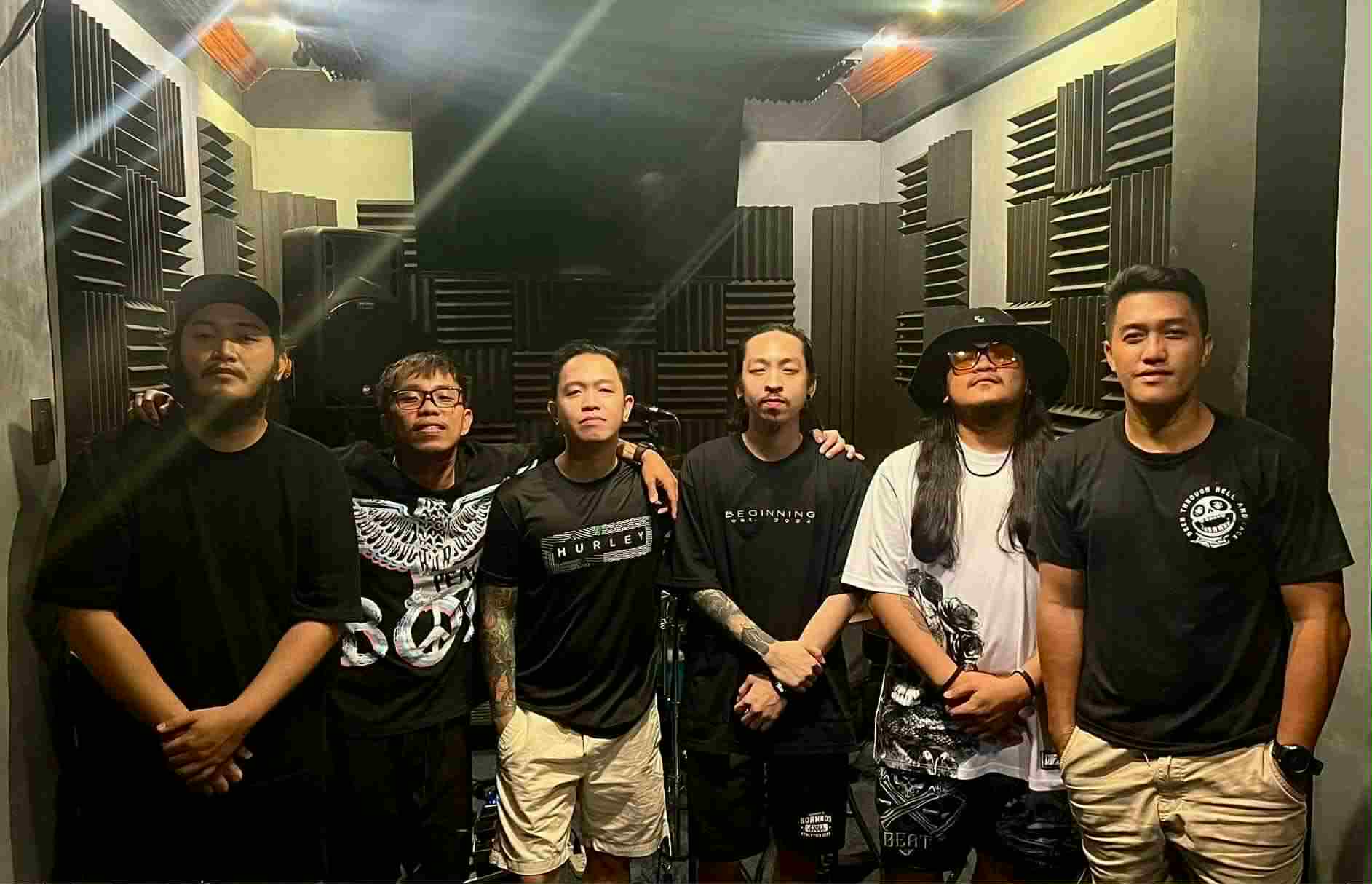
    AFAIA, the Cavite-based deathcore band formerly known as As Far As I Am, came back to the Philippine underground scene in 2025 with a renewed sense of purpose. Six songs in, a music video on the way, and a full album in the works, they are not easing back in. They are going all the way.
    This is their story.

    From Metalcore Roots to Deathcore Identity


    AFAIA started in 2017 under the full name As Far As I Am, shaped by the metalcore wave that dominated the local scene at the time. Bands like Killswitch Engage were in constant rotation, and the sound they built reflected that era.
    When they returned in 2025, something had shifted. “We wanted to be more honest with ourselves and finally show the genre that was really close to our hearts, which is deathcore,” the band shared. It was not a rebrand for visibility. It was a correction toward something truer.
    Deathcore remains one of the more niche corners of the Philippine metal underground. The fanbase is small. The path is harder. AFAIA knew this going in, and they went in anyway.

    The Name Still Means Everything


    Shortening to AFAIA was a practical move, but the meaning behind “As Far As I Am” stayed with them. The band described it as a philosophy rooted in equality.
    “You can only walk as far as I am,” they explained. “It means we all have our own journey and our own path in life. The goals may be different, and the paths may not intertwine, but at the end of the day, we’re all bound to the same destination.”
    In a scene where the pressure to break through fast is constant, that philosophy is grounding. Not everyone moves at the same pace. That is not failure. That is just life.

    The Sound: Aggression, Emotion, and Six Songs That Hit Hard


    Three of their deathcore tracks are already out. “Last Breath of Regret,” “Jester’s Demise,” and their carrier single “Berserker” are all available for free streaming and download across platforms. Three more are in the pipeline for release in the coming months.
    Their sound did not arrive overnight. “There wasn’t really one specific moment that triggered it. It was more of a slow build-up through the years,” the band said. Over time, the aggression, heaviness, and emotional intensity of deathcore became the language that fit them best.
    Every song is built collectively. No single composer owns the direction. Everyone brings riffs, ideas, structure, and emotion to rehearsal, and the song takes shape from there. New members who joined after the hiatus brought fresh energy that pushed the writing forward.
    “It’s really about collaboration and trust within the band. Tulungan lang talaga,” they said.

    On Writing “Parasito”: When Forgiveness Is Earned, Not Given


    Their debut single “Parasito” came from a real place. The song is about a mistake, and what follows after one. Not just guilt, but consequences. Not just apology, but the long, uneven road of what comes next.
    “We all know ‘Parasito’ is a song about a mistake, and how forgiveness is actually earned, not given freely,” the band said. “It has a very emotional context because it happens in real life. People make mistakes, and it’s not something that is easily accepted.”
    The layered line about forgiveness, “some forgive and forget, more forgive and remember, most forgive and remind,” came from watching how people actually handle pain. Not how they should. How they do.
    “‘Most forgive and remember’ — that’s very real. Even if you say you’re okay, the memory of what happened is still there. And ‘some forgive and remind,’ that’s when the pain is still present and it gets brought up again and again.”
    It is heavy. It is meant to be.

    Why All Their Music Is Free


    Every AFAIA release, past and present, is available for free download. No paywalls. No exclusive tiers. Just the music, open to whoever wants it.
    The reason is straightforward. “Our main goal is not to earn from the music itself. Our goal is to spread our music to as many people as possible. We understand that not everyone has the same capability or access, so we want our music to be as accessible as possible.”
    In a streaming era built around monetization, it reads as counterintuitive. For AFAIA, it reads as consistent. Music, they said, is something to be shared, not kept.
    You can stream and download everything on Spotify, Apple Music, and YouTube Music now.

    The Gig They Will Never Forget


    More than a hundred live shows into their run, across small stages, big events, and competitions, the one that stays with them most is not the largest. It is the most intimate.
    A small bar in Cavite. Everyone there was a friend. The applause was genuine. The energy in the room felt like something real.
    “Even though we’ve played bigger stages and more intense competitions, the most memorable for us are those kinds of gigs. Intimate shows where you’re playing for people who genuinely support you and are there for the music and the bond itself.”
    That says a lot about who AFAIA is as a band.

    What’s Next for AFAIA


    The next few months are going to be busy. A music video for “Berserker” is currently in production, with a target release around June. A full album is in the works, with the hope of dropping it before the year ends. More releases, possible additional MVs, and album-related live shows are all on the horizon.
    For a band that only returned to the scene months ago, the momentum is striking. Six songs written. Three released. A full project taking shape. And still, the message stays consistent: the music is for you, it is free, and it is coming.
    “Sana kasama pa rin namin kayo sa journey all throughout the way.”

    Conclusion


    AFAIA is not trying to go viral. They are not chasing a wider audience by softening their edges. They are making the heaviest music they know how to make, giving it away for free, and trusting that the people who need it will find it.
    In a scene still figuring out where deathcore fits, that kind of clarity is rare. They know who they are. They know what the music is for. And if their first run of songs is any indication, the full album is going to hit hard.
    Follow them. Download the music. Show up when they play Cavite. Some bands are worth being early for.

  • SETSUNA Ignites Davao Mall Tour Finale with LOIS PH – Slap Armies and Dragons Unite

    When a tour ends on a high, you don’t just remember the music—you remember the energy, the faces in the crowd, and that feeling of being part of something bigger. For SETSUNA, their last stop in the Davao leg of their LOIS PH mall tour wasn’t just another show—it was a night where two worlds collided: the new wave of heavy music and the enduring legacy of one of the Philippines’ most iconic metal acts, Slapshock.

    LOIS PH: Carrying a Legacy Forward

    LOIS PH isn’t just a brand—it’s a name with deep roots in the local scene. Managed by the same team that put Dickies on the map in the Philippines, they’ve always understood that streetwear and music move together. Back when Dickies was just starting here, they made a bold move: choosing Slapshock—a young, hungry band at the time—as their first artist partner. That decision paid off, shaping not just the brand’s street cred but cementing its presence in the culture.

    Fast-forward to today, LOIS PH is building on that same formula: backing artists who embody raw energy, authenticity, and connection with the crowd. Which is why SETSUNA, with their relentless grind and growing following, was a natural fit for the brand’s mall tour.

    Bringing Lean Ansing into the Fold

    For the Davao finale, LOIS PH took things up another notch. They brought in Lean Ansing, Slapshock’s guitarist, to join SETSUNA on stage. The move wasn’t just about star power—it was about impact. SETSUNA had prepared Slapshock covers for the setlist, and having Lean there turned those moments into something electric.

    “Kaya sinama ni LOIS si Lean Ansing para yung impact ng Slapshock cover ng SETSUNA is mas ramdam,” the band shares. And it worked—Slap Armies and Dragon fans stood side by side, feeding off each other’s energy all night.

    The Setlist: Heavy, Tight, and Unforgettable

    The night kicked off with the band’s own material, a statement that they could hold the stage on their own terms:

    1. Hardin – Opening with precision and grit, the song set the mood: this wasn’t going to be a casual mall show; this was going to hit hard.

    2. Ahon – A rallying cry that got heads nodding and fists up.

    3. Harinawa – Melodic but charged, a breather before the storm.

    4. Dalangin – The crowd sang back, proving that SETSUNA’s originals are sticking with fans.

    Then came the moment the Slap Armies had been waiting for:

    1. Wake-up (Slapshock cover) – With Lean Ansing’s guitar cutting through the mix, this one hit like a wave. The crowd’s roar was instant.

    2. Agent Orange (Slapshock cover) – The energy doubled, with old-school fans reliving the chaos and new ones discovering why Slapshock’s songs still destroy live.

    From there, SETSUNA went into one of their most important new releases:

    1. Magliyab – Their collaboration with Lean Ansing. It wasn’t just played—it was unleashed. A fresh anthem that proved the old guard and the new wave can create something massive together.

    Closing the night:

    1. Silaw – Even as the last song, Lean stayed on stage, jamming with the band until the final note. The synergy was real—smiles, sweat, and noise.

    Beyond the Stage

    The energy didn’t end when the amps shut off. Fans lined up at the LOIS PH store for signings, photos, and quick conversations with the band. For some, it was more than just a meet-and-greet—it was the culmination of a personal tour. “Meron din mga fans na pinuntahan lahat ng mall tour namin,” the band notes. That kind of loyalty isn’t built overnight; it’s earned, one show at a time.

    Why LOIS PH and SETSUNA Work Together

    In many ways, the SETSUNA x LOIS PH partnership mirrors the early days of Dickies and Slapshock. It’s about recognizing potential, supporting the grind, and connecting with audiences in their own spaces. LOIS PH understands that the mall tour format isn’t just about selling clothes—it’s about building scenes in cities across the country, making live music accessible to fans who might not always get to see their favorite bands up close.

    For SETSUNA, it’s a chance to push their music further, to bring their sound to both hardcore fans and casual mall-goers who might just discover them by walking past the stage. And with each show, the line between fan and friend gets thinner.

    Looking Ahead: Manila Shows Incoming

    The Davao finale might be over, but the momentum isn’t slowing down. “Mall shows in Manila soon,” the band teases. If the Davao crowd is any indication, Manila’s in for something special—especially with the kind of energy that comes when SETSUNA and LOIS PH join forces.

    With Magliyab now part of their arsenal and Lean Ansing’s stamp of approval, SETSUNA steps into the next chapter with more fire than ever. And just like that first Dickies x Slapshock collab years ago, this feels like one of those moments people will look back on and say, “That’s when things leveled up.”

    Follow LOIS PH for updates on the Manila shows and exclusive behind-the-scenes from the mall tour. For SETSUNA fans—new and old—this is just the start.

  • Behind the Song: Laki sa Layaw by Mike Hanopol

    Behind the Song: Laki sa Layaw by Mike Hanopol

    I’m not a music critic. I just love listening to songs that say something real, and Mike Hanopol’s “Laki sa Layaw” does that in a way that still hits today, even in 2025. I grew up hearing it at family gatherings, late-night jeepney rides, or even during quiet moments when the radio played old Pinoy rock classics. But recently, I listened to it again—really listened—and it felt different. It felt more personal, more reflective.

    “Laki sa Layaw” isn’t just a catchy tune. It’s a story, a wake-up call. It speaks to something I think a lot of us feel but don’t always say out loud: that too much comfort can mess you up just as badly as too little.

    From the first verse, Mike Hanopol paints two sides of life: “May mga taong lumaki sa hirap, merong laki sa layaw, puro sarap.” Some people grow up struggling, others grow up spoiled. We’ve all seen both sides, especially now when social media shows everything—people flaunting their stuff, their vacations, their expensive hobbies. It’s easy to get jealous or annoyed. But this song reminds me that having it all doesn’t always mean you’re happy.

    When I hear, “Kung siya’y titigan mo, akala mo kung sino. Hindi na bumababa sa kanyang trono,” I imagine someone so caught up in themselves, they forget the world around them. I think we’ve all met that person. Maybe it’s a friend, a family member, or even ourselves at some point—too focused on status, too proud to see reality.

    That’s what makes this song so relatable even now. It doesn’t feel outdated. If anything, it feels like Mike Hanopol wrote it for today’s generation. Think about it: with influencers, TikTok stars, people chasing clout—it’s easy to grow into that “laki sa layaw” mindset without even noticing.

    What really hits me is the part about vices: “Hindi pa makuntento sa kanyang mga bisyo. Nilubog pa niya ang sarili sa putik.” That line feels heavy because we’ve all seen someone drown in their own bad habits. Sometimes, we’re the ones doing it. Whether it’s drinking, spending, gambling, or even just wasting time, there’s always that temptation to fill the void with things that don’t really satisfy.

    And yet, the song doesn’t feel like it’s judging. It’s not saying, “Look at this bad person.” It feels more like it’s asking, “What now?” There’s this line in the pre-chorus: “Meron pa kayang pag-asang magbago ang taong lumaki sa layaw?” That question sits with me every time I hear it. Can someone spoiled by comfort still change? Is there hope for people who’ve lost their way?

    Honestly, that’s what makes this song so emotional for me. It doesn’t give easy answers. It just leaves you with the weight of that question, making you think about your own life.

    Listening to it now, as an adult, I notice how these themes show up around us. I see it in people who seem to have everything but still feel empty. I see it in friends who used to be so driven but got lost somewhere along the way. And sometimes, I see it in myself. When I catch myself getting lazy, getting entitled, I remember this song.

    That’s the thing: we’re not immune. Even if you grew up “lumaki sa hirap,” once you start tasting a little comfort, it’s easy to forget where you came from. That’s why songs like this matter. They ground you. They remind you to stay humble, stay real.

    What’s also cool about “Laki sa Layaw” is how it doesn’t just live in the past. Today, in 2025, it feels like it could play in the background of a TikTok video showing the rise and fall of someone famous. Or maybe it could be a soundtrack in a documentary about the dangers of too much fame too soon. It speaks to both old-school and new-school listeners.

    Even the chorus, with that simple chant: “Laki sa layaw, laki sa layaw, jeproks.” It’s easy to sing along, but once you know what it really means, it sticks with you. It’s not just a fun line; it’s a warning wrapped in a groove.

    So what does “Laki sa Layaw” say to us now, in 2025? For me, it’s a reminder to check myself. Am I becoming too comfortable? Am I chasing things that don’t really matter? It’s about balance—enjoying what you have, but not letting it control you.

    It also makes me think about the people around me. How can we help those who’ve gotten lost in their own comfort? How do we reach out without sounding preachy? The song doesn’t give clear steps, but it does start the conversation.

    At the end of the day, that’s why I keep listening. Not because I’m looking for music critic-level insights, but because this song makes me feel something honest. It’s raw. It’s real. And in a world where so much feels fake or filtered, that matters.

    “Laki sa Layaw” isn’t just about the past. It’s about now. It’s about us. Whether we admit it or not, we all have a little “jeproks” in us sometimes. The important part is remembering we don’t have to stay that way. We can choose to change, to grow, to step off that throne and get back in touch with what really matters.

    That’s the kind of message I’ll keep coming back to—whether I’m listening in a quiet room with headphones on, or with friends in a car ride home, letting the song play as we all quietly think about where we’re headed next.

  • When the Music Finds You: How Songwriters Cabalen Sparked My Own Journey to Uplift Local Artists

    When the Music Finds You: How Songwriters Cabalen Sparked My Own Journey to Uplift Local Artists

    In a small corner of Angeles City, under the warm glow of restaurant lights and the hum of quiet conversations, a spark was born. That spark would later become the Songwriters Cabalen Community—a movement that grew not just from music, but from a need: a need to be heard, to be seen, and to be connected through stories and sound.

    I still remember attending one of their shows back in 2023. At the time, I was drifting—curious about the indie scene but unsure where I belonged. I wasn’t a performer. I wasn’t even from Pampanga. But something about that night stayed with me long after the last chord faded. Maybe it was the honesty in every lyric, or the way the crowd leaned in—not just to hear the music, but to feel it. That night lit something in me, and it’s what eventually inspired me to start my own platform: a space where local and indie artists could share their stories, their songs, and their journey.

    But let me take you back further—to where it all began.


    A Space That Didn’t Exist Yet

    When Michi moved to Pampanga in 2019, she noticed what most people wouldn’t. Pampanga had talent. It had culture. It had music. But it didn’t have a space—a real, tangible space—for local songwriters to connect, collaborate, or even just be heard. If that space existed, it was buried too deep for newcomers to find.

    So, Michi did what many dream of but few actually do—she built the space herself.

    With experience organizing live music events in Manila, she knew what it took. But this time, she wasn’t just building a show. She was building a community. She reached out to fellow creatives who shared her fire: Rey Bonaobra and Michael Kevin. All it took was one question:

    “Do you want to perform live?”

    Sometimes, the biggest movements begin with the smallest invitations.


    Camalig: Where the Dream Took Root

    Thanks to the support of Ms. Bennylee Baltazar, that dream found a home at Camalig Restaurant in Angeles City. The venue was perfect—not too big to be overwhelming, not too small to feel limited. It was intimate. Real. A place where original music could echo off the walls and into hearts.

    In February 2022, the very first Songwriters Night happened.

    From the outside, it might’ve looked like any other acoustic night. But if you listened closely, you’d know this was different. This wasn’t about cover songs or top hits. This was about truth-telling. Raw. Honest. Vulnerable. Every artist brought their own story to the mic, and every listener walked away carrying pieces of those stories with them.

    The format was simple—but the feeling? It was electric.


    From Gathering to Community

    One night became another. And another. The crowd grew—first with friends and family, then strangers who came back every month. It wasn’t just the performers who felt at home anymore. The audience did, too.

    And that’s when it became more than an event. It became a community—the Songwriters Cabalen Community.

    Month after month, the shows continued. Each one brought new voices, new songs, new layers of emotion. No two nights were the same, and yet the feeling was always familiar: you belong here. Whether you were a seasoned songwriter or someone still scribbling lyrics in a notebook, the message was clear—your voice matters.

    Eventually, the community found a new home at LaVerne, where the stage got a little bigger, the sound a little louder, but the heart stayed exactly the same.


    The Pause That Made Space for Reflection

    Then came December 2024.

    After nearly three years of soul-filled shows, the Songwriters Cabalen Community decided to pause. It wasn’t a goodbye. It was a breath. A moment to step back and ask the hard but necessary questions: What have we missed? What can we do better? What do we want this to become?

    As someone who had quietly followed the journey since that night in 2023, I felt the silence. And oddly enough, I found inspiration in it, too.

    In that pause, I realized how deeply I believed in what they were doing—not just hosting events, but honoring journeys. Songwriters Cabalen wasn’t just a stage; it was a reminder that stories matter. And that every community, no matter how small, deserves to be nurtured.

    That’s when I knew I had to build something of my own.


    Building Something Because They Did

    I didn’t have a venue. I wasn’t an event organizer. But I had something else: a deep love for indie and local music, and the desire to make artists feel seen.

    Inspired by the structure and soul of the Songwriters Cabalen Community, I started laying the groundwork for a platform that would give voice to those often overlooked. Not just performances, but stories. Not just promotion, but connection.

    Because if a single night at Camalig could move me this deeply, how many more people could be moved if only they had access?

    That’s the magic Songwriters Cabalen showed me: the importance of giving artists space—to speak, to stumble, to grow, and to shine.


    A Comeback Rooted in Purpose

    Now, after months of silence, the music returns.

    On July 12, the Songwriters Cabalen Community comes back with a show at LaVerne. But it’s not just another gig. It’s a new chapter—wiser, stronger, more intentional. The community has learned from its pause. And now, it’s singing again with more heart than ever.

    This isn’t just about artists anymore. It’s about everyone—the dreamers, the fans, the quiet listeners in the crowd who find themselves reflected in someone else’s lyrics.


    Because Music Is Never Just Music

    Songwriters Cabalen didn’t just give musicians a mic. They gave meaning to original work. They created a space where vulnerability wasn’t just accepted—it was celebrated.

    And for people like me, who don’t always know where they fit in the music scene, that kind of authenticity is rare. It’s what planted the seed in me to help artists tell their stories—to build something, however small, that honors their voice.

    Because communities like Songwriters Cabalen don’t just change the local scene.

    They change people.

    They changed me.

    And that’s why, when they rise again this July, I’ll be there. Just like before. But this time, not just as a listener—but as someone carrying their legacy forward.

    Because when a community is built on passion and purpose, it never really fades.

    It just waits for the right moment to sing again.

  • SETSUNA: Isang Taon ng Liyab, Dalangin, at Ahon

    SETSUNA: Isang Taon ng Liyab, Dalangin, at Ahon

    “Liyab.”
    “Ahon.”

    These weren’t just songs. They were the spark.
    The firestarter tracks. The first two songs lit the fuse and marked the birth of Setsuna.

    A year ago, the band was just an idea—driven by late-night talks, deep scars, old friendships, and a hunger that refused to die. Now, on July 7, 2025, they celebrate their first anniversary. Not with ego, but with a quiet kind of pride—the kind that comes from doing something real. Something honest.

    And those first songs?
    They still burn.

    The Spark: Liyab and Ahon

    “Liyab” was never just a song. It was their story-in-progress.

    At first, it was supposed to be on the first record. But the band quickly realized: this track wasn’t finished—because their story wasn’t finished.

    “Nagbabago yung lyrics palagi,” they admit.

    “The song is about our journey—nagbabago yung phase and challenges, kaya nababago din yung sulat.”

    So they made the call: Liyab will be finalized on the second album, where it can carry the full weight of everything they’ve been through.

    That left Ahon to lead the charge—a battle cry for anyone climbing out of their own personal abyss. A song that struck a chord so deep, it recently reached a milestone 200,000 views on YouTube.

    Therapy, Not a Trend

    “Hindi talaga namin naging option mag-stop,” they say. And you believe them. Because when they talk about their music, you don’t hear metrics or marketing plans—you hear therapy.

    Every jam session is a breath of fresh air after long work hours. Every rehearsal is a reminder of why they started in the first place. These songs they write and play together aren’t just noise; they’re lifelines.

    Kahit mahirap. Lalo na sa logistics.

    They’re scattered across different cities. Some in Pangasinan, others in the city. Each practice means traveling for hours, sacrificing personal time, making room in a calendar that’s already bursting at the seams. But they do it anyway. No grand speeches. Just pure dedication.

    “Kasi prio namin is work and family. Kapag may hindi available, hindi namin pinipilit. Basta kung kelan lang pwede.”

    It’s that kind of groundedness that makes their journey even more powerful. This isn’t blind ambition. It’s sustainable passion.

    The Songs That Followed

    After Ahon came the third official track: “Silaw.”

    Silaw was like a flare gun fired into the night sky.
    A warning. A confession. A moment of clarity in a world full of false lights.

    It came fast and hard—and fans felt it.

    Then came Dalangin, a softer ache. A whispered prayer for something more. For healing, for forgiveness, for peace. It was raw and vulnerable, just like the nights it was written in.

    Finally, they dropped Harinawa. An old word, rarely sung, now reborn in melody. It means sana, hopefully, may it be so. A word that sounds like longing—and lands like hope.

    Each song painted a different piece of their emotional journey.
    None of them were easy. All of them were real.

    The Rise of Ahon: 200K Strong

    In just one year, Ahon didn’t just rise—it soared.
    It became a battle cry for fans, and recently hit a massive milestone:
    200,000 views on YouTube.

    The photo says it all: a child holding a flame, symbolizing innocence, strength, and the spark we all carry in dark times. It’s more than a number. It’s a reflection of how many people found something in that song—something worth holding onto.

    “Di namin namamalayan na naging effective pala sa’min ‘yung ganong way.”

    They didn’t chase virality. It just found them.

    A Band of Many Roots

    Each member brought history. War scars. Reputation.

    Mighty Ji is a fixture in Pangasinan’s live scene.
    Toshi earned his stripes in the underground rap community, making waves with every bar. His group, Plan B, didn’t just stay underground—they broke through. Signed under Sony Music Philippines, they brought major-label energy to the mix.

    “Parang each of us may kanya-kanya kaming connections.
    Kaya napag-sama-sama na lang namin siguro,” they say.

    So when did they join forces?
    It wasn’t just a band—it was a collision of worlds.
    A meeting of minds sharpened by years of grind.

    Sacrifice in the Silence

    Asked if they ever felt like quitting, their answer was simple:

    No.

    Because every time they make a song, they feel something real.

    “Kasi ramdam namin sa mga nagagawa naming materials,” they explain.

    You can feel it in the pain of Silaw, the longing in Dalangin, the fire in Liyab, the redemption in Ahon, and the quiet hope of Harinawa.

    These aren’t singles. These are confessions. Diaries. War cries.

    The Backbone Behind the Band

    Setsuna didn’t do it alone. Never claimed to.

    Special thanks to:

    • LOIS Jeans – Style with soul
    • Point B Studios – Where rawness met polish
    • Radio Manila Music Group – For amplifying their voice
    • Grand Escape Films – For giving the songs a cinematic pulse
    • Papsys HQ
    • Cavern Band Studio
    • Jojam Music Studio
    • North Studio
    • Istakap Records
    • Groovelabs Productions
    • Excapelabs

    These names aren’t just credits. They’re co-architects of the fire.

    What’s Next?

    More. But not faster. Just deeper.

    If Year One was about lighting the fire, Year Two is about learning how to keep it burning—without getting consumed. There’s no hunger for mainstream. Just a hunger to heal, connect, and create songs that sound like real life.

    Final Words from the Underground

    Setsuna didn’t arrive with a bang. They arrived like a flicker.

    But flickers can become flames. And flames?
    They spread.

    Happy anniversary, Setsuna.
    Here’s to more liyab, more dalangin, more ahon, more silaw, and more harinawa.
    More songs for those of us still trying to rise.

  • ROCK REWIND at G Malolos: A Night Where Bulacan’s Indie Scene Found Its Home

    Last night at G Malolos Bar and Resto, something beautiful happened.

    It wasn’t just another gig. It wasn’t just another lineup of rising bands. It was a moment — a pulse — that proved Bulacan’s indie music scene is not only alive, but thriving, united, and finally finding a home it can truly call its own.

    Despite a gloomy start that morning — the kind of July rain that makes event organizers clutch their phones a little tighter — the skies eventually cleared. But our doubts didn’t. Hours before the first band was set to play, the question hung in the air: Will people even show up?

    At 8:00 PM, we got our answer.

    Like clockwork, people poured in. Fans, skaters, musicians, students, creatives, and longtime friends of the scene arrived in waves. In a matter of minutes, the empty tables filled, the bar buzzed with anticipation, and the lights of G Malolos seemed to glow just a little brighter.


    A Bar That Feels Like Home

    G Malolos Bar and Resto only opened its doors last May 4, 2025. In just a couple of months, it has grown into something more than just a venue. It’s slowly becoming the nucleus of a movement.

    Sir Melvin, the man behind G Malolos, wasn’t just looking to build a business. He had a vision — one rooted in the idea that Bulacan artists shouldn’t have to keep running to Manila just to be seen or heard.

    “Lumalayo ‘yung mga banda natin para lang makilala,” he said during a quiet moment between sets. “Pero bakit hindi tayo gumawa ng space dito mismo sa atin? Dito sa Bulacan. Sa Malolos.”

    That idea stuck with all of us.

    And last night’s ROCK REWIND, presented by GrooveLabs Productions and co-presented by Blast Beat Studio Armando, felt like the first proof that it can work.


    The Crowd That Stayed, Sang, and Sweated

    By 9 PM, there was barely space to move near the stage. The crowd wasn’t just present — they were with the bands. Singing back lyrics, raising phones, nodding in rhythm, even closing their eyes during guitar solos. You could tell these weren’t strangers — they were locals who understood the stories behind the songs.

    Some came from Malolos, others from as far as Meycauayan, Sta. Maria, Bocaue, Guiguinto, Balagtas, Calumpit, and Plaridel. Each town had its own wave of artists and supporters, all converging under one roof. G Malolos turned into a melting pot of musicians and music lovers — no egos, no hierarchy, just shared love for the scene.


    The Bands That Lit the Stage

    It would be impossible to talk about the night without mentioning the heart of it all: the bands. The lineup was stacked, with each act bringing their own sound, their own stories, and their own crowds.

    Leen PH opened the night with soft echoes and raw honesty, a sound that made the entire venue lean in. Amere followed with a set that felt like a scream and a hug at the same time — their blend of softness and grit made the crowd sway and shout in equal measure.

    Tahan brought a refreshing fusion of your favorite songs way way back. Like way way. ENAMEL filled the room with emotion-heavy melodies that lingered even after the music stopped.

    Rooftop Reveries and Forsomereason both gave the kind of performances that turn casual listeners into loyal fans — tight sets, clever songwriting, and a deep connection with the crowd.

    The Conflicts made sure no one stayed still — their energy shook the floor.

    Sumo Wrestling PH gave a performance that was part poetry, part protest — a reminder of how personal music can be. Camaraderie played with a kind of synergy that only comes from true friendship and shared passion.

    And there’s Captain Jack PH

    The band, known for their emotionally driven songwriting and relentless energy, played like it was their last night on Earth. With every scream, every riff, every beat, they told stories about pain, identity, addiction, and healing — all wrapped in metal and melody. They made the stage feel sacred.

    TRICK PRJCT and Ella. , loud, unapologetic, and full of swagger — the kind that leaves your ears ringing in the best way possible.


    More Than a Gig, It Was a Gathering

    When we started GrooveLabs Productions, we dreamed of nights like this — where the scene felt like a family, where artists didn’t feel like they were shouting into a void, and where the audience didn’t need convincing to care.

    We’ve knocked on doors, looked for business owners who believed in the scene as much as we did. Some listened. Most didn’t. Until we met G Malolos.

    Sir Melvin’s openness, patience, and willingness to listen to artists made all the difference. He didn’t just provide the space. He provided the belief.

    Now, G Malolos is hosting more productions. More events. More bands are reaching out. Word’s getting around.

    And maybe — just maybe — we won’t have to keep looking for Manila’s approval. Maybe we can build our own community here, strong and loud, in the heart of Bulacan.


    What Comes Next

    The success of ROCK REWIND isn’t just about last night. It’s about momentum. And this time, it’s pointing inwards, not outwards.

    Instead of asking who’s next to play in Makati? we’re asking who’s next to headline here at G Malolos? Instead of trying to blend in with bigger city lineups, we’re carving our own path. And last night proved that the audience is ready — hungry even — for more.

    There’s power in proximity. When the scene is here, in your hometown, everything changes. The gigs aren’t just performances — they’re reunions. The venues aren’t just stages — they’re safe spaces. The music isn’t just background noise — it becomes your story.


    Final Thoughts

    ROCK REWIND was more than a title — it was a reminder. That every band started somewhere. That every unforgettable song played for the first time in front of a small, supportive crowd. That before the streams and Spotify stats, there was a bar, a mic, a guitar, and a room full of people who just got it.

    And last night, at G Malolos Bar and Resto, we saw it all happen again.

    We saw Bulacan’s past, present, and future — all in one room. All in one night. And we’re just getting started.

    To every artist who played, every person who came, and every dreamer who stayed until the last song — thank you.

    The scene is alive. The scene is home.

    And it lives right here in Bulacan.

  • Letter Day Story: Living Every Note Like It’s Their Last

    Letter Day Story: Living Every Note Like It’s Their Last

    It’s almost surreal to sit down and write about Letter Day Story again—this time as a feature. I still remember watching them live during our Eto na Nga! production with Groovelabs Productions last year. Sila ‘yung klase ng banda na kahit matagal mo nang hindi napapakinggan, isang tugtog lang, and it all comes back. Sobrang bait nila in person, too. Kaya when the chance came up to do a feature, I didn’t hesitate. And now, here we are.

    In a sea of new faces and shifting sounds in the local music scene, Letter Day Story stands tall—quietly and steadily making music, unshaken by trends, and guided by something far deeper than fame.

    From Conservatory Classrooms to Center Stage

    Back in 2002, a group of students from the UST Conservatory of Music came together, bonded not just by friendship but by a shared itch to create something of their own. The lineup may have evolved over the years, but what hasn’t changed is their dedication to music—and to each other.

    The heart of the band beats stronger than ever with Dex on vocals, Oli and EJ holding down the rhythm and soul of the group, and Niko, the newest official member, who’s no stranger to the family. “He’s been our long-time sessionist—around a decade na rin,” they shared. “Finally, now, he’s officially with us.” Niko’s quiet loyalty and consistency through the years earned him a place not just on stage but at the very core of LDS.

    Together, they’ve weathered it all—grief, change, and countless milestones. And through it, one truth remains: LDS is nothing without its members.

    Their big break came in 2008, when they joined and surprisingly won Nescafe Soundskool. “We weren’t even aiming to win,” they said. “We just wanted to enjoy playing our music on stage and perform our original song, Ikaw pa Rin.” But fate had other plans. What they thought was just a finalist roll call turned out to be the awarding. They had won. And with it came a deal with Sony Music, leading to radio tours, out-of-town gigs, albums, and collaborations with names like Gloc-9, Yeng Constantino, and even the late Pepe Smith.

    It was a whirlwind, but it was only the beginning.

    Music That Mirrors Life

    When you talk to Letter Day Story about their music, you don’t get canned answers or vague inspirations. Their songs are lived-in. They’re part of their journey.

    Take Mithi, for example—one of the band’s most meaningful tracks. “When Dex wrote it, the message really mirrored our band’s own struggles,” they shared. “There were times when even our parents didn’t believe in what we were doing. They’d say there was no future in this.”

    Mithi became more than a song. It became their reminder to keep going.

    Then there’s Sama-Sama, a song about staying together, weathering everything as a unit. “There’s even a line at the end of the song, a chant that goes sulat araw kwento,” they said. “That’s letter day story—our name and our story.”

    It’s rare to see a band that writes not just about life, but through it.

    From Covers to Craftsmanship

    The band’s evolution wasn’t just emotional—it was technical too. They started out doing covers but quickly found themselves wanting more. They wanted to write. Create. Innovate. That hunger led them to work with producers and artists that would shape their sound.

    One key piece of their story was their guitarist, Notnot, who passed away in April 2024. Long before that, though, he had carved his mark not just as a musician, but as a sought-after sound engineer. His work with IV of Spades, Juan Karlos, Gloc-9, and others reflected just how far he’d come.

    “His work was highly regarded,” the band shared, their pride evident even through typed words. And even in his absence, his spirit lives on in their new material. DSY (Dahil Sayo) was his last song—and what a beautiful, aching piece it is.

    The Indie Life and Its Realities

    Since parting ways with Sony in 2011, Letter Day Story has been an indie band in every sense. No label. No hype machine. Just passion, persistence, and presence.

    “Being independent now is much better than before,” they admitted. “Back then, it was hard for our music to be heard unless a big label signed us to get on the radio. Today, there are so many chances for indie artists. We can create and release music whenever and however we want.”

    Still, the road isn’t easy. Getting on Spotify’s top playlists, competing for organic streams—it’s a different kind of hustle. One that doesn’t always come with instant results.

    “We can’t control trends,” they added. “But artists shouldn’t worry too much. The most important thing is to love music and love what you do.”

    Then and Now: From Jumping Crowds to Phone Lights

    If you’ve ever been to a Letter Day Story gig, you know the kind of energy they bring. Rehearsals aren’t just for precision—they’re about heart. “In the actual show, we play from the top of our lungs,” they said. “Making music is a huge stress reliever and a source of pure fun.”

    Back in the 2010s, their crowds were often fully immersed—jumping, shouting, singing along. These days, things have shifted. “Most people in the crowd are now holding up their phones,” they said, noting how the digital era changed how we consume live music.

    But they’re not bitter. In fact, they’re grateful. “Even new generations who are watching or hearing us for the first time show us love. And our old fans… still manage to love and support our music and our band.”

    Next Collabs and Big Dreams

    The band remains wide-eyed when it comes to today’s scene. “We’d love to collaborate with artists like One Click Straight, Zild, Blaster, Dionela, Skusta Clee, and Setsuna,” they said. Their tastes reflect the openness they’ve cultivated over the years. Pop, R&B, hip-hop—it’s all music. It’s all art.

    And yes, they’ve got new music, too. After 13 years, they’ve released DSY and just dropped NUNG IKA’Y NAWALA last June 27. It’s a track born from heartbreak, about being left without answers, and the slow process of letting go.

    More singles are on the way. A promo tour is in the works. Studio sessions are ongoing.

    Letter Day Story isn’t slowing down. They’re just getting better at telling their truth.

    Staying Lit, Staying Inspired

    So, how do they do it? How do they keep the fire alive after more than two decades?

    “It really comes down to having the same mindset and heart,” they said. “Even with our different professional day jobs and family commitments, we still make time for music and truly enjoy it.”

    That might just be the secret. Not chasing trends. Not trying to one-up themselves. Just showing up—with full hearts, loud amps, and a willingness to grow.

    NUNG IKA’Y NAWALA: A Visual Story of Letting Go

    Released on June 27, NUNG IKA’Y NAWALA is more than just a single—it’s a gut-punch of a song that lingers. Written from a place of quiet heartbreak, it speaks to the pain of being left behind with no closure. “When someone leaves you for no reason, and you’re left searching for answers,” the band shared. “You try not to give up. But in the end, the pain is so deeply shattering that you finally let go.”

    And just as powerful as the song is the music video that goes with it.

    Directed with striking emotional weight, the official music video brings the story to life—capturing the emptiness, longing, and slow-burning grief that follows a sudden goodbye. It’s intimate, cinematic, and quietly devastating in all the right ways.

    If you haven’t seen it yet, now’s the time:
    Watch “NUNG IKA’Y NAWALA” on YouTube

    Whether you’ve been with Letter Day Story since the beginning or you’re just discovering their music today, NUNG IKA’Y NAWALA is the kind of track—and video—that pulls you in and stays with you.

    For the Fans and the Future

    “To all our longtime amazing fans,” they wrote, “thank you for continuously supporting us and for never forgetting our music! It means so much that you’re even sharing our songs with your kids.”

    Their message to younger bands is simple but weighty: “Never think that moving forward with music is only about chasing fame. Focus deeply on your craft. And love your passion.”

    As for their legacy?

    They want every performance to matter. Every moment to count. “Pour your soul into every note you play and every word you sing,” they said. “Let your passion ignite the stage.”

    That’s the kind of legacy that doesn’t fade—even after the lights dim.

    Letter Day Story is now streaming on all major platforms. Their latest single “NUNG IKA’Y NAWALA” is out now.
    Catch them live, if you ever get the chance. I know I will. And if luck’s on our side, maybe we’ll get to share another production stage with them soon. Eto na nga, diba?

  • Breē: Dreamy Soundscapes, Midnight Drives, and Songs That Feel Like Shelter

    Breē: Dreamy Soundscapes, Midnight Drives, and Songs That Feel Like Shelter


    In a local indie scene that’s as restless as it is noisy, Breē offers something else entirely—an ambient, slow-burning sanctuary of sound. Their music doesn’t scream for attention. It waits. Patiently. Like a friend in the passenger seat of a quiet drive home. And when you finally listen—really listen—it’s like finding a letter you forgot you wrote to yourself.

    But make no mistake: Breē isn’t a sonic accident. It’s a band born from deliberate craftsmanship, unlikely influences, and a shared longing for stillness amid chaos.

    A Halfway House in Middle-earth

    The name Breē isn’t random—it’s Tolkien-inspired. “In Middle-earth, Bree is a halfway house to rest, find peace, find shelter,” shares Arian, one of the founding members. “We aim for our songs to be just like that.”

    Arian (guitars, vocals) and Paul (drums, vocals) were the first sparks of what would become Breē. They met back in 2013 at work, where their shared love for music led to the creation of the band’s first tracks: “Endless,” “Haze,” and “Dream.”

    Vincent, a friend of Arian’s cousin, came in next. He was a guitarist at the time but transitioned to bass after the original bassist had to bow out due to an injury. Later, when Breē was on the verge of signing with Offshore Music, they brought in Potch—studio colleague turned third guitarist—to complete the puzzle.

    Each member brought a distinct color to the Breē palette: Paul swayed to The Paper Kites and Turnover. Arian leaned into Turnover and Dashboard Confessional. Vincent was an OPM kid through and through, with a dash of Metallica, while Potch listed Hillsong as an influence.

    Put them all together and you get Breē’s signature blend: dreamy, ambient, and quietly intense.

    Signed, Sealed, Still Kind of Starstruck

    The band is now under Offshore Music and distributed by Sony Music Philippines—a feat that’s both an honor and a challenge.

    “It’s nerve-wracking because you know they’ll listen to every second,” they admit. “But it’s also food for the soul, because these are the same people who’ll say, ‘That sounds great.’ Sometimes.”

    It’s the kind of pressure that pushes a band to polish their sound while staying true to themselves—and that tension, you can hear it in their debut album.

    “A Dream of Sunrise”: A Lucid Reverie

    If Breē’s debut album, A Dream of Sunrise, feels like falling asleep to your favorite memory on loop, that was the goal.

    The band wanted to build something cohesive—like Turnover’s Peripheral Vision—an album where each track bleeds into the next, capturing their collective voice at a moment in time.

    “We just really wanted the album to encapsulate who we were and what we wanted to sound like,” they say.

    And while the ambient textures and cinematic layering weren’t part of the original plan, they emerged naturally. Vincent toned down his heavier roots to support Arian’s shimmering guitar work. Potch added flourishes that deepened the atmosphere, turning good songs into immersive experiences.

    Some tracks hit closer to home than others. “Sweet” is Arian’s love letter to his wife, written during a health scare. “Home” is Paul’s promise to his twins: that no matter how far they roam, they’ll always find their way back. “Paul wrote most of our songs,” they add. “But those two are special.”

    From Quezon City to Jambi, Indonesia

    While Breē’s music may not dominate the mainstream charts, it’s quietly making its way around the world.

    “We have 33 listeners in Jambi City, Indonesia? That’s surprising and definitely moving,” they laugh.

    They’re under no illusion about their niche appeal. “We just let the songs out and let them find their own audience,” they explain. “Just like how we found the music we love.”

    Here in the Philippines, listeners often tell them their songs are great for long drives. “Someone said they use it as lullaby music,” they recall. “We’re not sure if that’s a good thing or a bad thing. Hopefully, they’re not the same ones saying it’s good for driving—baka makatulog sila sa daan.”

    Still, for the band, those quiet moments of connection—whether it’s someone de-stressing in traffic or finding comfort at 3 a.m.—mean everything.

    Lights, Layers, Live

    If you’ve seen Breē live, you’ve probably noticed their immersive visuals—soft lights, abstract projections, everything moving in sync with their slow tempo.

    “Paul realized that the usual bar lighting doesn’t work for our music,” they share. “So we hired Spacedog to handle visuals so it’s not just one static spotlight on our faces.”

    Yes, part of the motivation was also to “hide Vincent’s beer belly,” but ultimately, the goal was to match their sound with a mood—visuals that extend the emotional reach of their set.

    Pre-show rituals? Nothing too rockstar. Just Coke Zero and a good meal. “If we get to the venue early enough,” they add.

    Dream venues? “All the local fests, of course,” they say. “But also SXSW in Texas, Coachella, Fuji Rock in Japan, Glastonbury in the UK. We can all dream, right?”

    Songwriting as Therapy (and a Bit of Reddit)

    When it comes to creating songs, Paul often brings in the skeleton—a near-complete track with chords and structure. Then Arian steps in, checking if the emotional tone matches the progression.

    “If the lyrics are a bit hopeful but the chords are dragging down, there’s a mismatch,” they explain.

    Potch, the most musically trained among them, throws in alternate directions. And Vincent? “Since he’s on bass now, he just waits for the final chords while browsing Reddit.”

    Creative blocks? They don’t force it. “We just leave it alone for months,” they say. Their upcoming single is one such case—a slow bloom that needed space to grow.

    Social media, while a necessary part of the game, is something they manage themselves. “It’s easy to stay authentic as long as you’re respectful.”

    The Next Chapter

    With A Dream of Sunrise marking their first major step, what comes next?

    “We have an upcoming EP later this year,” they reveal. “We’re not sure about touring just yet—our day jobs are keeping us pretty busy.”

    Collab dreams? Kyla, for one. “We think her voice would blend well with our ambient tones.” Also on the wishlist: Austin of Turnover. “And since she owns her masters now… Taylor Swift, maybe?”

    Lyrically, they want to go deeper—not just inward, but outward. “More of our feelings toward the people around us,” they say. “Especially the ones supporting us dearly.”

    To the Quiet Fans on Loop

    When asked if they had anything to say to the quiet listeners—the ones who don’t post or tag, but play the songs on repeat—Breē gets reflective.

    “We appreciate that you gave us the chance to be with you for around four minutes… which turned into more and more,” they say. “Hopefully we can see you live soon.”

    And if not? Breē will still be here. A halfway house. A shelter. A gentle, glowing sound waiting patiently for you to press play.


    Listen to Breē’s debut album A Dream of Sunrise on Spotify. Follow them on social media for updates on their upcoming EP and shows.

  • Camaraderie (CMRD): Built by Bonds, Carried by Sound

    Camaraderie (CMRD): Built by Bonds, Carried by Sound

    In a music scene that constantly shifts between trends and aesthetics, Camaraderie (CMRD) stands their ground—not with gimmicks, but with stories. Real ones. The kind that stick. The kind you play on loop because somewhere between the lyrics and guitar lines, you find yourself.

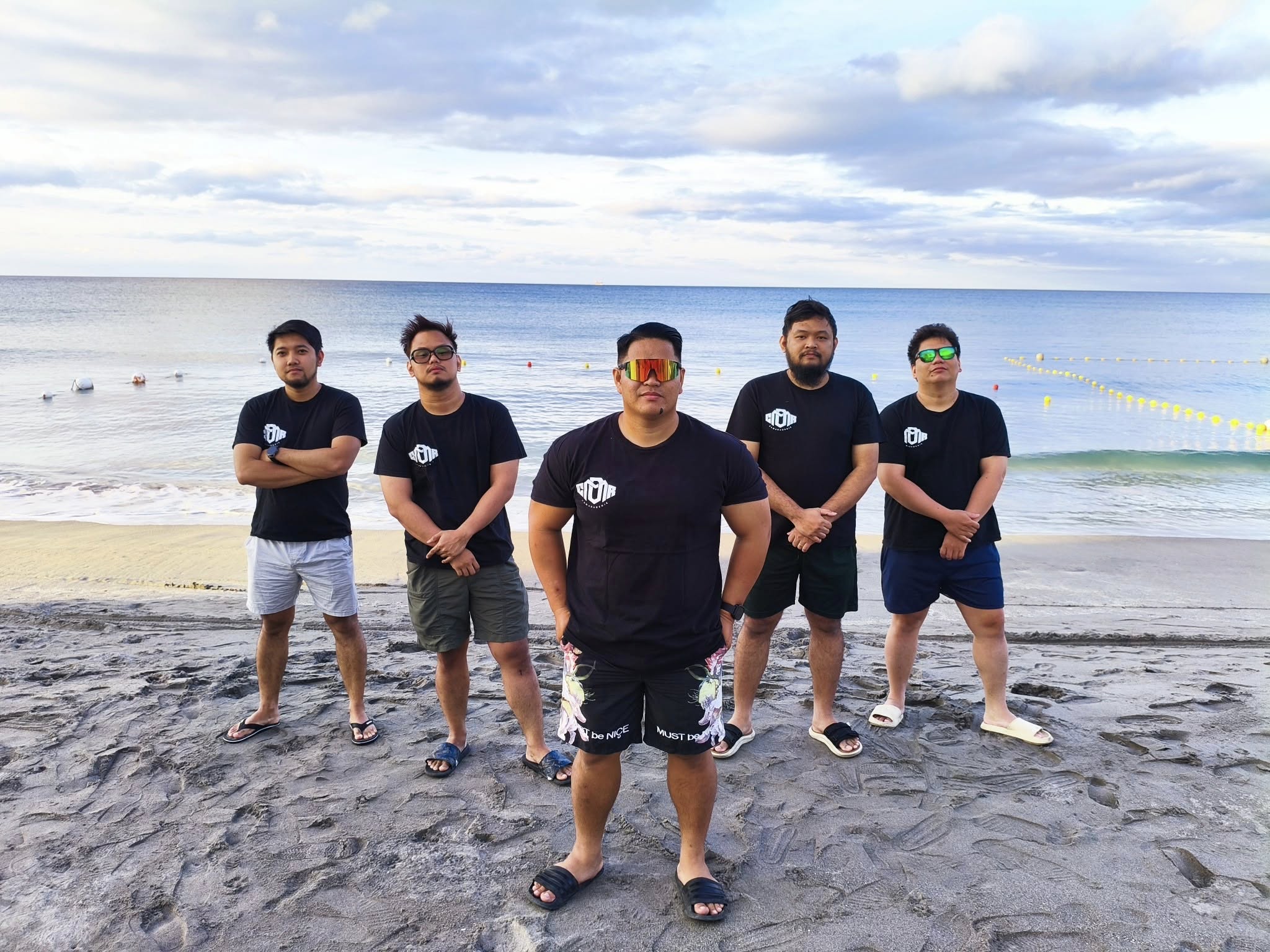
    Formed in 2018 by five college friends, Camaraderie (CMRD) wasn’t born out of a marketing strategy or social media campaign. It began the way most enduring bands do—through friendship. Back then, they called themselves Blue Liempo, jamming in school corridors, performing in events that didn’t have stages, and using whatever gear was available. But like their music, they evolved. The name Camaraderie, shortened as CMRD, came as they realized what they had was something more permanent. A name that mirrors the very foundation of their journey: connection, trust, and sticking it out no matter what.

    Since their debut, CMRD has steadily carved their space in the Filipino alternative rock scene. But this isn’t a band chasing virality. They’re not about the flash or the fast rise. What they chase instead is meaning—in melody, in memory, in moments that are often left unsaid. And that’s what makes them different.

     Filipino alternative rock

    From Campus Gigs to Soulful Singles

    Long before their songs hit streaming platforms, CMRD was just a bunch of students finding their rhythm—literally and figuratively. They started out playing school gigs, small-town festivals, and community events. The settings were modest, but the response was anything but. Audiences connected, not just because the music sounded good, but because it felt real.

    Then came 2018—the year it all officially began. Their first single, “Paalam,” dropped with a quiet kind of impact. It wasn’t flashy. It didn’t rely on trends. But it hit hard. The song spoke of letting go, of goodbye without closure, of partings that echo longer than expected. It resonated with everyone who’s ever had to walk away without the words to explain why.

    In 2019, “Hingalo” followed. This wasn’t a sequel—it was a progression. Where “Paalam” was about endings, “Hingalo” captured the suffocating feeling of trying to hold on. A quiet, internal struggle—the kind you carry alone. The band’s ability to write about emotional weight without turning dramatic is part of their signature. They lean into vulnerability but never make a spectacle of it. It’s subtle. Sincere. And that’s why it works.


    ERPAT: A Tribute That Hit Home

    Fast forward to 2024, and the band released one of their most personal works yet—“ERPAT.” In a time when love songs dominate playlists, “ERPAT” went a different route. It honored fathers. Not the cinematic kind with grand speeches, but the real ones—quiet, present, dependable.

    The track explores a kind of love that’s often unspoken. It doesn’t rely on dramatics or high-octane solos. Instead, it moves with intention. Like the men it celebrates, “ERPAT” is steady and grounded. The lyrics paint images of early mornings, silent sacrifices, and lessons learned through example, not lectures. It’s a thank-you wrapped in melody—one that many listeners didn’t realize they needed until they heard it.

    In interviews, the band speaks about “ERPAT” with a mix of pride and humility. “We wrote it for our dads,” they said. “But when it came out, we realized it was for everyone who had that kind of presence in their life. Or even those who didn’t—and wish they had.”


    No Filters, Just Feeling

    There’s a noticeable pattern in CMRD’s music: they don’t rush. They don’t put out singles just to stay relevant. Each release feels intentional, a reflection of a stage in their lives. For them, music isn’t content—it’s expression. And that shows.

    You won’t find oversaturated branding or calculated controversies in their timeline. What you’ll find is a group of artists who still rehearse like they’re playing their first gig, who still write lyrics in group chats, and who still believe that a single line in a song can change someone’s day.

    CMRD’s writing process isn’t about catching trends. It’s about catching truths. Real ones. Whether it’s the grief of goodbyes in “Paalam,” the weight of persistence in “Hingalo,” or the silent gratitude in “ERPAT,” each song comes from something lived.


    Friendship at the Core

    If you sit down with CMRD, you’ll quickly realize that the music is just one part of their story. Their bond—built on years of late-night rehearsals, shared meals, and life milestones—is what fuels everything else.

    They may have started as Blue Liempo, but what they became is Camaraderie in every sense of the word. It’s not just their name—it’s their way of life. They don’t just play music together; they’ve grown up together.

    And that growth isn’t always smooth. There were doubts. There were delays. There were years between releases. But through all of it, they stayed. The band’s journey mirrors what a lot of people go through—friend groups that become chosen families, creative pursuits that demand real sacrifices, and dreams that evolve as people do.

    Their success isn’t about streams or views, though those matter. It’s about staying grounded, about creating something worth sharing, about making people feel seen—even if just for the length of a song.


    What’s Next for CMRD?

    If the past few years have taught us anything, it’s that Camaraderie (CMRD) doesn’t move unless they mean it. So what’s next? Whatever it is, it’ll come from a real place.

    They’ve hinted at more releases, and maybe even a concept EP. But as always, they won’t put out anything unless it’s ready—not just sonically, but emotionally. That’s the bar they’ve set for themselves. And it’s high.

    In a landscape crowded with noise, Camaraderie (CMRD) chooses to be a voice. A familiar one. A comforting one. The kind that says, “We’ve been there, too.”

    Their songs are for the listeners who feel deeply but don’t always know how to say it. For the overthinkers, the quiet ones, the people who stay up late replaying memories. For those who understand that music doesn’t need to be loud to be powerful—it just needs to be true.


    Final Notes

    Camaraderie (CMRD) isn’t trying to change the world. But they are trying to tell their truth—and maybe help others feel a little more understood in the process.

    And sometimes, that’s exactly what the world needs.

  • Dear Upcoming Artists: Talent Isn’t Enough — It’s Time to Get Real About the Grind

    Dear Upcoming Artists: Talent Isn’t Enough — It’s Time to Get Real About the Grind


    Let’s get one thing straight — talent is important, but it’s not everything. If you’re an upcoming artist in the Philippines or anywhere else in the world, this might sting a little: you need to stop living in a fantasy.

    Too many artists think they’ll record one song, drop it on SoundCloud, Spotify, or TikTok, and boom — overnight fame. But here’s the truth: you’re not going to magically blow up just because your song is “fire.” Even if you’ve got bars, melodies, or vocal range for days, if you’re not willing to take risks, work smart, and invest in your music, you’ll stay stuck in the same spot.

    Talent Is Only 20% of the Equation

    Let’s be real. There are thousands of insanely talented artists out there — in Manila, Cebu, Davao, and every corner of the world. Some of them sing better than the top acts, write deeper lyrics, and have that raw, authentic vibe. But no one knows who they are. Why?

    Because they don’t market themselves.

    Success in music — especially in today’s social media-driven, algorithm-fueled industry — isn’t just about how good your track sounds. It’s about visibility, consistency, and strategy.

    If you drop a song and think the internet will “find” you, you’re not being realistic. The internet is too noisy. You’re not only competing with other musicians — you’re fighting for attention against influencers, trends, memes, and millions of other songs being released every week.

    So ask yourself: what are you doing to stand out?


    The Truth About Quality: Good Production Costs Money

    You could be the next great lyricist in OPM, but if your beat sounds like it was made on a busted laptop from 2005 and your vocals aren’t mixed properly, no one is going to take your music seriously.

    Let’s say your lyrics are deep — maybe you’re rapping about real struggles in the provinces, heartbreak in the city, or identity crises in your youth. If your producer is whack, your message gets lost. The track won’t hit. People will skip.

    Music is an emotional experience, and that includes the sound quality. Your listeners are used to hearing clean, professionally mixed and mastered tracks on Spotify and Apple Music. You need to meet that standard, or you’ll sound like a demo forever.

    And yes — great producers and engineers cost money. Not always a lot, especially if you’re smart about networking, but you won’t get there with zero budget.


    Let’s Talk About Money: Invest in Your Dream

    This is where it gets tough — because the cold, harsh truth is: money matters.
    You don’t need to be rich to succeed, but you can’t ignore the financial side of your music career. Whether it’s for studio time, production, marketing, or visuals, you need to treat your music like a business.

    Don’t rely on utang or wait for some record label to “discover” you. It’s not the 90s.

    What can you do instead?

    • Get a side hustle — freelance, do delivery gigs, sell art, teach voice lessons, flip items online. Find a way to earn.
    • Save your allowance or extra income — if you’re still in school or working a job, set aside cash regularly.
    • Create a budget for music — even ₱1,000/month consistently is better than nothing.
    • Use free resources wisely — use free beats (with permission), learn mixing on YouTube, build with hungry creatives like you.

    Your dream isn’t cheap, but it’s worth it.
    And if you won’t invest in yourself, why should anyone else?


    The Power of Promotion: Don’t Just Drop Songs, Market Them

    Here’s a brutal but necessary reminder: dropping music without marketing is like throwing a party and not telling anyone about it.

    You can’t expect streams and followers if you’re not doing the work to promote yourself.

    Here’s what you can do today — and most of it is free or low-cost:

    1. Build Your Brand on Social Media

    • Use TikTok, Instagram Reels, and Facebook to show your process, freestyles, and personality.
    • Don’t just post songs — tell stories. Why did you write that track? What’s the real pain behind it?
    • Talk directly to your audience. Be authentic. Let people connect with you.

    2. Engage With Your Fans

    • Reply to comments.
    • Shout out people who share your music.
    • Build a community, not just a following.

    3. Collaborate With Other Artists

    • Collabs aren’t just for clout — they expand your reach.
    • Find artists in the same grind as you and build each other up.

    4. Use Paid Ads Strategically

    • Boost your posts on Facebook and Instagram (₱100–₱300 per promo goes a long way).
    • Target music fans in your city, genre, or similar artists’ followers.
    • Study how ads work — don’t just press “boost.” Learn the game.

    5. Pitch to Playlists

    • Email local Spotify playlist curators.
    • Submit to blogs and YouTube channels that support indie OPM.
    • Connect with Facebook groups and Discord communities that share new music.

    6. Perform Live (Or Go Live)

    • Join open mics or gigs in your city. (Yes, even unpaid ones early on — for exposure and practice.)
    • Livestream your writing sessions or jam sessions.
    • Let people see the real artist behind the track.

    🇵🇭 Filipino Artists, You Have a Voice — Use It With Purpose

    There’s a growing hunger for original Filipino music — from indie rap to trap, R&B, spoken word, and metal. Audiences are finally craving authentic voices that reflect our stories, struggles, and triumphs.

    So if you’re coming from the provinces, the streets of Manila, the dorms in Cebu, or the beaches of Davao — your perspective matters. Don’t hide behind fake trends. Don’t copy what’s popular abroad just to fit in.

    Be real. Be Filipino. Be global.
    But most importantly — be willing to grind.


    🐐 Final Words: You’re Not Crazy for Dreaming, But You’re Delusional If You’re Not Moving

    You’re not wrong to believe in yourself. You’re not wrong to believe your song could go viral.

    But you’re crazy if you think it’ll happen without work.
    Without money.
    Without strategy.
    Without sacrifice.

    Every successful artist — from Shanti Dope to Al James to Clara Benin — started from the bottom. They made mistakes. They hustled. They reinvested. They risked it.

    So the next time you think “my song is dope, why isn’t it blowing up?”
    Ask yourself:

    • Have I promoted it properly?
    • Did I invest in production and visuals?
    • Did I connect with my audience consistently?
    • Have I studied the business side of music?

    If the answer is no, you’re not unlucky — you’re just not ready yet.

    But the good news? You can start today.

    So grind smart. Hustle hard. Build your dream brick by brick.

    Because talent is only the spark.
    It’s the grind that turns it into fire.