Tag: reviews

  • Meet LEM and the Part-Time Lovers: Manila’s Newest Indie Soul-Rock Collective Built on Chemistry and Chance

    Meet LEM and the Part-Time Lovers: Manila’s Newest Indie Soul-Rock Collective Built on Chemistry and Chance

    If you’ve ever stumbled into a live gig in Manila’s indie scene—maybe a dimly lit bar in Saguijo, or a tucked-away stage in QC—you might’ve already heard that voice. Soulful. Storytelling. Unshakably sincere. That’s LEM David, the singer-songwriter who quietly built a following with acoustic sets that hit harder than they should.

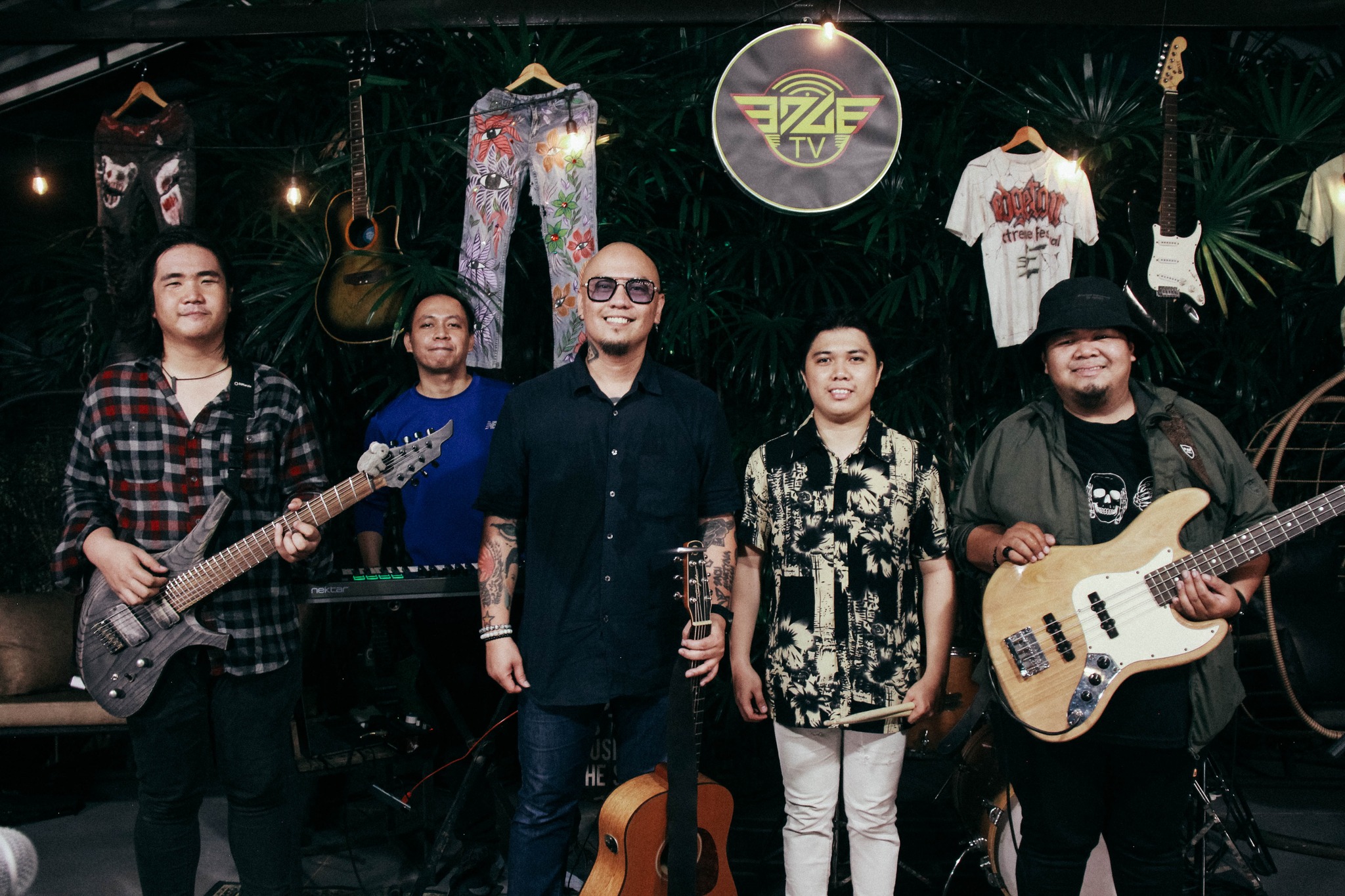
    But these days, Lem no longer stands solo under the spotlight. With a powerhouse ensemble of seasoned session players who’ve found unexpected chemistry and shared purpose, LEM and the Part-Time Lovers is fast becoming one of the metro’s most compelling live acts. Blending soul, indie rock, and that distinct Filipino emotional depth, the band doesn’t just play songs—they create experiences.

    And their story? It reads like a film script: full of chance meetings, mutual admiration, and a whole lot of heart.

    LEM and the Part-Time Lovers

    From Solo Sets to Soulful Sessions: How the Band Formed

    Long before “Part-Time Lovers” became a band name, Lem David was a solo artist hustling through the Manila music circuit. He’d often share stages with artists like Matthew Conanan, a familiar face in the same gigging circles. There was respect, sure—but the stars hadn’t aligned just yet.

    One night at Saguijo in Makati, Lem played a solo acoustic set that quietly turned heads—especially one. In the crowd was Kettle Mata, a respected session musician and producer who’d worked with some of the biggest names in OPM. After hearing Lem play, he turned to his bandmate Matthew Conanan and said, “We should produce that.”

    That simple moment kicked things off. Matthew reached out, teamed up with Lem, and from there, the first pieces of what would become LEM and the Part-Time Lovers fell into place.

    But LEM and the Part-Time Lovers wouldn’t be complete without the rest of the dream team. Ferdie Salamat, a bassist Lem met during another live gig, boldly told him: “Balang araw, magiging magkabanda tayo.” A second chance encounter made that promise real.

    Keyboardist Christian Tamayo was another musical match made in Manila. A session player with technical chops and emotional depth, Christian had played with Lem in the past and was invited to join the project.

    The final piece was Son Jurado, who responded to Lem’s open call for a drummer. The audition barely started when it became obvious—Son wasn’t just a fit; he was the sound.


    The Name Game: Why “Part-Time Lovers”?

    So, why the name LEM and the Part-Time Lovers?

    It began as an inside joke. Lem realized he was surrounded by musicians who all had their own separate gigs and careers. They were part-time lovers of the project—artists lending their time, talent, and heart when they could.

    But things changed.

    The chemistry was undeniable. The passion was real. What started part-time quickly turned into full-time commitment. The name stuck—both a tribute to where they began and a nod to the soul music tradition they carry.


    Musical Style: Easy on the Ears, Heavy on Emotion

    When asked to define their sound, the band doesn’t name-drop genres—they talk about feel. “Simple and easy to digest,” Lem says. It’s music that welcomes you in, sits you down, and tells you a story.

    Their tracks blend soul, pop, indie rock, and a hint of blues, yet still manage to sound uniquely theirs. It’s the kind of sound that feels familiar but new—a modern take on OPM storytelling.

    Their biggest musical influences? James Taylor, John Mayer, and Bamboo—artists known for heartfelt lyrics and unforgettable melodies. Locally, they look up to legends like Rico Blanco. But here’s the twist: they actively try not to sound like them.

    Instead, LEM and the Part-Time Lovers are carving out their own sonic space—somewhere between folk sincerity, pop polish, and indie experimentation.


    Songwriting That’s Honest—Even If It’s Fictional

    One surprising detail from the band’s interview? All their songs were written before they officially became a band.

    Lem, the principal songwriter, works with melody first—letting the tune lead, and letting the words follow. Lyrics come after, shaped by mood and music.

    But here’s the kicker: “All of our songs are about women,” Lem says, “but they’re all fictional.”

    That’s right. These aren’t breakup songs about real heartbreaks. They’re imagined stories—crafted narratives of love, longing, and what-ifs. And yet, they still feel deeply relatable. Because whether the story is real or not, the emotion is.

    Every song is a reflection of a mood, a moment, or a memory that could’ve been. And that, in itself, is a kind of truth.


    What Keeps Them Going: Goals, Dreams, and Gigs

    Right now, the band is focused on tightening their live performances and building more musical chemistry on stage. It’s about the groove, the sync, the flow. In their own words, their short-term goal is simple but powerful: “To be tighter as a band.”

    But make no mistake—LEM and the Part-Time Lovers are dreamers.

    They want to release a full-length album, go on nationwide tours, and, most importantly, connect with more audiences.

    “Getting the attention of the audience, especially live, is very important to us,” Lem shares. They live for those quiet moments between songs when the crowd is hanging on to every note. That’s when they know they’re doing it right.


    What’s Next for LEM and the Part-Time Lovers

    There’s a lot to look forward to.

    Their upcoming single, titled “WAGAS,” is set to drop this year—a track that promises to capture their signature mix of tenderness and groove. With more live gigs and fresh material on the way, now’s the perfect time to hop on the bandwagon.

    Want to hear them live? Follow LEM DAVID on Spotify, and keep your eyes on upcoming gig announcements. Whether it’s an intimate bar or a festival stage, you’ll want to be there.


    To Their Fans—Old and New

    To their loyal listeners, the band has one message: “Maraming salamat. Keep the music alive.”

    To new fans? Get ready to fall in love with music all over again. Whether it’s a song about an imaginary girl or a melody that makes you feel seen, LEM and the Part-Time Lovers are here to remind you that live music still matters—and that some of the best stories start in the most unexpected places.


    Stream their music, catch a live show, and stay tuned for “WAGAS”—because LEM and the Part-Time Lovers are just getting started.

    LEM and the Part-Time Lovers
  • The Indie Music Grind: Why DIY Artists Are the Heart of Modern Music

    The Indie Music Grind: Why DIY Artists Are the Heart of Modern Music

    Introduction

    Let’s be honest—being an indie musician in 2025 isn’t easy.

    You write your own songs, fund your own gear, plan your own releases, hustle your own marketing, and still get ghosted by venues or drowned out by the algorithm. Yet here you are—still showing up, still creating, still sharing your heart one chord at a time.

    This is for you—the bedroom producer, the garage band, the late-night lyricist, the indie label with a dream and a DIY spirit.

    Because while the world may obsess over polished pop hits and viral TikToks, indie artists are out here creating something raw, something real. And the truth is—modern music wouldn’t be what it is without you.


    The Truth Behind “Going Indie”

    To outsiders, “indie” might look like a genre or aesthetic. But for the people living it, indie is a mindset. It’s about independence—not just from major labels, but from expectations, limitations, and mainstream cookie-cutter formulas.

    Indie musicians wear a lot of hats:

    🎛 Producer
    🎨 Visual artist
    📱 Content creator
    💬 Community manager
    🧠 Strategist
    🔧 Sound tech

    And sometimes, you’re all of those in the same week.

    But the beauty of this hustle is the freedom it brings. No gatekeepers. No waiting for a label to greenlight your creativity. You own your masters, your voice, your vibe.

    And that’s powerful.


    The Challenges Indie Musicians Face in 2025

    No matter where you are in the world, the struggles of being independent are universal:

    1. Limited Exposure

    Millions of tracks are uploaded monthly. Playlist placement is cutthroat. Social media? A gamble. Without a viral hit or deep pockets, it’s hard to be heard.

    2. Funding and Sustainability

    Making music costs money—from studio time and gear to travel and merch. Without label advances, most indie artists fund their dreams with day jobs, side hustles, or grit.

    3. Lack of Infrastructure

    Access to studios, mentors, venues, or collaborative scenes isn’t always guaranteed—especially in regions where the indie movement is still emerging.

    4. Mental Health and Burnout

    Juggling creativity and survival is exhausting. The pressure to stay relevant, build an audience, and keep creating can take a serious emotional toll.


    The Rise of the Global DIY Scene

    Despite all odds, the indie scene is thriving—and more connected than ever.

    Platforms like Bandcamp, SoundCloud, TikTok, and Patreon have cracked the code for direct-to-fan relationships. Indie collectives, micro-labels, and even Discord servers are building global communities from bedrooms, cafés, and garage studios.

    And with just a Wi-Fi connection, you can now release a track, collaborate with artists across continents, and build a fan base one real connection at a time.


    Beyond the Mainstream: Top Music Platforms Every Indie Artist Should Know in 2025

    To win as an indie, you don’t just need great music—you need the right platforms to amplify your voice. Here are 10+ essential tools for artists building careers beyond the mainstream.

    1. Apple Music

    With strong global reach and better per-stream payouts than some competitors, Apple Music is ideal for artists seeking revenue and playlist visibility.

    2. Tidal

    Loved for its high-fidelity sound and artist-first model, Tidal pays some of the best streaming royalties and champions creators through curated playlists and editorial features.

    3. Deezer

    Deezer’s “Flow” feature uses intelligent recommendations to help fans discover your music, especially in Europe and Latin America.

    4. YouTube Music

    Leverage the power of video with YouTube Music—perfect for dropping music videos, lyric content, and engaging visuals alongside your audio.

    5. Audiomack

    Especially strong in hip-hop, Afrobeat, and Latin scenes, Audiomack is a great place to build a grassroots following with free uploads and viral-driven discovery.

    6. Bandcamp

    A go-to for direct fan support. Sell music, merch, and connect with a loyal base. Don’t sleep on Bandcamp Fridays, where the platform waives its cut.

    7. Mixcloud

    For DJs, producers, and long-form audio creators, Mixcloud is where you can share sets, radio shows, and podcasts legally—and get paid.

    8. SoundOn by TikTok

    TikTok’s own distribution tool. Upload directly to TikTok and other platforms while tapping into trend-driven discovery.

    9. Spotify for Artists

    Still one of the most important platforms. Use your dashboard to track data, pitch songs to editors, and engage fans. Just don’t put all your eggs in one algorithmic basket.

    10. RouteNote

    Want flexible pricing and distribution to all major stores? RouteNote offers both free and premium options with a super intuitive dashboard.

    11. DistroKid

    Fast, affordable, and built for volume—DistroKid lets you release unlimited music for a flat annual fee, perfect for prolific artists.


    How Indie Artists Can Support Each Other

    The indie grind isn’t a competition—it’s a community. Here’s how to uplift each other:

    🤝 Collab, Don’t Compete
    Write songs together. Feature each other. Build scenes, not silos.

    📣 Share the Stage (and the Stream)
    Book gigs together. Go live together. Visibility shared is visibility multiplied.

    🎧 Curate Playlists
    Shine a light on fellow indies. Mix your track in, but make space for others.

    💬 Trade Skills and Support
    Good at mixing? Help a newbie. Know how to run ads? Drop some knowledge.


    How Platforms and Fans Can Help the Indie Ecosystem

    🧡 Buy the Music
    Streaming helps—but $5 on Bandcamp can mean a new guitar string, a meal, or a few hours of studio time.

    🔁 Boost Visibility
    Don’t just listen—share. A story post, tweet, or playlist add goes a long way.

    🧩 Support Indie-First Platforms
    Follow blogs, creators, and platforms that highlight underground music. They’re often the only ones giving the spotlight to real artists.


    Why Indie Music Still Matters

    Indie music isn’t trying to be perfect. It’s trying to be true. And in 2025, that’s revolutionary.

    It’s music that talks about heartbreak, depression, queerness, politics, healing, and everything in between—without PR spin or commercial polish.

    It’s flawed, raw, and real.

    And that’s what makes it powerful.


    Final Thoughts: A Movement, Not a Moment

    This isn’t just an aesthetic—it’s a revolution. A global movement powered by dreamers with day jobs, local legends with cracked guitars, and bedroom producers who believe their music matters.

    So keep writing. Keep recording. Keep building.

    Because your voice—the indie voice—is the heartbeat of modern music.

  • The Quiet Struggle of Indie Bands Today: Creative Block, Burnout, and the Fight to Keep Creating

    The Quiet Struggle of Indie Bands Today: Creative Block, Burnout, and the Fight to Keep Creating


    There’s a certain magic that surrounds indie bands. They are the underdogs, the soul searchers, the stubborn dreamers who create music not because they have to—but because they need to. But behind the curtain of Spotify links, small gig posters, and DIY album drops is a raw truth that often goes unnoticed: indie artists today are struggling. Not just financially, but mentally, emotionally, and creatively.

    This isn’t just a phase. This is a silent fight that many musicians don’t even talk about anymore because it’s become their normal.


    Chasing Passion in a World That Demands Performance

    Let’s start with the obvious: indie musicians are creators and marketers, and content strategists, and booking agents, and sound engineers. While the internet has democratized music and opened up endless opportunities, it has also demanded more than what one person—or even a small band—can realistically deliver.

    If you’re in an indie band today, chances are you’ve had to learn how to edit Reels, analyze Spotify for Artists metrics, write your own PR, and beg for the algorithm’s attention, all while juggling a day job or two just to stay afloat. It’s no wonder creative burnout creeps in. You’re expected to write deeply personal songs, produce them, and then sell them like a product. And somewhere in the chaos, the soul of your music—the thing that started it all—starts to flicker.


    Creative Block: It’s Not Laziness, It’s Overwhelm

    There’s this toxic notion floating around that if you’re not constantly creating, you’re slacking. That if you’re not releasing new music every few months or jumping on trends, you’re irrelevant. But for indie artists, especially in 2025, creative block is more than a mental wall—it’s often a symptom of emotional fatigue.

    Maybe you’re too tired from your day job to write that second verse. Maybe your last single didn’t get the streams you hoped for, and now you question everything you’ve ever written. Maybe you see your peers “making it” on TikTok while you’re stuck re-recording vocals in your room for the tenth time.

    You’re not uninspired—you’re just human. You’re doing your best in a system that rewards quantity over quality, visibility over vulnerability.


    The Isolation No One Talks About

    Here’s the thing—being in an indie band can be one of the loneliest artistic paths. Unless you’re lucky to have a solid crew around you, the journey is full of self-doubt and second-guessing. You write songs from your soul, pour your truth into lyrics, and then send them out into the digital void, hoping someone, anyone, will resonate.

    It’s the kind of isolation that sinks deep, especially when you’re unsure if your art is even reaching anyone anymore. Comments get fewer, streams plateau, and it starts to feel like you’re just shouting into the void. But you’re not. Even when you can’t see it, your songs matter. Your voice matters.


    Rejection, Comparison, and the Invisible Pressure to “Make It”

    One of the cruelest ironies for indie musicians is that you start doing this out of love—but somewhere down the line, that love turns into pressure. Pressure to go viral. To be playlisted. To hit a million streams. And when you don’t, it feels like failure.

    Even though you’re doing what only a small percentage of people dare to do—create and share original art—it’s hard to escape the trap of comparison. You see friends booking bigger gigs, bands getting signed, influencers sharing their music, and you start to wonder: What am I doing wrong?

    The truth? Probably nothing. You’re just not playing a rigged game fast enough.


    Holding On to the Spark

    So how do you keep going when you feel like quitting?

    You come back to why you started. Before the metrics. Before the pressure. Before the chase.

    You remember that moment you first heard your voice on a recording. That first messy gig with five people in the crowd, two of whom were your cousins. That riff that came to you at 2AM and kept you awake because it meant something.

    Music is not a product. It’s a lifeline. It’s how some of us survive the world. And if you’re reading this, you’ve probably helped someone out there survive theirs—without even knowing it.


    What Indie Bands Need Now: Real Connection, Not Just Exposure

    If you’re an indie artist, you don’t need more followers—you need more community. You need people who will sit with your music, not just scroll past it. People who will say, “Hey, your new song got me through a rough night,” and mean it.

    So how do we build that? We start by being real again. Post your struggles. Share the messy drafts. Talk about your creative blocks. You’re not alone in this, and every time you speak up, you give another artist permission to do the same.


    To the Indie Band Reading This: You’re Doing Enough

    You might feel behind. You might think your best work is behind you. You might even be considering giving up.

    But hear this: the fact that you keep showing up for your art—even when it’s hard, even when no one sees it—is everything. That’s what makes you a real artist. That’s what sets you apart from the noise.

    Don’t measure your worth by streams or shares. Measure it by the truth you put into your songs. By the way your lyrics shake when you sing them. By the message someone might hear years from now that saves them from giving up.


    Final Words: Your Story Isn’t Over

    The world needs your music—not just the polished, viral-ready tracks, but the imperfect demos, the half-finished verses, the raw feelings.

    Keep writing, even when you feel stuck. Keep recording, even when the takes aren’t perfect. Keep showing up, even when no one claps.

    Because somewhere out there, someone is waiting to hear the exact song you’re scared to finish.

    And when you do finish it—they’ll feel a little less alone.

  • Indie Dreams: The Passion, Struggles, and Silent Battles of Artists on the Rise

    Indie Dreams: The Passion, Struggles, and Silent Battles of Artists on the Rise

    In every late-night bedroom recording, on every small gig stage, and behind every independently released track, there is an artist choosing to believe—despite the odds. The indie music scene, especially in the Philippines, is not just an alternative route to mainstream success. It is a full-blown ecosystem powered by heart, hustle, and resilience. It’s where music meets identity, and where art becomes a personal revolution.

    Going indie is rarely a calculated career move. For many, it’s the only available path. With limited financial backing, no industry contacts, and basic home gear, independent musicians rely on creativity, consistency, and a deep need to be heard. A secondhand guitar, a budget mic, a laptop with free software, and the stories they carry—this is the usual starting point.

    Passion First, Always

    Every artist begins with a spark. Not the desire for clout, but a deeper urge to translate emotion into sound. Ideas don’t wait for studios—they come during jeepney rides, while lying in bed, or in between shifts. Songs often start as voice notes, hastily typed lyrics, or half-finished verses kept alive by memory. And while the rest of the world might scroll past their latest drop, they keep creating anyway.

    What drives them is not perfection. It’s honesty. Their songs aren’t always polished, but they’re real. And in that rawness lies their greatest strength. Music becomes an outlet, a mirror, a companion. It’s how they make sense of heartbreak, celebrate friendship, mourn loss, and process the chaos of growing up in a world that often doesn’t listen.

    The Work No One Talks About

    For every song uploaded online, there’s a story most people never hear. The artist who works a 9-to-5 and still rehearses late into the night. The one who edits their own video on a cracked phone. The one who learned how to use a digital audio workstation just to save money on studio fees. These artists wear many hats: performer, producer, social media manager, designer, promoter.

    Releases are funded by freelance gigs, sideline work, or scraped-together savings. Even a single gig means commuting, carrying heavy gear, setting up in unfamiliar venues, and performing for crowds that may or may not pay attention. It’s not glamorous. But it’s theirs.

    That’s the indie grind—unseen by most, but deeply felt by those who live it.

    The Silent Cost: Mental Health

    Beyond the craft lies the inner turmoil. Choosing art often means sacrificing stability, and that decision carries weight. There’s the anxiety of putting work out into the world, the sting of low streams after months of effort, the exhaustion of juggling responsibilities, and the fear of falling behind. There’s the mental math of how much longer one can keep this up—especially when society insists success should come quickly or not at all.

    These unspoken challenges can lead to burnout, isolation, and depression. For many, making music is both the cause and cure. It triggers stress, yes, but also becomes the lifeline. It helps process emotions when nothing else works. It becomes therapy in a world where actual therapy is often out of reach.

    The vulnerability that fuels songwriting is the same one that helps others feel less alone. In sharing their truth, artists create safe spaces not just for themselves, but for their listeners. They teach people that it’s okay to feel deeply, to fall apart, and to keep creating despite the ache.

    Community: The Real Engine Behind Indie Growth

    One of the strongest yet least discussed foundations of the indie scene is the sense of community. Success here isn’t built in isolation. It’s made possible by the people who offer support—friends who shoot music videos for free, fellow artists who promote each other’s work, organizers who open up spaces, and fans who follow loyally from bar to bar, post to post.

    This collaboration over competition mindset creates a ripple effect. It leads to more shows, better songs, and stronger confidence. It creates an environment where wins are shared, not hoarded. And in an industry often dominated by gatekeeping, this openness is revolutionary.

    Art in the Age of Algorithms

    Modern indie artists also battle another force: the pressure of digital platforms. While tools like TikTok, Spotify, and YouTube offer visibility, they come with new stress. Algorithms now influence which songs get heard, who gains momentum, and how long attention lasts. Suddenly, music isn’t just about the message—it’s about the packaging.

    Artists are forced to think like marketers. They plan content calendars, optimize their captions, track analytics, and jump on trends—all while still being expected to produce meaningful music. It’s a mental tug-of-war: how to remain authentic while chasing visibility. It’s easy to lose sight of the music in favor of metrics.

    But many are learning to adapt. Some choose to grow slowly, organically, focusing on building a real audience rather than chasing viral moments. Others balance both worlds, using strategy without compromising soul. Either way, success today requires more than talent. It requires digital literacy, emotional intelligence, and a deep sense of purpose.

    A Shared Formula: Passion, Persistence, Vulnerability, and Community

    Although there is no guaranteed path to success, a clear pattern emerges among artists who manage to thrive:

    • Passion fuels their drive.
    • Persistence helps them push through setbacks.
    • Vulnerability deepens their connection with listeners.
    • Community sustains them through the long haul.

    This formula might not lead to overnight fame—but it does lead to growth, impact, and sustainability. It shapes not just better artists, but better people.

    To the One Still Holding On

    If you’re writing songs in secret, releasing music with little fanfare, or wondering if your effort is worth it—remember this: the fact that you’re still showing up is powerful. Every verse you write, every story you share, every risk you take to put your truth out there—it matters.

    Success is not just about being seen by millions. Sometimes, it’s about being seen by one person who needed your song at the right time. Sometimes, it’s about proving to yourself that you can finish what you started.

    There are no shortcuts. No secret formulas. Just this: show up, speak your truth, and surround yourself with people who believe in your vision.

    Because the ones who make it are rarely the ones who had it easy. They’re the ones who kept going.

    And that’s how all great stories begin.

  • On the Rooftop of Dreams: The Story of North Studio Marilao

    On the Rooftop of Dreams: The Story of North Studio Marilao

    Somewhere in Marilao, Bulacan, up on a quiet rooftop above is a studio, a place where dreams echo louder than the amps.

    They call it North Studio Marilao — though if you ask around, people will tell you it’s more than just a studio. It’s a refuge, a proving ground, a home for the restless hearts of musicians who carry their dreams like battered guitars across town.

    But for someone who only stepped into this circle in late 2023, North Studio is a puzzle — pieces of stories scattered across drumbeats, late-night laughter, cigarette smoke curling in the air, and the quiet moments between songs.

    This is the kind of place you only understand by feeling it.

    It started back in 2012, in a downstairs room. A small personal space where music could live without apology. As the years passed, the studio outgrew those walls — it moved up, both literally and figuratively, until it landed on the rooftop of Boss Edniel’s family home. Now, under open skies, it welcomes the bands that chase their own kind of freedom.

    There’s a rhythm to this place, and it pulses through the people.

    There’s Boss Ed — or Edniel, if you catch him between setting up mics or adjusting the mixer. For him, this isn’t just about running a studio. It’s about making space, in every sense of the word. Space for those just learning to keep time. Space for those trying to stitch their lives back together through song. Space for those starting over. Space for those who never stopped.

    And of course, the bands.

    They come through that narrow rooftop door in waves ,  some wide-eyed and nervous, others loud and familiar. Some just met each other yesterday. Some have been bandmates for years. And some? They were strangers once, bumping into each other at gigs, trading chords and half-smiles, slowly becoming the kind of friends you can’t imagine playing without.

    But it’s not just the music that binds them, it’s the space they share.

    In the early days, the studio was tiny, hot, and packed with mismatched gear. Bands weren’t always impressed. But little by little, they stayed. They adapted. They made the space their own. Because inside that humble rooftop room, there was freedom: the freedom to fail, to get loud, to get better.

    From there, the productions began to bloom.

    What started as small gatherings of local acts turned into nights, into reunions where bands collided in beautiful chaos, into Friday night jams that turned strangers into bandmates, into the kind of moments that stick to the soul long after the last song fades.

    There’s something powerful about that rooftop.

    It’s a melting pot, where people show up with their own dreams and walk away carrying pieces of each other. The guitarist who lent his pedal. The drummer who offered a lift home. The singer who cheered from the crowd even after their own set ended.

    Years later, when people tell their stories, you’ll hear the overlaps:

    “We met at a North Studio gig.”
    “We were on the same lineup.”
    “He borrowed my snare.”
    “She filled in when our bassist bailed.”

    One night bleeds into the next. One band’s story braids into another’s. And before you know it, you’re not just part of a band — you’re part of something.

    A movement.
    A family.
    A legacy.

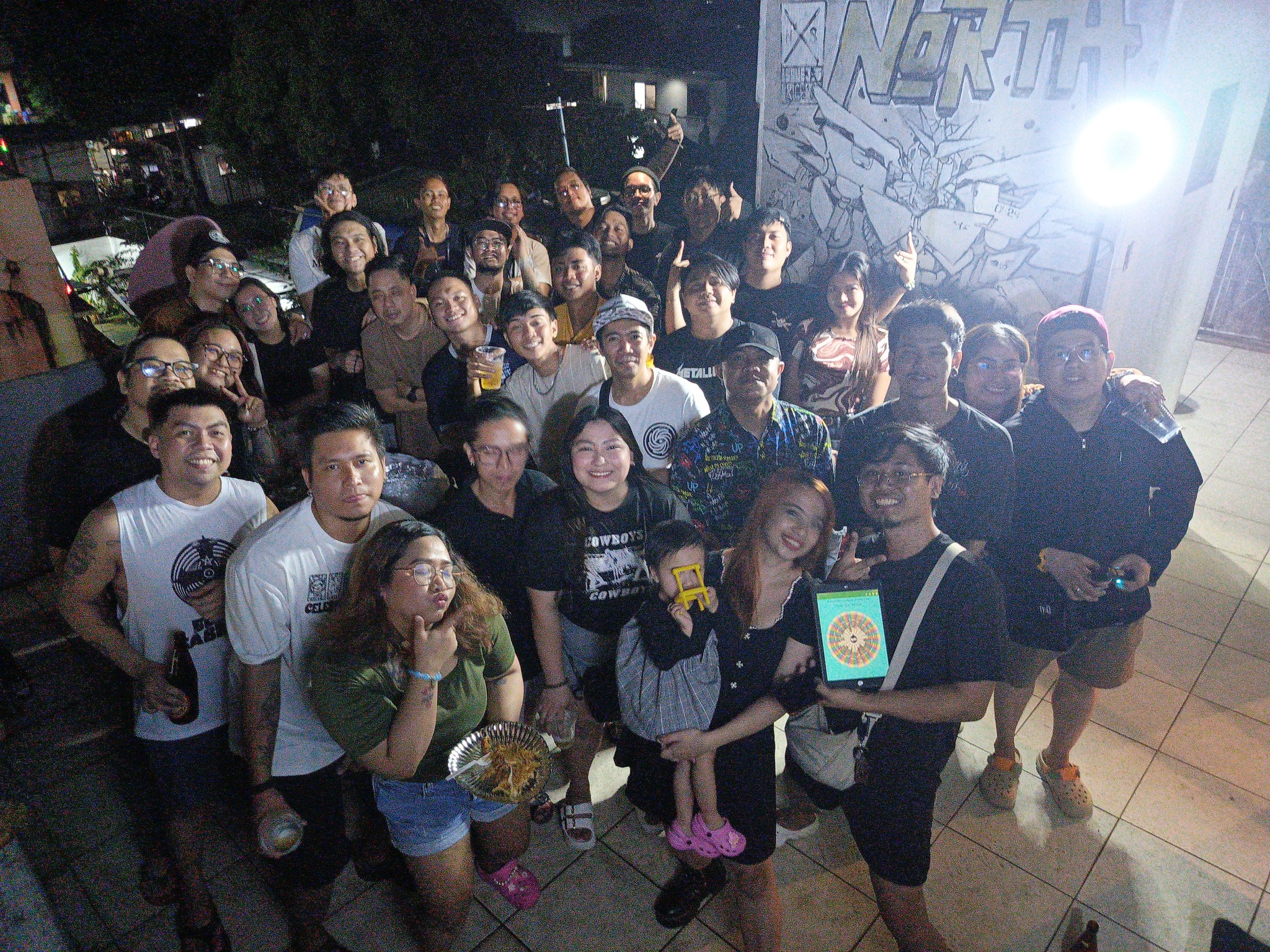
    There’s no single version of what happens on that rooftop. Some will remember the sweat dripping from their foreheads as they chased the perfect take. Some will remember the way the barangay once tried to shut them down, only to give up when the music refused to die. Some will remember standing under those cheap strung lights, realizing that for all its rough edges, North Studio gave them something precious: a place to belong.

    For the newcomer, stepping into this circle feels like stepping into a river that’s been flowing long before you arrived, and will keep flowing long after you leave. You listen, you learn, you watch. And over time, you find yourself swept into the current.

    You become part of the story.

    Because North Studio isn’t just where bands rehearse. It’s where they become.

    It’s where they figure out how to turn noise into music, and music into meaning. It’s where they learn to fight for the things they love, to carry each other when the road gets heavy, to keep showing up even when the world isn’t watching.

    It’s where the kid with the secondhand guitar finds his people.
    Where the drummer with calloused hands finds her beat.
    Where the singer with shaky knees finds their voice.

    And maybe that’s the heart of North Studio Marilao,  not just the sound, but the beating heart behind it.

    So when you hear the thud of a bass drum from the street, or catch the flicker of light from that rooftop late at night, know this: you’re not just hearing music. You’re hearing survival. You’re hearing defiance. You’re hearing a generation of artists carving out their place in the world, one imperfect, beautiful, unforgettable song at a time.

    If you ever find yourself at North Studio, don’t just look for the music. Look for the people.

    That’s where the real story lives.

    So the next time you open Spotify, search for the GrooveLabs playlist, “Bulacan Sweets.”

    You’ll hear the very heart of North Studio woven into those tracks,  others who once crammed into that rooftop room, chasing the perfect take, sweating through late-night jams, laughing between broken strings and missed cues.

    These aren’t just songs. They’re stories of young artists carving their names into Bulacan’s indie music scene.

    When you hit play, you’re not just listening to a playlist. You’re stepping into a circle where every guitar riff, every drumbeat, every lyric carries a memory.

    This is the sound of a scene still alive, still growing, still dreaming and you’re invited to be part of it.

  • Meet Secret Menu: Pop Punk’s Hidden Gem Now Taking Over the Scene

    Meet Secret Menu: Pop Punk’s Hidden Gem Now Taking Over the Scene

    If you’ve been craving fresh pop punk music from the Philippines, it’s time you discovered Secret Menu — a band that’s been quietly building momentum but is now ready to explode into the spotlight.

    Formed almost accidentally over a few drinks, Secret Menu is not your typical band. They’re a passionate group of friends who turned late-night jamming sessions into a full-fledged dream. Now, with their highly anticipated Takaw Tikim album on the horizon, the secret’s finally out — and it’s too good not to share.


    How Secret Menu Was Born

    “Random inuman lang talaga,” shares Cha (Synthesizer), laughing. Along with Ditz (Bass), Tots (Guitar), and a few original members, the idea sparked when Cha introduced them to Indonesian pop punk legends Pee Wee Gaskins.

    “Bakit hindi tayo gumawa ng bandang ganitong vibe, tapos may halong anime feels?” And just like that, Secret Menu was born — a hidden item in the local scene for those lucky enough to find it early.


    Their First Gig: Pampanga ToyCon Madness

    The band’s first ever live performance was at the Pampanga ToyCon gig, despite chaotic weather. “Signal #4 pa noon,” recalls Tots, “pero wala kaming pake, gusto lang naming tumugtog.”

    They played early tracks like “Ahandat” and “Asayam” to a brave crowd that weathered the storm with them. It was the perfect start for a group destined to bring anime-fueled pop punk energy to life.


    Secret Menu’s Growing Gigs and Unforgettable Moments

    Since that stormy debut, Secret Menu has rocked stages across Nueva Ecija, Matchbox, Cityboy Brew, Unknown13, Baylounge, and more.

    One of the highlights? Ditz crowd-surfing while playing bass — a truly unforgettable moment of Filipino pop punk crowd surfing history.
    Meanwhile, Otep (Drums) fondly remembers opening for Lost Boys Club’s “North Meets South” event, calling it his “anime training arc” moment.

    If you’re wondering where to watch Secret Menu live, keep your eyes open — they could be coming to your town next!


    Why Secret Menu Loves Playing Live

    When you watch Secret Menu perform, it’s not just music — it’s pure heart.

    “Grabe, goosebumps kapag nagsa-sing along yung crowd,” says Jivi (Vocals), recalling how fans passionately belt out the lines from “Ahandat.”

    Seeing strangers wearing Secret Menu merch or joining in on the mosh pit keeps their fire burning. “Sobrang nakakagana knowing na may sumusuporta talaga,” says Otep.


    What’s Next: Secret Menu Takaw Tikim Tour and Album Launch

    Big things are coming! Secret Menu is kicking off their Takaw Tikim Tour with gigs lined up in Malolos on May 10 and again on June 15 alongside ADDJ.

    Not just that — they’re also joining Equation Crisis for stops in Baguio, Batangas, Vigan, Tagaytay, and more. The Secret Menu schedule 2025 is shaping up to be huge, so make sure to follow them closely.

    Of course, the heart of it all is their debut album, Takaw Tikim — dropping May 3 on all platforms!


    What Takaw Tikim Album Means

    Takaw Tikim album meaning goes beyond just food imagery. It’s a celebration of emotional cravings — for love, self-acceptance, dreams, and happiness.

    Expect catchy pop punk anthems about partnership, self-love, and the sweet chaos of chasing your dreams. It’s emotional comfort food for your soul — and it’s going to be delicious.


    Influences You’ll Love

    Secret Menu proudly counts pop punk bands influenced by anime among their biggest inspirations. Think about the energy of shonen protagonists mixed with power chords and heartfelt lyrics — that’s the Secret Menu sound.

    Their music is tailor-made for fans who love vibrant anime culture fused with energetic punk rock.


    Why You Should Catch Secret Menu Live

    If you’ve never seen Secret Menu live, you’re seriously missing out. Wondering where to watch Secret Menu live? Start with their Bulacan shows or catch them during the Takaw Tikim tour!

    Whether you’re a longtime pop punk fan or just looking for new Filipino music to dive into, Secret Menu offers an electrifying experience you won’t forget.

    Get ready to sing, jump, and maybe even Filipino pop punk crowd surfing your way into the pit!


    Final Thoughts: Stay Hungry, Stay Pop Punk

    Secret Menu’s journey proves that sometimes the best things in life are hidden — like a secret item on the menu, just waiting for you to discover it.

    As they finally step into the spotlight with their first album and national tour, there’s no better time to jump in and be part of their growing story.

    Stay tuned to Secret Menu concert schedule 2025, blast Takaw Tikim when it drops, and remember — stay pop punk, stay hungry!


    Ready to discover the secret?
    Follow Secret Menu and never miss a beat.


    #SecretMenu #TakawTikimTour #PampangaToyConGig #PopPunkMusicPhilippines #WhereToWatchSecretMenuLive #TakawTikimAlbumMeaning #PopPunkBandsInfluencedByAnime #FilipinoPopPunkCrowdSurfing #SecretMenuConcertSchedule2025

  • Behind the Lens: Capturing the Pulse of the Filipino Indie Scene

    Behind the Lens: Capturing the Pulse of the Filipino Indie Scene

    The Rise of GrooveGrid: Cracking the Code in Bulacan

    It was March 16, 2024, at Brewstreet Coffee when the air turned electric and something shifted in the underground — a night that would go down as a catalyst for the local indie music renaissance in Bulacan. The event? Crack the Music Code, the first brainchild of GrooveGrid Entertainment, founded by Aldi John Dela Cruz. With a lineup packed to the brim — Northern Lads, Captain Jack, Leen TKR, Taemo, and more — this wasn’t just a gig. It was a declaration.

    The venue pulsed with raw energy, the kind only the DIY music scene could generate. But while fans swayed, moshed, and screamed to the distorted echoes of rebellion, something else was happening — behind the lens.

    Excapelabs: The Unseen Eye of the Scene

    Though no official photos by Excapelabs were ever released from Crack the Music Code. The visionary founder of Excapelabs, captured moments from the event that were never posted — not because they weren’t brilliant, but because they were still finding their voice. “We weren’t ready,” she later shared. “It didn’t feel right to release something that didn’t yet reflect our full vision of experimental visual storytelling.”

    But that moment of silence was only the beginning. A few months later, on May 5, 2024, Brewstreet Coffee celebrated its anniversary — and that marked the official first collaboration between GrooveGrid Entertainment and Excapelabs. Together, they launched Rock the 3rd Stage, blending sight and sound in a way that Bulacan hadn’t seen before.

    From that explosive night forward, a new name emerged: Groovelabs Productions — a fusion not just of talents but of missions.

    A Movement Brews in the Provinces

    Metro Manila may be the mecca of mainstream, but Bulacan’s indie music scene has been quietly building its own — and now it’s screaming to be heard. From gritty street corners to converted cafés like Brewstreet, music isn’t just played; it’s lived.

    Groovelabs became the beating heart of a diverse sonic uprising — uniting metal screamers, post-punk revivalists, reggae rebels, and shoegaze dreamers under one pulsing platform. And Excapelabs? Their lens captured it all in raw texture and vibrant contrast — the kind of music photography the Philippines didn’t even know it was missing, until now.

    Visuals that Echo the Beat

    What sets Excapelabs apart isn’t just the gear (though their low-light captures and analog-inspired treatments are undeniably fire) — it’s their commitment to creative event coverage in Bulacan that feels personal. No clean, sterile concert shots. Instead, think sweat-drenched chords, backstage cigarette breaks, and the eye contact of a performer mid-scream.

    It’s about more than aesthetics — it’s preservation. “If we don’t shoot this, who will remember it?” Issa often says. And it’s true. Every unposted photo from Crack the Music Code is a relic, waiting to be unearthed.

    Artist Spotlight: Captain Jack PH

    Among the many indie warriors rising with Groovelabs is Captain Jack PH, a band that thrives on lyrical vulnerability and high-octane presence. “When GrooveGrid booked us, we knew this wasn’t just another set,” says Genesis, the band’s guitarist and songwriter. “It felt like being part of something real, something ours.”

    Their sound — a fusion of progressive structures, alternative rock textures, and soul-baring poetry — has quickly become a favorite in the local scene, resonating with those who seek depth in distortion. Raw, unfiltered, emotionally loud — just the way the camera loves it.

    Why Visuals Matter

    Photography, when done right, becomes part of the music. It extends the life of a gig, spreads word-of-mouth like wildfire, and gives Filipino indie creatives something to hold onto — and something to be proud of.

    Excapelabs isn’t just snapping shots; they’re shaping narratives. They turn fleeting moments into digital folklore. Through their lens, the underground art movement isn’t underground anymore — it’s front and center.

    Where the Scene Is Headed

    With Groovelabs Productions now gaining traction, expect even more fusions of sound and vision. And as the photos from Crack the Music Code continue to age like fine indie wine, we’re reminded of one thing: this movement may have started in silence, but it’s speaking loud and clear now.

    Want more?
    🖼️ Dive into our gallery at Excapelabs.com
    📷 Follow the frame-by-frame journey on FB @excapelabs
    🎤 Stream our featured bands on Spotify, and don’t miss our next event dro

  • LC Studio: The Unsung Heroes Behind the Lights and Sound of Groovelabs Gigs

    LC Studio: The Unsung Heroes Behind the Lights and Sound of Groovelabs Gigs

    In every unforgettable night of live music, there’s always a backbone holding it all together—those who don’t often share the spotlight, but without whom, the magic wouldn’t even begin. For GrooveLabs Production, that backbone has been LC Studio.

    From Rock the 3rd Stage, to the emotional Benefit Event for Kevin’s Mother, and the electric energy of Bottle Rock It Launch 1, LC Studio has been there—lighting up the room and dialing in the sound so that every guitar riff, every lyric, and every drum hit hits just right. They weren’t just technical support—they were partners in creating a vibe that people didn’t just attend, they felt.

    Led by cousins Sir Lui and Sir Jtech (or Jethro), LC Studio brought not just their expertise, but their heart to every gig. What makes them special isn’t just the equipment—it’s how they blend into the team, always calm, always game, always one step ahead. Despite the small size of the GrooveLabs team, every event was a full house. And a big part of that was how LC Studio helped make sure the crowd didn’t just see and hear the show—they experienced it.

    You can tell there’s love behind their craft. And while we’ve worked with them across three major events already, there’s still so much we want to know. Like—how did they start? What drives them to keep doing this, gig after gig, with the same fire and dedication?

    We hope one day we can sit down with Sir Lui and Sir Jtech and hear their story, straight from the source. For now, GrooveLabs just wants to say thank you. Thank you for the late nights, the steady hands, the flawless cues. Thank you for being part of our community.

    Here’s to more gigs, more stories, and more music—with LC Studio right there with us.

  • A Night of Nostalgia: For the Certified 90’s Kid

    A Night of Nostalgia: For the Certified 90’s Kid

    The amps had gone silent. No more drums echoing through the night. Guitars lay still, unplugged. It was past ten, and the rules said the loud music had to stop. But nobody moved. Nobody wanted it to end.

    The garage lights stayed on. The air was thick with leftover heat and laughter. Bottles clinked softly. A fan hummed in the background like white noise to a night that refused to sleep. Someone reached for their phone. Bluetooth speaker. Spotify. Search: 90s OPM Hugot.

    And just like that, the second set of the evening began.

    No instruments. Just voices. Just memories. Everyone sang.

    The first note of Meteor Rain played and a cheer erupted. Someone stood up and did the signature hand-to-heart move. Laughter broke out, heads shook, but no one resisted. The chorus hit, and everyone joined in—word for word, choreography and all. Because if you grew up in the 90s, you had to dance when F4 played.

    Then came Wala Na Bang Pag-Ibig. The energy softened. Jaya’s voice filled the space and the mood shifted. The smiles stayed, but the eyes closed. The kind of singing that comes from somewhere deep, like you were still in uniform, whispering lyrics into your armchair during idle time in high school.

    Then it hit: the April Boy playlist.

    Honey, My Love, So Sweet dropped like a bomb. Screams. Zero warm-up. Just full-on, straight-into-the-heart karaoke mode. Invisible caps flew through the air. People jumped, pointed to imaginary crowds, acted like the heartbreak was still fresh. It was messy. It was dramatic. It was perfect.

    Next, Bakit Pa swept through the speakers. Jessa Zaragoza’s voice cut through whatever was left of anyone’s composure. An imaginary mic appeared. Someone grabbed a broom and raised it like a Grammy. The drama was peak teleserye. The joy? Completely unscripted.

    Then Bakit Nga Ba Mahal Kita arrived, and the whole room sank into that familiar ache. The kind of song you don’t just sing—you feel. Loud or quiet, everyone joined in. Because everyone knew what it meant.

    But the real kicker? Di Ko Kayang Tanggapin.

    The garage exploded. That intro alone brought everyone to their feet. April Boy’s anthem turned the hangout into a full-blown concert. More cap-throwing. More pretend heartbreak. No one cared how they sounded. It wasn’t about being in tune—it was about being in the moment.

    Because those songs? They weren’t just songs. They were time machines.

    They took everyone back to lazy Sunday afternoons with the radio on. To crushes passed through notebook paper. To rewinding cassette tapes with a pencil because the player chewed up your favorite track. Every chorus pulled out a memory you didn’t even know was still there.

    In that garage, with nothing but a speaker and a playlist, they were kids again.

    They weren’t performers. They weren’t professionals. They were just friends—the same ones who traded baon at recess, lined up for fishballs after class, and shared heartbreaks over cheap ice cream and handwritten love notes.

    That night reminded them why they fell in love with music in the first place.

    Because music brings people together. And sometimes, it’s the cheesiest, most “jologs” songs that hit the hardest.

    The night ended with raspy voices, aching cheeks from too much laughter, and one last cap-throw for good measure. And as the final song faded into silence, one thing stayed true:

    You can take the kid out of the 90s—but you’ll never take the 90s out of the kid.

  • A Friday Night Jam: When Amere, Captain Jack PH, and Continents Reunited

    A Friday Night Jam: When Amere, Captain Jack PH, and Continents Reunited

    Did you ever wonder how music connects people? Not just on stage. Not just through lyrics. But in garages. In kitchens. In quiet corners where the air hums with guitar strings and the smell of home-cooked food.

    That was exactly what happened one warm April night in Marilao.

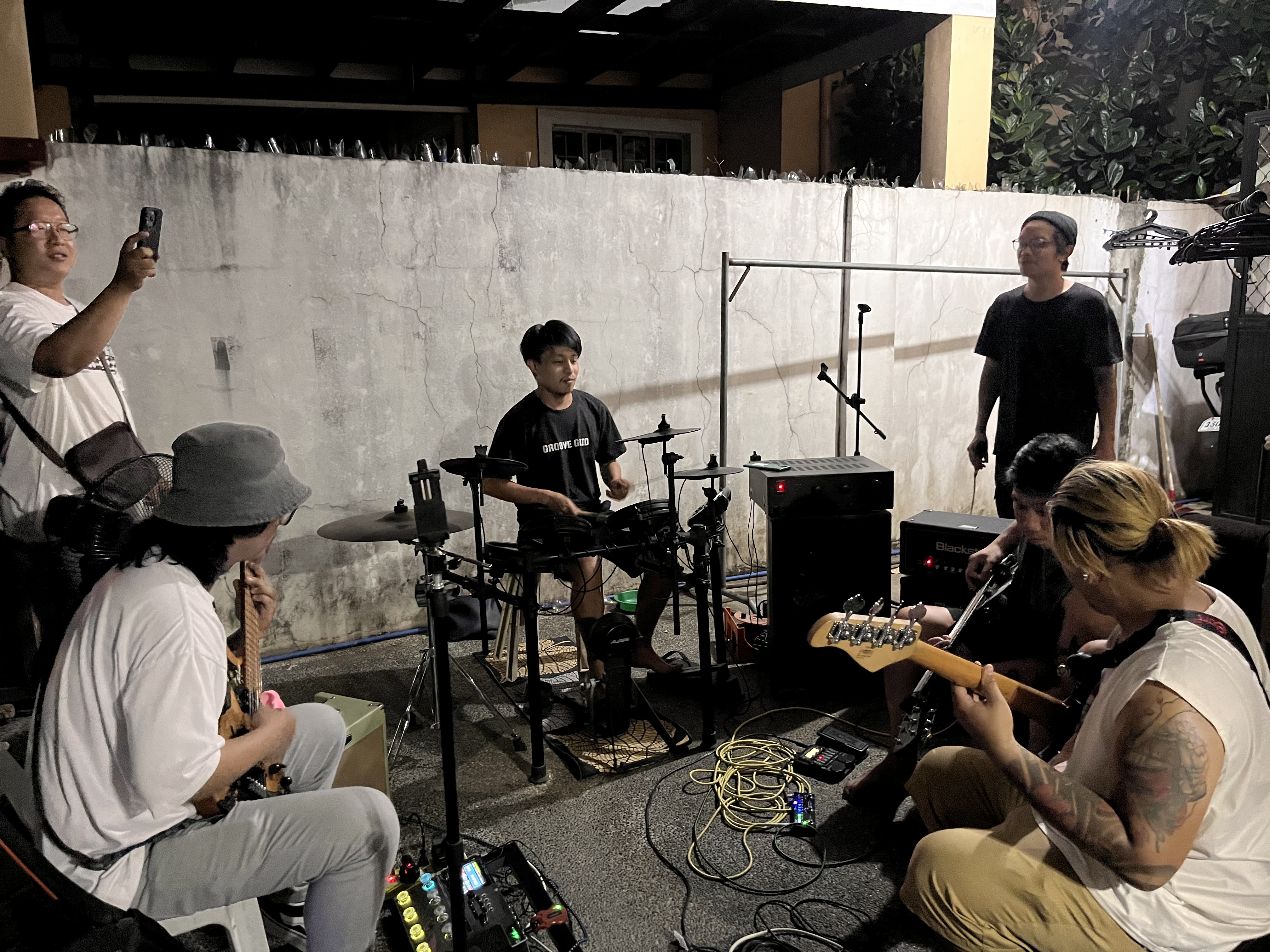
    The jam session had been planned by Emerson, the vocalist of Amere. He had sent out the invites himself. The venue? His home. A garage transformed into a playground for musicians. Electric drums. Guitars. Bass. Amps stacked like mini towers. It looked like a concert setup, but it felt more like family.

    People arrived one by one. EL of Captain Jack PH. Jani of Continents. RJ, Amere’s bassist. Marvin Gabon, also known as Gabs or Bon—once with Captain Jack, once with Amere. TY, Emerson’s current guitarist and one of Genesis’ old students. Even Genesis himself, the man behind Captain Jack, was there. Old friends. Old bandmates. Familiar faces in a familiar space.

    The night opened with quiet energy. Emerson was in the kitchen with his wife, preparing dinner. Laughter echoed from the garage. Drinks were poured. Instruments were tuned. The vibe was easy. No pressure. Just stories and songs.

    Jani sat on a chair, talking with Emerson about the early days—back when North Studio was just a room downstairs in Boss Ed’s house. That was 2013, maybe 2014. Way before it became North Studio Marilao. Way before these three bands carved out their own names. Back when Emerson and Jani would rehearse early morning every after shifts, the room echoing with dreams.

    Then, the sound of Halik ni Hudas filled the air. EL, Genesis, and Gabs kicked it off. Raw. Loud. Beautiful. You could feel it in your chest. Heads nodded. Smiles crept in.

    After that, Amere took over. They played their original songs. Then a few covers. TY leaned into his guitar like it was telling a story. RJ’s bass grounded everything. Emerson’s voice was gritty and honest. Every line felt lived in.

    Dinner was simple but warm. Plates were filled. Conversations circled around old gigs and new plans. No one was in a hurry.

    Later, Jani and Eys from Continents joined in. A little late, but just in time. More jams followed. Everyone took turns. Guitars shared. Even the silence between songs felt meaningful.

    No stage. No pressure. Just music. Just people who never really lost the spark.

    That night in Emerson’s garage wasn’t just a jam session. It was a reunion. A reminder. That music doesn’t fade—it waits. It waits for Friday nights like this. When the heat clings to your skin, when the drinks are cold, and when the music finds its way back home.