Author: Labs

  • Ultimate Ube: From Skate Fails to Gig Stages

    Ultimate Ube: From Skate Fails to Gig Stages

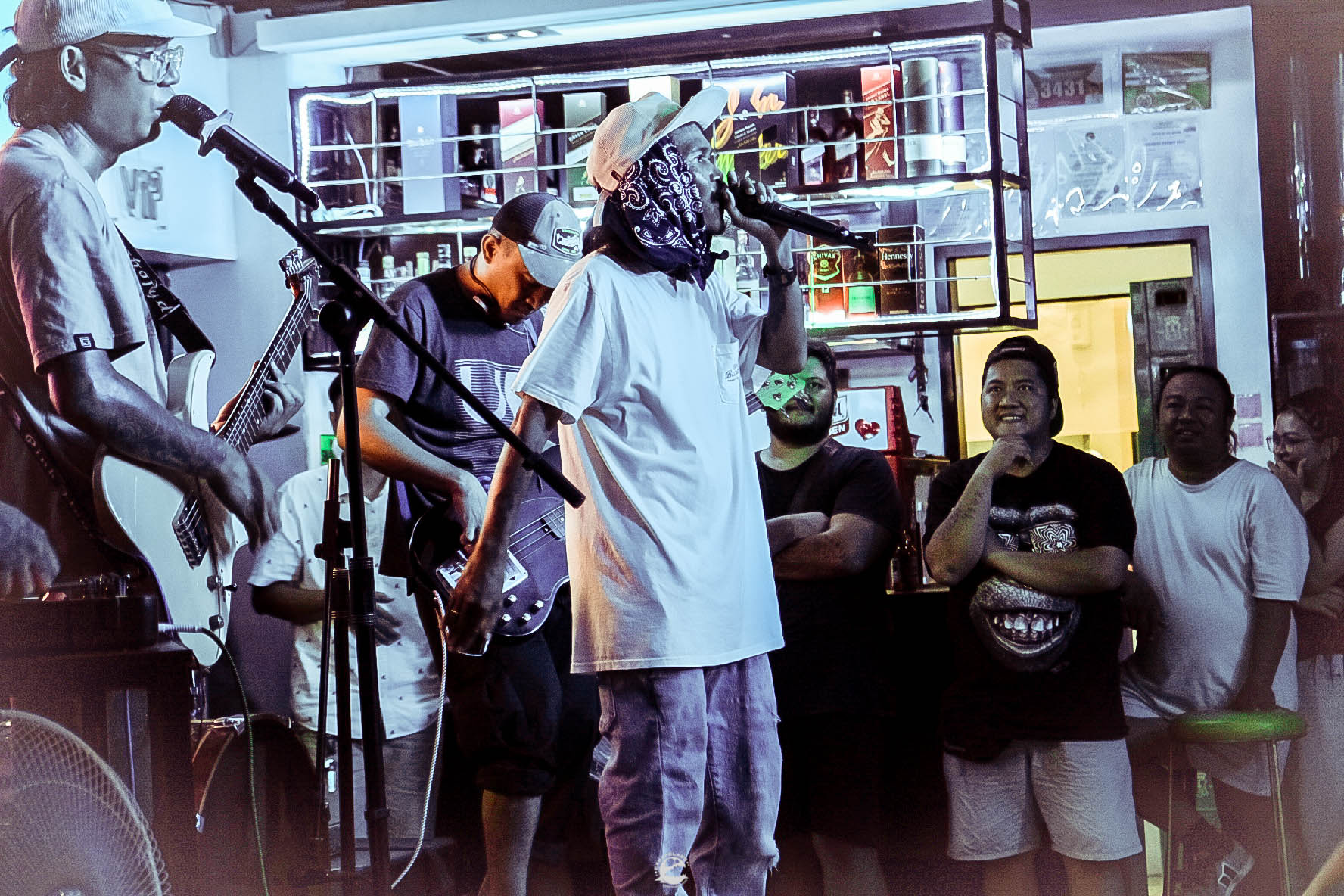
    In the middle of Ibayo, Marilao in 2004, a group of skaters failed miserably at landing tricks. So what did they do instead?

    They started a band.

    No wild story, no lightning bolt moment — just a bunch of friends who swapped boards for instruments. And that’s how Ultimate Ube was born.

    “Wala e, frustrated kami kasi ‘di kami makabuo ng tricks. Kaya nagbanda na lang kami,” the band shares through a casual, sometimes cheeky Google Doc interview. “Skateboard or die… pero parang mas okay palang tumugtog.”

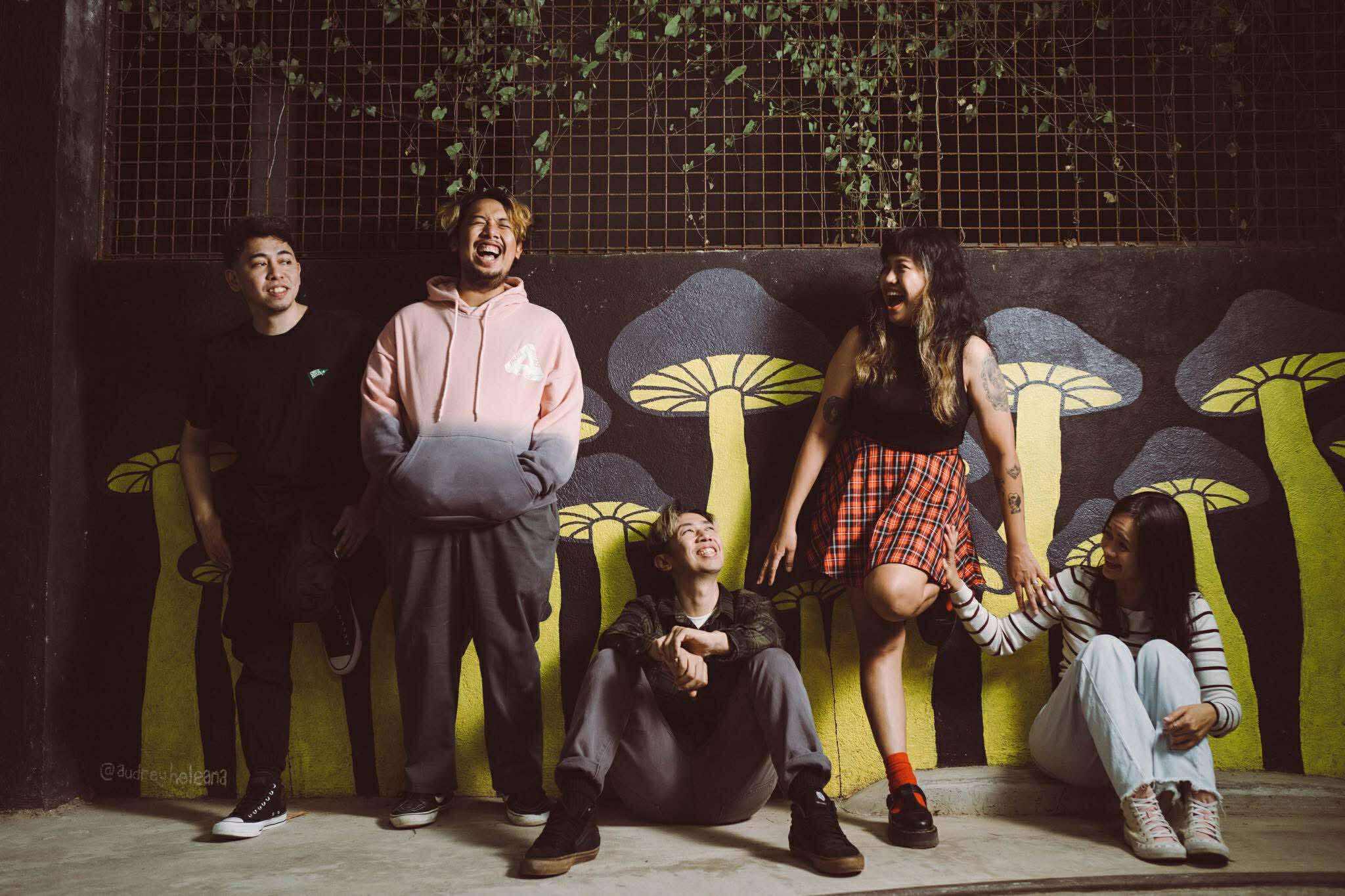
    Fast-forward two decades, Ultimate Ube is still playing — not just music, but the long game. With a lineup that now includes Arman Macarasig, Alvin Villasotto, Cyrus Malana, Aaron Manzano, Gian Silva, Lance Roxas, JD JD Oleriana Cruz, and Harrold Silva, the band continues to roll with the rhythm of life, proving that consistency — not virality — is the real flex.


    A Flavor That Stuck

    The name “Ultimate Ube” didn’t come from some deep metaphor. In fact, it came from a random mall sighting.

    “Naglalakad si Arman, nakita niya ‘yung flavor ng waffle — ‘Ultimate Ube.’ Ang pangit daw ng lasa. Yun na ‘yun.”

    No deep philosophy. Just the perfect blend of weird and memorable — much like the band itself.

    When they started, their sound was punk-ish. “Yun kasi ‘yung pinaka madaling tugtugin,” they admit, laughing. But like any group of friends who grow up together, the music matured with them. Though their influences are scattered and eclectic, they’ve learned to fuse them through endless jam sessions and constant rehearsal.

    The creative process?

    “It always starts with an idea,” they say. Sometimes it’s the vibe, sometimes lyrics, sometimes melody. Arman usually writes the words, “kasi siya rin ang kakanta,” while Alvin pitches in. Cy drafts a melody. Then the rest comes together like a jam in a garage — messy, noisy, and sometimes magic.


    Bomb Threats and Original Jokes

    Their first gig was on July 15, 2004, at Arman’s school. It was supposed to happen a day earlier, but it got moved because the school received a bomb threat. Yes, you read that right.

    “Puro original compositions ang tinugtog namin… lyrics na puro kalokohan.”

    That sentence captures the band’s spirit perfectly. They’ve never taken themselves too seriously, but they’ve always been serious about having fun.


    Real People, Real Stories

    Behind the jokes and riffs, however, are real names and real moments.

    Some of their lyrics mention actual people they know. “Mga kilala talaga namin,” they say. They don’t name-drop for attention. These are friends, exes, and maybe a few tambay legends immortalized in verses and lines.

    Not every song is born from heartbreak or epiphany — sometimes, it’s just about that one tricycle driver in their barangay who always overcharges. Or that friend who never showed up to practice but had the nerve to claim credit. Ultimate Ube doesn’t romanticize the struggle. They sing about it.

    And because writing songs takes time — sometimes a lot of time — the decision of what to release next is usually obvious. “Kung ano yung nagawa namin, yun na yun. Walang botohan.”


    Pay-to-Play and Other War Stories

    Like most indie bands, Ultimate Ube has scars from the scene. The pay-to-play gigs. The “last band” syndrome in 40-act lineups. The shows where the barangay tanod shut everything down before they could plug in.

    “Ginagawa na lang naming good memory ‘yung mga bad gig na ‘yon. Pampakwentuhan pag nagkikita.”

    Their challenges aren’t unique — it’s the classic indie combo: low funds, high passion. But what keeps them afloat isn’t some dream of superstardom. It’s the love for playing, the friends they’ve made, and the tiny wins that pile up over the years.

    They also credit supportive families for keeping the dream realistic.

    “Malaking bagay ‘yung support ng pamilya. Kaya kami tumagal.”


    When Burnout Hits

    “May burnout pace din kami,” they admit. And when it happens? They don’t force it. They take breaks, give each other space, and somehow always find their way back.

    “Kasi in the end, hahanapin din talaga namin ‘yung tugtugan. Nasa sistema na namin eh.”

    That’s not drama — that’s routine. After years of chasing venues, managing life and work, and figuring out rehearsal schedules that fit everyone’s 9-to-5s, the band has learned to ride the wave instead of fighting it.


    From Listeners to Friends

    You won’t find a fancy fan name like “UbeFam” here.

    “Wala kaming tawag talaga sa kanila,” they say. “Pero karamihan sa nakikinig sa amin, nagiging kaibigan namin.”

    That might be the most Ultimate Ube thing ever.

    They answer comments when they can. They recognize familiar faces in shows. Their listeners aren’t just metrics — they’re people they might end up drinking with after a gig.

    When asked how they feel about fans who deeply relate to their music, they simply reply:

    “Happy :)”


    Metallica, Kung Pwede Lang

    When asked who they’d love to collaborate with — local or international — they didn’t hesitate:

    “Metallica sana.”

    You gotta love the confidence.

    And why not? From skate-fails to stage-lights, this band has played long enough to earn the right to dream big. Even if it’s half-joke, half-serious, that kind of answer shows you where their head’s at — humble, but not afraid.


    The Next Riff

    Do they plan to release an album? Maybe tour?

    The answer is somewhere between “maybe” and “depende kung may oras.”

    They’re not rushing. They never have. What’s clear is that Ultimate Ube isn’t in it for the clout. They’re in it for the love of music, the friendships, the stupid in-jokes, the bomb-threat gig anniversaries, and the weird names that somehow stick.

    And if there’s one piece of advice they’d give to new indie bands out there?

    “Enjoy lang. At keep your day job.”

    Because for Ultimate Ube, that balance is the secret sauce. They’ve lived through the gig droughts, the burnouts, the cancellations, and the quiet months where nothing seems to move. But somehow, they’re still here. Still jamming. Still weird. Still Ube.

    Not for the fame. Not for the charts. But for the music, the mess, and the magic that happens when friends keep showing up — instruments in hand, stories in their heads, and zero pressure to land a perfect trick.

    Skateboards may break. But some bands? They keep rolling.

  • Behind the Song: “Insomniya” by Kenji Deadass

    Behind the Song: “Insomniya” by Kenji Deadass

    There are songs that make you feel good, and there are songs that make you feel. For me, Insomniya by Kenji Deadass falls into the second category. It’s not just a track I listen to—it’s one I feel in my chest. It’s one of those rare songs that seems to come from a place of raw honesty, like it was written at 2AM when the world is quiet and all you can hear are your own thoughts… and the echo of someone’s name in your head.

    I’m not a music critic. I’m just someone who loves music and the stories it tells. And Insomniya tells a story so many of us know all too well—the kind of love that keeps you up at night, not because you’re in love, but because you’re not sure if they are.

    When Love Turns Into Questions

    The song opens with the line, “Ganito na ba ang pag-ibig?”
    A simple question. But in that moment, it carries so much weight.

    It’s the kind of line you whisper to yourself after crying into your pillow, or after re-reading a message thread that suddenly went cold. It’s a question many of us ask when love stops feeling like a comfort and starts feeling like confusion.

    “Is this really what love is supposed to feel like?”
    “Is love supposed to leave me more sleepless than secure?”

    Kenji doesn’t scream these feelings at us—he whispers them, sings them gently, almost like he’s still trying to make sense of it himself. And that’s what makes the song hit differently. It feels real. Not overly polished. Not trying too hard. Just honest.

    “Nakuha ko lang ay insomniya”

    This line—“Nakuha ko lang ay insomniya”—might sound funny at first, like a punchline. But the more you sit with it, the more you realize how painful that truth is.

    You gave your all. You loved with everything. You stayed up late thinking of them, hoping they’d think of you too. But what you got in return? Sleepless nights. Doubt. Silence. Mixed signals. Or worse, the feeling that maybe you were never really in their heart at all.

    It’s the kind of lyric that sneaks up on you. The first time, you nod. The second time, it stings. The third time, you feel seen.

    Because who among us hasn’t experienced that kind of love? The one where you fall hard, hoping you’re not falling alone. The one where you overthink every message, replay every memory, searching for signs they might’ve felt the same.

    And in the silence of the night, the only thing that grows louder is your own overthinking.

    Holding Hands With Someone Who’s Already Let Go

    There’s a line in the song that absolutely broke me:
    “Hawak ang ‘yong kamay, ‘ket nararamdamang ‘di ‘to magiging tunay.”

    It’s such a quiet heartbreak. You’re still there. Still holding their hand. Still present. But deep down, you already know—this isn’t real. Not really. Maybe it once was. Maybe it never was. But now, you feel it slipping.

    And yet, you don’t let go.
    You keep giving. You keep hoping. You keep loving.

    This is what makes Insomniya so powerful. It’s not a song about dramatic heartbreak. It’s about quiet pain. The kind that doesn’t scream, but lingers. The kind that feels too familiar to ignore.

    It’s about unrequited love—not just the kind where they don’t love you back, but the kind where they kind of do… just not enough. Not in the way you need. Not in the way that lets you sleep peacefully at night.

    A Song for the Ones Who Love Too Much

    Insomniya isn’t about moving on. It’s not about empowerment. It’s not a love anthem or a heartbreak ballad in the traditional sense. It’s more like a diary entry from someone who’s still in it. Still loving. Still losing sleep. Still wondering.

    That’s what makes it so relatable.

    It’s for the people who give even when there’s nothing left to receive.
    It’s for those who stay up late for someone who sleeps soundly without them.
    It’s for the lovers who pour their hearts into someone who only gives them crumbs.

    And maybe that sounds sad—but sometimes, that kind of music is what helps you feel less alone. Sometimes, it’s comforting to know someone else gets it. That your pain isn’t just yours. That somewhere out there, someone wrote a song at 2AM because they couldn’t sleep either.

    No Flash, Just Feelings

    One thing I really appreciate about Kenji Deadass and this track is that it doesn’t try to be flashy. There’s no need for dramatic production or over-the-top vocals. The emotions do all the work.

    The stripped-down vibe lets the lyrics breathe, lets the pain sit with you. It’s that kind of track you play on loop when you don’t want advice—you just want company. You just want a song to say what you can’t.

    Music as a Mirror

    In the end, that’s what Insomniya is: a mirror.

    It shows us our own late-night feelings. The vulnerability we often hide. The questions we ask in silence. It doesn’t pretend to offer answers. It doesn’t try to wrap things up neatly. Instead, it just says, “Hey. I feel this too.”

    And that’s what makes it beautiful.

    Because sometimes, what we need most isn’t closure.
    It’s connection.


    Whether you’re going through a heartbreak, stuck in the uncertainty of “almost,” or just feeling a little too much for someone who doesn’t see you the same way—Insomniya is the kind of song that understands.

    Not because it has all the right words.
    But because it has all the right feelings.


    Kenji Deadass’ “Insomniya” is available on major streaming platforms.
    And if you’re like me—just a music lover trying to find the right song to match your 2AM thoughts—this one’s worth adding to your playlist.

    Let it play. Let it hurt. Let it heal.

  • Behind the Song: “Simulan Natin Sa” by Freefall

    Behind the Song: “Simulan Natin Sa” by Freefall

    A love letter to the feeling this song gives. Not a music review—just a quiet moment shared between the music and those who hear it.

    There are songs you listen to just for the melody. Some, for the lyrics. And then there are those rare songs that somehow speak to your soul at the exact moment you didn’t even know you needed them. “Simulan Natin Sa” by Freefall is one of those songs.

    From the first note, it doesn’t feel like a typical love song. It feels more like a vow whispered quietly into your chest, the kind of promise that holds your heart together on the days it feels like falling apart.

    “Paulit-ulit kong sasabihin, ikaw ang iingatan at hindi papabayaan.”
    This line alone—how it’s sung, how it’s held—feels like it cradles the listener in a soft embrace. There’s something about the way those words are delivered. Gentle. Assuring. Familiar. Like it’s coming from someone you’ve loved for a long time, or someone you’ve been waiting for your whole life.

    What makes “Simulan Natin Sa” stand out isn’t its technical structure (though beautifully done), or even its genre. It’s how it feels. It’s how the message finds its way into your most vulnerable parts without asking permission. Whether you’re in love, healing, or still quietly nursing a heart that doesn’t beat the same anymore—this song finds you. It knows where you are, and it sits beside you without rushing anything.

    More Than a Love Song

    This isn’t just a track to dedicate to someone during your happiest moments. It’s something more intimate than that. It’s a reflection of a love that is gentle, intentional, and secure. A love that’s done running after the fleeting kind and instead chooses stillness. Commitment. Presence.

    The lyrics are simple but heavy with meaning. And maybe that’s why they resonate so deeply. There’s no overcomplication. It doesn’t try to be poetic for the sake of being poetic. It simply is—like real love.

    “Ikaw lamang ang pipiliin.”
    Even after everything, even after anything, there’s something so powerful in hearing that line. It’s not about perfection. It’s about being chosen. Not just once, but always. Over time. Through hurt. Despite uncertainty.

    The song becomes a kind of emotional trigger, one that instantly connects to moments from your own story. Maybe it brings up memories of a past love—the one that got away, or the one you still wish would come back. Maybe it mirrors the warmth of someone you’re lucky to have right now. Or maybe, it’s the reminder of a kind of love you still believe exists, even if you haven’t found it yet.

    A Soundtrack for the Quiet Moments

    “Simulan Natin Sa” isn’t loud with declarations or drenched in drama. It feels more like the background music to your slow mornings, late-night thoughts, or quiet drives where you’re just… feeling everything all at once.

    It’s the song you play when you don’t want to talk.
    The one that helps you sit with your emotions when they’re too much to name.
    It doesn’t judge. It doesn’t rush you to feel better. It simply stays.

    And isn’t that what love is supposed to be? Someone staying, even in silence. Someone choosing you, not just during the good days but especially on the days when you’re unsure if you’re still worth choosing.

    There’s a moment in the song—no single lyric, just the way the music swells—where it feels like time stops. And in that stillness, you’re reminded of someone. That one person who made you believe in the possibility of forever. Or at least, in the beauty of trying.

    Even if it didn’t last.
    Even if it hurts.
    Even if you’re still waiting for them to come back.

    This song gives space for all that.

    A Song for Every Kind of Heart

    What’s special about “Simulan Natin Sa” is that it doesn’t require you to be in love to appreciate it. In fact, many listeners might find the song even more moving if they’re not. There’s a strange comfort in songs that echo what we long for or what we miss. It helps us grieve gently. It helps us hope again.

    And for those who are in love, it becomes an anthem. A song to play with your partner during slow dances in the kitchen. A promise wrapped in melody. A reminder that you’ve found someone worth keeping—and that they’ve chosen you, too.

    But for the broken ones? For those trying to move on, trying to forget, or simply trying to breathe after heartbreak—this song becomes a place to land. A place where pain is allowed to be soft. Where you can cry without guilt, or remember without falling apart. The song doesn’t ask for anything in return. It simply says, “I’m here. Feel what you need to feel.”

    And sometimes, that’s enough.

    Music That Connects

    Not all songs need to be revolutionary in sound to be life-changing. Sometimes, the most powerful music is the one that reflects your own voice back to you—the one that reminds you that you’re not alone in the way you feel.

    “Simulan Natin Sa” by Freefall does just that. It connects. It reassures. It stays.

    And maybe that’s the highest purpose of music. Not just to entertain, but to accompany. To keep us company when our hearts are heavy. To help us celebrate when our hearts are full. To make us feel seen, even when we’re silent.

    In the End

    This isn’t a review. This is just someone trying to put into words what a song made them feel. If you’ve ever loved someone deeply, if you’ve ever lost someone, if you’re still waiting for a love that feels like home—this song might mean something to you too.

    So if you haven’t yet, put your headphones on. Play “Simulan Natin Sa.”
    Let it be the soundtrack to your story—wherever you are in it.

  • Prinsesani: The Island Girl Who Sang Her Way Through Silence

    Prinsesani: The Island Girl Who Sang Her Way Through Silence

    In a world where dreams are often postponed for practicality, Prinsesani—a singer-songwriter from the paradise island of Puerto Princesa—chose to pause, not give up.

    She calls herself an “island girl from the last frontier,” but don’t mistake her gentle tone for softness. Prinsesani is the kind of artist who wears multiple crowns: singer, poet, director, writer, dreamer. Every title is stitched with grit.

    “I’m Sanilyn Gianan, aka Prinsesani,” she opens, almost shyly. “Singer-songwriter, poet, writer, director, producer, dreamer, visionary… and everything in between.” She smiled like someone who has been through all the edges of her identity and come out the other side singing.

    Dancing Before She Could Sing

    Before she ever held a microphone, Prinsesani danced. At age 3, her tiny feet moved to rhythms not everyone her age would recognize. By 5, she was humming old Broadway songs, mistakenly thinking they were for kids. It wasn’t the lyrics that captivated her—it was the drama, the emotion, the bigness of it all.

    At 7, she sang at school. By 9, she was hosting a local TV show. At 10, while washing dishes, she wrote her first song, Kaibigan, Magtiwala Ka—a tribute to her elementary barkada. She didn’t even know how to play an instrument yet. That came at 12, when she taught herself guitar just so she could accompany her words.

    And by 15? She was competing at a national songwriting competition in Baguio.

    Most people are still trying to figure out who they are at that age. Prinsesani already knew what she wanted—and more importantly, what she had to say.

    Pausing the Dream for a Bigger One

    Life, though, has a funny way of throwing side quests.

    “I had to halt everything when I transferred to Manila for law school,” she explains. “I did little gigs sa Conspi with RJ Jimenez… pero bawal eh. Kailangan magtapos.” Her music took a backseat as she poured herself into becoming a Juris Doctor. It wasn’t giving up—it was a strategy.

    “Pero music talaga ang driving force ko to finish law school,” she admits.

    When she finally passed and landed a full-time job, it became the launchpad for her comeback. She had something most indie artists didn’t: a way to fund her own music.

    Coming Home to Herself

    Her return wasn’t quiet.

    In 2019, she was discovered by veteran artist and producer Rannie Raymundo, who saw in her not just talent—but vision. That collaboration opened doors she hadn’t knocked on in years.

    “Through that, the indie world opened up for me, lalo na nung pandemic,” she shares. Her songs suddenly found their way to audiences in Australia, the US, Japan, and Singapore. It was like the world was waiting for her return.

    One of the pivotal moments was when her song SELOS topped the charts of Madhouse Music, a well-known indie label. “Baguhan pa lang ako noon, kaya di ko inexpect,” she says.

    But what stays with her the most? “Ang Bahay Ligaya moments,” she recalls—referring to a creative space and memory tied to her Madhouse days. “Mananatili iyon sa mahalaga.”

    The Song She’ll Never Forget

    If there’s one song she holds closest to her heart, it’s Pampang.

    “I wrote it for my dad,” she says. But it’s more than that—it’s a layered tribute to family, environment, and sovereignty. It’s music with a spine.

    She’s not the type to write just for writing’s sake. Her creative process is thoughtful.

    “I write with my heart, re-write with my head,” she says with clarity. She draws inspiration not from heartbreak or fame, but from literature. From stories that need to be told differently.

    Her tools? Nothing fancy. “Phone, pen, paper, and guitar,” she says. The simplicity suits her just fine.

    Staying Indie and Standing Ground

    Being independent isn’t a lifestyle choice for Prinsesani—it’s a statement. From production to promotion, she does it all.

    “I mount my own concerts,” she explains. “Social media helps. Creative friends help. Pero mostly, it’s me.”

    She knows how hard it is. “Mahirap i-market sarili mo sa isang industriya na sobrang saturated. Lalo kung wala kang team,” she says. “May puwang ba ako sa mundo nila?” she often wonders, half-laughing.

    But doubt doesn’t live long with her. Her answer to fear is motion.

    She even helped form the Palawan Songwriters Community—a platform for young composers on the island who don’t have the resources but have something to say.

    “Alam ko ang kawalan dahil naranasan ko,” she says. And because of that, she’s determined to fill those gaps.

    Writing Her Own Verse in History

    Prinsesani doesn’t just want to make music—she wants to make space. Space for others, for stories, for forgotten places and unheard voices.

    Her long-term dream? “To be more flexible with music,” she shares. She wants to finish her pending albums. She dreams of writing for a musical play. And if you ask her about her dream collaborations, she already ticked one off: Rannie Raymundo.

    But if given the chance? “Ryan Cayabyab—musical. Odette Quesada—love song. Rico Blanco and Ely Buendia—rock!” she says with visible excitement.

    And her message to aspiring songwriters?

    “Sumulat ka lang. Gawin mo muna. It’s a privilege na hindi lahat ng tao nabibigyan. Kaya kung ikaw, nakakalikha—don’t waste it.”

    From Palawan to the World

    In the sea of artists, some scream to be heard. Prinsesani whispers. But the kind of whisper that makes you stop and listen.

    She wants to be remembered not just for her music, but for what it stood for.

    “Gusto ko maalala ang music ko bilang sumulat ng mapagpalayang berso,” she says. “Yung maipaalala ang halaga ng buhay, kalikasan, pagmamahal sa Diyos at sa pagiging tao.”

    That’s how she writes. That’s how she sings. That’s how she lives.

    Final Notes

    To the community of Madhouse Music, she has one thing to say: “Maraming salamat. Sa inyo ako nagsimula at hinding hindi ko iyon nakakalimutan.”

    To everyone else?

    Catch Prinsesani on Spotify, YouTube, Instagram, and Facebook. Just search for her name. Her latest release, Tulog Na, is part of the Songwriters United Christmas album.

    And if you’re an independent dreamer, still figuring things out?

    “Sumulat ka…. lumikha ka. Husayan mo ang dangal ng iyong sining. Magtanghal ka sa entablado ng masa.”

    Because in the end, the stage is wide. The stories are many. And voices like Prinsesani? They remind us that sometimes, the quiet ones say the most.

  • Behind the Song: “Lihim” by Aiyana

    Behind the Song: “Lihim” by Aiyana

    A secret heartbreak anthem for your anime crush moments.—Written not by a music critic, but by a fellow music enthusiast who felt this song in the gut.

    “Lihim” by Aiyana isn’t just something you listen to—it’s something you relive. From the very first riff, you’re already thrown into what feels like an anime intro with emotional stakes: the kind where the main character keeps their love hidden, watching from afar, smiling even when it hurts.

    The song carries an unmistakably anime-ish vibe—from its melodic phrasing to the tasteful guitar flourishes. There’s a subtle drama in the way it moves, like it’s soundtracking a scene where someone watches their crush walk away without ever knowing how much they’re loved.

    And the lyrics?
    “Pinipilit ko nalang itago ang nararamdaman ng puso.”
    Oof.
    If you’ve ever loved someone silently, you’ll feel that line punch you straight in the chest. No pretensions, no metaphors—just raw, honest emotion. The kind you carry in your chest when you’re trying to stay strong but your heart wants to burst at the seams.

    The guitar solo deserves its own paragraph.
    It didn’t just “shred”—it cried. It stretched the emotion out, like holding your breath during a confession that never comes. It was the kind of solo that makes you headbang with heartbreak. It didn’t rush. It lingered—like the feeling of staring at a message draft you’ll never send.

    And just when you think you’ve recovered, it ends with:
    “Paano mo mapapansin ang lihim kong pagtingin?”
    Not a question you want answered—because you already know the answer.
    It’s that haunting feeling of never being noticed in the way you wish. And yet, you hope anyway.


    Why This Song Connects:
    As someone who’s not a critic—but just a person who loves music deeply—“Lihim” hit a place that’s hard to reach. It speaks for all the unspoken loves, the “what ifs,” the “baka someday.” It’s that song you’ll keep playing at 2AM when everyone’s asleep except your feelings.

    Whether you’re a fan of OPM, anime-inspired melodies, or just someone who’s ever loved quietly—“Lihim” by Aiyana deserves to be part of your heartbreak playlist.


    Stream it now on Spotify.
    Support Aiyana. Support indie OPM.
    Support the stories we’re too afraid to tell.

  • Melissa Corpus: The Songwriter Who Chose to Stay

    Melissa Corpus: The Songwriter Who Chose to Stay

    In the unassuming town of Montalban, Rizal, a voice quietly rose during the stillness of the pandemic. A voice that doesn’t belt like the power divas of the ’90s, but one that speaks — sings — truths that are heartbreakingly familiar and unmistakably her own.

    Melissa Corpus isn’t here to chase the spotlight. She’s here to write about why it hurt, how it healed, and the people who stayed or left. A singer-songwriter who writes not with grand theatrics, but with memory, loss, and hope — all bundled in a melody that tends to arrive, as she puts it, “by download.”


    The Gift She Didn’t Ask For

    “I’m more of a lyricist,” Melissa shares, “since I don’t play any instruments. Pero siguro lucky lang ako na binigyan ako ni Lord ng ganitong gift. Kapag may lyrics, parang kasabay na yung melody. Hindi ko rin ma-explain. Basta dumadating.”

    A PWD artist with Bell’s Palsy since birth, Melissa’s introduction to music wasn’t through training or conservatories. It was home — her titas and cousins playing Whitney Houston and The Carpenters on early mornings, waking her up with melodies that would later define her foundations.

    “The first song I remember loving? Whitney’s ‘The Greatest Love of All’ and ‘Paraiso’ by Smokey Mountain. Hindi ko alam, pero may hugot na agad ‘yung batang ako dun.”


    A Pandemic Pivot

    While most people were trying to bake banana bread or survive their fourth Zoom meeting, Melissa opened a YouTube channel called PPF Live Sessions and started featuring musicians.

    “I remember one convo with a guest… napunta sa relationships. Then nalaman ko songwriter siya. Sabi ko, ‘Gawa ka nga ng song about sugal.’ Pero ako pala ‘yung nakasulat nung kanta — lyrics and melody. Tinulungan na lang ako sa arrangement.”

    That song became Susugal, her first official single. From there, the pen never stopped.


    Not Just a Phase

    It wasn’t all sunshine and claps.

    “May mga times talaga na gusto ko na bitawan. Kasi totoo naman — magastos, tapos minsan parang wala namang nakikinig. Yung tipong kami-kami lang din yung nanonood sa gigs ng isa’t isa. Nakaka-discourage talaga.”

    But she didn’t stop. Instead, she wrote Serye, an entire album that chronicled her grief, growth, and grounding — from heartbreak, losing her parents, to finally finding love.

    “If there’s one song that means a lot to me, it’s Huling Tagpo. Sinulat ko siya for my ex… pero eventually naging goodbye song ko na rin for my mom who passed away last 2023.”

    Her voice breaks a little. “Pero I’m also proud of Kapit Lang. Ang dami kong natanggap na messages na ‘yun daw ang tumawid sa kanila sa hirap. Sobrang buo na puso ko nun as a songwriter.”


    From Madhouse to Meaning

    Melissa got her start at Madhouse Music, the independent label founded by Rannie Raymundo.

    “Dun ako natutong sumulat nang mas maayos. Weekly may song prompts. Dapat laging handa. Seryoso kami pero masaya. Tapos may collabs din. Kapit Lang, Munting Hiling, Pag-amin — lahat ‘yan di ko magagawa kung wala sila.”

    She fondly recalls the moment Sir Rannie heard Ikaw ang Pinili, a waltz-style wedding song.

    “Nagustuhan niya. Doon niya ako pinasok sa label. Grabe ‘yung feeling.”

    Eventually, she moved on to Cre8Music Records, where she enjoys creative freedom and support. But she’s never forgotten where it all began.

    “Kahit hindi na ako palaging nakaka-attend ng ganaps, andyan pa rin sila. Kaya salamat sa inyo, Madhouse.”


    The Writing Room

    Melissa doesn’t have a studio. No fancy gear.

    “Phone lang. Pag may dumating na melody, record agad. Saka ko na lang buuin later. Usually, nauuna ‘yung chorus. Kung satisfied ako dun, saka ko inaayos ‘yung verse.”

    Sometimes, inspiration strikes from a friend’s demo (Tahanan was born after listening to Prinsesani’s song) or a K-drama (Hanggang Kailan Kita Hahanapin came from watching Stairway to Heaven).

    “I guess more than heartbreak, mas general life experience ang source ko. Pero mostly heartbreak pa rin, kasi yun ang dami kong pinagdaanan. Char!”

    Her tone is light, but you can hear the weight behind her laughter. She writes from wounds, but she doesn’t stay bleeding.


    The Real Indie Grind

    As an artist with no band, no manager, and limited resources, how do you promote your music?

    “Connect. Guest sa prod shows. Magpitch ng sarili. Kahit free exposure lang, G na. Lahat ng open mic, events, sinasalihan ko.”

    She also writes and creates graphics for Soundscape Music Review, proof that when you love something, you don’t wait for a perfect setup — you find your way in.

    “God placed me here for a reason. Kahit may disability, kahit di ako ganun ka-pogi or ka-ganda sa stage. Di dapat yun maging hadlang.”

    The biggest challenge? Getting your songs on mainstream radio without paying fees. And representation.

    “Sana mas inclusive sa mga events. Mas importante pa rin kung anong message ang dala ng kanta mo.”


    Words for the Dreamers

    To aspiring artists still unsure of their sound?

    “Wag mong kopyahin idol mo. Pede mong gawing inspiration, pero wag mong gayahin. Eventually, makikita mo rin ‘yung sarili mong tunog.”

    Melissa also emphasizes the value of community and feedback.

    “Minsan feeling mo okay na ‘yung gawa mo, pero pwede pa pala mas gumanda. Be open to feedback. Pero know your boundaries rin. You don’t have to change everything.”

    She encourages others to join workshops, open mics, competitions, and Facebook groups.

    “Expose your work. Paano ka makikilala kung nakatago lang yan sa baul?”


    What’s Next?

    Melissa dreams of collaborating with December Avenue, Ebe Dancel, and Moira Dela Torre for a cinematic sagutan song about exes getting a second chance.

    “Yung tipong hindi pa kayo ready dati, pero ngayon, pwede na ba?”

    She also wants to be remembered — not as someone with a disability, but as someone who wrote music that mattered.

    “I want to be remembered as the ‘Ate Mel’ of the indie scene. Yung tumulong. Yung nagbigay ng advice. Yung hindi naging madamot.”

    She’s already performed on WishBus for Ikaw ang Gabay, and hopes to return. Not for the clout, but for the message.

    “It’s not about perfection. It’s about the heart. Embracing what God gave you. Nurturing it. Kasi maigsi ang buhay. Gamitin natin sa bagay na may kabuluhan.”


    Where to Find Melissa

    Spotify: Melissa Corpus
    Facebook: Melissa Corpus Music
    Instagram: @melissacorpusmusic
    TikTok: @melissacorpusmusic


    Final Note from Melissa:

    “Thank you sa lahat. Sa Escapelabs, Miss Issa, Madhouse Music, and sa lahat ng taong naging parte ng journey ko. Hindi ako andito kung wala kayo.”

    With or without the stage lights, Melissa Corpus continues to show up — quietly, consistently, and with her whole heart. That’s not just music. That’s legacy.

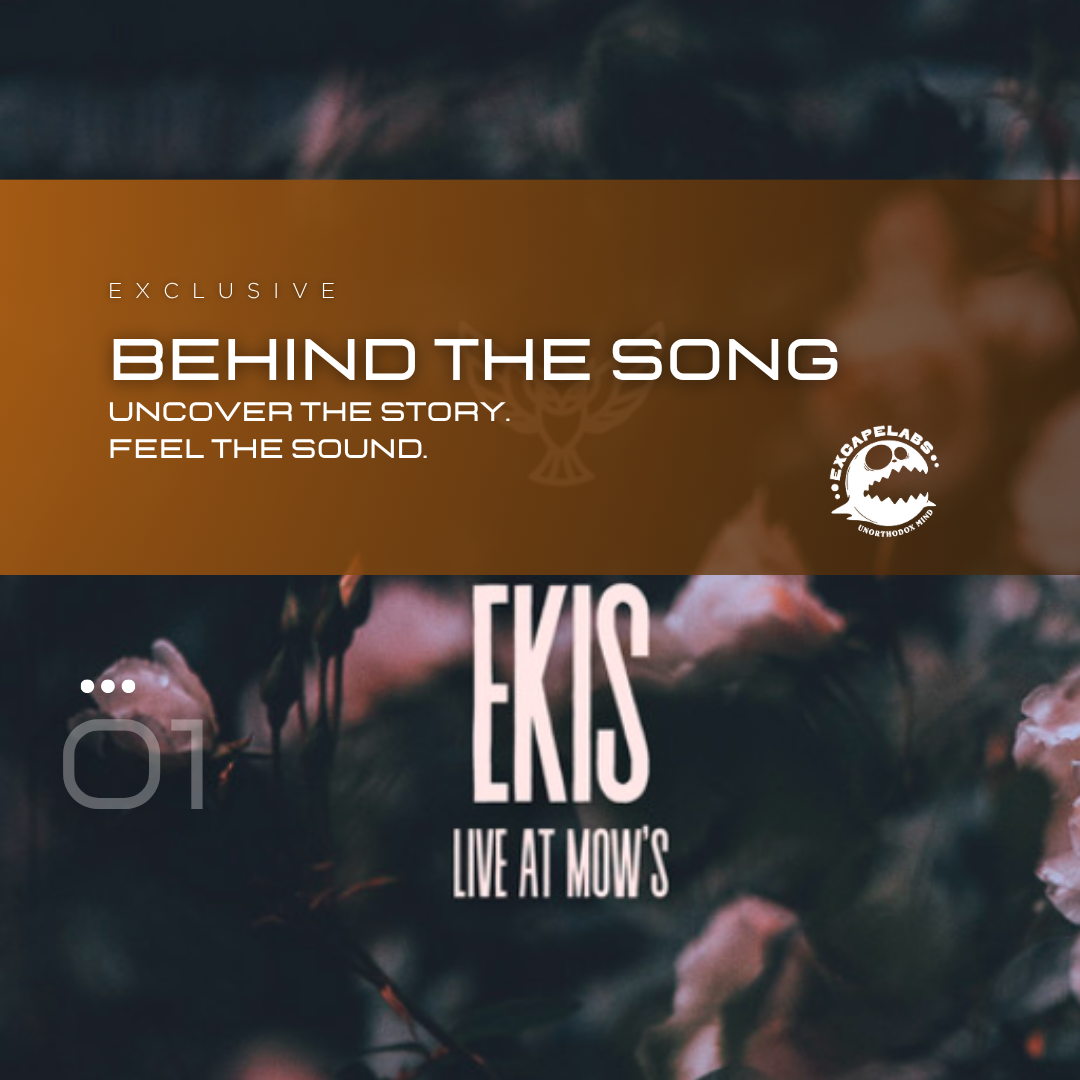
  • Behind the Song: A Listener’s Take on ELEYN – “Ekis” For the ones who gave too much. For the liars who took it all for granted.

    Behind the Song: A Listener’s Take on ELEYN – “Ekis” For the ones who gave too much. For the liars who took it all for granted.

    I’m not a music critic. I don’t have fancy words or theories. I’m just someone who plays songs on loop when they hit too close to home. And ELEYN’s “Ekis”? I had to pause the world for this one.

    You ever hear a song and feel like someone just cracked open your diary? Yeah. That.


    Let’s Talk About That Title First

    “Ekis” in Filipino is literally “X.”
    A cross-out. A hard line through something that used to mean everything.

    But when ELEYN sings it? It’s not just a breakup. It’s a funeral for all the versions of you that settled for less. A quiet rage turned melody. A scream buried under every “I’m fine.”


    🧠 Lyrically? It’s Brutal. In the Best Way.

    This isn’t the “I miss you” kind of breakup track. It’s the “I finally see through your bullsh*t” kind.
    The lyrics don’t beg. They cut—slowly, honestly, and with intention.

    “Tama na, ayoko na.”
    She’s not angry. She’s just done.
    It’s the sigh after you cry yourself empty. That moment you realize love shouldn’t feel like a test you keep failing.

    “Tigilan na natin ito.”
    No drama. No breakdown. Just the sound of self-worth coming home.
    The kind of line you say once—and never repeat.

    “Dapat na bang tapusin ito?”
    This one? It stings. Because it’s the last thread of hope—offered with open hands—knowing the answer will still hurt.
    It’s not a question. It’s a dare: Be honest with me for once.


    Sonically Speaking…

    From the first guitar strum, there’s this cold weight in the air. Like a storm’s about to hit—but instead of rain, it’s truth.

    ELEYN didn’t write this to be pretty. They wrote it to bleed. Or for me it feels like it, right?

    The vocals? Controlled, but fragile.
    The build-up? Just enough to pull you in before snapping the cord.

    It doesn’t cry. It knows.


    Why I Can’t Stop Listening

    “Ekis” doesn’t play around with metaphors or sugarcoating. It tells the truth in the way only someone who’s been broken—and survived—can.

    This isn’t about getting over someone.
    It’s about reclaiming yourself.
    It’s about crossing out every lie you believed about what love should feel like.


    🔊 Wanna Feel This Too?

    Put your headphones on. Turn off the lights. Close your eyes. And let it hurt a little with you.

    Listen to “Ekis” by ELEYN on Spotify:

    Because sometimes healing sounds exactly like this.

  • Shallies: The Band That Almost Didn’t Happen, But Did—And Now They’re Just Getting Started

    Shallies: The Band That Almost Didn’t Happen, But Did—And Now They’re Just Getting Started

    Some dreams are loud and urgent—they demand to be heard, seen, done now na. But some dreams, like the kind Gio and JL of Shallies had, simmer quietly in the background for years, waiting for the right moment, the right tools, the right time.

    For Shallies, that moment came in September 2024.


    It all started back in high school. Two boys who shared the same barkada, the same music taste, and a shared frustration: “Wala kaming pera, kulang pa sa skills, tapos wala pang maaya para buuin ‘yung banda.” That’s how Gio, the primary songwriter of Shallies, described the early days. The desire was always there—guitar chords written in notebooks, song ideas saved on old phones—but life, as it often does, had other plans.

    “Now somehow we can afford to save para makabili ng instruments at gumawa ng songs,” he shared. “Sayang kasi yung potential ng mga songs if hindi marerelease.”

    And so they did it. Quietly, no fanfare. No big launch party. Just two friends finally breathing life into songs that had long lived only in imagination.

    JL, the other half of the founding duo, put it plainly: “It all started with Gio’s idea. Siya nag-supply ng gas.”

    The name Shallies—unusual, unforgettable—was Gio’s idea too. Derived from “shilly-shally,” it captures years of hesitation and half-starts. But finally, the indecision gave way to action, and Shallies became real.


    From Bowie to Parokya: A Clash of Eras, A Blend of Styles

    If you had to describe Shallies’ sound in one word, “eclectic” wouldn’t even scratch the surface. Gio cites British legends like Bowie, The Smiths, and Radiohead as his core influences—artists known for lyrical depth and sonic experimentation. JL, on the other hand, brings in the punch: “Eheads, Parokya, Rivermaya, Oasis, Paramore, NFG, Sum 41, Greenday.” His list reads like a ’90s alt-rock starter pack.

    So how do they make it work?

    “We find the common denominator,” JL said. “Then we find a way to merge them together.”

    Gio’s approach to songwriting is rooted in melody first. “Kapag may pumasok na tune sa utak ko, I record it agad. Then the lyrics follow.” He added, “The melody creates the lyrics itself.”

    The band’s creative compass isn’t fixed to one genre. “Alternative rock ang roots,” JL admits. But from there, anything goes. A song might start out sounding like a pop punk jam and end up echoing New Wave energy. Their guiding principle? “Whatever sounds right to us,” Gio said.


    Making Music for the Masses—One Song at a Time

    “Ang goal namin? Maka-connect sa listeners. Accessible dapat ang sound,” Gio explained.

    That’s why even their arrangement process leans on the familiar. “Pop structure,” he said. “Para mas madaling ma-absorb ng audience.”

    One of the songs closest to JL’s heart is Holiday Ride, their very first complete track. “Di ko sasabihing mahirap siya buuin, pero bias ko talaga siya,” he laughed.

    Gio, on the other hand, holds a deep connection to every track. “Even if the songs aren’t based on my personal experiences, I draw from stories around me. Isang kanta, habang nanonood ako ng Friends; another, habang naghihintay ako sa elevator.”

    That’s the thing about Shallies—they’re not here to dazzle with complexity or overwhelm with abstract ideas. Their magic lies in the everyday. Songs about mundane moments that somehow hit just right.


    The Chill Before the (Hopeful) Storm

    Right now, the band is still in transition. With only three members (including their producer), they’re balancing music-making with life’s many obligations. Gigs are still a dream in the works.

    “Wala pa kaming live gigs,” Gio said. “Pero studio sessions, meron na.”

    Pre-recording rituals? “Vape at NBA,” JL deadpanned.

    Even without the full stage experience yet, Shallies is carving a space for themselves online. They recently released “Gotcha Under My Skin,” a punk/pop track dripping with teenage urgency. Coming up? Their first Tagalog single and a track simply known as Untitled Song #1, which JL says will transport listeners straight back to their high school days.


    Creative Differences? Not a Problem

    Most bands talk about “collaboration” like it’s a corporate strategy. With Shallies, it’s more fluid—less about power-sharing, more about trust.

    “Kung sino gumawa ng kanta, siya pa rin ang may final say,” Gio explained. “Pero open kami sa suggestions. If it improves the song, go.”

    JL echoed the same sentiment. “We’ll meet halfway. Pero importante din na hindi patayin ‘yung creativity ng writer.”

    It helps that they understand each other’s personalities to a T. “Pareho kami ng vibe,” JL said. “Mas outgoing lang si Gio, ako mas tahimik. Pero siya rin ‘yung OC sa details. Ayaw niya ng ‘pwede na.’”


    Looking Ahead: Dreams, Collabs, and That Elusive Break

    While they’re not in a rush to chase fame, the desire for mainstream recognition is there. “We’ll continue to improve and get better every day,” Gio said. “We want to create more classic songs that people can sing to.”

    Collaborations? JL’s keeping it grounded. “Gusto ko makatrabaho si Luis Azcona ng Maude. Typical OPM alternative rock sana.”

    As for fan encounters, wala pa daw silang specific stories of people connecting with their lyrics—but they’re hopeful. “We want to connect with fans and listeners through our music. It would be a nice feeling siguro if it happens.”

    And it will. Because if Shallies’ journey teaches us anything, it’s that the slow burn is still a burn. Quiet dreams still blaze.


    One Last Thing

    So, what do Shallies want you to feel when you hear their songs?

    They answered in sync:
    “We want our listeners to feel the emotions and excitement every time they hear our songs.”

    Not bad for a band that almost never happened. Not bad at all.

  • Inside Madhouse Music: The Glorious Shot Nobody Expected

    Inside Madhouse Music: The Glorious Shot Nobody Expected

    On January 22, 2019, while most people were making New Year’s resolutions they’d soon forget, something unusual emerged in the Philippine music scene — a platform built not for fame, but for the dreamers. It was a shot in the dark — much like the “double-1” in darts — a difficult win, but glorious if you hit it.

    That’s exactly what Rannie Raymundo — a name respected in the OPM industry — had in mind when he founded Madhouse Music, now recognized as an independent music label in the Philippines.

    “Sira-ulo ka ba?”


    Some called it crazy. And maybe that’s why it made sense to call it Madhouse.

    Before he became the visionary behind one of the most talked-about indie collectives, Rannie was passionate about darts. In that world, “madhouse” is the dreaded double-1 — a hard target. When he started building Madhouse Music Philippines, an online platform for unpaid and unsigned Filipino songwriters, people didn’t quite understand his mission.

    But Madhouse was never about being understood — it was about giving chances.

    Madhouse isn’t a traditional record label. At its core, it’s a three-pronged ecosystem:

    • A recording and production studio
    • An independent music label
    • A Philippine online radio playing unsigned and original music

    The mission is simple: provide an honest platform for self-managed artists and those with no connections — just original songs and big dreams.

    Studio Vibes: “Parang bahay ng tropa na may mic”


    Artists walking into the Madhouse studio aren’t greeted by executives in suits. Instead, they find an environment that feels like jamming with friends — but with pro-level equipment.

    “Hindi pressure cooker, kundi pressure with purpose.”

    Through songwriting challenges during the pandemic, Madhouse gave Filipino songwriters ways to grow, collaborate, and stay inspired.

    Many participants were first-time composers. But with each challenge, new songs — and communities — bloomed. The studio became more than a facility. It became a home.

    The Label: Talent Over Trend


    Forget formulas and TikTok hits. At Madhouse, the only requirement is authenticity.

    “Walang pinipiling genre basta’t malinis, orihinal, at de-kalidad ang awitin.”

    Each artist is handpicked by Rannie Raymundo himself — not because of followers or streaming stats, but because of their originality and musical substance.

    Once signed, artists receive full development — from technical help to guided exposure. It’s a slow process, but one rooted in care, not speed.

    Online Radio: Elevating Filipino Indie Voices


    Madhouse Radio may no longer be live 24/7, but its essence is alive: it plays unsigned, original music — no politics, no payola.

    The criteria? Clean lyrics, original composition, and genuine artistry. Artists can still submit their work by emailing madhousemusicvault@gmail.com.

    Looking Ahead: Indie Pilipinas on the Rise


    Madhouse dreams of seeing more indie songwriters on global stages, more Filipino stories told through music, and more artists embracing originality.

    Their advice?

    “Todo.”
    Do it with everything you’ve got — no shortcuts, no apologies.

    Follow Madhouse on Facebook and YouTube to discover the next wave of Filipino indie music.

    Be bold. Be brave. Be original.

  • AIYANA: The Bloom That Refused to Wilt

    AIYANA: The Bloom That Refused to Wilt

    Some bands are born in garages. Some in the flicker of a dream. And others, like Aiyana, were born in a haze of riffs, bar gigs, and quiet conviction — somewhere in the cool air of Tagaytay, where the fog never fully lifts but the music finds a way to rise.

    Formed in 2021, Aiyana started, as many bands do, with covers and caffeine-fueled jam nights. But what separates them from the rest is what happened after the covers. The band decided to try crafting something original — just for the thrill of it. What came out wasn’t just a song, but a signal. A spark. And from there, the fire kept growing.

    “We started out as a cover band, tumutugtog-tugtog lang sa mga bar,” kwento ng banda. “Then nagtesting kami gumawa ng original song, tapos ayun — doon na nagstart.”

    Aiyana is composed of Jec Castillo (lead guitar), GB Castillo (rhythm guitar), Jing Gonzales (bass & backup vocals), Justin Bonavente (drums), and Jayce Castillo (lead vocals). There’s something magnetic about how they introduce themselves: no big declarations, no flashy intros — just pure confidence in what they bring to the table. And if the name “Aiyana” sounds unique, that’s because it is. Not only does it mean “eternal blossom,” but it’s also the name of Jec and Jayce’s daughter. A band, a name, a family — literally.


    Soundcheck: What Does Aiyana Sound Like?

    Describe Aiyana’s sound and you’ll likely get a grin before an answer.

    “J-rock, prog-ish, pop-punk-ish with metal-core and djent riffs and pop vocals,” they laugh. “Mahirap iexplain. Pag tinanong genre namin, sinasabi lang namin: ‘Aiyanacore.’”

    It’s a sound that doesn’t sit still — it runs, it pivots, it plays. From the intricate riffs built by Jec, to the emotionally gritted lyrics penned by Jayce, Aiyana’s music sits in that rare place between chaos and clarity. Whether you’re in love, heartbroken, or somewhere in between, their songs will find you.

    Kung pakikinggan mo nang buo ang catalog nila, mararamdaman mong bawat kanta ay may bitbit na kuwento. “Love, frustrations sa pag-ibig, mga gustong sabihin pero hindi masabi… ‘yung sakit, at kung paano mag-move forward,” they explain.

    Think Typecast meets Up Dharma Down, but through the lens of anime intensity and emotional complexity. Their influences are an eclectic, beautiful mess: Jaya, Yosha, August Burns Red, Yoasobi, As I Lay Dying, and even Polyphia. If that doesn’t give you a clue on their sonic DNA, maybe it’s time to just hit play.


    Tagaytay: Scene of the Climb

    Tagaytay isn’t the first place that comes to mind when you think “indie scene,” but maybe it should be. For Aiyana, it’s not just their hometown — it’s their battlefield and sanctuary.

    “Dati walang bar or place na nagca-cater sa mga indie bands,” they share. “Parang puro show band ang priority. Pero ngayon, nakakataba ng puso isipin na may ilang venues na sumusuporta sa indie scene.”

    Their favorite? Lyleth’s Overlooking Restaurant. Hindi lang dahil sa malamig na hangin o masarap na kape — kundi dahil ito ang unang sumugal sa kanila at sa iba pang indie bands.

    And when asked what makes Tagaytay’s scene different from, say, Manila?

    “Sa Cavite, more on pop-punk and death metal. Sa Laguna, hardcore. Sa Manila, mathrock and shoegaze. But kami, we try to steer away from the usual para maging distinct yung sound ng Aiyana.”

    In short: they’re not trying to blend in. They’re trying to bloom.


    Music, Blood, and Guts

    Chemistry isn’t built in a day. But Aiyana? Their foundation runs deeper than most bands you’ll meet.

    “Yung lead and rhythm guitarist, magkapatid. Yung lead guitarist at bokalista, mag-asawa. Yung bassist at bokalista, magkakilala since 2005. Yung drummer at guitarists, dati nang magkabanda.”

    No wonder they click. This isn’t just a lineup — it’s a constellation of old ties, late-night rehearsals, shared meals, and inside jokes.

    At kahit na may times na parang gusto nang sumuko — walang tulog, walang bayad, sariling gastos sa tugtog — the passion keeps them moving. “Masayang tumugtog e. Passion talaga. Tapos looking back, iniisip namin bakit ba namin ito sinimulan in the first place.”

    This isn’t a band chasing clout. They’re chasing connection.


    Bigger Dreams, Braver Steps

    Ask them what their dream gig is and the answer is delightfully humble: “Basta big stage!” they laugh. “Gusto namin ma-feature sa Wish Bus, tsaka sa Cozy Cove.”

    They know that putting their music out there — sa Spotify, sa Facebook, sa live gigs — is not easy. Pero they’re in it for the long haul. And they’ve got something most bands struggle to find: vision. Hindi lang basta music para sa kanila. It’s therapy, it’s storytelling, it’s rebellion, and healing wrapped into rhythm and melody.

    And for the younger bands trying to follow the same path?

    “Hindi biro ‘to,” they warn. “Kailangan matibay ang loob. Bawal ang sensitive. Don’t be afraid to express yourself. Dapat iisa kayo ng goal. Time management din. And most importantly, love each other. Hindi namin sinasabing jowain niyo mga kabanda niyo — hahahaha — pero love and understanding talaga.”

    In a world where egos often crash before the chords even do, Aiyana’s advice hits differently. It’s not just about skill or clout. It’s about building something that lasts — something that, like their namesake, keeps blooming.


    The Lighter Side of Aiyana

    Of course, it’s not all tears and tuning.

    Who’s always late to practice?

    “Si Jing! Akala namin wala nang tatalo sa record ni Justin, pero Jing wins! Love you, Jing!”

    One song they wish they wrote?

    “ABC by Polyphia” — no hesitation.

    Favorite Tagaytay food?

    “Bulalord (bulalo!), Cecilia’s Buko Pie, at siyempre, sa Diner’s!”

    If Aiyana was a movie?

    “Sci-fi love story pero anime-ish tapos bida si Justin!” Hilarious. Fitting.

    And three words to describe themselves?

    “Unique. Experimental. Innovative.”

    They laugh after saying it — almost sheepish. But you know what? It’s true.


    Aiyana Is Just Getting Started

    There’s a kind of quiet power in how Aiyana talks about their journey. Walang pasikat. Walang pa-deep. Just real stories, good music, and the people who never stopped believing in them.

    If you listen closely, you’ll hear it in their riffs — the sound of a band that didn’t just find itself, but fought to become something special.

    So the next time you find yourself in Tagaytay, between the steam of bulalo and the chill of the fog, keep your ears open. Somewhere nearby, Aiyana is probably playing a set. And they’re playing like it’s the only night that matters.

    Because to them — and to everyone who listens — it always is.