Author: Labs

  • From JS Proms to Dream Stages: The Heartbeat Behind LunarLights

    From JS Proms to Dream Stages: The Heartbeat Behind LunarLights

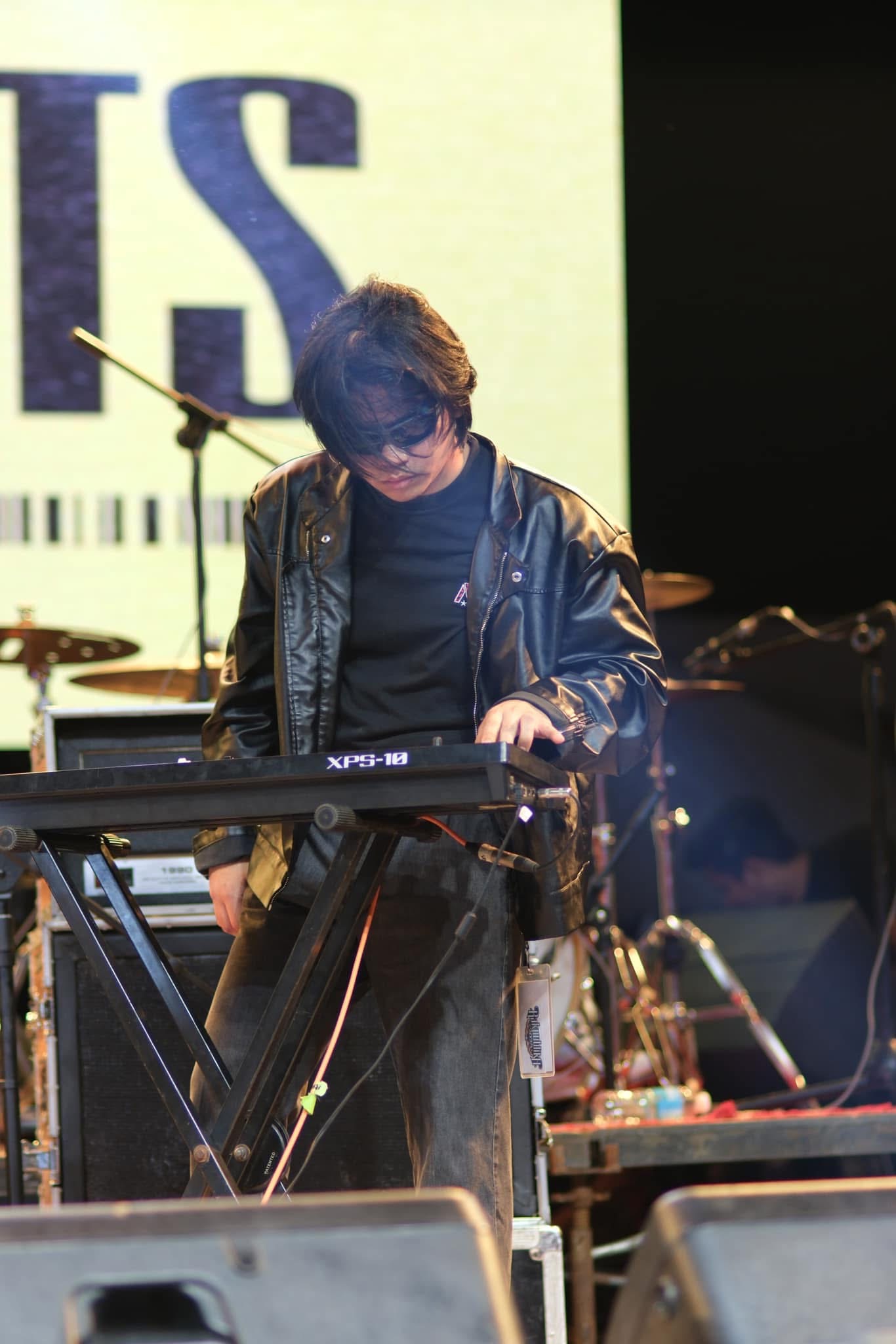
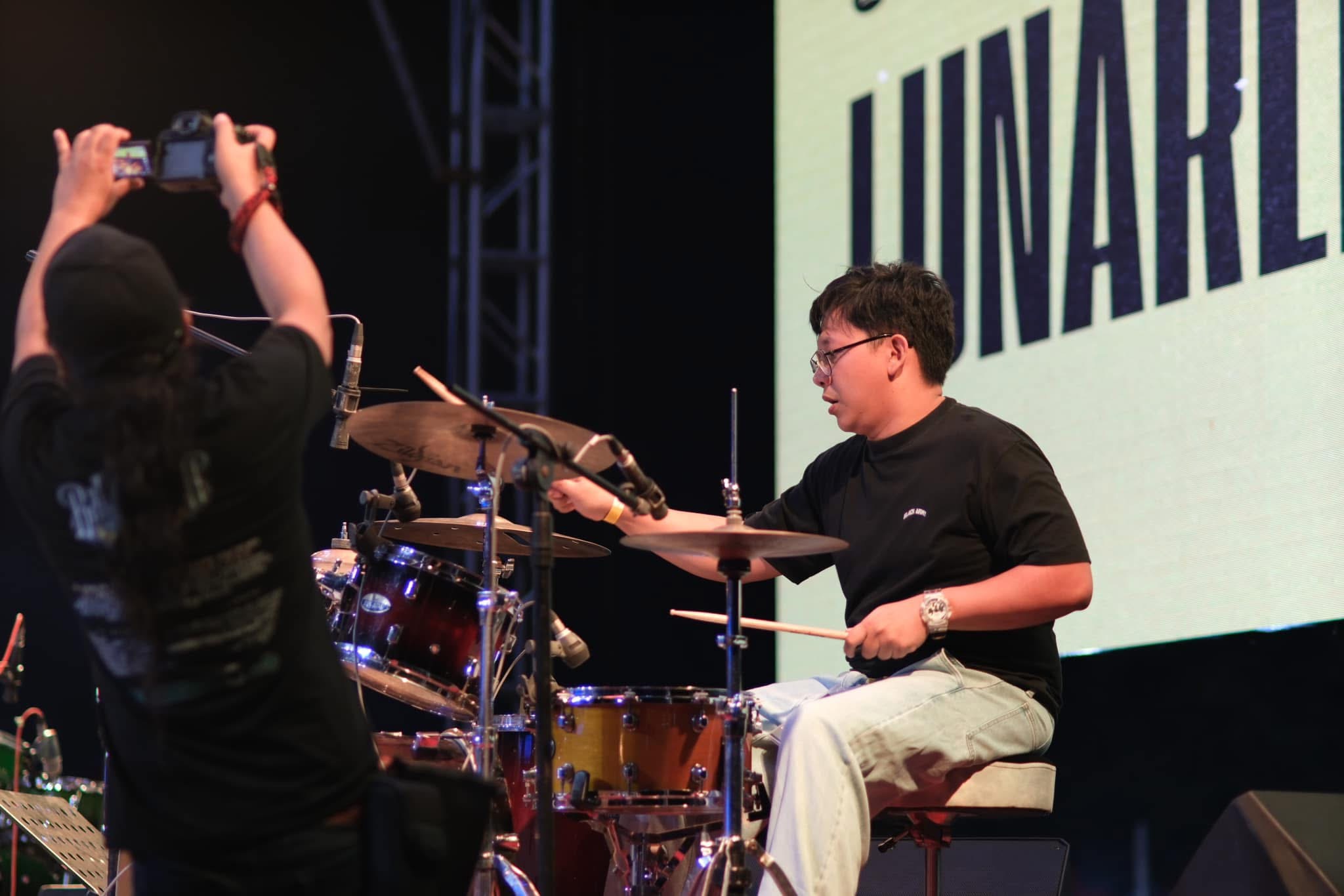
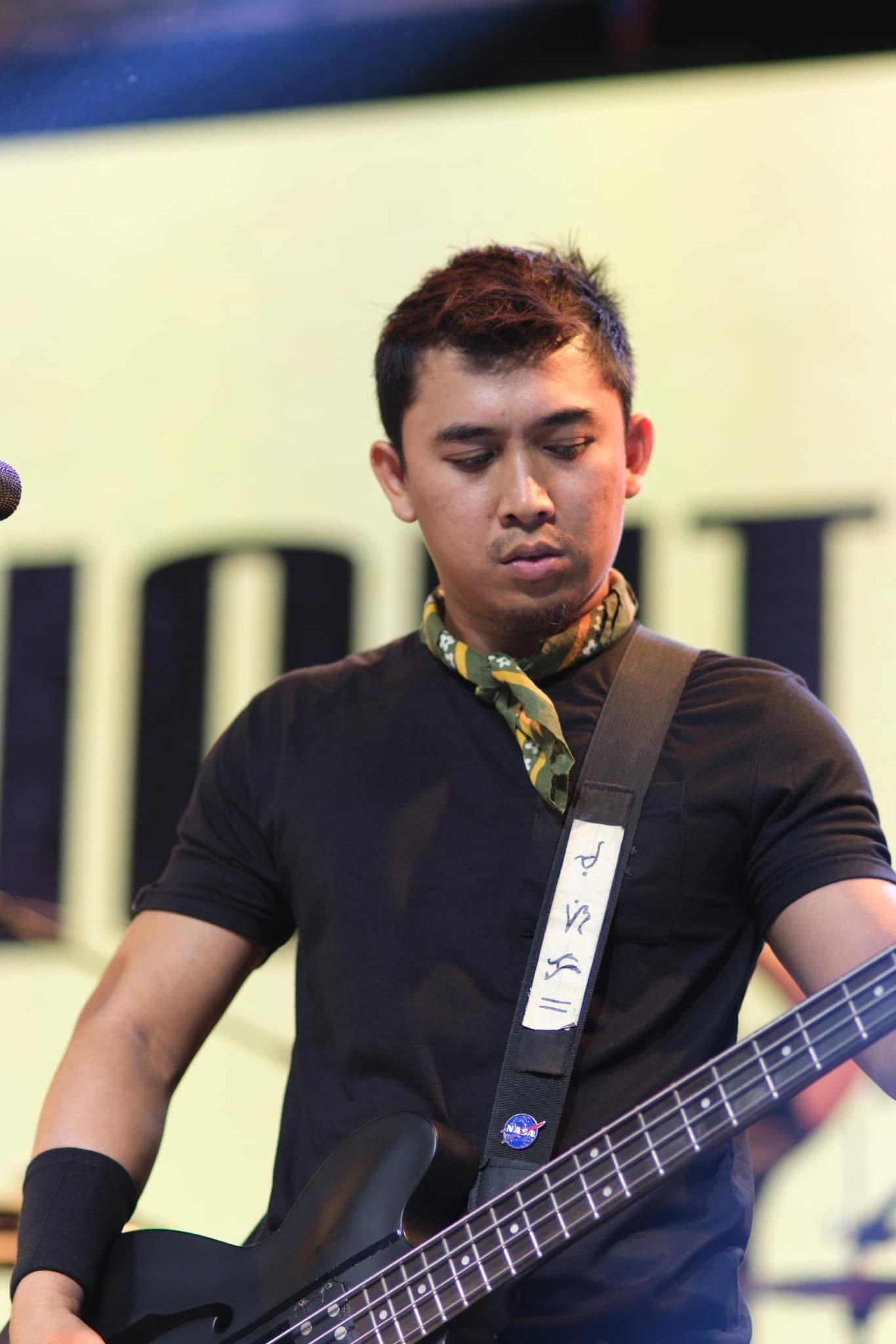
    When you’re young, playing at your college prom feels like the peak of the dream. You set up, strum a few chords, the crowd yells, and for one brief, glorious moment—you’re somebody. But for LunarLights, that moment didn’t end when the lights dimmed and the decorations came down. It was just the start of a decade-long ride under the neon skies of the Philippine indie music scene.

    The year was 2012. Three college musicians—Eron, Mav, and Rocky—came from completely different genres. Ska. Metal. Alternative. On paper, they shouldn’t have worked. But the first time they jammed, something clicked. “Parang may chemistry, ang dali namin magtugma kahit magkakaibang genre namin,” Eron recalls. It wasn’t long before they started playing outside school, and soon after, they found themselves onstage at the Singkaban Festival, catching the attention of Sir Trix Parco—a pivotal moment that catapulted them into a world beyond university gigs and barkada jams.

    That world would eventually know them as LunarLights, a name born from a stargazing session and a shared love for Angels & Airwaves, UFOs, and anything vaguely cosmic. The band’s original name, The Sky Parade, had to be shelved when they realized it was already taken. “Di ko na maalala paano naging LunarLights yung dating Lunar Flight,” Eron laughs. It’s that kind of organic chaos—accidental, spontaneous, weirdly perfect—that defines the band.
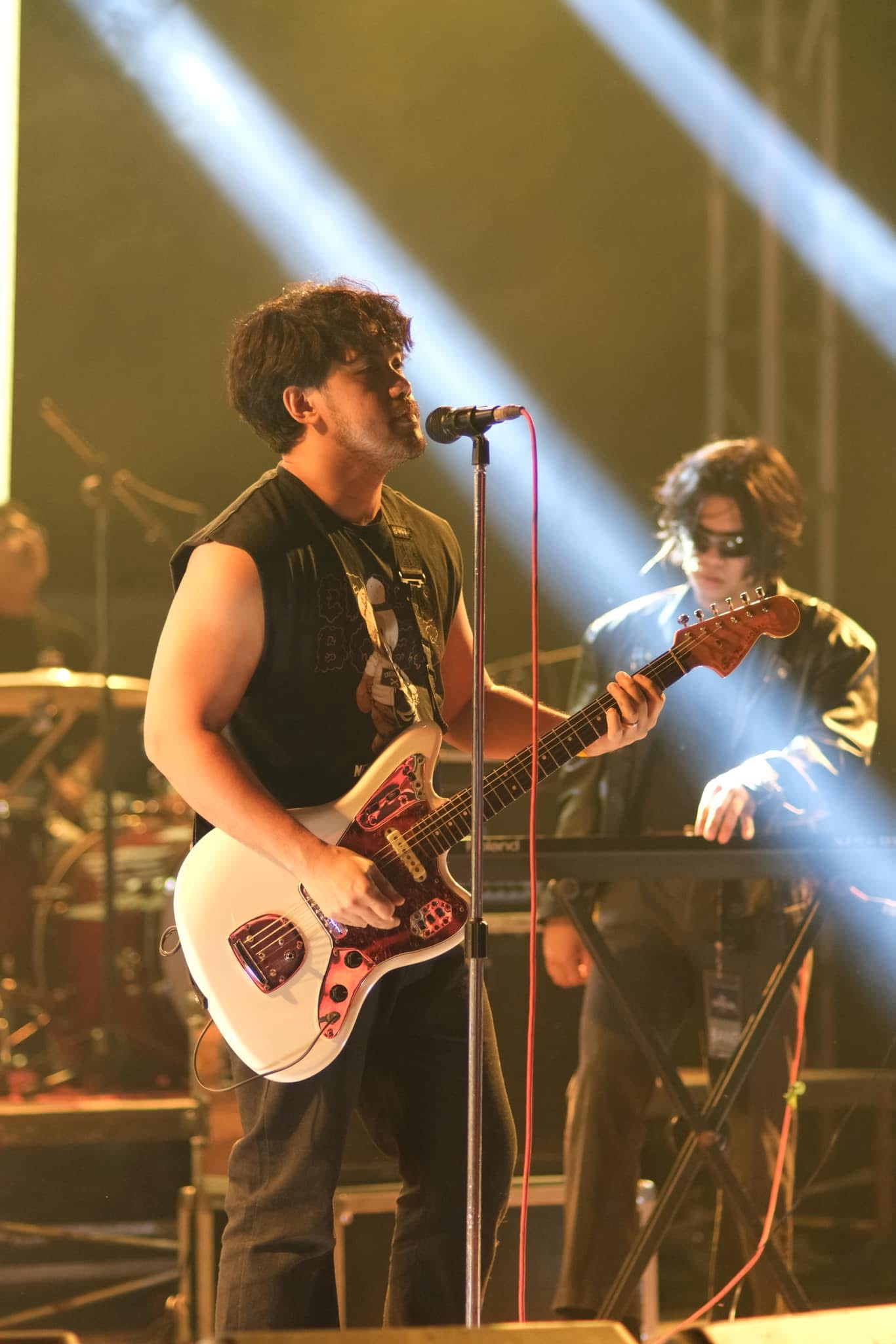
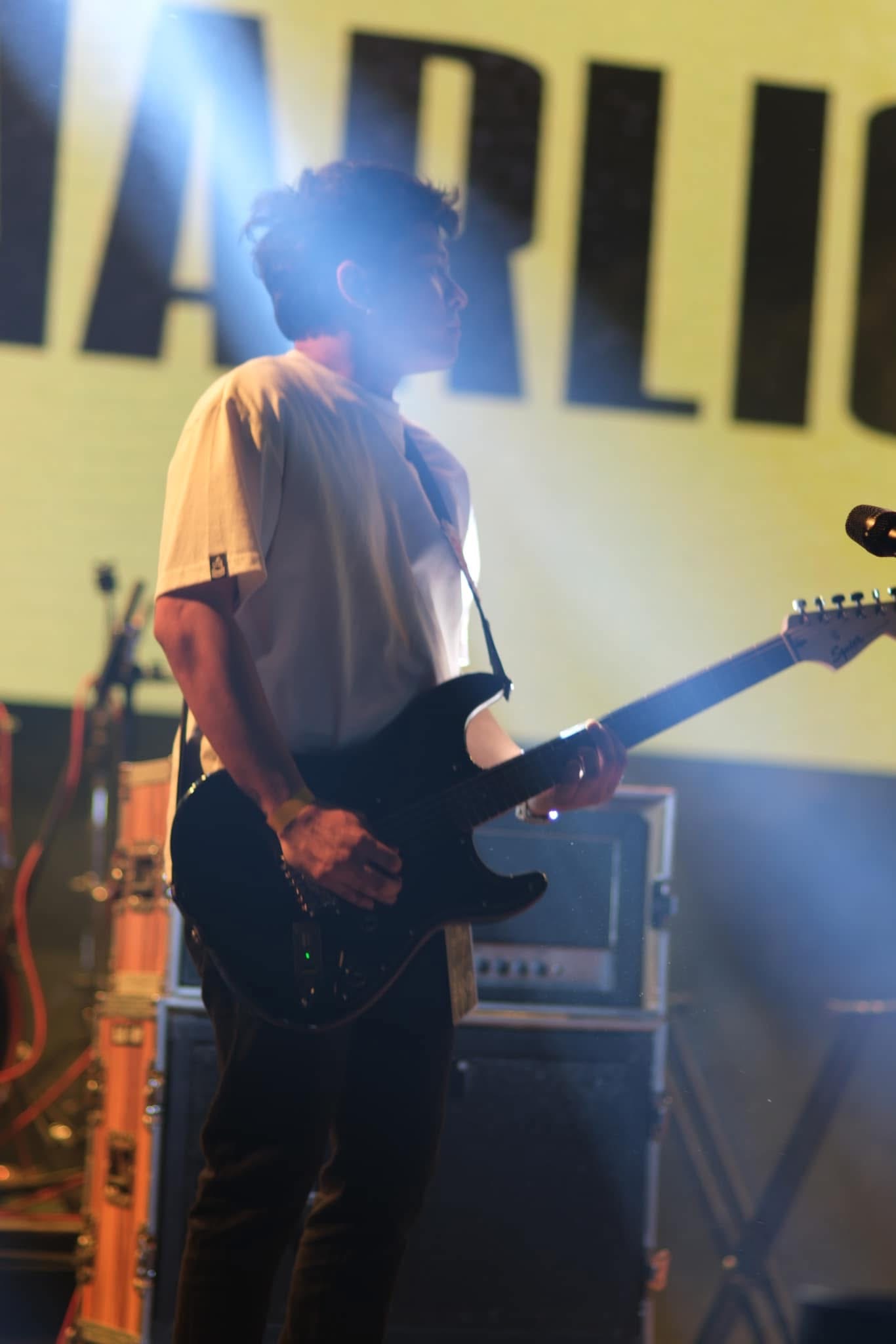
    Medyo Pop-Punk? Medyo Iconic.

    Ask anyone in the scene what genre LunarLights plays and you’ll probably get a shrug followed by a smile. Even the band doesn’t pin themselves down. “May nagtweet dati na tama raw yung term na ‘medyo pop-punk’ para i-describe yung tugtugan namin,” Joms shares. It’s a hybrid sound—half catchy hooks, half teenage angst, all heart—that resists easy labeling. And they like it that way.

    From space rock beginnings (thanks again to their Angels & Airwaves obsession), their sound evolved along with the lineup. Members came and went, and each change left its own sonic footprint. “Mas naging solid, mas naging tight,” Eron says of their current direction. Think Blink-182 with just a dash of Rico Blanco, then run it through the lens of Filipino storytelling, and you’re close—but still not quite there.


    Writing Songs, Building Worlds

    Their writing process is as collaborative as their sound. Joms usually comes in with the skeleton of a song. Then the rest of the band tears it apart and puts it back together again. “Lapag-lapag kami ng ideas hanggang mabuo yung kanta,” says Eron. There’s no formula, no drama—just a lot of music and even more laughter.

    Their producer sometimes steps in with ideas during studio sessions, but the final product is always unmistakably LunarLights. It’s a balance between freedom and structure, creativity and compromise. “May say ang lahat kung may iimprove pa yung kanta,” Joms adds. And no, walang tampuhan. Not even close.

    If you’ve never heard a LunarLights song before, the band suggests a few key tracks. Eron says “Restart” is the one, especially for listeners dealing with life’s many curveballs. “Perfect siya sa mga nag sstruggle ngayon,” he adds. Peter votes for “TYT,” praising its catchy nature and emotional relatability. And Joms? “Kay Dalas.” For him, it defines the band’s signature medyo pop-punk sound, layered and fun, especially when performed live.


    Band Dynamics, On and Off Stage

    Backstage, LunarLights isn’t a band—it’s a barkada. Everyone has a role. Eron calls Migs the silent killer, while Peter proudly claims the title of pabibo—“Pinaka maingay at komedyante sa banda!” It’s clear they’re not just bandmates but people who actually like being around each other. And that’s not always a given in this business.

    How do they keep the spark alive after more than a decade? “Napipilitan na lang kami sa isa’t isa. Char!” Eron jokes. But the real answer comes from Peter: “Respeto at supportahan lang namin sa isa’t isa.” They value input, accept suggestions, and understand that creativity thrives in community, not competition.


    Indie, But Never Invisible

    In a country where musical talent often gets lost in the algorithm, being an indie band means living with uncertainty—and still choosing to create anyway. “Mas madali ngayon sa songwriting kasi malaya ka,” Eron says. But Peter adds nuance: “Mahirap siya in terms na di mo alam kung pano ipaparating sa ibang tao yung mga kanta mo.” It’s a double-edged sword. Yes, they’re free to write whatever they want—but reaching people? That’s a whole different game.

    Still, the milestones matter. Being featured in Spotify’s RADAR, releasing their first album, playing on big stages with crowds in the thousands—each one a badge of honor. “Dun pa lang yata nasabi ko na yung ‘we made it’,” Peter shares.

    For Joms, the dream is even bigger: “Kapag nagkaroon kami ng kahit isang hit song…yung kanta na maririnig mo kahit saan, tapos madadala kami kahit saan.” He imagines telling his future kid: “Anak, dahil sa kanta na ‘yan nabili natin ‘tong bahay!”—a fantasy, sure, but also a future that feels just one song away.


    From Janella Salvador to Alien Collabs

    As for dream collaborations? The answers are as delightfully unpredictable as the band itself. Eron drops Janella Salvador with a straight face. Peter, ever the wildcard, suggests a collab with Skusta Clee or Flow G, injecting rap into their signature sound. And honestly? That might just work. LunarLights has always been about the unexpected.

    At the heart of it all is a simple message: “Life is beautiful. Music is life. Enjoy niyo lang!” Eron says. Peter echoes this sentiment: “Enjoy lang gawin yung mga bagay na magpapasaya sayo.” And Joms? “Enjoy every moment.” No pretensions. No grand philosophies. Just joy—and maybe a guitar solo or two.


    Who They Are Today, and Who They Want to Be

    So, who is LunarLights in 2025?

    The answer is refreshingly consistent: “LunarLights pa rin siguro,” says Eron.

    Peter agrees, adding that the band saved him at a time when he was ready to give up on music. And Joms, ever the dreamer, puts it this way: “A band trying the best—hopefully tomorrow we become one of the best.”

    It’s that blend of humility and ambition that sets them apart. They’re not chasing clout or gimmicks. They’re just six guys who started in a college gymnasium and ended up under actual stage lights. Not bad for a band that once considered calling themselves The Sky Parade.
  • ELEYN: From Studio Tambays to Stage Takeovers

    ELEYN: From Studio Tambays to Stage Takeovers

    “Hoy grabe, baka isulat ni Issa ‘yan!” Elaine blurts out in the middle of laughter, her voice half-laughing, half-hysterical. The rest of the band howls, trying (and failing) to keep a straight face over Zoom.

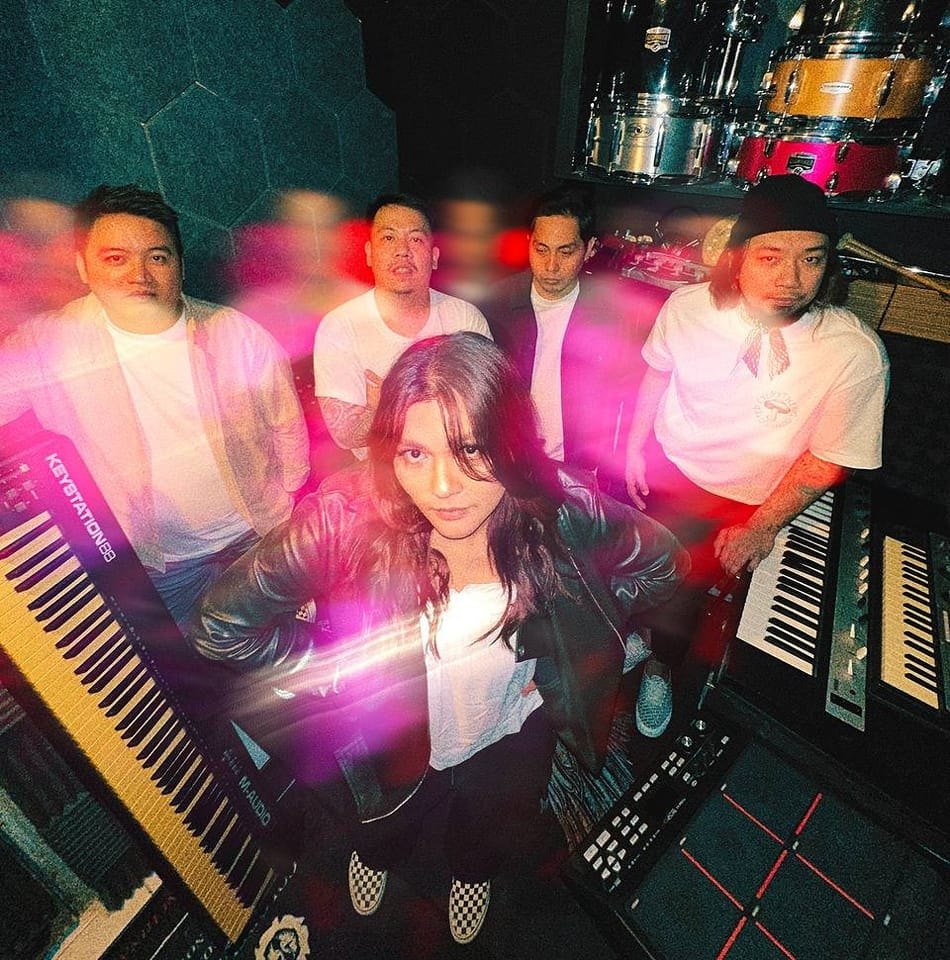
    You know you’re not just talking to a band—you’re catching up with a barkada na walang filter, walang arte, and definitely walang takas sa asaran. ELEYN isn’t just a music project. It’s a shared wavelength, the kind you build over years of late-night tambays, impromptu sessions, and inside jokes too twisted to explain. And as they tell it, the band began—like most barkadas do—“tambay lang muna.”

    From Elaine to Eleyn

    Back when they were still figuring themselves out musically, the band didn’t even have a name.
    “Mga bagets pa kami noon,” Elaine recalls. “Nagkaayaan lang magkita, may gig na kami the next day tapos wala pa kaming pangalan.”

    They eventually landed on Elaine, but changed the spelling to ELEYN so it wouldn’t sound like a solo act. “E-L-E-Y-N na lang para hindi ako mukhang solo artist,” she laughs.

    It stuck. And thank god it did.

    Gig or Gimmick? Pareho.

    Before any official releases, they juggled originals and covers. “Nagpaparamor lang kami kapag may request yung event,” says Paolo, the band’s guitarist-slash-tropa na laging may pakwela. They performed tracks from Paramore, Versa Emerge, and other scene staples while crafting their own sound behind the scenes.

    But even before that—there was just a studio. And some heartbreak. “Tambay lang kami sa studio, tapos si Elaine may ex pa noon—iyak siya,” Paolo teases.

    “Hoy, grabe!” Elaine blurts, half-laughing and half-begging.

    Too late. (Sorry, Elaine.)

    Behind the kulitan is a deeper chemistry. These are people who know each other’s history, mood swings, and flavor ng paboritong kape. And that’s the reason the creative process flows easily. “Alam na namin gusto namin sound. Mabilis lang makabuo ng kanta kasi naka-visualize na,” says Angelo (aka Tito Wiwi), guitarist and resident brain when it comes to production.

    The Line-Up Saga

    ELEYN officially started in 2010, but the lineup we see today came together around 2021–2022. “Mahaba ‘yung story, ang daming naging bandmates. Iba-iba lineup dati,” the band explains.

    Shad, the band’s drummer, started doing double pedals because of ELEYN. Paolo, meanwhile, was focused on dancing before he took his guitar seriously—something they all joke about during the call. “Next year, baka wala na rin kami,” one of them jokes, and everyone just laughs again.

    But the bond? Rock solid. And it shows.

    Their favorite memories aren’t the practice or the gigs—it’s the tambay.
    “Walang practice, walang plano. Yung tsismisan lang, outing, lutong imbento, tapos sabay kakain. Yun talaga yung masaya,” one of them say, in a rare moment of sentimental clarity before someone inevitably breaks the moment with a joke. (And yes, they did.)

    WKL: Wag Kang Lalayo

    Fast forward to 2025, and ELEYN’s newest single “WKL (Sa Katotohanan)” just dropped on May 30, distributed by Warner Music Philippines. It’s a follow-up to their previous emotional ride “WKL (Sa Panaginip),” and it continues to explore the unspoken, the distance, the longing.

    “Gusto lang namin na wag lang sila lumayo,” says Paolo. That’s the heart of WKL. It’s not just a love song—it’s a plea. A feeling. A little hope tucked inside synths and distortion.

    The track was produced under Whosoever Recording, with Elaine and Tito Wiwi at the helm, and the rest of the band shaping it into what it is now.
    “Mabilis lang nasulat ’yan, kasi gets na namin agad kung saan pupunta yung tunog,” Elaine shares.

    With Warner Music Philippines distributing, ELEYN keeps their creative control while reaching wider audiences—without losing that signature ELEYN touch.

    Genre? Nope, It’s Just ELEYN

    Trying to box them into one genre is a fool’s errand. Rock? Yes. Pop? Kinda. Electronica? Sometimes. Emo? On some days. But none of those fully cover what they do.

    It’s ELEYN. Period.

    Their discography tells the story:

    • Self-titled EP (2014) – A five-track introduction that announced their arrival, featuring “Our Lips Are Sealed”
    • Claws & Blood (2017) – A sharper, darker collection with the standout “EKIS” and its music video
    • “Teresa” and “Playright” (2022) – More layered, more textured, emotionally wider
    • Unplugged + Live Sessions – Where their artistry and chemistry become front and center
    • “Yakap” and “WKL (sa panaginip)” – Released just a year ago, still streaming strong
    • “WKL (sa katotohanan)” – The latest chapter in their ongoing narrative

    Every release sounds like growth—sonically and emotionally.

    WKL Tour 2025

    ELEYN’s not just staying inside studios anymore. They’re out there, face-to-face with fans in their “WKL (Sa Katotohanan)” Tour. And they’re bringing the noise to every corner of Luzon:

    • May 31 – Canto Bogchi Joint, Baguio
    • June 1 – Moon Bar & Resto, Urdaneta, Pangasinan
    • June 7 – Tahanan, Novaliches QC
    • June 14 – Beryo, Sta. Rosa Laguna
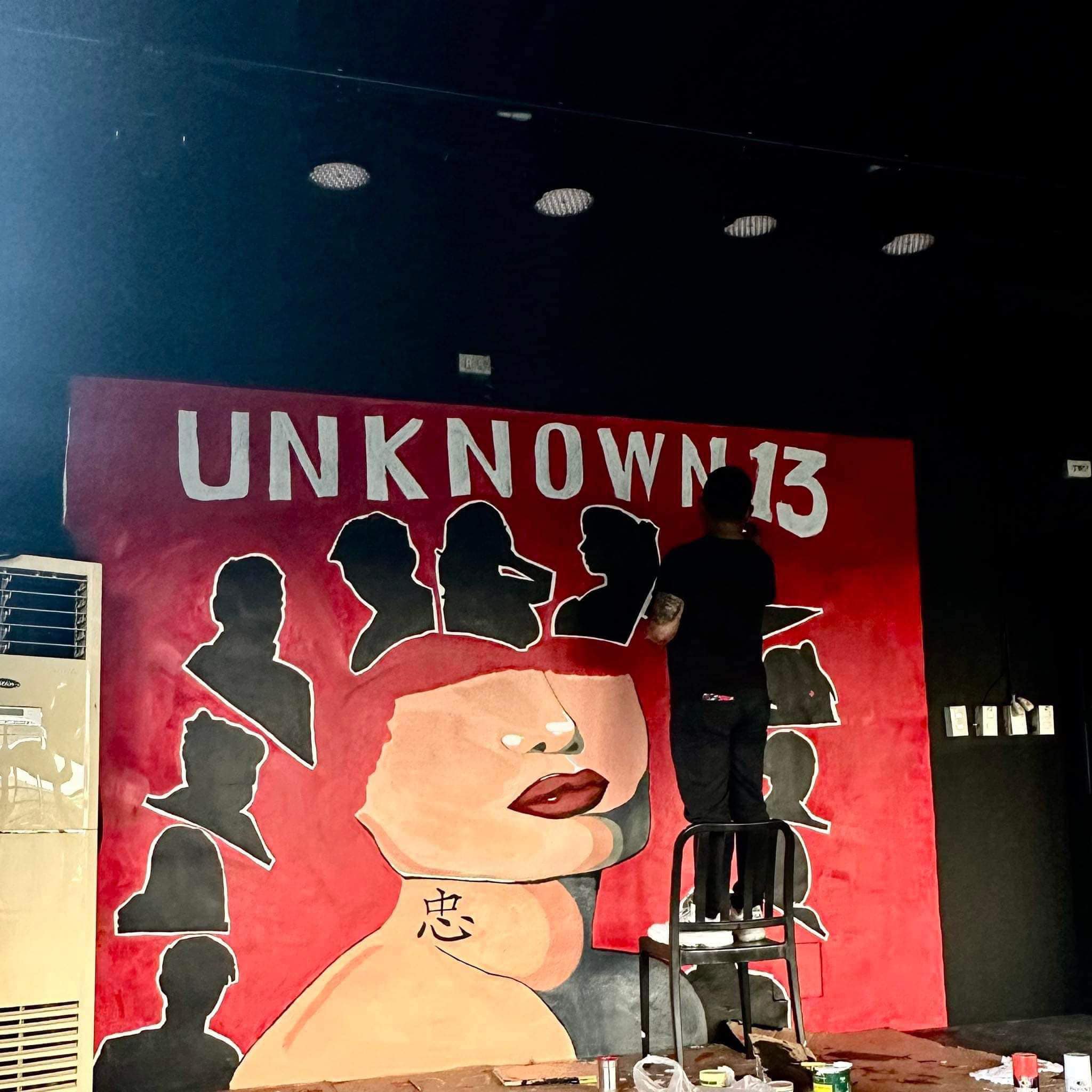
    • June 20 – Unknown13Pub, Katipunan QC
    • July 12 – Alpha Bar, Bayombong, Nueva Vizcaya

    The tour isn’t just a setlist—it’s a full experience.

    Dreaming Loud

    When asked about dream collaborations, the band answers almost in chorus:
    “Regine Velasquez.”

    Yes, you read that right.
    And no, they’re not kidding.
    “Kahit ballad, kahit ano, si Regine talaga,” Elaine says, eyes wide with the kind of fan-level admiration you’d expect from people who, deep down, are still that group of bagets jamming without a band name.

    Would Regine say yes? Who knows? But one thing’s for sure: kung sakali, it’s going to be unforgettable.

    The Heart of Eleyn

    What makes ELEYN special isn’t just the music. It’s the way they make you feel like you’re part of the room. Like you’re in the studio with them, slouched on a couch, drinking soda out of a plastic cup, watching them argue about which song should close the set.

    They don’t take themselves too seriously, but they take the music seriously.
    They fight, they laugh, they jam, and they stick around.

    Because sometimes, being in a band isn’t just about the gigs or the streaming numbers.
    Sometimes, it’s about showing up—again and again—until it becomes something more than friendship.

    It becomes ELEYN.


    Follow ELEYN
    📍 Facebook: facebook.com/eleynmusicph
    📍 Instagram: @eleynmusic
    📍 TikTok: @eleynmusic
    📍 YouTube: Eleyn Music
    📩 Email: eleynmusicph@gmail.com

    Catch them on the WKL (Sa Katotohanan) Tour and stream the latest single now on all platforms.
    Wag kang lalayo.

  • Breē: Dreamy Soundscapes, Midnight Drives, and Songs That Feel Like Shelter

    Breē: Dreamy Soundscapes, Midnight Drives, and Songs That Feel Like Shelter


    In a local indie scene that’s as restless as it is noisy, Breē offers something else entirely—an ambient, slow-burning sanctuary of sound. Their music doesn’t scream for attention. It waits. Patiently. Like a friend in the passenger seat of a quiet drive home. And when you finally listen—really listen—it’s like finding a letter you forgot you wrote to yourself.

    But make no mistake: Breē isn’t a sonic accident. It’s a band born from deliberate craftsmanship, unlikely influences, and a shared longing for stillness amid chaos.

    A Halfway House in Middle-earth

    The name Breē isn’t random—it’s Tolkien-inspired. “In Middle-earth, Bree is a halfway house to rest, find peace, find shelter,” shares Arian, one of the founding members. “We aim for our songs to be just like that.”

    Arian (guitars, vocals) and Paul (drums, vocals) were the first sparks of what would become Breē. They met back in 2013 at work, where their shared love for music led to the creation of the band’s first tracks: “Endless,” “Haze,” and “Dream.”

    Vincent, a friend of Arian’s cousin, came in next. He was a guitarist at the time but transitioned to bass after the original bassist had to bow out due to an injury. Later, when Breē was on the verge of signing with Offshore Music, they brought in Potch—studio colleague turned third guitarist—to complete the puzzle.

    Each member brought a distinct color to the Breē palette: Paul swayed to The Paper Kites and Turnover. Arian leaned into Turnover and Dashboard Confessional. Vincent was an OPM kid through and through, with a dash of Metallica, while Potch listed Hillsong as an influence.

    Put them all together and you get Breē’s signature blend: dreamy, ambient, and quietly intense.

    Signed, Sealed, Still Kind of Starstruck

    The band is now under Offshore Music and distributed by Sony Music Philippines—a feat that’s both an honor and a challenge.

    “It’s nerve-wracking because you know they’ll listen to every second,” they admit. “But it’s also food for the soul, because these are the same people who’ll say, ‘That sounds great.’ Sometimes.”

    It’s the kind of pressure that pushes a band to polish their sound while staying true to themselves—and that tension, you can hear it in their debut album.

    “A Dream of Sunrise”: A Lucid Reverie

    If Breē’s debut album, A Dream of Sunrise, feels like falling asleep to your favorite memory on loop, that was the goal.

    The band wanted to build something cohesive—like Turnover’s Peripheral Vision—an album where each track bleeds into the next, capturing their collective voice at a moment in time.

    “We just really wanted the album to encapsulate who we were and what we wanted to sound like,” they say.

    And while the ambient textures and cinematic layering weren’t part of the original plan, they emerged naturally. Vincent toned down his heavier roots to support Arian’s shimmering guitar work. Potch added flourishes that deepened the atmosphere, turning good songs into immersive experiences.

    Some tracks hit closer to home than others. “Sweet” is Arian’s love letter to his wife, written during a health scare. “Home” is Paul’s promise to his twins: that no matter how far they roam, they’ll always find their way back. “Paul wrote most of our songs,” they add. “But those two are special.”

    From Quezon City to Jambi, Indonesia

    While Breē’s music may not dominate the mainstream charts, it’s quietly making its way around the world.

    “We have 33 listeners in Jambi City, Indonesia? That’s surprising and definitely moving,” they laugh.

    They’re under no illusion about their niche appeal. “We just let the songs out and let them find their own audience,” they explain. “Just like how we found the music we love.”

    Here in the Philippines, listeners often tell them their songs are great for long drives. “Someone said they use it as lullaby music,” they recall. “We’re not sure if that’s a good thing or a bad thing. Hopefully, they’re not the same ones saying it’s good for driving—baka makatulog sila sa daan.”

    Still, for the band, those quiet moments of connection—whether it’s someone de-stressing in traffic or finding comfort at 3 a.m.—mean everything.

    Lights, Layers, Live

    If you’ve seen Breē live, you’ve probably noticed their immersive visuals—soft lights, abstract projections, everything moving in sync with their slow tempo.

    “Paul realized that the usual bar lighting doesn’t work for our music,” they share. “So we hired Spacedog to handle visuals so it’s not just one static spotlight on our faces.”

    Yes, part of the motivation was also to “hide Vincent’s beer belly,” but ultimately, the goal was to match their sound with a mood—visuals that extend the emotional reach of their set.

    Pre-show rituals? Nothing too rockstar. Just Coke Zero and a good meal. “If we get to the venue early enough,” they add.

    Dream venues? “All the local fests, of course,” they say. “But also SXSW in Texas, Coachella, Fuji Rock in Japan, Glastonbury in the UK. We can all dream, right?”

    Songwriting as Therapy (and a Bit of Reddit)

    When it comes to creating songs, Paul often brings in the skeleton—a near-complete track with chords and structure. Then Arian steps in, checking if the emotional tone matches the progression.

    “If the lyrics are a bit hopeful but the chords are dragging down, there’s a mismatch,” they explain.

    Potch, the most musically trained among them, throws in alternate directions. And Vincent? “Since he’s on bass now, he just waits for the final chords while browsing Reddit.”

    Creative blocks? They don’t force it. “We just leave it alone for months,” they say. Their upcoming single is one such case—a slow bloom that needed space to grow.

    Social media, while a necessary part of the game, is something they manage themselves. “It’s easy to stay authentic as long as you’re respectful.”

    The Next Chapter

    With A Dream of Sunrise marking their first major step, what comes next?

    “We have an upcoming EP later this year,” they reveal. “We’re not sure about touring just yet—our day jobs are keeping us pretty busy.”

    Collab dreams? Kyla, for one. “We think her voice would blend well with our ambient tones.” Also on the wishlist: Austin of Turnover. “And since she owns her masters now… Taylor Swift, maybe?”

    Lyrically, they want to go deeper—not just inward, but outward. “More of our feelings toward the people around us,” they say. “Especially the ones supporting us dearly.”

    To the Quiet Fans on Loop

    When asked if they had anything to say to the quiet listeners—the ones who don’t post or tag, but play the songs on repeat—Breē gets reflective.

    “We appreciate that you gave us the chance to be with you for around four minutes… which turned into more and more,” they say. “Hopefully we can see you live soon.”

    And if not? Breē will still be here. A halfway house. A shelter. A gentle, glowing sound waiting patiently for you to press play.


    Listen to Breē’s debut album A Dream of Sunrise on Spotify. Follow them on social media for updates on their upcoming EP and shows.

  • Breaking the Silence: Men’s Mental Health Deserves More Than a Month

    Breaking the Silence: Men’s Mental Health Deserves More Than a Month

    June is a powerful time of year. It celebrates Pride, a beacon for LGBTQ+ visibility and acceptance, and it shines a necessary spotlight on Men’s Mental Health Awareness Month. These movements may seem separate at first glance, but they share a deeply human thread: breaking the silence around pain, identity, and mental well-being.

    Today, more men than ever are speaking up about mental health—but the truth remains: too many still suffer in silence. And far too many are dying because of it.

    men's mental health

    The Quiet Crisis

    Every year, millions of men face mental health challenges—but don’t reach out for help. Globally, suicide rates are disproportionately higher in men. According to the World Health Organization, men are nearly twice as likely to die by suicide than women, with some countries seeing rates three to four times higher.

    In the United States and UK, suicide is one of the leading causes of death for men under 50. These aren’t just statistics. These are brothers, fathers, friends, co-workers—and even celebrities we’ve admired from afar.

    Think of Chester Bennington, the voice behind Linkin Park, or Avicii, the world-famous DJ. Anthony Bourdain, a chef and storyteller who inspired so many with his honesty and hunger for life. And Robin Williams, the man who made the world laugh while battling private pain.

    Their deaths broke hearts—and opened eyes. These were strong, creative, successful men. But even they weren’t immune to burnout, depression, and internal battles that society often tells men to bury.

    The Stigma: Be a Man, Keep It In

    Why are men more at risk?

    It starts with what we’re taught. From childhood, many boys absorb a dangerous message: Real men don’t cry. Don’t talk about feelings. Be strong. Be silent. Be tough.

    This stereotype doesn’t just hurt. It kills. When vulnerability is seen as weakness, men are less likely to seek help, less likely to express emotion, and more likely to self-isolate. That isolation—paired with untreated depression or anxiety—can lead to dangerous outcomes, including substance abuse, breakdowns, and suicidal thoughts.

    Burnout adds fuel to the fire. The pressure to succeed, provide, and perform—whether in careers, families, or social circles—can be suffocating. Especially for LGBTQ+ men who may also face discrimination, rejection, or identity struggles layered on top of everything else.

    And while we’re slowly chipping away at the stigma, the truth is: many men still suffer in silence, afraid they’ll be judged, dismissed, or seen as “less than.”

    Mental Illness Doesn’t Have a ‘Look’

    One of the hardest things about mental health is how invisible it can be. A man can be successful, charismatic, physically healthy—and still be battling crippling anxiety or depression behind closed doors.

    It’s not just celebrities. It’s also the construction worker who never misses a shift, the entrepreneur grinding 70 hours a week, the father holding it together for his family, the queer teenager afraid to come out, or the retired vet feeling forgotten.

    Depression doesn’t always look like sadness. It can look like anger, numbness, or total withdrawal. For men, these symptoms are often misread or ignored—by others and even by themselves.

    Burnout Is Real—and It’s Hitting Hard

    Burnout isn’t just about being tired. It’s a state of emotional, physical, and mental exhaustion caused by long-term stress. And in a post-pandemic world where job insecurity, economic pressure, and constant digital connection are part of daily life, burnout is becoming the norm—not the exception.

    For men raised to “push through,” rest can feel like failure. Admitting burnout can feel like admitting defeat. But pushing past limits without care or support only leads to deeper damage.

    We need to normalize slowing down. We need to say it clearly: Rest is not weakness. Therapy is not shameful. Emotions are not flaws.

    The LGBTQ+ Connection

    For LGBTQ+ men, the risks are even higher. Studies show that gay, bi, and trans men experience significantly higher rates of depression, anxiety, and suicide attempts than their heterosexual peers.

    This is not because of their identity—but because of the discrimination, rejection, and marginalization many still face. Even in 2025, being out and accepted isn’t a guarantee.

    So as we celebrate Pride this June, let’s remember that visibility must be paired with support. Acceptance must be followed by action. Every man—straight, gay, bi, trans—deserves to feel safe, heard, and supported.

    How We Start to Change Things

    Breaking the stigma around men’s mental health starts with conversation—but it doesn’t end there.

    Here’s how we can all take action:

    1. Check In, Don’t Check Out

    Ask the men in your life how they’re really doing. Not just “how’s work?” or “what’s new?”—but really ask. Listen without fixing. Sit with discomfort if it comes up. Show that you’re there for the hard stuff, not just the highlights.

    2. Celebrate Vulnerability

    When a man opens up, treat it with the same respect and admiration you would for bravery or strength—because it is bravery and strength. Vulnerability is not weakness. It’s connection.

    3. Model Openness

    If you’re a man reading this: be honest about your own struggles. Whether with friends, a partner, or a therapist, your honesty creates space for others to do the same.

    4. Talk About Therapy Like It’s Normal—Because It Is

    Therapy isn’t just for when you’re “broken.” It’s for growth. It’s for healing. It’s for becoming more yourself. The more we talk about therapy, the more men will see it as a valid—and valuable—part of life.

    5. Remember You’re Not Alone

    No matter how dark it gets, you are never alone. Help exists. People care. And healing is possible. There are crisis lines, support groups, apps, safe spaces—more resources than ever. Reaching out is not a sign of weakness. It’s a sign of life.


    Final Words: Let June Be the Beginning

    June is about Pride. It’s about awareness. But it’s also about action.

    If we want to change the future, we must change how we talk about men’s mental health—at home, in schools, in offices, on social media, in locker rooms, in music, in film, in every place where men exist.

    Because masculinity doesn’t have to mean silence. It can mean softness. It can mean struggle. It can mean survival.

    Whether you’re a man navigating your own journey, a woman supporting your partner, a friend reaching out, or part of the LGBTQ+ community seeking safety and solidarity—this conversation includes you.

    Let’s make space for men to cry. To rest. To talk. To feel. And above all, to live.

    If You or Someone You Know Is Struggling—Please Reach Out

    You are not alone. Support is available, no matter where you are in the world.

    🌍 Global & Regional Mental Health Support

    No matter your background, gender identity, or location—you are worthy of help, healing, and hope.

    Your story matters. Let’s keep talking. Let’s keep listening. Let’s keep each other alive.

  • How Live Gigs Grow Your Spotify Streams (And What to Do If You Can’t Perform Yet)

    How Live Gigs Grow Your Spotify Streams (And What to Do If You Can’t Perform Yet)

    live gigs

    Live shows and digital streams might feel like two different worlds—but they’re more connected than most indie artists realize. Gigs don’t just build fans in the room; they drive real growth on platforms like Spotify, Apple Music, and YouTube. And if you can’t hit the stage right now? You’ve still got options to grow your audience while you build up.

    Let’s break it down.


    How Gigs Fuel Streaming Growth

    1. People Shazam Live Music

    Whether you’re at a bar, café, or festival—someone in the audience will pull out their phone and try to figure out who you are. A solid Spotify or Apple Music presence means they’ll find you instantly, follow you, and stream more after the show.

    Tip: Make sure your artist name, profile photo, and tracks are easy to find and match how you introduce yourself live.

    2. You Create an Emotional Moment

    People remember feelings. That raw connection during a live performance sticks—and when fans go home, they look for your music to relive that experience. That’s where streaming comes in.

    Tip: Mention your Spotify at least once during your set or post-gig. A simple “We’re on Spotify—look us up!” works.

    3. Content Creation Goldmine

    One gig = weeks of content. Behind-the-scenes clips, soundcheck videos, crowd shots, live snippets—all perfect for Instagram Reels, TikTok, and YouTube Shorts. This drives curiosity and directs new listeners to your streaming platforms.

    Tip: Post short clips with captions like “Full track on Spotify” or “Catch this song live next gig!”


    Can’t Perform Live Yet? Here’s What You Can Do

    Not everyone has access to venues, gear, or time to gig regularly. If you’re still building toward the stage—or taking a break—there are still powerful ways to grow.

    1. Go Live on Social Media

    If you can’t gig in person, go live online. A stripped-down acoustic set or even just jamming in your room helps fans connect with your vibe—and can directly drive people to your music.

    Instagram, TikTok, and YouTube are great starting points.

    2. Release Acoustic or Demo Versions

    You don’t need a full production to release something meaningful. Acoustic or demo tracks feel raw and real—and they give listeners more reasons to follow you.

    Upload to Spotify, Bandcamp, or SoundCloud with a personal message about the track’s story.

    3. Collaborate Online

    Team up with other artists for covers, remixes, or even full songs. It cross-pollinates your audiences—and gives you content and growth without needing a physical venue.

    4. Storytelling = Strategy

    Your music has a story. Tell it. Use captions, blog posts, carousels, or short videos to share what the song is about, how you wrote it, or what inspired it. The more people connect with you, the more likely they are to stream with intention.


    While You’re in the Process (But Not Yet on Stage)

    Growth doesn’t pause just because you’re not performing live. Here’s what bands can focus on in the meantime:

    • Build Your Spotify Profile: Update your bio, add high-quality photos, and make sure your links are working.
    • Pitch to Playlists: Use Spotify for Artists to submit your songs to editorial playlists. Also, reach out to curators on SubmitHub or Groover.
    • Email List & Fanbase: Start collecting emails. Even 20 real fans on a mailing list can turn into future ticket buyers and streamers.
    • Behind-the-Scenes Content: Show rehearsals, writing sessions, and even failed takes. People love realness.
    • Engage Locally, Post Globally: Comment on other artists’ posts, join local music groups, and connect with fans online. Relationship-building leads to word-of-mouth growth.

    Final Thoughts

    Live gigs can turbocharge your growth on Spotify and streaming platforms by creating emotional connections, content opportunities, and moments people want to relive through your music.

    But if you’re not on stage yet, don’t worry—you still have tools to grow your audience and get discovered.

  • Camaraderie (CMRD): Built by Bonds, Carried by Sound

    Camaraderie (CMRD): Built by Bonds, Carried by Sound

    In a music scene that constantly shifts between trends and aesthetics, Camaraderie (CMRD) stands their ground—not with gimmicks, but with stories. Real ones. The kind that stick. The kind you play on loop because somewhere between the lyrics and guitar lines, you find yourself.

    Formed in 2018 by five college friends, Camaraderie (CMRD) wasn’t born out of a marketing strategy or social media campaign. It began the way most enduring bands do—through friendship. Back then, they called themselves Blue Liempo, jamming in school corridors, performing in events that didn’t have stages, and using whatever gear was available. But like their music, they evolved. The name Camaraderie, shortened as CMRD, came as they realized what they had was something more permanent. A name that mirrors the very foundation of their journey: connection, trust, and sticking it out no matter what.

    Since their debut, CMRD has steadily carved their space in the Filipino alternative rock scene. But this isn’t a band chasing virality. They’re not about the flash or the fast rise. What they chase instead is meaning—in melody, in memory, in moments that are often left unsaid. And that’s what makes them different.

     Filipino alternative rock

    From Campus Gigs to Soulful Singles

    Long before their songs hit streaming platforms, CMRD was just a bunch of students finding their rhythm—literally and figuratively. They started out playing school gigs, small-town festivals, and community events. The settings were modest, but the response was anything but. Audiences connected, not just because the music sounded good, but because it felt real.

    Then came 2018—the year it all officially began. Their first single, “Paalam,” dropped with a quiet kind of impact. It wasn’t flashy. It didn’t rely on trends. But it hit hard. The song spoke of letting go, of goodbye without closure, of partings that echo longer than expected. It resonated with everyone who’s ever had to walk away without the words to explain why.

    In 2019, “Hingalo” followed. This wasn’t a sequel—it was a progression. Where “Paalam” was about endings, “Hingalo” captured the suffocating feeling of trying to hold on. A quiet, internal struggle—the kind you carry alone. The band’s ability to write about emotional weight without turning dramatic is part of their signature. They lean into vulnerability but never make a spectacle of it. It’s subtle. Sincere. And that’s why it works.


    ERPAT: A Tribute That Hit Home

    Fast forward to 2024, and the band released one of their most personal works yet—“ERPAT.” In a time when love songs dominate playlists, “ERPAT” went a different route. It honored fathers. Not the cinematic kind with grand speeches, but the real ones—quiet, present, dependable.

    The track explores a kind of love that’s often unspoken. It doesn’t rely on dramatics or high-octane solos. Instead, it moves with intention. Like the men it celebrates, “ERPAT” is steady and grounded. The lyrics paint images of early mornings, silent sacrifices, and lessons learned through example, not lectures. It’s a thank-you wrapped in melody—one that many listeners didn’t realize they needed until they heard it.

    In interviews, the band speaks about “ERPAT” with a mix of pride and humility. “We wrote it for our dads,” they said. “But when it came out, we realized it was for everyone who had that kind of presence in their life. Or even those who didn’t—and wish they had.”


    No Filters, Just Feeling

    There’s a noticeable pattern in CMRD’s music: they don’t rush. They don’t put out singles just to stay relevant. Each release feels intentional, a reflection of a stage in their lives. For them, music isn’t content—it’s expression. And that shows.

    You won’t find oversaturated branding or calculated controversies in their timeline. What you’ll find is a group of artists who still rehearse like they’re playing their first gig, who still write lyrics in group chats, and who still believe that a single line in a song can change someone’s day.

    CMRD’s writing process isn’t about catching trends. It’s about catching truths. Real ones. Whether it’s the grief of goodbyes in “Paalam,” the weight of persistence in “Hingalo,” or the silent gratitude in “ERPAT,” each song comes from something lived.


    Friendship at the Core

    If you sit down with CMRD, you’ll quickly realize that the music is just one part of their story. Their bond—built on years of late-night rehearsals, shared meals, and life milestones—is what fuels everything else.

    They may have started as Blue Liempo, but what they became is Camaraderie in every sense of the word. It’s not just their name—it’s their way of life. They don’t just play music together; they’ve grown up together.

    And that growth isn’t always smooth. There were doubts. There were delays. There were years between releases. But through all of it, they stayed. The band’s journey mirrors what a lot of people go through—friend groups that become chosen families, creative pursuits that demand real sacrifices, and dreams that evolve as people do.

    Their success isn’t about streams or views, though those matter. It’s about staying grounded, about creating something worth sharing, about making people feel seen—even if just for the length of a song.


    What’s Next for CMRD?

    If the past few years have taught us anything, it’s that Camaraderie (CMRD) doesn’t move unless they mean it. So what’s next? Whatever it is, it’ll come from a real place.

    They’ve hinted at more releases, and maybe even a concept EP. But as always, they won’t put out anything unless it’s ready—not just sonically, but emotionally. That’s the bar they’ve set for themselves. And it’s high.

    In a landscape crowded with noise, Camaraderie (CMRD) chooses to be a voice. A familiar one. A comforting one. The kind that says, “We’ve been there, too.”

    Their songs are for the listeners who feel deeply but don’t always know how to say it. For the overthinkers, the quiet ones, the people who stay up late replaying memories. For those who understand that music doesn’t need to be loud to be powerful—it just needs to be true.


    Final Notes

    Camaraderie (CMRD) isn’t trying to change the world. But they are trying to tell their truth—and maybe help others feel a little more understood in the process.

    And sometimes, that’s exactly what the world needs.

  • UNKNOWN13 PUB: A Bar With a Heart That Beats for Every Dreamer

    UNKNOWN13 PUB: A Bar With a Heart That Beats for Every Dreamer

    There’s something different about the quiet buzz of Katipunan nights these days. Past the noisy clubs and overhyped rooftops, there’s a space where laughter hums low, lyrics linger longer, and strangers find family. That space has a name—Unknown13 Pub.

    Unknown13 isn’t your usual bar. There’s no dance floor. No booming EDM. No pretentious crowds. It’s a place where you can just be, where a beer isn’t a necessity, and where the music matters more than the image. It’s a spot carved out for the low-key, the introverts, the listeners, and the lovers of OPM who just want to feel something real. And behind this sanctuary is a woman who never planned on owning a bar at all.

    From Monster Wings to Music Dreams

    Austine Tiu, best known for her successful food venture Monster Wings, isn’t the type you’d expect to be in the nightlife business. “I don’t drink, I have no vices,” she admits during our Google Meet interview, laughter tucked in her voice. “But I enjoy bars that don’t feel like parties. Yung hindi ka pressured na makihalubilo.”

    It was after the pandemic that she began frequenting bars like 12 Monkeys—not to drink, but to breathe. She’d bring friends and employees along, simply to enjoy live music and chill energy. In late 2022, she invited Orange & Lemons to play for a company event and ended up becoming close to band members JM and Ace del Mundo. A few gigs later, she found herself part of a scene she once only watched from the audience.

    “I kept thinking, ang hassle naman magpareserve palagi,” she recalls. “What if may sarili na lang akong lugar where I didn’t have to worry about that?”

    The Bar That Built Itself

    By April 23, 2023, Austine had signed a lease on a property along Katipunan—a charming spot with a veranda perfect for smokers and a tucked-away space for bands to breathe between sets. There was no full plan yet. Just gut instinct, a sketch on paper, and faith in her long-time team who had stood by her since the Monster Wings days.

    “I wrote everything down—the layout, the signage, the vibe I wanted,” she shares. “Hindi ako marunong magluto, pero alam ko ano ang masarap. Same with bars. I didn’t know how to run one, but I knew what felt right.”

    Designing and opening the bar happened in a snap. She had the manpower, the operations know-how, and the fire to make it real. But the real challenge was building credibility in the local music scene—a tight-knit community where street cred can’t be bought.

    The Power of Kuya

    Enter JM and Ace del Mundo, who became not just mentors but literal kuya figures. No contracts. No ROI discussions. Just pure support. They opened doors to prods, artists, and the kind of bar culture Austine wanted—one rooted in respect and community.

    Around the same time, her long-time friend, Victor Guison, drummer of Franco and Chicosci, joined as the third pillar of the Unknown13 dream. Austine jokes, “Si Victor, hilig niya music. Ako, business. Magkaibang mundo pero nagka-abot kami dito.”

    And then there’s the 13—not just a random number, but a tribute to the 12 people who have stayed with Austine through thick and thin. Her staff turned family. She made them co-owners in spirit, giving them a cut of Unknown13’s profits—not because they asked, but because they deserved it.

    “Wala silang kapital. Wala silang pera. Pero meron silang puso at galing,” she says, eyes welling up. “This is my way of saying salamat.”

    A Stage for All

    From day one, Unknown13 was more than just a bar—it was a home for artists.

    Tim Dionela, now making waves, performed on Unknown’s second night. “Hindi ko kilala kung sino kumakanta nung una,” Austine admits, “pero nung nag-thank you siya kasi first time niya makapagtugtog sa QC, doon ko naramdaman—this is it. This is why we exist.”

    Booking Mayonnaise, one of the biggest names in OPM, wasn’t in her financial plan. But when an opportunity through a production team arose, she went all in. That performance became a milestone—not just for the bar, but for Austine’s journey. “From there, things just grew.”

    Unknown13 continues to open its doors to newcomers and legends alike, giving opportunities regardless of clout. No guarantees, but always a warm meal and a space to shine.

    Why People Keep Coming Back

    The secret? Heart. And excellent customer service.

    With just a month to train staff before opening, Austine relied on what she knew: how she wanted to be treated when she went to bars. That became the gold standard. “Kahit walang kausap, kahit gusto mo lang makinig ng music—dito, welcome ka.”

    Unknown13 is introvert-friendly, pressure-free, and designed for those who just want to exist with good music and good people. Staff treat guests like family. Artists feel safe. Customers return not just for the food or the bands—but for the feeling of being known.

    Unknown13 isn’t just a bar—it’s a thank you, a dream, and a celebration of everyone who dares to begin.

    To all bands who dream, Austine says: “If we can be your stepping stone, we’re honored.”

    To all quiet souls who crave sound: your place is here.

    To all the unknowns chasing their own version of something big: this is where it begins.

  • Dear Upcoming Artists: Talent Isn’t Enough — It’s Time to Get Real About the Grind

    Dear Upcoming Artists: Talent Isn’t Enough — It’s Time to Get Real About the Grind


    Let’s get one thing straight — talent is important, but it’s not everything. If you’re an upcoming artist in the Philippines or anywhere else in the world, this might sting a little: you need to stop living in a fantasy.

    Too many artists think they’ll record one song, drop it on SoundCloud, Spotify, or TikTok, and boom — overnight fame. But here’s the truth: you’re not going to magically blow up just because your song is “fire.” Even if you’ve got bars, melodies, or vocal range for days, if you’re not willing to take risks, work smart, and invest in your music, you’ll stay stuck in the same spot.

    Talent Is Only 20% of the Equation

    Let’s be real. There are thousands of insanely talented artists out there — in Manila, Cebu, Davao, and every corner of the world. Some of them sing better than the top acts, write deeper lyrics, and have that raw, authentic vibe. But no one knows who they are. Why?

    Because they don’t market themselves.

    Success in music — especially in today’s social media-driven, algorithm-fueled industry — isn’t just about how good your track sounds. It’s about visibility, consistency, and strategy.

    If you drop a song and think the internet will “find” you, you’re not being realistic. The internet is too noisy. You’re not only competing with other musicians — you’re fighting for attention against influencers, trends, memes, and millions of other songs being released every week.

    So ask yourself: what are you doing to stand out?


    The Truth About Quality: Good Production Costs Money

    You could be the next great lyricist in OPM, but if your beat sounds like it was made on a busted laptop from 2005 and your vocals aren’t mixed properly, no one is going to take your music seriously.

    Let’s say your lyrics are deep — maybe you’re rapping about real struggles in the provinces, heartbreak in the city, or identity crises in your youth. If your producer is whack, your message gets lost. The track won’t hit. People will skip.

    Music is an emotional experience, and that includes the sound quality. Your listeners are used to hearing clean, professionally mixed and mastered tracks on Spotify and Apple Music. You need to meet that standard, or you’ll sound like a demo forever.

    And yes — great producers and engineers cost money. Not always a lot, especially if you’re smart about networking, but you won’t get there with zero budget.


    Let’s Talk About Money: Invest in Your Dream

    This is where it gets tough — because the cold, harsh truth is: money matters.
    You don’t need to be rich to succeed, but you can’t ignore the financial side of your music career. Whether it’s for studio time, production, marketing, or visuals, you need to treat your music like a business.

    Don’t rely on utang or wait for some record label to “discover” you. It’s not the 90s.

    What can you do instead?

    • Get a side hustle — freelance, do delivery gigs, sell art, teach voice lessons, flip items online. Find a way to earn.
    • Save your allowance or extra income — if you’re still in school or working a job, set aside cash regularly.
    • Create a budget for music — even ₱1,000/month consistently is better than nothing.
    • Use free resources wisely — use free beats (with permission), learn mixing on YouTube, build with hungry creatives like you.

    Your dream isn’t cheap, but it’s worth it.
    And if you won’t invest in yourself, why should anyone else?


    The Power of Promotion: Don’t Just Drop Songs, Market Them

    Here’s a brutal but necessary reminder: dropping music without marketing is like throwing a party and not telling anyone about it.

    You can’t expect streams and followers if you’re not doing the work to promote yourself.

    Here’s what you can do today — and most of it is free or low-cost:

    1. Build Your Brand on Social Media

    • Use TikTok, Instagram Reels, and Facebook to show your process, freestyles, and personality.
    • Don’t just post songs — tell stories. Why did you write that track? What’s the real pain behind it?
    • Talk directly to your audience. Be authentic. Let people connect with you.

    2. Engage With Your Fans

    • Reply to comments.
    • Shout out people who share your music.
    • Build a community, not just a following.

    3. Collaborate With Other Artists

    • Collabs aren’t just for clout — they expand your reach.
    • Find artists in the same grind as you and build each other up.

    4. Use Paid Ads Strategically

    • Boost your posts on Facebook and Instagram (₱100–₱300 per promo goes a long way).
    • Target music fans in your city, genre, or similar artists’ followers.
    • Study how ads work — don’t just press “boost.” Learn the game.

    5. Pitch to Playlists

    • Email local Spotify playlist curators.
    • Submit to blogs and YouTube channels that support indie OPM.
    • Connect with Facebook groups and Discord communities that share new music.

    6. Perform Live (Or Go Live)

    • Join open mics or gigs in your city. (Yes, even unpaid ones early on — for exposure and practice.)
    • Livestream your writing sessions or jam sessions.
    • Let people see the real artist behind the track.

    🇵🇭 Filipino Artists, You Have a Voice — Use It With Purpose

    There’s a growing hunger for original Filipino music — from indie rap to trap, R&B, spoken word, and metal. Audiences are finally craving authentic voices that reflect our stories, struggles, and triumphs.

    So if you’re coming from the provinces, the streets of Manila, the dorms in Cebu, or the beaches of Davao — your perspective matters. Don’t hide behind fake trends. Don’t copy what’s popular abroad just to fit in.

    Be real. Be Filipino. Be global.
    But most importantly — be willing to grind.


    🐐 Final Words: You’re Not Crazy for Dreaming, But You’re Delusional If You’re Not Moving

    You’re not wrong to believe in yourself. You’re not wrong to believe your song could go viral.

    But you’re crazy if you think it’ll happen without work.
    Without money.
    Without strategy.
    Without sacrifice.

    Every successful artist — from Shanti Dope to Al James to Clara Benin — started from the bottom. They made mistakes. They hustled. They reinvested. They risked it.

    So the next time you think “my song is dope, why isn’t it blowing up?”
    Ask yourself:

    • Have I promoted it properly?
    • Did I invest in production and visuals?
    • Did I connect with my audience consistently?
    • Have I studied the business side of music?

    If the answer is no, you’re not unlucky — you’re just not ready yet.

    But the good news? You can start today.

    So grind smart. Hustle hard. Build your dream brick by brick.

    Because talent is only the spark.
    It’s the grind that turns it into fire.

  • Freddie Aguilar: OPM Icon,Now at Rest

    Freddie Aguilar: OPM Icon,Now at Rest

    Today, the Philippines mourns the loss of one of its most iconic voices. Freddie Aguilar, known affectionately as “Ka Freddie,” passed away at the age of 72 at the Philippine Heart Center in Quezon City.  His death marks the end of an era for Original Pilipino Music (OPM), but his legacy will continue to resonate through the songs that defined generations.

    A Musical Journey Rooted in Passion

    Born Ferdinand Pascual Aguilar on February 5, 1953, in Santo Tomas, Isabela, Freddie’s musical journey began early. By age 14, he was composing songs, and by 17, he had taught himself to play the guitar. His early influences included folk legends like Cat Stevens and James Taylor. Despite enrolling in Electrical Engineering at De Guzman Institute of Technology, his passion for music led him to leave college and pursue a career as a street musician, eventually performing in folk clubs and bars.

    “Anak”: A Song That Touched the World

    In 1978, Freddie composed “Anak,” a heartfelt song reflecting on his personal experiences and the universal theme of parental love and regret. The song became an international sensation, translated into 51 languages and selling over 30 million copies worldwide, making it the best-selling Philippine music record of all time.  “Anak” not only showcased Freddie’s musical talent but also his ability to connect deeply with listeners across cultures.

    The Voice of the People

    Freddie’s music was not just about melody; it was a powerful tool for social commentary. His rendition of “Bayan Ko” became an anthem during the 1986 People Power Revolution, symbolizing the nation’s struggle for democracy. Beyond this, songs like “Magdalena” and “Mindanao” highlighted issues such as poverty and social injustice, solidifying his role as a voice for the marginalized.

    A Legacy Beyond Music

    Freddie’s influence extended beyond his songs. He served as the national executive vice president of the Partido Federal ng Pilipinas and was a former presidential adviser on culture.  His commitment to Filipino culture and advocacy for the arts earned him recognition, including the Asia Star Award in 2008. 

    Remembering Ka Freddie

    Freddie Aguilar’s music continues to inspire and resonate. For those looking to revisit his timeless classics, consider exploring the following:

    These selections offer a glimpse into Freddie’s musical journey, from his iconic “Anak” to other memorable tracks. 

    Freddie Aguilar’s passing is a profound loss, but his music and message will continue to inspire future generations. As we remember Ka Freddie, let us celebrate the life of a man who used his voice to echo the hopes, struggles, and dreams of a nation.

  • FIGVRA: Songs Made of Scars, Stories, and Shared Chaos

    FIGVRA: Songs Made of Scars, Stories, and Shared Chaos

    Some bands are born in garages. Others form in the haze of drunken parties or from the disbanding of earlier dreams. FIGVRA began at home—literally.

    The name “FIGVRA” (pronounced as “figura”) came out of a casual discussion at home between Josh and his partner Zab. They were kicking around ideas with their original bandmates, searching for something with meaning, something that stuck. “FIGVRA” is a stylized version of figura, a word that means to represent or symbolize. And that’s exactly what they do: represent stories, feelings, and sometimes even the messy chapters people try not to talk about.

    Josh, the founding member, had just exited an old band and found himself aching to create again. He missed the buzz of live gigs, the thrill of building progressions, the collective energy of being with a band. So, like many 21st-century musicians, he took to Facebook. A quick post in the North Studio group and the wheels started turning.

    The first two people he tapped? Longtime friends and high school barkada: Cath and Weng. Both could sing, both could play guitar, and both had something to say. What followed was a chaotic yet beautiful unfolding—an indie band where everyone had their own taste, their own story, and somehow, it all made sense.


    The Origin of “Figures”

    Ask them about their first song, and they’ll point to “Figures.” Not released. Not even played in gigs anymore. But ask any member, and they’ll remember it vividly.

    “It started from chikahan lang sa house nila Josh,” Cath recalls. Zab had written the lyrics, passed them over, and something clicked in Cath’s head—a melody, a vibe, a tone. From there, everything started falling into place. The band shaped the song together, each with their own interpretation of how it should feel. Josh laughs, remembering how many versions they ran through. “Ang dami na naming playstyle na nagawa dun,” he says.

    Even though “Figures” hasn’t officially seen the light of day, it was the foundation. It was FIGVRA learning how to make music as a unit.


    Drama. Always Drama.

    What fuels their music is what weighs them down in real life. Every song is born from something they went through: heartbreaks, anxiety, growing up, slipping into adulthood, and trying to hold it all together.

    “100% personal,” Josh says. “Para samin, imbes na damdamin lang namin nang damdamin, isusulat na lang at tutugtugin.” Zab pours her emotions into writing. Cath does the same. Even Wendell and Josh, self-aware and laughing about how “madadrama kami lahat,” take those same scars and turn them into sound.

    But they’re not trying to sell sadness. There’s no grand design to make you cry or scream into the void. They just want you to feel something—whatever that may be.

    “We don’t have a target mood or message,” Cath says. “Ang gusto lang namin, maramdaman ng tao yung naramdaman namin.”

    And that’s the beauty of FIGVRA’s process. It’s raw emotion, distilled into melody.


    Songwriting is a Three-Way Street

    The songwriting process often starts with a spark from Zab or Cath. A lyric. A concept. An emotion too loud to ignore. Then comes the back-and-forth. Zab explains the mood. Cath crafts the tone. Josh fills it in with rhythm, progression, the glue that binds it. Then, they pass it on to Ed and Weng, who throw in their own flavor.

    Every band member has different influences. Different sounds. Different musical roots. But that’s not a problem—it’s part of the identity.

    “Lahat kami may kanya-kanyang input,” Josh says. “Pero we always base it sa emotion ng kanta. Kung pasok, yun ang ginagamit namin.”

    Cath is especially careful. Protective, even. “She’s fragile with her songs,” Josh explains. Not in a delicate way—but in the way someone gets when a story is too close to the skin. “Dapat ramdam mo talaga yung story at emotion.”


    Live Shows, Fails, and Favorite Tracks

    Live gigs are where the band breathes. They prefer big crowds now—not because of ego, but because there’s room to move, to play, to feel each other out. “Mas nakaka-build ng confidence and chemistry bilang banda,” they say.

    Still, the early shows had their fair share of chaos. Unknown13? A disaster. “Walang nagkakarinigan,” Josh recalls, laughing and cringing at the memory. “Nawalan ng timing si Ed sa Pantropiko, si Mama Yuuri pa yung nag-aalalay!”

    But from every embarrassing moment came growth. From each set, a tighter band.

    Fans, on the other hand, have gravitated toward “23”—their debut single. Josh says it best: “Kahit di na kami 23, may impact pa rin siya.”

    “Easy,” however, holds the most weight live. It’s their latest single, and for Cath, it’s the hardest to perform. She wrote it back in 2019, during one of those moments when life gets too heavy. “It always has been,” she says. Adulthood just made it heavier.


    The Bigger Picture

    For FIGVRA, the local indie scene is overflowing with talent. It’s just not always acknowledged.

    “Sobrang ganda ng indie bands sa Pilipinas,” Josh says. “Ramdam mo yung impact, yung emotions. Hindi ko lang alam kung anong problema ng Pilipinas na hindi nila ma-credit or ma-acknowledge yung mga ganitong scene.”

    But they’re not bitter—just passionate. There’s pride in being part of something underground, something you have to discover to appreciate. “As a listener, ang dami mong madidiscover na artist na ang gagaling,” Josh adds. “And as a band, ang dami mong mapupulot.”

    Cath’s current favorite? NOA (Night Over Alaska). As for Wendell—he’s a die-hard December Avenue fan. “#1 fan siya ni Zel,” Josh jokes. Josh himself wants a collab with Fiona or Kamikazee. The dream isn’t far-fetched.


    What Comes Next?

    They’re currently wrapping up their third single. That’s all they’re saying for now. “The rest, secret muna!” Josh teases.

    But whatever comes next, one thing’s certain: FIGVRA will keep writing, keep feeling, and keep sharing. Not because they have to—but because they need to.

    You can follow them here:
    Facebook
    Spotify

    And you should. Because FIGVRA isn’t just a band. It’s a mirror—reflecting back all the emotions you’ve buried, all the stories you didn’t know you needed to hear.