Author: Labs

  • Bulacan Sweets: Homegrown Music with Heart

    Bulacan Sweets: Homegrown Music with Heart

    Inside quiet bedrooms, echoey garages, and cramped home studios across Bulacan, music is being made. Not always with fancy equipment. Not always with the perfect take. But always with heart.

    That’s the spirit behind Bulacan Sweets, a curated Spotify playlist by Groovelabs Production that features original music by indie artists from Bulacan. It’s a collection of songs that sound like home, but also like survival—proof that even in the messiness of everyday life, creativity finds a way.

    This playlist isn’t about hype. It’s about heart. It’s about giving space to artists who are often overlooked by mainstream platforms. It’s a local love letter—one song at a time.

    Listen to the playlist here:

    Beyond the Music: The Stories You Don’t See

    The music industry, even at the local level, can be unforgiving. Behind every release are hours of unpaid labor. Behind every “like” is a musician wondering if they’re good enough. Mental health struggles are quietly carried like extra gear bags—heavier than most people realize.

    Excapelabs recently released a feature titled “The Silent Struggle: What You Don’t See Behind the Stage,” and it struck a chord. It reminded people that even the most upbeat tracks may come from moments of pain, pressure, or exhaustion.

    For many indie artists, music isn’t just passion—it’s how they cope. How they express what can’t be said in everyday conversation. How they stay afloat mentally and emotionally when life gets loud, complicated, or lonely.

    Bulacan Sweets was built with that understanding. It’s not about polished perfection. It’s about real stories, real effort, and real people.


    Why Regional Playlists Like This Matter

    In a digital world run by algorithms, it’s easy for independent artists to fall through the cracks—especially those not based in major cities. While some artists may find success online, many more are still trying to be heard, one link at a time.

    That’s where curated, community-driven playlists like Bulacan Sweets come in.

    This playlist serves a deeper purpose than just discovery—it fosters a sense of belonging. It shows artists that their sound matters, even if they’re recording on secondhand mics or mixing between shifts at work. It tells them, “We see you.”

    Bulacan Sweets doesn’t just promote songs. It builds a local ecosystem—where creatives can find each other, support each other, and lift each other up.


    Open Call: Be Part of the Next Wave

    If you’re an independent artist from Bulacan—or nearby—and you’re writing music that speaks to something real, this is your sign.

    Groovelabs is opening slots for the next round of featured artists on the playlist. Whether your track is upbeat or introspective, folk or experimental, if it carries your voice and your truth, it deserves to be heard.

    How to join:

    • Step 1: Send a DM to @groovelabsproduction
    • Step 2: Include your Spotify track link and a short intro about you or your band
    • Step 3: Tell us the story behind your song—we want to know the “why” behind the sound

    Selected songs will be featured on the Bulacan Sweets playlist and promoted across Groovelabs’ social platforms. Some artists may also get the opportunity to be featured in upcoming blog posts or interviews.


    Adding Value Through Community and Collaboration

    What makes Excapelabs different is the focus on artist-first storytelling. Through playlists, interviews, and emotionally honest content, they create not just platforms, but communities.

    They understand that behind every artist is more than just a skill set—there’s often a hidden struggle: with mental health, with self-worth, with creative burnout. They’re not here to gatekeep or compete. They’re here to build.

    And when they say they support indie artists, they mean it. From crafting thoughtful captions to resharing fan-made content, every detail is handled with care.

    You’re not just added to a playlist—you’re welcomed into a growing creative movement.


    Artists, Fans, and Friends—This Is Your Moment

    Are you a band? A solo artist? A fan? A friend?

    If you know someone making beautiful, honest music in the corners of Bulacan—or if you are that person—don’t keep it a secret. This is your moment.

    Groovelabs is calling for submissions for the next featured artist on Bulacan Sweets.
    Not only will your music be added to the playlist—you’ll also have the chance to be featured on Excapelabs’ website.
    Want to support your favorite artist? Like and share the playlist. Comment. Tag them. Vote for who you want to see next. Every interaction helps us amplify local voices.
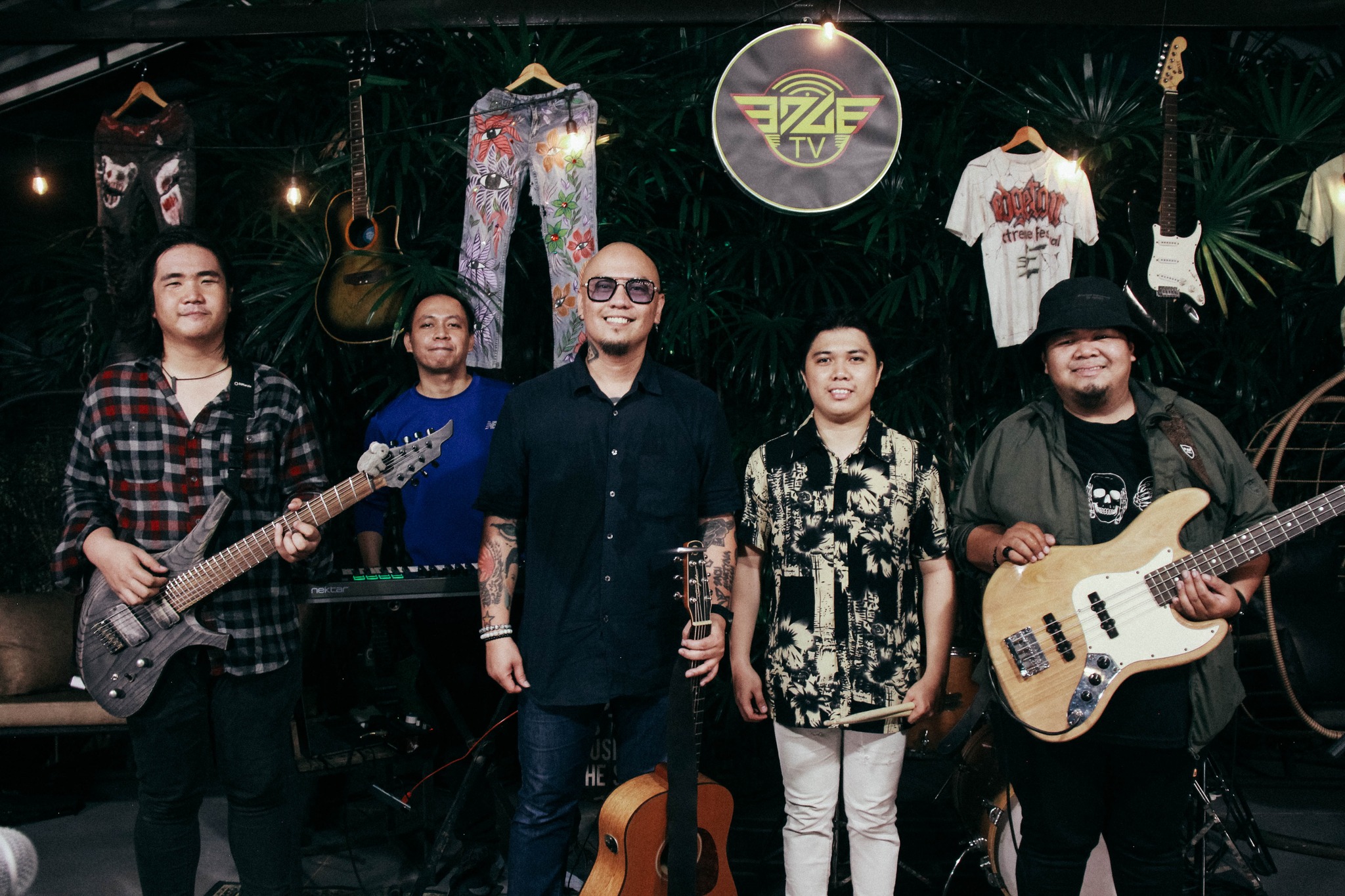
  • Meet LEM and the Part-Time Lovers: Manila’s Newest Indie Soul-Rock Collective Built on Chemistry and Chance

    Meet LEM and the Part-Time Lovers: Manila’s Newest Indie Soul-Rock Collective Built on Chemistry and Chance

    If you’ve ever stumbled into a live gig in Manila’s indie scene—maybe a dimly lit bar in Saguijo, or a tucked-away stage in QC—you might’ve already heard that voice. Soulful. Storytelling. Unshakably sincere. That’s LEM David, the singer-songwriter who quietly built a following with acoustic sets that hit harder than they should.

    But these days, Lem no longer stands solo under the spotlight. With a powerhouse ensemble of seasoned session players who’ve found unexpected chemistry and shared purpose, LEM and the Part-Time Lovers is fast becoming one of the metro’s most compelling live acts. Blending soul, indie rock, and that distinct Filipino emotional depth, the band doesn’t just play songs—they create experiences.

    And their story? It reads like a film script: full of chance meetings, mutual admiration, and a whole lot of heart.

    LEM and the Part-Time Lovers

    From Solo Sets to Soulful Sessions: How the Band Formed

    Long before “Part-Time Lovers” became a band name, Lem David was a solo artist hustling through the Manila music circuit. He’d often share stages with artists like Matthew Conanan, a familiar face in the same gigging circles. There was respect, sure—but the stars hadn’t aligned just yet.

    One night at Saguijo in Makati, Lem played a solo acoustic set that quietly turned heads—especially one. In the crowd was Kettle Mata, a respected session musician and producer who’d worked with some of the biggest names in OPM. After hearing Lem play, he turned to his bandmate Matthew Conanan and said, “We should produce that.”

    That simple moment kicked things off. Matthew reached out, teamed up with Lem, and from there, the first pieces of what would become LEM and the Part-Time Lovers fell into place.

    But LEM and the Part-Time Lovers wouldn’t be complete without the rest of the dream team. Ferdie Salamat, a bassist Lem met during another live gig, boldly told him: “Balang araw, magiging magkabanda tayo.” A second chance encounter made that promise real.

    Keyboardist Christian Tamayo was another musical match made in Manila. A session player with technical chops and emotional depth, Christian had played with Lem in the past and was invited to join the project.

    The final piece was Son Jurado, who responded to Lem’s open call for a drummer. The audition barely started when it became obvious—Son wasn’t just a fit; he was the sound.


    The Name Game: Why “Part-Time Lovers”?

    So, why the name LEM and the Part-Time Lovers?

    It began as an inside joke. Lem realized he was surrounded by musicians who all had their own separate gigs and careers. They were part-time lovers of the project—artists lending their time, talent, and heart when they could.

    But things changed.

    The chemistry was undeniable. The passion was real. What started part-time quickly turned into full-time commitment. The name stuck—both a tribute to where they began and a nod to the soul music tradition they carry.


    Musical Style: Easy on the Ears, Heavy on Emotion

    When asked to define their sound, the band doesn’t name-drop genres—they talk about feel. “Simple and easy to digest,” Lem says. It’s music that welcomes you in, sits you down, and tells you a story.

    Their tracks blend soul, pop, indie rock, and a hint of blues, yet still manage to sound uniquely theirs. It’s the kind of sound that feels familiar but new—a modern take on OPM storytelling.

    Their biggest musical influences? James Taylor, John Mayer, and Bamboo—artists known for heartfelt lyrics and unforgettable melodies. Locally, they look up to legends like Rico Blanco. But here’s the twist: they actively try not to sound like them.

    Instead, LEM and the Part-Time Lovers are carving out their own sonic space—somewhere between folk sincerity, pop polish, and indie experimentation.


    Songwriting That’s Honest—Even If It’s Fictional

    One surprising detail from the band’s interview? All their songs were written before they officially became a band.

    Lem, the principal songwriter, works with melody first—letting the tune lead, and letting the words follow. Lyrics come after, shaped by mood and music.

    But here’s the kicker: “All of our songs are about women,” Lem says, “but they’re all fictional.”

    That’s right. These aren’t breakup songs about real heartbreaks. They’re imagined stories—crafted narratives of love, longing, and what-ifs. And yet, they still feel deeply relatable. Because whether the story is real or not, the emotion is.

    Every song is a reflection of a mood, a moment, or a memory that could’ve been. And that, in itself, is a kind of truth.


    What Keeps Them Going: Goals, Dreams, and Gigs

    Right now, the band is focused on tightening their live performances and building more musical chemistry on stage. It’s about the groove, the sync, the flow. In their own words, their short-term goal is simple but powerful: “To be tighter as a band.”

    But make no mistake—LEM and the Part-Time Lovers are dreamers.

    They want to release a full-length album, go on nationwide tours, and, most importantly, connect with more audiences.

    “Getting the attention of the audience, especially live, is very important to us,” Lem shares. They live for those quiet moments between songs when the crowd is hanging on to every note. That’s when they know they’re doing it right.


    What’s Next for LEM and the Part-Time Lovers

    There’s a lot to look forward to.

    Their upcoming single, titled “WAGAS,” is set to drop this year—a track that promises to capture their signature mix of tenderness and groove. With more live gigs and fresh material on the way, now’s the perfect time to hop on the bandwagon.

    Want to hear them live? Follow LEM DAVID on Spotify, and keep your eyes on upcoming gig announcements. Whether it’s an intimate bar or a festival stage, you’ll want to be there.


    To Their Fans—Old and New

    To their loyal listeners, the band has one message: “Maraming salamat. Keep the music alive.”

    To new fans? Get ready to fall in love with music all over again. Whether it’s a song about an imaginary girl or a melody that makes you feel seen, LEM and the Part-Time Lovers are here to remind you that live music still matters—and that some of the best stories start in the most unexpected places.


    Stream their music, catch a live show, and stay tuned for “WAGAS”—because LEM and the Part-Time Lovers are just getting started.

    LEM and the Part-Time Lovers
  • Creating in Chaos: How ADHD Fuels My Music and Art

    Creating in Chaos: How ADHD Fuels My Music and Art

    They’ve always said that creativity thrives in chaos—but for people with ADHD, that chaos isn’t a choice. It’s the default. It’s the background noise and the foreground mess, the internal storm and the external scatter. And for some artists, it’s the very reason their music exists.

    This is the story of how ADHD doesn’t just complicate the creative process—it colors it, powers it, and sometimes saves it.

    The Beat of a Restless Mind

    He didn’t know he had ADHD at first. Not when he was writing lyrics at 2 AM on scratch paper. Not when he kept jumping from guitar riffs to synth beats to vocal layering without finishing a single track. He just thought he was “all over the place.”

    But his bandmates noticed. His folders were a labyrinth of half-named files, forgotten demos, and endless versions. And yet, when the band was stuck, when nothing sounded right—he’d come in with something unexpected. Something so raw, chaotic, and brilliant that it lit a fuse under the entire session.

    That’s when they started to understand: his brain wasn’t broken. It was wired for creation. But it needed room to run.

    “My Brain Never Shuts Up, So I Made It Sing”

    This quote came from another artist—one who grew up bouncing between creative hobbies: painting, songwriting, video editing, journaling. People said she had “too many passions.” But when she finally got her ADHD diagnosis in her late 20s, everything clicked.

    “I thought I was just inconsistent,” she said in an interview. “Turns out, my brain was trying to do everything at once because it didn’t know what to focus on. So I started turning that chaos into content. Now, if I can’t sleep? I produce. If I hyperfocus? I finish full EPs in three days. ADHD didn’t ruin my creativity—it explained it.”

    It’s a sentiment shared by countless neurodivergent artists: the feeling of being “too much” until you realize that “too much” is where the magic lives.

    Creativity on the Edge

    ADHD often shows up as impulsivity, distractibility, and emotional intensity—all of which can be exhausting in a structured world. But in the realm of music and art? They can be powerful tools:

    • Impulsivity becomes experimentation—sudden genre shifts, off-beat rhythms, and bold choices that feel fresh.
    • Distractibility turns into versatility—a single track might fuse five styles because the artist’s brain refused to stay in one lane.
    • Emotional intensity gives songs deeper weight—many ADHD creatives say their strongest pieces were born from the whirlwind of an unfiltered emotion.

    Of course, it’s not all genius and breakthroughs. There’s burnout. Executive dysfunction. The infamous “ADHD paralysis.” There are half-finished projects, missed gigs, and nights of self-doubt. But that, too, becomes part of the art—because honesty resonates. Chaos is relatable.

    ADHD Myths Among Creatives (Debunked)

    You’ve probably heard these before. Let’s break them down:

    “ADHD means you can’t focus.”
    False. ADHD means difficulty regulating focus. Most creatives with ADHD can hyperfocus for hours—especially when they’re inspired. The problem isn’t attention—it’s direction.

    “You’ll never finish anything.”
    Also false. Many ADHD artists develop systems that work with their brain, not against it—like voice notes, bullet journals, or co-creating with accountability partners. Their process may be messy, but the art gets done.

    “You’re just using it as an excuse.”
    This one hurts the most. ADHD is not a trend or a quirky personality trait—it’s a neurodevelopmental condition that affects every area of life. Recognizing it allows artists to heal, create freely, and feel less alone.

    The Creative Process: Fast, Messy, Brilliant

    If you watched him produce, you might think it’s chaos. He switches screens every few seconds. Layering drum beats while editing a music video. Messaging bandmates in bursts of capital letters. Eating cereal at 10 PM. All while humming a hook that just came to him mid-scroll.

    And somehow? At 2:48 AM, it all clicks.

    That’s the part you don’t see on stage—the late-night mess that turns into meaning. The folders named “idk_ver2_final_FORREALTHISONE.” The dozens of rough cuts before the clean version. The tear-stained voicenote recorded mid-panic attack that ends up as the bridge of the final track.

    This is ADHD creation. It’s nonlinear, but it’s alive.

    Words From the Underground

    We asked a few independent artists how ADHD affects their creativity. Here’s what they said:

    “ADHD doesn’t give me new ideas. It just makes me notice everything. The hum of a light. The bass in a stranger’s car. The weird way someone said goodbye. It all turns into lyrics later.” – L., indie vocalist

    “If I didn’t have ADHD, I don’t think I’d be making this kind of music. I jump from mood to mood, so my albums sound like playlists. But that’s who I am. That’s how my brain works.” – M., lo-fi producer

    “I used to be embarrassed about how I work. Now I realize that starting a new beat before finishing the last one isn’t failure—it’s flow.” – K., singer-songwriter

    Art That Fits a Neurodivergent World

    For creatives with ADHD, traditional systems often fail. Schedules, neat timelines, fixed genres—they don’t always work. But that doesn’t mean the art suffers.

    In fact, many believe the future of music, art, and storytelling needs more neurodivergent voices. People who create from instinct. From chaos. From the kind of emotional honesty you can’t fake.

    So instead of trying to “fix” ADHD, what if the creative world embraced it?

    What if more studios allowed for flexible processes?
    What if more producers understood that “late” isn’t lazy—it’s neurodivergence in motion?
    What if we gave artists with ADHD the space to be loud, distracted, overwhelmed—and still brilliant?

    Final Notes

    Creating with ADHD isn’t easy. But for many, it’s necessary. It’s how they process the world. It’s how they survive. It’s how they connect when nothing else makes sense.

    If you’re an artist, a musician, a poet, a filmmaker—and your brain feels like a warzone sometimes—know this:

    You’re not broken. You’re building something.

    And maybe that chaos you’re carrying? It’s the chorus someone else needs to hear.

  • The Indie Music Grind: Why DIY Artists Are the Heart of Modern Music

    The Indie Music Grind: Why DIY Artists Are the Heart of Modern Music

    Introduction

    Let’s be honest—being an indie musician in 2025 isn’t easy.

    You write your own songs, fund your own gear, plan your own releases, hustle your own marketing, and still get ghosted by venues or drowned out by the algorithm. Yet here you are—still showing up, still creating, still sharing your heart one chord at a time.

    This is for you—the bedroom producer, the garage band, the late-night lyricist, the indie label with a dream and a DIY spirit.

    Because while the world may obsess over polished pop hits and viral TikToks, indie artists are out here creating something raw, something real. And the truth is—modern music wouldn’t be what it is without you.


    The Truth Behind “Going Indie”

    To outsiders, “indie” might look like a genre or aesthetic. But for the people living it, indie is a mindset. It’s about independence—not just from major labels, but from expectations, limitations, and mainstream cookie-cutter formulas.

    Indie musicians wear a lot of hats:

    🎛 Producer
    🎨 Visual artist
    📱 Content creator
    💬 Community manager
    🧠 Strategist
    🔧 Sound tech

    And sometimes, you’re all of those in the same week.

    But the beauty of this hustle is the freedom it brings. No gatekeepers. No waiting for a label to greenlight your creativity. You own your masters, your voice, your vibe.

    And that’s powerful.


    The Challenges Indie Musicians Face in 2025

    No matter where you are in the world, the struggles of being independent are universal:

    1. Limited Exposure

    Millions of tracks are uploaded monthly. Playlist placement is cutthroat. Social media? A gamble. Without a viral hit or deep pockets, it’s hard to be heard.

    2. Funding and Sustainability

    Making music costs money—from studio time and gear to travel and merch. Without label advances, most indie artists fund their dreams with day jobs, side hustles, or grit.

    3. Lack of Infrastructure

    Access to studios, mentors, venues, or collaborative scenes isn’t always guaranteed—especially in regions where the indie movement is still emerging.

    4. Mental Health and Burnout

    Juggling creativity and survival is exhausting. The pressure to stay relevant, build an audience, and keep creating can take a serious emotional toll.


    The Rise of the Global DIY Scene

    Despite all odds, the indie scene is thriving—and more connected than ever.

    Platforms like Bandcamp, SoundCloud, TikTok, and Patreon have cracked the code for direct-to-fan relationships. Indie collectives, micro-labels, and even Discord servers are building global communities from bedrooms, cafés, and garage studios.

    And with just a Wi-Fi connection, you can now release a track, collaborate with artists across continents, and build a fan base one real connection at a time.


    Beyond the Mainstream: Top Music Platforms Every Indie Artist Should Know in 2025

    To win as an indie, you don’t just need great music—you need the right platforms to amplify your voice. Here are 10+ essential tools for artists building careers beyond the mainstream.

    1. Apple Music

    With strong global reach and better per-stream payouts than some competitors, Apple Music is ideal for artists seeking revenue and playlist visibility.

    2. Tidal

    Loved for its high-fidelity sound and artist-first model, Tidal pays some of the best streaming royalties and champions creators through curated playlists and editorial features.

    3. Deezer

    Deezer’s “Flow” feature uses intelligent recommendations to help fans discover your music, especially in Europe and Latin America.

    4. YouTube Music

    Leverage the power of video with YouTube Music—perfect for dropping music videos, lyric content, and engaging visuals alongside your audio.

    5. Audiomack

    Especially strong in hip-hop, Afrobeat, and Latin scenes, Audiomack is a great place to build a grassroots following with free uploads and viral-driven discovery.

    6. Bandcamp

    A go-to for direct fan support. Sell music, merch, and connect with a loyal base. Don’t sleep on Bandcamp Fridays, where the platform waives its cut.

    7. Mixcloud

    For DJs, producers, and long-form audio creators, Mixcloud is where you can share sets, radio shows, and podcasts legally—and get paid.

    8. SoundOn by TikTok

    TikTok’s own distribution tool. Upload directly to TikTok and other platforms while tapping into trend-driven discovery.

    9. Spotify for Artists

    Still one of the most important platforms. Use your dashboard to track data, pitch songs to editors, and engage fans. Just don’t put all your eggs in one algorithmic basket.

    10. RouteNote

    Want flexible pricing and distribution to all major stores? RouteNote offers both free and premium options with a super intuitive dashboard.

    11. DistroKid

    Fast, affordable, and built for volume—DistroKid lets you release unlimited music for a flat annual fee, perfect for prolific artists.


    How Indie Artists Can Support Each Other

    The indie grind isn’t a competition—it’s a community. Here’s how to uplift each other:

    🤝 Collab, Don’t Compete
    Write songs together. Feature each other. Build scenes, not silos.

    📣 Share the Stage (and the Stream)
    Book gigs together. Go live together. Visibility shared is visibility multiplied.

    🎧 Curate Playlists
    Shine a light on fellow indies. Mix your track in, but make space for others.

    💬 Trade Skills and Support
    Good at mixing? Help a newbie. Know how to run ads? Drop some knowledge.


    How Platforms and Fans Can Help the Indie Ecosystem

    🧡 Buy the Music
    Streaming helps—but $5 on Bandcamp can mean a new guitar string, a meal, or a few hours of studio time.

    🔁 Boost Visibility
    Don’t just listen—share. A story post, tweet, or playlist add goes a long way.

    🧩 Support Indie-First Platforms
    Follow blogs, creators, and platforms that highlight underground music. They’re often the only ones giving the spotlight to real artists.


    Why Indie Music Still Matters

    Indie music isn’t trying to be perfect. It’s trying to be true. And in 2025, that’s revolutionary.

    It’s music that talks about heartbreak, depression, queerness, politics, healing, and everything in between—without PR spin or commercial polish.

    It’s flawed, raw, and real.

    And that’s what makes it powerful.


    Final Thoughts: A Movement, Not a Moment

    This isn’t just an aesthetic—it’s a revolution. A global movement powered by dreamers with day jobs, local legends with cracked guitars, and bedroom producers who believe their music matters.

    So keep writing. Keep recording. Keep building.

    Because your voice—the indie voice—is the heartbeat of modern music.

  • Freefall: The Art of Letting Go, and Letting It Rock

    Freefall: The Art of Letting Go, and Letting It Rock

    There’s something magical about a band that started “just for fun” and stuck around because it felt like breathing. Meet Freefall, a three-piece alternative pop-punk band from San Rafael, Bulacan—composed of Kevin David on vocals and guitars, Kiko Guanzon on drums, and Chic Muñoz on bass. More than a decade in, they still carry that same raw energy that brought them together in 2012—but now with a deeper sense of purpose, connection, and grit.

    From Trip Trip Lang to Lifelong Bond

    “Nagsimula kami noong 2012 dahil pare-pareho kami ng hilig sa musika,” Kevin recalls. What began as a spontaneous experiment grew into something much more meaningful. “Sa una, simpleng trip lang… pero habang lumilipas ang panahon, mas lumalim yung koneksyon namin sa isa’t isa at sa tunog na nililikha namin.”

    For Freefall, the music wasn’t just about sound. It became a space where emotions are confronted, stories are told, and identities are embraced. There was no big dramatic backstory—just three people chasing something they loved. That honesty might just be what makes their music hit differently.

    Why “Freefall”?

    “Parang matinding sandali ng pagbitaw,” says Kevin when asked about the band’s name. “Bumibitaw ka hindi para tumakas, kundi para madama ang totoo.” That moment of surrender, of letting go—whether of pain, pressure, or expectations—is the essence of their name and, in many ways, the heart of their sound.

    Soundcheck: What Does Freefall Sound Like?

    Categorizing Freefall’s music is as elusive as catching smoke. “Palaisipan din ito sa amin,” Kevin admits, half-laughing. The band floats somewhere between pop-punk and alternative, but they’ve never been too concerned with fitting into a genre box.

    What they are clear about is what moves them. Their influences span both local and international giants: Pierce the Veil, Coheed and Cambria, Anberlin, Slipknot, Kamikazee, Urbandub, and Franco, to name a few. It’s a wild mix of melody, chaos, and grit—mirroring the emotional highs and lows that make up their songs.

    From Real Pain to Real Songs

    Every Freefall track has roots in something real. “Oo, lahat ng kanta namin ay mula sa totoong pangyayari,” Kevin admits. They don’t write to impress—they write to express. From heartbreaks and breakdowns to friendships and hope, the band channels life’s most intense emotions into melodies and riffs.

    Their songwriting process usually begins with the soundscape. “Tunog muna then lyrics and melodies,” they say. It’s an organic build-up where emotion meets structure, and where everyone has a say.

    Creative disagreements? Sure. But the band swears by one rule: lahat dapat goods. “Kapag ayaw ng isa yung part na yun… irerevise namin hangga’t sa lumabas yung gusto namin,” they explain. It’s not always easy, but the respect is mutual, and the goal is shared—to create something they all believe in.

    San Rafael Pride and the Local Scene

    While the band humbly claims they “have no idea” how San Rafael has influenced their music, their roots run deep. They recently organized a local gig on May 3, playing alongside other hometown bands in what turned into a night of music, laughter, and a fair bit of drinking. “Ang tindi nila at nagenjoy talaga kami. Sana sila din haha,” they said.

    Their advice to fellow musicians? “Todo lang natin lagi!”

    There’s no gatekeeping here—just a genuine desire to see others thrive. And that attitude has made them not just a band, but a brotherhood others can rally around.

    The Night That Started It All

    Among the many gigs they’ve played, one stands out: their first-ever performance as a trio on December 21, 2012. It was Chic’s birthday. They played at their favorite bar on West Avenue, the drinks flowed freely, and their pulutan? Peking Duck—because birthday nga naman ni Chic.

    “Tatlo lang kami sa mesa pero parang punong puno ng energy at saya,” they recall. “Di na namin maalala kung maganda ba talaga yung set, pero ang sigurado, isa ‘yon sa mga gabing hinding hindi namin makakalimutan.”

    That night wasn’t just their beginning as Freefall. It was the first spark of something that would carry on for years to come.

    What Keeps Them Grounded

    Before every show, they huddle and give thanks to “Papa G” for the moment. “Usap at pasalamat… then ieenjoy lang talaga yung moment,” they say. There’s no need for grand rituals or complex mantras—just gratitude and presence.

    And while they might joke about Chic wanting to collab with Kim Domingo, they also dream of sharing a stage with their musical heroes—Franco, Urbandub, and Kamikazee. “Feeling namin di kami makakapag salita kapag nangyari yun,” they admit. “Matutulala lang kami parang tanga.”

    What’s Next?

    Freefall isn’t slowing down anytime soon. They’re heading back to Whosoever Recording Studio to work on a new single, which they plan to release in the ber months. Expect more emotion, more honesty, and more of that unmistakable Freefall sound.

    And to their supporters—especially those from San Rafael—they leave this heartfelt message:
    “Maraming maraming salamat at sana mag last ng matagal yung energy… at pwedeng pwede tayong mag hang out basta walang pasok.”

    The Truth in the Fall

    At its core, Freefall isn’t just about music. It’s about being real—letting go, telling the truth, and trusting that the fall will lead to something beautiful. They never set out to be legends. They just wanted to play, feel, and maybe help someone feel a little less alone.

    And honestly? That’s what makes them unforgettable.

  • The Origins of ŌJO: A Filipino Rock Band Born in Pampanga

    The Origins of ŌJO: A Filipino Rock Band Born in Pampanga

    “Back in 2016, Pepperbones pa pangalan namin—meme band lang talaga kami.” Robi laughs as he says it, the kind of laugh that tells you he’s told this story more than once, but it never gets old. Across from him, Aadritch leans back, already chuckling before he even adds, “Nagpa-practice lang kami noon. Cover ng Franco, Spongecola. Pero ‘di pa seryoso. Slickblack, Sputnik, French Fries Crisis—mga gano’n.”

    That’s how ŌJO started. Four guys just throwing out random names, random jams, and random dreams. What makes it different is that somewhere along the way, everything started to align. Or as Robi puts it, “Everything fell into orbit.”

    A Band Born From Chaos—and Kapampangan Words

    There’s no deep philosophy behind the name ŌJO. No epic backstory. Just a bunch of friends throwing out random Kapampangan words one day at the studio. “Parang nagme-memes lang tayo noon e,” Aadritch says, looking over at Jazz. “Tapos ŌJO sa ‘Ō Jo Kaluguran Da Ka.’”

    “My love,” Robi chimes in, half-singing it. “Aking sinta. Ano bang meron sa iyo~ HAHA.”

    Ironically soft, they admit, for a band whose sound leans heavy, bold, and aggressive. But it stuck. Even when people confuse it for “Audio,” they don’t mind. “Okay na yun. Stick na e.”

    From High School to Headbangs

    It started with a high school band called Black Roses. Francis and Robi were part of it, and when Aadritch transferred schools, he auditioned with “Let It Be.” “Ayaw na akong pakawalan nung isang Francis,” Aadritch remembers. “Sabi niya, ‘Sali ka na sa banda.’ Hobby-hobby lang hanggang sa nag-graduate. Come and go yung members. Pero eventually, pinsan ko—si Jazz—naka-schoolmate nila. He clicked. Hindi dahil pinsan ko lang siya. May connection din siya with our vocalist.”

    Robi tells the rest of the story like it’s yesterday. “Second year college, nasa klase ako. Biglang tumawag si Francis—‘Robs, punta ka dito, turuan mo drummer namin.’ Bored na ako, hinagis ko bag ko. Sabi ko sa prof, ‘Magbabanyo lang ako.’ Tapos studio na agad, and that’s where I met Jazz.”

    “First jam naming tatlo—instant chemistry,” he adds, nodding.

    Raw, Rough, Bold, and Sexy

    Describe their sound in four words?

    “Raw,” says Jazz.

    “Sexy,” Francis replies without skipping a beat.

    “Rough,” from Aadritch.

    And finally, “Bold,” Robi concludes.

    Their influences stretch far and wide: Slash, Metallica, Rage Against the Machine. Aadritch’s riffs come straight from the Metallica scale, while Jazz’s basslines channel the grit of Rage and Audioslave. Robi’s drums reflect that Red Hot Chili Peppers flavor with a backbone of metal, and Francis proudly brings in energy from Kjwan, Franco, and even Steel Panther.

    The ŌJO Method: Feels First

    There’s no single formula to how they create songs.

    “Usually may dala yung isa ng riff or lyrics,” Jazz shares. “Tapos from there, i-bi-build up namin based sa kung anong gusto mismo ng song.”

    Aadritch nods. “The feels. It’s always the feels. Hindi namin pinipilit kung ano lang yung gusto naming sound. Binabase namin sa kung ano yung gusto ng kanta mismo.”

    Sometimes it’s collaborative. Sometimes one member just shows up with a finished idea and the others let it be. Either way, it’s instinct-driven. Real.

    Into the Grave, Konsensya, and Darkness: When the Music Becomes Personal

    They all write differently, but when it hits personal, it hits hard.

    “‘Into the Grave’—yun yung pag-alis ko ng ugaling gumagamit ng tao nung college para lang sa magandang grades,” Robi shares without hesitation.

    Jazz nods solemnly. “Ako naman ‘Konsensya.’ Sinulat ko ‘yon nung nasa darkness ako. Outlet talaga.”

    Francis chimes in, “Yung ‘Mundong Ilalim’ din. Lahat naman tayo nararamdaman ‘yon e.”

    As for Aadritch? “Wala pa akong sobrang personal. More on feel-good, general themes. Influenced by current events. But who knows? Maybe someday.”

    Indie in Pampanga: Loud and Proud

    Ask them about the Pampanga indie scene, and there’s a mix of pride and realism.

    “Medyo leaning siya sa mainstream,” Robi says. “Yung type ng lyricism na uso ngayon. Mga pang-sawi.”

    But Aadritch sees the good too. “Welcoming naman. Kahit heavy kami, kahit distortion-heavy, naiinvite pa rin kami. Minsan nag-i-stand out kami, pero tinatanggap pa rin.”

    Jazz adds, “Basta okay yung energy mo, tatanggapin ka ng crowd.”

    Favorite Gigs and Humble Starts

    “Muntinlupa,” Robi says with a smile when asked about their most unforgettable gig.

    “Sullivan’s—Indie Pa’ko Ready V,” Jazz answers.

    Francis agrees, and also recalls their performance at TTKD (Tigtigan Terakan King Dalan).

    But Aadritch throws it back even further: “Favorite ko yung Sullivan’s. Pero pinaka-nakaka-proud? Yung first gig natin. First time natin ‘yon pero nakipagsabayan tayo agad.”

    Real Talk: Indie Outside Manila

    The struggles are real. Not all crowds are ready for their kind of sound.

    “Hindi lahat welcoming,” Robi admits. “Pampanga indie is literally indie. Minsan acoustic-heavy.”

    Aadritch laughs. “Imagine tumutugtog ka ng hard rock sa mga nag-a-acoustic. Pero kahit isang tao lang ang mag-headbang, solve na. Shout out kay Sir Ryan ng Songwriter’s Cabalen. Nakaka-ganang tumugtog pag nando’n siya.”

    “Feeling ko lang,” Jazz says, “Manila has more ‘scouts.’ Parang basketball. More opportunities siguro.”

    Who’s Listening?

    Their music isn’t trying to fit into a mold. It’s for the people who just… get it.

    “Para sa’kin talaga,” Aadritch says. “I just make music I want to listen to.”

    “For the fans of classic rock,” Francis adds.

    Jazz goes deeper: “Para sa mga gutom sa rock and roll. Hindi filtered.”

    They all agree: it’s for people who want good vibes and rakenrol in this modern age.

    And what do they want listeners to feel?

    “Gusto ko yung mapapa-headbang, stomp, sabay,” says Aadritch.

    Francis grins. “Yung stanky face. Kunot-noo face. ‘Yung parang, ‘grabe ‘yon ah!’”

    Advice to the Next Generation

    The band has seen gear come and go. But what sticks?

    “Don’t obsess over the newest pedals or gear,” Aadritch says. “Hanap kayo ng isa or dalawa na core sound n’yo. ‘Wag gumastos ng sobra.”

    “Confidence and energy,” Robi adds. “Kung nagkamali kayo, tuloy lang. Baka nga hindi nila alam na mali.”

    “Simple lang sakin,” Francis says. “Be confident and humble.”

    Jazz closes the advice circle: “Don’t make songs just to please people. Don’t fake it. Never play for clout.”

    What’s Next for ŌJO?

    They laugh when asked about new releases. “Dapat meron,” Robi says, smiling. “Actually, meron talaga. We’re recording an EP—finally.”

    Six years in the making, the EP features “Mestiza,” “Hey Man!,” “Jack of All Trades,” and “Rage FM.”

    “Hindi na nga ‘bagong ilalabas’ e,” Aadritch jokes. “Lumang ilalabas na. Ang tagal na.”

    So what’s the dream?

    “Stable fanbase,” says Aadritch. “Tapos makapag-tour, kahit Singapore lang. May makikinig, ‘di ba?”

    Robi nods. “Tugtog sa mga big festivals. Castaway.”

    Jazz adds, “Maka-jam yung mga idol namin like Kjwan and Franco.”

    “Ma-mix ng mga producer like Angee Rozul,” Francis continues.

    “Or Azi Acosta,” someone jokes.

    “Angeli Khang daw e!” someone else shoots back, and everyone cracks up.

    That’s ŌJO. Four guys, one chaotic origin, and a sound that never tries to be anything but theirs. Raw. Rough. Sexy. Bold.

    And most of all—real.

  • Sounds from the North: How the Indie Music Scene in Bulacan Is Finding Its Voice

    Sounds from the North: How the Indie Music Scene in Bulacan Is Finding Its Voice


    Introduction

    From the quiet suburbs of Malolos to the busy streets of Meycauayan, something powerful is rising—and no, it’s not another mall or highway project. It’s the indie music scene in Bulacan, and it’s louder, bolder, and more passionate than ever.

    Fueled by late-night jam sessions, DIY recordings, and a genuine love for music, this growing community of musicians, creatives, and fans is proving that great music doesn’t need to come from big cities or fancy studios. It just needs heart—and Bulacan has plenty of that.

    Whether you’re an indie artist looking for your next collab, a music lover craving raw sound, or a production team hoping to support the underground, this article is for you.


    A Scene Rooted in Grit and Creativity

    The indie music scene in Bulacan is not about fame or polished perfection. It’s about emotion, storytelling, and connection. Many musicians start with little more than a laptop, a second-hand guitar, and a dream. Some record in their bedrooms, while others transform small garages or sari-sari stores into makeshift jam spaces.

    It’s this “bahala na” but “tuloy pa rin” energy that defines Bulacan’s music culture. With limited access to professional studios or management, musicians learn to become their own producers, promoters, and social media managers. It’s tough—but it builds resilience and a deep love for the craft.


    The Real Challenges Behind the Music

    For all its talent and potential, the indie music scene in Bulacan faces some very real hurdles:

    1. Limited Gig Venues

    Unlike Metro Manila where bars, cafes, and art spaces regularly host live music, Bulacan’s options are few and far between. Most gigs are held in community spaces, borrowed event halls, or repurposed cafés. While these venues create intimate experiences, they can only support a small audience.

    2. Lack of Funding and Sponsorship

    A huge challenge is financial support. Artists often shoulder everything—from instrument repairs to transportation costs—just to play a 30-minute set. Production teams also struggle to fund shows, relying heavily on donations or small ticket sales.

    3. Visibility and Exposure

    Many artists from Bulacan struggle to gain online traction, especially when competing with Metro Manila’s more connected scenes. Without strong social media strategies or playlist placements, great music can go unheard.


    The DIY Spirit: How Bulakenyos Push Through

    But here’s the good part—despite the challenges, Bulacan musicians don’t stop.

    Local music collectives, school-based bands, and grassroots production teams have been stepping up to organize their own shows. Backyard gigs, community festivals, and online concerts have become platforms for discovery. More artists are releasing singles and EPs on platforms like Spotify, YouTube, and SoundCloud—on their own terms.

    The pandemic, while tough, also opened new doors. Artists leaned into online content, home recordings, and virtual collabs to stay connected. Now, with live gigs slowly coming back, there’s a renewed hunger to build something lasting.


    How Local Productions and Fans Can Help

    The growth of the indie music scene in Bulacan isn’t just the artists’ responsibility—it takes a village. Whether you’re a fan, business owner, or part of a creative team, you can help the scene thrive.

    👥 Support Local Gigs

    If there’s a small gig in your barangay, go. Bring friends. Buy a drink or some merch. Your attendance tells organizers and venues that there is a market for local music.

    📣 Promote Indie Artists

    Share their songs on your stories. Add their tracks to your playlists. Tag them in your posts. Every bit of digital support helps artists reach new listeners.

    🎥 Collaborate Creatively

    Are you a videographer, writer, or graphic artist? Partner with a band to shoot a music video, design posters, or help with branding. These small acts can lead to big breakthroughs.

    💰 Sponsor or Donate

    Small businesses in Bulacan can play a huge role. Sponsor an indie event, donate food or drinks, or help provide equipment. It’s a win-win: you support culture, and you gain exposure.


    Help Us Tell the Story

    There are countless untold stories in the indie music scene in Bulacan—and we want to help share them.

    🎙️ Do you know a local music production supporting indie artists in Bulacan? Let us know—we’d love to feature them.

    🎧 Are you part of a band, collective, or creative group working on something exciting? We’re looking for stories, events, and new releases to promote.

    📩 Send us a message or tag us online. Let’s build a stronger, louder, and more connected music community—together.


    Why This Scene Matters

    It’s easy to overlook Bulacan when talking about OPM or the country’s indie music landscape. But if you listen closely, you’ll hear a new sound coming from the north—diverse, emotional, and proudly homegrown.

    The indie music scene in Bulacan is a reminder that real music doesn’t need flashing lights or huge stages. It just needs people who care enough to keep creating, supporting, and showing up.

    So if you’ve been waiting for a sign to start that band, release that demo, or organize that gig—this is it.


    Final Thoughts: From Soundwaves to Solidarity

    What’s happening in Bulacan right now isn’t just a trend—it’s a movement. And like all great scenes, it starts with community. Artists finding their voice. Fans finding their favorites. Productions finding their purpose.

    If you’re from Bulacan, you’re already part of this story. So let’s write it together—loud, proud, and unapologetically indie.

  • Why Indie Musicians in Bulacan Aren’t Getting the Exposure They Deserve—and What We Can Do About It

    Why Indie Musicians in Bulacan Aren’t Getting the Exposure They Deserve—and What We Can Do About It


    Bulacan is a province brimming with creativity. From street murals to backyard gigs, it’s clear that the artistic spirit is alive and well here. But for indie musicians—especially those based in key areas like Meycauayan, Marilao, and Bocaue—getting proper exposure is a constant struggle. Despite their raw talent and passion, many of them find themselves stuck in a cycle of self-promotion, underfunded gigs, and limited venue availability.

    So why exactly are indie musicians in Bulacan not getting the attention they deserve? And more importantly, what can we, as a community, do to change this?


    The Harsh Reality: Few Venues, Even Fewer Opportunities

    In theory, the indie music scene in Bulacan should be thriving. The province is close to Metro Manila, it’s filled with talented artists, and it has a growing population of music-loving youth. But the reality is far from ideal.

    Many towns in Bulacan—especially Meycauayan, Marilao, and Bocaue—lack dedicated music venues. Most potential event spaces are located near residential areas, which makes them risky options for live shows. The fear of noise complaints has caused several venues to limit their hours, lower their volumes, or shut down entirely.

    What’s left are a handful of spaces trying to cater to a growing indie population with limited resources. This makes it incredibly hard for bands to get stage time, connect with new fans, or even practice in peace.


    Indie Bands Are Doing Their Best—But It’s Not Enough

    Let’s give credit where it’s due: Bulacan’s indie musicians are among the most hardworking in the country. They produce their own music, create their own content, and hustle for every gig. Many have even gone viral on platforms like TikTok or Spotify—but without consistent live exposure, that growth is often short-lived.

    What’s worse is that even when gigs do happen, they often take place in Metro Manila. This means that Bulakenyo artists have to travel far just to perform—hauling gear, paying for transportation, and sometimes performing for a crowd that doesn’t even know they’re from Bulacan.

    This disconnect between local talent and local support systems is one of the biggest reasons why the scene isn’t thriving.


    Why It Matters: The Role of Local Venues in Artist Growth

    Here’s the thing: venues aren’t just places to perform. They’re hubs for community.

    When indie bands have a regular space to play, they also gain:

    • A consistent audience
    • Opportunities to collaborate with other artists
    • A stronger connection to their own hometowns
    • Chances to develop their performance skills

    Without physical spaces to gather and grow, the music community becomes fragmented. And when it becomes fragmented, it becomes invisible.

    Imagine what could happen if each town in Bulacan had even just one venue dedicated to live local music—a café, a small bar, or even a community center that welcomed young musicians. That could change lives. It could be the difference between a hobby and a career.

    Who Can Help? Local Productions, Government Units, and YOU

    The good news is that this problem isn’t being ignored—some people and small teams are already stepping up.

    There are passionate individuals in Bulacan organizing small gigs, managing artist content, and helping musicians navigate the indie scene. These grassroots production teams are often made up of fellow musicians, creatives, and music lovers who are doing everything they can to keep the scene alive—even with limited resources.

    But they can’t do it alone.

    Local LGUs (Local Government Units) have a huge role to play. They can:

    • Allocate barangay halls, covered courts, or multipurpose spaces for weekend shows
    • Provide cultural grants or budgets for original Filipino music (OPM) events
    • Relax certain permit restrictions for low-volume or acoustic performances
    • Encourage schools and youth organizations to host music events in safer, controlled environments

    If you’re a business owner, consider turning your space into a venue for weekend gigs, art markets, or listening sessions.
    If you’re a fan, follow and support your local bands on social media, show up to their gigs, and help spread the word.
    If you’re a musician, keep networking and collaborating. Reach out to small productions or even start your own. You don’t need a massive budget—just a solid community and a shared vision.


    Practical Ways Indie Musicians in Bulacan Can Get Help

    Here are a few steps musicians in Bulacan can take to increase their chances of getting seen and heard:

    1. Reach out to local productions like GrooveLabs, ExcapeLabs, or even start your own DIY production team.
    2. Use digital tools like Bandcamp, Spotify for Artists, and TikTok to build your online presence while waiting for more offline opportunities.
    3. Collaborate with other artists across different towns in Bulacan. Pool your resources to organize backyard gigs, mini-festivals, or livestreams.
    4. Talk to your barangay or city council—sometimes, all it takes is one brave conversation to open doors.
    5. Document your journey. Post about your struggles, wins, and shows. The more you tell your story, the more likely others will support it.

    Building Something Real—For the Long Run

    We often talk about how the next big band might come from the provinces, but if we don’t invest in infrastructure, that “next big band” will never be more than a dream. Bulacan’s indie scene is full of promise, but without safe, welcoming spaces to perform and grow, that promise might fade.

    It’s time to take the next step.

    Whether you’re an artist, a producer, a fan, or just someone who believes in local talent—your support matters. Help make Bulacan not just a place where music is made, but a place where it’s celebrated.

    Let’s build a home for music in Bulacan. Not tomorrow. Now.

  • The Creative Mind Unchained: How ADHD Fuels Artistic Brilliance and Chaos

    The Creative Mind Unchained: How ADHD Fuels Artistic Brilliance and Chaos

    In the growing conversation around mental health awareness, one truth rings loud and clear: not all minds work the same way—and that’s a good thing. For creative individuals with ADHD, the journey to self-acceptance is often messy, nonlinear, and misunderstood. But within that chaos lies a powerful truth: ADHD doesn’t kill creativity—it fuels it.

    The Artistic Brain and ADHD: A Unique Chemistry

    If you’re a painter, musician, writer, or creator of any kind with ADHD, you probably already know the struggle: you have bursts of inspiration followed by weeks of unfinished projects. You dream vividly but lose motivation fast. You hyperfocus on one idea for hours, then can’t look at it again for weeks.

    This isn’t laziness. It’s not a lack of discipline. It’s ADHD at work—and it often comes with a hidden gift.

    ADHD brains thrive in novelty, emotion, and stimulation. These are also the raw ingredients of creative work. Your brain leaps between ideas faster than most. It makes unexpected connections, asks bigger questions, and sees beauty in the chaos. That’s not a flaw. That’s artistic gold.

    Mental Health Awareness Begins With Understanding Neurodivergence

    Creative people with ADHD often go undiagnosed well into adulthood. Many assume their struggles with focus, time management, and organization are personal failures. This leads to chronic self-doubt, anxiety, and burnout.

    Raising mental health awareness means shifting this narrative. ADHD is a neurodevelopmental condition, not a character flaw. By recognizing this, artists can begin to embrace their brains instead of battling them.

    The first step toward mental well-being? Understanding that your brain works differently—and that’s valid. The creative community thrives when neurodivergent voices are heard, supported, and understood.

    Why Traditional Productivity Systems Don’t Work for Creatives With ADHD

    Let’s be honest: most productivity advice doesn’t work for people with ADHD. “Just make a to-do list.” “Stick to a schedule.” “Wake up earlier.”

    None of that helps when your brain can’t regulate dopamine, forgets time exists, and rebels against routine.

    Creative individuals with ADHD need systems that work with their brain, not against it. Here’s what actually helps:

    • Theme your days. Assign creative tasks to specific days so your mind doesn’t panic over choices.
    • Use visual reminders. Whiteboards, sticky notes, and timers help externalize your memory.
    • Build rituals instead of rigid routines. Rituals feel personal and artistic, not forced.
    • Create in short bursts. Work in 25-minute sessions to avoid burnout and keep momentum.

    When your systems align with your natural rhythms, you create more—and stress less.

    Hyperfocus: Your Creative Superpower (and Kryptonite)

    Hyperfocus is a well-known trait of ADHD. When it hits, you enter a creative flow state where time disappears. You might write five chapters, paint for six hours, or compose an entire track without blinking.

    This can feel amazing—but also dangerous. Hyperfocus can lead to physical burnout, skipped meals, and an emotional crash.

    To use it wisely:

    • Set alarms or visual timers to take breaks.
    • Keep snacks and water nearby.
    • Give yourself permission to stop even if you’re in the zone.
    • Journal afterward to track what triggered the flow—it can help you replicate it later.

    With mental health awareness, you learn not to exploit hyperfocus, but to respect it as a tool—one that needs boundaries.

    ADHD, Perfectionism, and Imposter Syndrome in Creatives

    One of the cruelest traps for creative minds with ADHD is the toxic mix of perfectionism and imposter syndrome.

    You have a million ideas but can’t finish them all. You criticize your work so harshly that you abandon it before it’s done. You compare yourself to “disciplined” creators and feel like a fraud.

    This inner critic can crush your creativity and your mental health.

    Here’s what helps:

    • Redefine success as expression, not perfection.
    • Keep an “imperfect portfolio”—a folder of half-finished work you’re still proud of.
    • Celebrate the process, not just the product.
    • Find community with other ADHD creatives who get it. You’re not alone.

    By building self-compassion into your creative practice, you protect your art and your mind.

    The Link Between Creativity, ADHD, and Mental Health

    Studies show that people with ADHD are more likely to struggle with anxiety, depression, and emotional regulation. Add the pressure of being a “successful” artist, and you have a recipe for mental overload.

    But there’s hope—and power—in awareness.

    When you understand how your brain works, you can design a creative life that supports your mental health instead of threatening it.

    That might look like:

    • Setting boundaries with your time and energy.
    • Taking breaks without guilt.
    • Seeking therapy or coaching that’s ADHD-informed.
    • Using creative expression as self-care.

    Mental health awareness isn’t just about diagnosis—it’s about empowerment. You deserve tools, support, and community. You deserve to thrive.

    You’re Not a Broken Artist—You’re a Different Kind of Genius

    The world tells ADHD creatives to focus, sit still, and finish one thing at a time. But some of the most innovative thinkers in history had ADHD-like traits: spontaneous insight, risk-taking, visionary thinking.

    You’re not meant to fit into narrow boxes. You’re meant to expand them.

    Your “disorder” isn’t a dead end—it’s a different operating system. One that, when supported, can produce breathtaking, world-changing work.

    So keep creating. Keep dreaming. Keep building a life that honors both your art and your brain.


    Conclusion: Embrace Your Creative ADHD Journey

    Raising mental health awareness means telling the full truth—not just about challenges, but about possibility. ADHD may cause friction, frustration, and doubt—but it also carries beauty, brilliance, and depth.

    You don’t have to fight your mind anymore. You just have to understand it—and create from it.

    Your creativity isn’t in spite of your ADHD.
    It lives because of it.

    And the world is better for it.

  • The Silent Struggle: What You Don’t See Behind the Stage

    The Silent Struggle: What You Don’t See Behind the Stage

    A raw take on anxiety, burnout, and pressure in the indie music scene

    “No one talks about what it’s like when the gig ends…”

    The lights go out. The crowd cheers. The last note fades. And just like that, another gig is over.

    But for many indie musicians, this is where the real struggle begins.

    Behind the energy of live performances, the fire of songwriting, and the curated social media feeds lies a truth most people never see: anxiety, burnout, and overwhelming pressure are silent companions in the lives of countless artists.

    This isn’t just a “bad day” or a moody phase. It’s an emotional weight that builds over time—and for indie musicians grinding it out with no manager, no label, and no guaranteed paycheck, it can feel crushing.

    behind the scenes music struggles

    The Indie Scene’s Hidden Battle

    Indie music is often glorified as “authentic,” “free,” or “DIY.” But let’s talk real: it’s also exhausting.

    The average indie artist juggles so many hats—songwriter, performer, social media manager, booking agent, merch packer, and sometimes even a 9-to-5 just to survive. That’s not passion. That’s survival mode.

    And while we’re constantly told, “Follow your dreams,” no one warns us about what happens when your dream starts feeling like a burden.

    When Music Becomes Pressure

    Music is healing. But when it becomes the only way to prove your worth—or the only thing people expect from you—it becomes pressure.

    Pressure to keep posting.
    Pressure to fill every weekend with gigs.
    Pressure to be “on” all the time, even when you’re running on empty.

    And when you start equating success with Spotify streams, Instagram likes, or YouTube views, your mental health can take a hit.

    That’s not weakness. That’s reality.

    The 5 Signs a Musician Might Be Struggling (That You Might Miss)

    1. They start canceling gigs last-minute
      Burnout often looks like flakiness. It’s not. Sometimes just getting out of bed is a battle.
    2. They’re “online” but not really present
      Posts keep coming, but replies are cold or robotic. That’s often a mask.
    3. They suddenly change direction
      A drastic shift in sound or vibe might be a creative rebirth—or a cry for help.
    4. They isolate
      Skipping jams, ghosting on chats, or avoiding hangouts is rarely just “being busy.”
    5. They joke too much about quitting
      Laughter hides a lot. When someone keeps joking about giving up, listen closely.

    Let’s Be Real: We’re Not Machines

    The hustle culture in the indie scene romanticizes being overworked. If you’re not constantly releasing, performing, or “grinding,” you’re seen as lazy or irrelevant.

    But here’s the truth: taking a break doesn’t make you less of an artist.

    Rest is part of the process. Silence is part of the sound. Healing is part of the hustle.

    Mental Health in the Music Scene: Still a Taboo?

    Talking about anxiety or burnout is still weirdly taboo in our industry. There’s this fear:

    “If I open up, I’ll lose fans. I’ll look weak.”

    But here’s what we forget: vulnerability connects. Being honest about your struggles won’t push people away. It draws them in.

    That’s how we build real communities—not just audiences.

    “Sometimes the loudest person on stage is the quietest inside.” – Excapelabs

    You never really know what someone’s carrying. The frontman with the wild stage presence? He might be falling apart backstage. The vocalist who just dropped an EP? She hasn’t slept properly in weeks.

    That’s why we need to normalize asking each other:

    “Are you really okay?”

    And if the answer is no—that’s okay too.

    So What Can We Do?

    For artists:

    • Start journaling between gigs.
    • Limit social media doomscrolling.
    • Say no. Rest without guilt.
    • Find a therapist who gets creatives.
    • Talk to bandmates. Be honest about your limits.

    For fans:

    • Don’t pressure musicians to be online 24/7.
    • Celebrate breaks and honesty, not just hustle.
    • Support your faves emotionally, not just with clicks.

    For everyone:

    • Share resources.
    • Talk openly.
    • Stop glorifying burnout.

    Let’s End the Silence

    The indie music scene has always been about realness. About rebellion. About breaking norms.

    So let’s rebel against the idea that struggling makes you “less than.”
    Let’s be the scene that not only creates beautiful music—but also protects the minds and hearts behind it.

    Because behind every song you love, there’s a person who fought to write it.