Author: Labs

  • The Silent Struggle: What You Don’t See Behind the Stage

    The Silent Struggle: What You Don’t See Behind the Stage

    A raw take on anxiety, burnout, and pressure in the indie music scene

    “No one talks about what it’s like when the gig ends…”

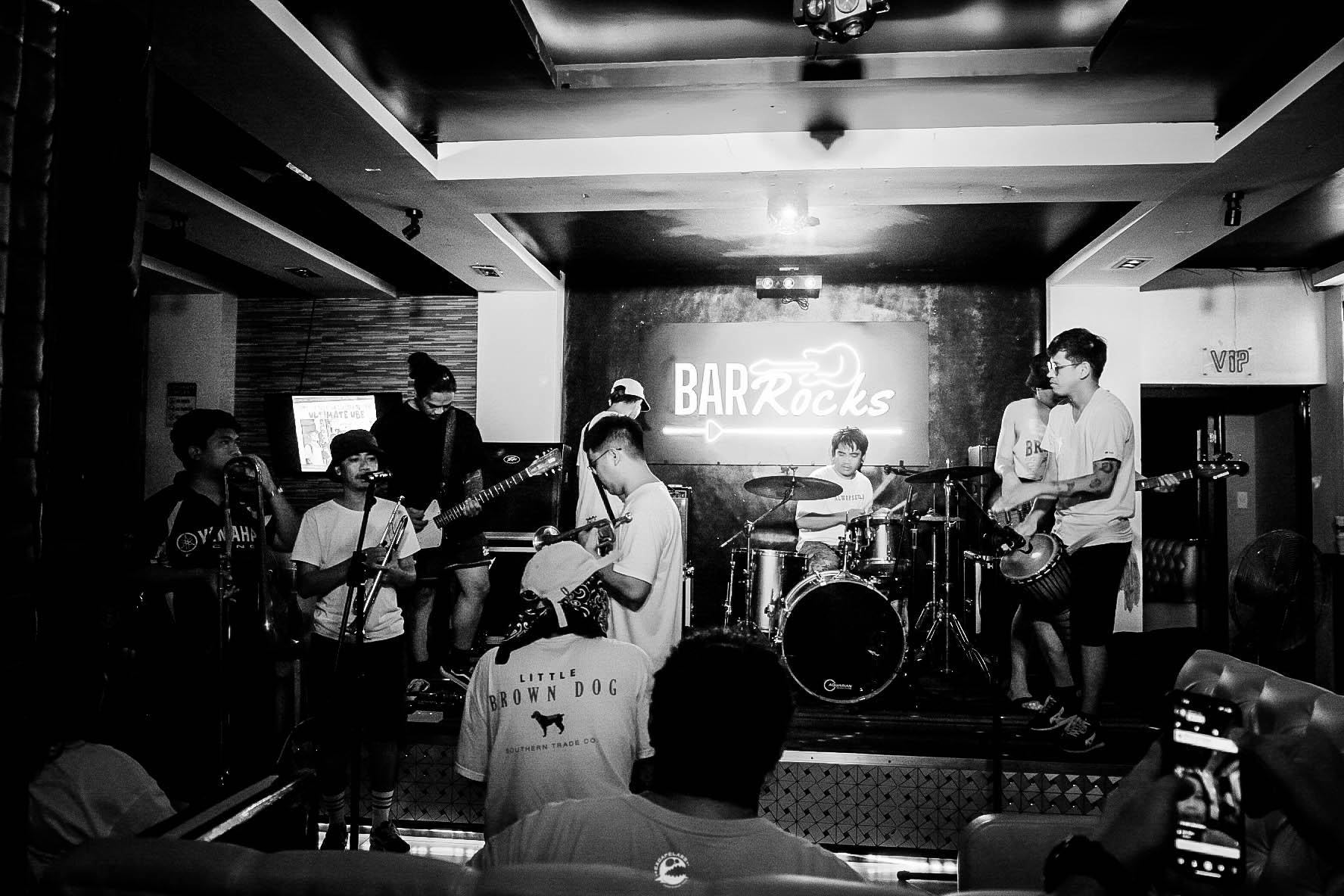
    The lights go out. The crowd cheers. The last note fades. And just like that, another gig is over.

    But for many indie musicians, this is where the real struggle begins.

    Behind the energy of live performances, the fire of songwriting, and the curated social media feeds lies a truth most people never see: anxiety, burnout, and overwhelming pressure are silent companions in the lives of countless artists.

    This isn’t just a “bad day” or a moody phase. It’s an emotional weight that builds over time—and for indie musicians grinding it out with no manager, no label, and no guaranteed paycheck, it can feel crushing.

    behind the scenes music struggles

    The Indie Scene’s Hidden Battle

    Indie music is often glorified as “authentic,” “free,” or “DIY.” But let’s talk real: it’s also exhausting.

    The average indie artist juggles so many hats—songwriter, performer, social media manager, booking agent, merch packer, and sometimes even a 9-to-5 just to survive. That’s not passion. That’s survival mode.

    And while we’re constantly told, “Follow your dreams,” no one warns us about what happens when your dream starts feeling like a burden.

    When Music Becomes Pressure

    Music is healing. But when it becomes the only way to prove your worth—or the only thing people expect from you—it becomes pressure.

    Pressure to keep posting.
    Pressure to fill every weekend with gigs.
    Pressure to be “on” all the time, even when you’re running on empty.

    And when you start equating success with Spotify streams, Instagram likes, or YouTube views, your mental health can take a hit.

    That’s not weakness. That’s reality.

    The 5 Signs a Musician Might Be Struggling (That You Might Miss)

    1. They start canceling gigs last-minute
      Burnout often looks like flakiness. It’s not. Sometimes just getting out of bed is a battle.
    2. They’re “online” but not really present
      Posts keep coming, but replies are cold or robotic. That’s often a mask.
    3. They suddenly change direction
      A drastic shift in sound or vibe might be a creative rebirth—or a cry for help.
    4. They isolate
      Skipping jams, ghosting on chats, or avoiding hangouts is rarely just “being busy.”
    5. They joke too much about quitting
      Laughter hides a lot. When someone keeps joking about giving up, listen closely.

    Let’s Be Real: We’re Not Machines

    The hustle culture in the indie scene romanticizes being overworked. If you’re not constantly releasing, performing, or “grinding,” you’re seen as lazy or irrelevant.

    But here’s the truth: taking a break doesn’t make you less of an artist.

    Rest is part of the process. Silence is part of the sound. Healing is part of the hustle.

    Mental Health in the Music Scene: Still a Taboo?

    Talking about anxiety or burnout is still weirdly taboo in our industry. There’s this fear:

    “If I open up, I’ll lose fans. I’ll look weak.”

    But here’s what we forget: vulnerability connects. Being honest about your struggles won’t push people away. It draws them in.

    That’s how we build real communities—not just audiences.

    “Sometimes the loudest person on stage is the quietest inside.” – Excapelabs

    You never really know what someone’s carrying. The frontman with the wild stage presence? He might be falling apart backstage. The vocalist who just dropped an EP? She hasn’t slept properly in weeks.

    That’s why we need to normalize asking each other:

    “Are you really okay?”

    And if the answer is no—that’s okay too.

    So What Can We Do?

    For artists:

    • Start journaling between gigs.
    • Limit social media doomscrolling.
    • Say no. Rest without guilt.
    • Find a therapist who gets creatives.
    • Talk to bandmates. Be honest about your limits.

    For fans:

    • Don’t pressure musicians to be online 24/7.
    • Celebrate breaks and honesty, not just hustle.
    • Support your faves emotionally, not just with clicks.

    For everyone:

    • Share resources.
    • Talk openly.
    • Stop glorifying burnout.

    Let’s End the Silence

    The indie music scene has always been about realness. About rebellion. About breaking norms.

    So let’s rebel against the idea that struggling makes you “less than.”
    Let’s be the scene that not only creates beautiful music—but also protects the minds and hearts behind it.

    Because behind every song you love, there’s a person who fought to write it.
  • YUGEN: From Campus Contenders to Emo Pop Punk Torchbearers

    YUGEN: From Campus Contenders to Emo Pop Punk Torchbearers

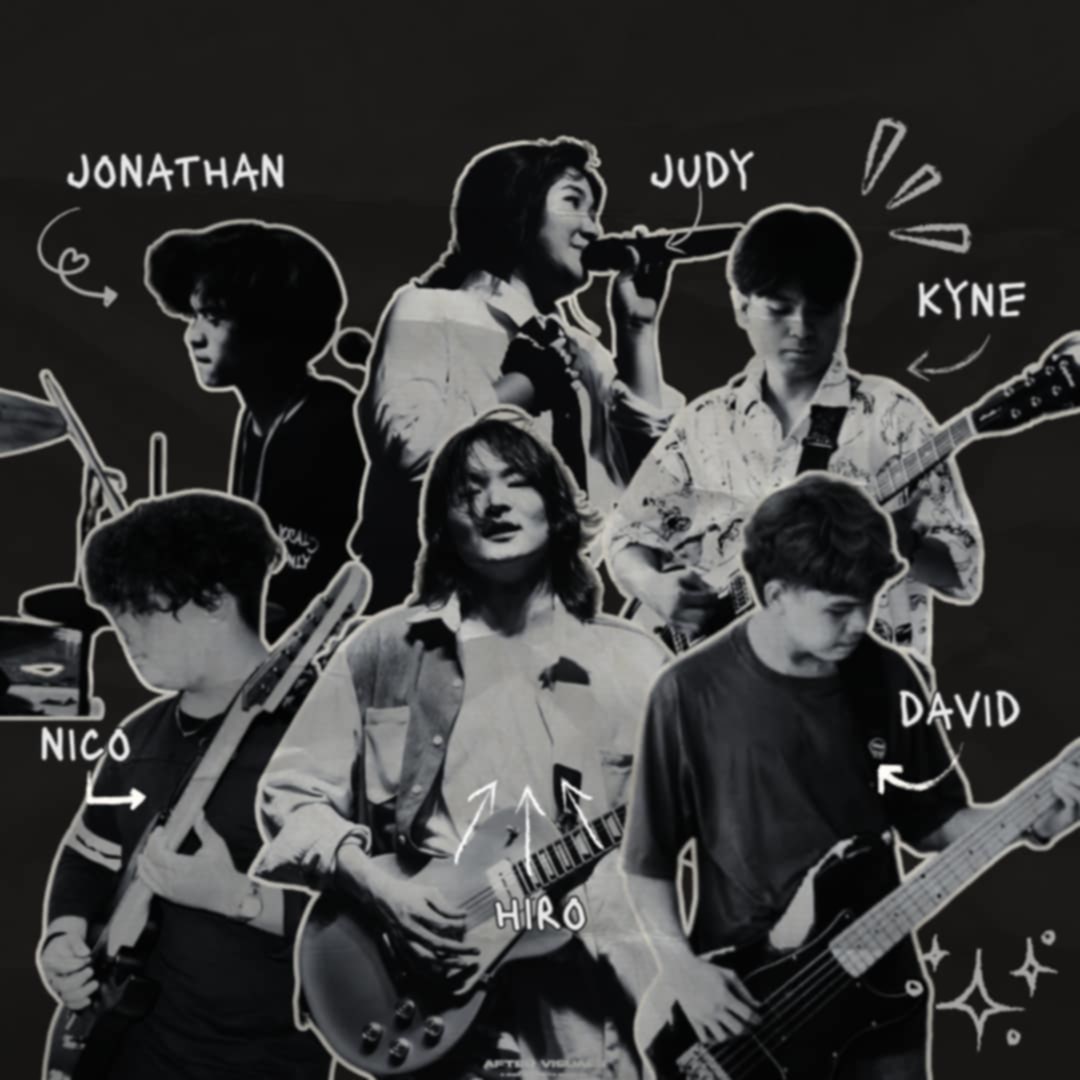
    It started with four names—Judy, Kyne, David, and Jonathan—representing their school in the Cluster Finals of a Battle of the Bands. What began as a one-time school gig quickly grew into something more. After the competition, the group realized they shared the same fiery passion for music. The spark was too strong to ignore, and so, they continued their journey outside of school walls.

    That spark soon had a name: YUGEN.

    “At first, trip lang talaga,” they shared. Each member threw in a word they felt connected to, spun a roulette, and landed on YUGEN. What was once a random pick eventually grew to represent their identity—the name that ignited their burning passion for music and performance.

    The original lineup featured Judy on vocals, Nico and Kyne on guitars, David on bass, and Jonathan on drums. But recently, they welcomed a new member: Hiro Ozaki, who adds not only his guitar skills but also takes part in music production. “Yes, six na kami!” they said with joy. Nico, described by the group as “the brain of the band,” plays a crucial role in songwriting and arranging their music.

    YUGEN’s sound has evolved over time. They started off heavily influenced by nu metal and alternative rock, with traces of rap metal in their early days. Now, they’re entering a new era, embracing an emo pop punk sound reminiscent of the 2000s to 2010s. Influences range from local legends like Slapshock, Talata, Kamikazee, and Even to international icons such as Rage Against the Machine.

    When it comes to writing music, Nico explains:
    “Usually yung mga story lang din ng friend ko nagiging inspiration ko para sumulat, pero sometimes meron din ako naisusulat na story ko yung topic.”

    Their lyrics often delve into one universal experience: heartbreak—in all its forms. One of their most heartfelt songs, Paglisan, tells a deeply personal story.

    “Itong Paglisan kase is about talaga sya sa tito ko, kase yung tita ko non ay pumanaw at nakita ko kung paano nalungkot yung tito ko kaya ko sya sinulat, pero ang intindi ng mga tao don is about sa mga na ghost so I think it’s a song para sa kanila (mga na ghost).” – Nico

    Among all their tracks, “Paglisan” holds a special place. It was the band’s debut release—the moment they all realized this wasn’t just a hobby anymore. It was the beginning of something real.

    Two performances stand out in YUGEN’s journey so far. The first was their gig at Takeover Lounge, where they opened for Lily—a band they admired for years. “It feels surreal,” they said, recalling the moment. The second was their first performance at Sta. Maria Town Fiesta, where they received overwhelming support from a massive crowd. It was a turning point, marking the start of their growing fanbase.

    Despite being from Bulacan, the band faces challenges unique to indie artists outside the metro. “Pamasahe,” they joked, but then shared the real struggle—limited venues and fewer production opportunities. Still, they remain grateful to the producers and supporters keeping the scene alive in Bulacan.

    In terms of collaboration, the group stays tight. “We always ask each other ng ‘Ano sa tingin mo?’, ‘Okay ba sa’yo ito?’” Their synergy minimizes creative clashes, proving that communication and shared vision fuel their momentum.

    So how does YUGEN want to connect with listeners, especially the youth?

    “We wanted to be there for them. Gusto namin na even if masaya sila or malungkot, they will still listen to our songs… Gusto namin silang samahan through our music.”

    And as for the local music scene?

    “It’s improving,” they say. “Sobrang diverse na ng music scene dito sa’tin and we love to see it.”

    Looking ahead, fans can expect a new sound as YUGEN embraces a fresh chapter. “Nasa process kami ngayon ng pagpapalit ng era (parang butterfly lang),” they teased. While no exact release date is set, new songs are on the horizon.

    To their supporters, YUGEN sends their love and gratitude:

    “Salamat sa pag support sa banda namin at asahan nyong patuloy kaming maglalabas ng mga musika para sa inyo!” – David
    “Maraming salamat sa mga nakikig at sumusuporta samin sana patuloy nyo kaming supportahan pangako na gagalingan pa namin at mas mag- iimprove para sa inyo! Mahal namin kayo!!” – Jonathan
    “Sobrang thankful kami sa inyo. Kayo yung dahilan kung bakit kami naggrow at kung bakit we still have this burning passion. Mahal namin kayo!” – Judy


    YUGEN is just getting started. With a name born from spontaneity and a sound forged in emotional truth, this Bulacan-based band is ready to carry the emo pop punk torch for a new generation.

  • The Quiet Struggle of Indie Bands Today: Creative Block, Burnout, and the Fight to Keep Creating

    The Quiet Struggle of Indie Bands Today: Creative Block, Burnout, and the Fight to Keep Creating


    There’s a certain magic that surrounds indie bands. They are the underdogs, the soul searchers, the stubborn dreamers who create music not because they have to—but because they need to. But behind the curtain of Spotify links, small gig posters, and DIY album drops is a raw truth that often goes unnoticed: indie artists today are struggling. Not just financially, but mentally, emotionally, and creatively.

    This isn’t just a phase. This is a silent fight that many musicians don’t even talk about anymore because it’s become their normal.


    Chasing Passion in a World That Demands Performance

    Let’s start with the obvious: indie musicians are creators and marketers, and content strategists, and booking agents, and sound engineers. While the internet has democratized music and opened up endless opportunities, it has also demanded more than what one person—or even a small band—can realistically deliver.

    If you’re in an indie band today, chances are you’ve had to learn how to edit Reels, analyze Spotify for Artists metrics, write your own PR, and beg for the algorithm’s attention, all while juggling a day job or two just to stay afloat. It’s no wonder creative burnout creeps in. You’re expected to write deeply personal songs, produce them, and then sell them like a product. And somewhere in the chaos, the soul of your music—the thing that started it all—starts to flicker.


    Creative Block: It’s Not Laziness, It’s Overwhelm

    There’s this toxic notion floating around that if you’re not constantly creating, you’re slacking. That if you’re not releasing new music every few months or jumping on trends, you’re irrelevant. But for indie artists, especially in 2025, creative block is more than a mental wall—it’s often a symptom of emotional fatigue.

    Maybe you’re too tired from your day job to write that second verse. Maybe your last single didn’t get the streams you hoped for, and now you question everything you’ve ever written. Maybe you see your peers “making it” on TikTok while you’re stuck re-recording vocals in your room for the tenth time.

    You’re not uninspired—you’re just human. You’re doing your best in a system that rewards quantity over quality, visibility over vulnerability.


    The Isolation No One Talks About

    Here’s the thing—being in an indie band can be one of the loneliest artistic paths. Unless you’re lucky to have a solid crew around you, the journey is full of self-doubt and second-guessing. You write songs from your soul, pour your truth into lyrics, and then send them out into the digital void, hoping someone, anyone, will resonate.

    It’s the kind of isolation that sinks deep, especially when you’re unsure if your art is even reaching anyone anymore. Comments get fewer, streams plateau, and it starts to feel like you’re just shouting into the void. But you’re not. Even when you can’t see it, your songs matter. Your voice matters.


    Rejection, Comparison, and the Invisible Pressure to “Make It”

    One of the cruelest ironies for indie musicians is that you start doing this out of love—but somewhere down the line, that love turns into pressure. Pressure to go viral. To be playlisted. To hit a million streams. And when you don’t, it feels like failure.

    Even though you’re doing what only a small percentage of people dare to do—create and share original art—it’s hard to escape the trap of comparison. You see friends booking bigger gigs, bands getting signed, influencers sharing their music, and you start to wonder: What am I doing wrong?

    The truth? Probably nothing. You’re just not playing a rigged game fast enough.


    Holding On to the Spark

    So how do you keep going when you feel like quitting?

    You come back to why you started. Before the metrics. Before the pressure. Before the chase.

    You remember that moment you first heard your voice on a recording. That first messy gig with five people in the crowd, two of whom were your cousins. That riff that came to you at 2AM and kept you awake because it meant something.

    Music is not a product. It’s a lifeline. It’s how some of us survive the world. And if you’re reading this, you’ve probably helped someone out there survive theirs—without even knowing it.


    What Indie Bands Need Now: Real Connection, Not Just Exposure

    If you’re an indie artist, you don’t need more followers—you need more community. You need people who will sit with your music, not just scroll past it. People who will say, “Hey, your new song got me through a rough night,” and mean it.

    So how do we build that? We start by being real again. Post your struggles. Share the messy drafts. Talk about your creative blocks. You’re not alone in this, and every time you speak up, you give another artist permission to do the same.


    To the Indie Band Reading This: You’re Doing Enough

    You might feel behind. You might think your best work is behind you. You might even be considering giving up.

    But hear this: the fact that you keep showing up for your art—even when it’s hard, even when no one sees it—is everything. That’s what makes you a real artist. That’s what sets you apart from the noise.

    Don’t measure your worth by streams or shares. Measure it by the truth you put into your songs. By the way your lyrics shake when you sing them. By the message someone might hear years from now that saves them from giving up.


    Final Words: Your Story Isn’t Over

    The world needs your music—not just the polished, viral-ready tracks, but the imperfect demos, the half-finished verses, the raw feelings.

    Keep writing, even when you feel stuck. Keep recording, even when the takes aren’t perfect. Keep showing up, even when no one claps.

    Because somewhere out there, someone is waiting to hear the exact song you’re scared to finish.

    And when you do finish it—they’ll feel a little less alone.

  • Through Her Eyes: Watching a Single Mom With ADHD, Bipolar Tendencies, and Impostor Syndrome Try to Stay Afloat

    Through Her Eyes: Watching a Single Mom With ADHD, Bipolar Tendencies, and Impostor Syndrome Try to Stay Afloat

    At first glance, Mia looked like she had it under control.

    She was 34, sharp-witted, and resourceful—always with her laptop open, coffee in hand, and a dozen mental tabs running all at once. To her colleagues, she was “resilient,” “strong,” even “a supermom.” But if you paid attention—really paid attention—you’d see something else in her quiet moments: grief, exhaustion, and a constant battle in her eyes.

    Mia was a single mom. But her kids didn’t live with her right now.

    They were with her ex-partner, a man she had built a life with for eight years—until she discovered the betrayal that shattered everything. The cheating, the gaslighting, the emotional chaos. Mia left to protect herself, but in doing so, made the heart-wrenching decision to let the kids stay with their father temporarily.

    Not because she didn’t love them—she loved them so fiercely it ached—but because she was terrified of breaking them.

    She was afraid her ADHD, her emotional swings, her moments of shutdown would ripple into their young lives. So she worked on herself first. Alone. Quietly. Often painfully.


    Living with ADHD in the Workplace

    Mia had always been described as “too much.” Too energetic, too talkative, too sensitive. But she only got her ADHD diagnosis at 31—long after years of burning out in every job, relationship, and project she touched.

    Her days were a whirlwind of hyperfocus and forgetfulness. She could plan an entire launch in one sitting, yet forget a meeting five minutes after writing it down. She thrived under pressure but crumbled under routine. Admin work felt like drowning in wet sand.

    She wasn’t lazy. She wasn’t careless. She just had a brain that danced differently.

    But try explaining that to a world that praised grind culture and penalized pauses.


    Bipolar Tendencies and Emotional Whiplash

    Mia wasn’t diagnosed with full-blown bipolar disorder, but her moods shifted like weather fronts.

    There were days she felt electric—full of ideas, making plans, sending out pitches at 3AM with unstoppable fire. But those highs never lasted. Eventually, the fog rolled in. Days when she couldn’t get out of bed. When she stared at the ceiling for hours wondering if her life had already peaked.

    The emotional pendulum made relationships difficult, work unpredictable, and self-trust almost impossible.

    When she was up, she feared the crash. When she was down, she doubted she’d ever rise again.


    The Weight of Impostor Syndrome

    Despite her talents, Mia never felt like she belonged in the rooms she entered.

    She would ace presentations, close projects, even earn client praise—but deep inside, a voice always whispered, “They’re going to find out you’re not actually good enough.”

    That voice, fed by years of masking her ADHD and enduring gaslighting in her relationship, became her internal compass. She second-guessed every decision. She apologized too much. She’d freeze when asked for her opinion in meetings, fearing she’d sound “crazy” or “unprofessional.”

    Impostor syndrome wasn’t just a fleeting doubt—it was the lens through which she saw her entire life.


    Relationship Anxiety and Emotional Trauma

    Mia hadn’t dated since the breakup. It wasn’t that she didn’t want love—it was that love terrified her now.

    Eight years with someone who lied, cheated, and manipulated her left scars. Her anxious attachment—already heightened by ADHD—turned into hypervigilance. She’d overanalyze text messages, panic if someone she liked pulled away, and feel guilty for wanting closeness.

    In quiet moments, she’d replay her old relationship like a movie reel, trying to find where she went wrong. She worried she’d never be able to trust again—or worse, that her kids would absorb her brokenness.

    So she chose distance—for now. Healing became her only relationship.


    Financial Anxiety and the ADHD Money Spiral

    Mia made enough to survive—but not much more. Freelance gigs, part-time contracts, a few consulting projects. But managing money with ADHD was its own nightmare.

    Budgeting felt impossible. Paying bills on time took Herculean effort. She’d either obsessively track every cent or ignore her finances entirely for weeks. During her “up” phases, she spent impulsively—retail therapy disguised as self-care. During the lows, she felt guilty for buying groceries.

    Every financial decision came with shame, fear, and the haunting pressure of being a mother—even if her kids weren’t with her at the moment.


    The Hard Work of Healing

    What most people didn’t see was how hard Mia worked just to keep moving forward.

    She was in therapy—every other Friday. Her therapist helped her untangle the self-blame, build better routines, and understand her wiring. She tried meds. It took months to get the dosage right, but it helped soften the extremes.

    She journaled. Not for aesthetics, but survival. She used apps that broke down tasks into smaller steps. She left Post-its everywhere. She built “transition time” into her day, knowing her brain needed space between activities.

    She created new routines, not perfect ones. Her mornings were slow, her evenings quieter. She practiced forgiving herself when she messed up—a task far harder than any spreadsheet or deadline.

    And most of all, she kept showing up.

    For herself. For the hope of being whole. For her kids.


    A Different Kind of Strength

    Mia might not fit the mold of the “strong single mom” social media idolizes. She wasn’t doing it all. She wasn’t always okay. But she was learning to live honestly—with her limitations, her patterns, and her potential.

    That kind of strength—the quiet, gritty kind—is harder to see, but infinitely more powerful.

    She still cried sometimes when she heard her children’s voices on the phone. She still panicked when a client email went unanswered. She still had days when her apartment was a mess and her thoughts even messier.

    But she was alive. She was healing. And that counted.


    Why Telling Mia’s Story Matters

    There are so many women like Mia.

    Smart, talented, emotionally complex—juggling ADHD, bipolar tendencies, impostor syndrome, broken hearts, and motherhood. Living between chaos and calm. Doing the work behind closed doors while pretending everything’s fine.

    Their stories deserve to be told. Not for sympathy, but for truth. For awareness. For others to see themselves and know they’re not broken, just built differently.

    Healing doesn’t always look like a makeover or a breakthrough. Sometimes, it looks like waking up, drinking coffee, and showing up to the day with your whole messy self.

    That’s Mia’s story—and maybe yours too.

  • Why Content and Marketing Matter for Indie Bands (And How to Get It Right)

    Why Content and Marketing Matter for Indie Bands (And How to Get It Right)

    The dream of making it big in music isn’t dead—it’s just changed. Gone are the days when indie bands waited for a label to “discover” them. Today, you can build your audience from scratch, grow a loyal fanbase, and get noticed, all from your bedroom or practice studio. But here’s the hard truth: great music is no longer enough. Without strong content and consistent marketing, even the best songs might never reach the ears they deserve.

    If you’re a startup indie band or a group that’s been grinding for years with little traction, it’s time to treat your music like a brand. This article breaks down why content and marketing are non-negotiable, what you need to start, how to target your audience, and what role streaming platforms play in your growth.


    Why Content is King (Even for Indie Bands)

    In a world where attention is currency, content is your way of getting paid. Whether you’re sharing behind-the-scenes rehearsal videos, gig posters, lyric snippets, or fan shout-outs, your content becomes your voice when you’re not performing live.

    Think of your favorite artists—they post consistently, engage fans, and create stories around their music. Your audience isn’t just looking for a song; they’re looking for a connection. Regular content gives your band visibility, shows your personality, and creates a reason for people to care about you.


    Marketing Isn’t Selling Out—It’s Surviving

    Some indie bands shy away from marketing, afraid it means “selling out.” But marketing isn’t about chasing trends or becoming something you’re not. It’s about finding the people who already want your sound and showing up in their world.

    Marketing is simply storytelling with a strategy. And when done right, it allows you to:

    • Grow your fanbase organically
    • Get booked for gigs and festivals
    • Drive streams and merch sales
    • Create partnerships and collaborations

    Without marketing, your music is just floating in a sea of content. With it, you become a signal in the noise.


    Essentials Every Indie Band Needs to Get Started

    If you’re just starting—or trying to get back on track—here are the bare essentials you need:

    1. A Brand Identity
    Who are you? What’s your message? What do you stand for? A clear identity makes it easier for people to relate to your music. It includes:

    • Your band name and logo
    • A consistent visual style (colors, fonts, photo treatments)
    • A short, engaging bio
    • A band photo and press kit

    2. Social Media Presence
    Choose 2-3 platforms (Instagram, Facebook, TikTok, or YouTube) and show up consistently. Each platform serves a different type of content:

    • Instagram: Polished photos, stories, and reels
    • Facebook: Events, long posts, fan groups
    • TikTok: Viral short-form content, trends, song snippets
    • YouTube: Music videos, live sessions, vlogs

    3. Streaming Profiles
    Set up your artist profile on Spotify for Artists, Apple Music for Artists, YouTube Music, and Bandcamp. Upload high-quality recordings with good cover art. Don’t leave your “About” sections empty—these matter to new fans and curators.

    4. A Website or Link Hub
    Create a simple website or use tools like Linktree to centralize everything: your music, bio, social links, press features, and contact info. Make it easy for people to find and support you.

    5. Consistent Content Calendar
    Plan your content weekly or monthly. This can include:

    • Throwback posts or origin stories
    • BTS rehearsals or songwriting clips
    • Gig announcements and posters
    • Fan interactions and shoutouts
    • Song lyrics or meanings

    How to Find and Target Your Audience

    You don’t need everyone to love you—you just need your people.

    Start by identifying your “ideal fan.” Think about:

    • What genres they listen to
    • What social media platforms they use
    • What artists they already follow
    • What they do in their free time (are they gamers, skaters, students, etc.)

    Then ask yourself: where are these people hanging out online? Go there. Engage in niche communities. Comment on similar artist pages. Run small social ads targeting people who like artists with a similar sound.

    Pro tip: Use Spotify’s “Fans Also Like” section to discover bands that share your audience. Check out their fan engagement and learn from what’s working.


    Why Streaming Platforms Matter More Than Ever

    Let’s be real: streaming doesn’t pay much per stream. But it does pay in exposure. When used strategically, platforms like Spotify, YouTube, and TikTok can be massive launchpads.

    Here’s how to use them better:

    1. Pitch Your Songs
    Before releasing a track, submit it to Spotify’s editorial team using Spotify for Artists. Aim for at least 2-3 weeks before your release.

    2. Curate Your Own Playlists
    Start your own playlists with your songs and tracks from similar artists. Share them on your socials to build discoverability.

    3. Leverage TikTok and Reels
    Create short videos using your own songs. Encourage fans to use your sound. Even 10 seconds of the right hook can go viral.

    4. Collaborate with Creators
    Partner with vloggers, dancers, or niche influencers who align with your vibe. Let them use your music in their content.


    Adding More Value: Community > Virality

    It’s easy to get caught up chasing viral moments. But lasting success comes from community, not clicks.

    Start by engaging with every single fan who comments, likes, or shares. Thank them, ask them questions, and involve them in your journey. Make them feel like they’re part of the band’s story.

    Also, consider starting a mailing list or private group chat. These tools let you own your fan relationships without relying too much on algorithms.

    Final Thoughts: You’re Not Just a Band, You’re a Brand

    Music is your product, but your brand is the experience you create around it. That includes your visuals, your voice, your stories, and how you show up online.

    It doesn’t matter if you’re a brand-new indie band or one that’s been around for years. It’s never too early—or too late—to start building your presence. And in today’s music industry, your success is directly tied to how well you market your message.

    Start simple. Be consistent. Stay human. And remember: the goal isn’t to be famous overnight. It’s to build something real, one fan at a time.


    Need Help with Content or Marketing?

    If you’re feeling overwhelmed or unsure where to begin, ExcapeLabs is here to help.

    We specialize in content creation and music marketing tailored for indie artists and bands. Whether you need social media content, artist branding, streaming platform support, or a full-blown campaign—we can work with you to bring your music to the audience it deserves.

    From planning your content calendar to promoting your next single or gig, we’re your creative partners in growth.

    Let’s build your sound and story together.

    Follow us at [@excapelabs] or send us a message to get started.

  • Indie Dreams: The Passion, Struggles, and Silent Battles of Artists on the Rise

    Indie Dreams: The Passion, Struggles, and Silent Battles of Artists on the Rise

    In every late-night bedroom recording, on every small gig stage, and behind every independently released track, there is an artist choosing to believe—despite the odds. The indie music scene, especially in the Philippines, is not just an alternative route to mainstream success. It is a full-blown ecosystem powered by heart, hustle, and resilience. It’s where music meets identity, and where art becomes a personal revolution.

    Going indie is rarely a calculated career move. For many, it’s the only available path. With limited financial backing, no industry contacts, and basic home gear, independent musicians rely on creativity, consistency, and a deep need to be heard. A secondhand guitar, a budget mic, a laptop with free software, and the stories they carry—this is the usual starting point.

    Passion First, Always

    Every artist begins with a spark. Not the desire for clout, but a deeper urge to translate emotion into sound. Ideas don’t wait for studios—they come during jeepney rides, while lying in bed, or in between shifts. Songs often start as voice notes, hastily typed lyrics, or half-finished verses kept alive by memory. And while the rest of the world might scroll past their latest drop, they keep creating anyway.

    What drives them is not perfection. It’s honesty. Their songs aren’t always polished, but they’re real. And in that rawness lies their greatest strength. Music becomes an outlet, a mirror, a companion. It’s how they make sense of heartbreak, celebrate friendship, mourn loss, and process the chaos of growing up in a world that often doesn’t listen.

    The Work No One Talks About

    For every song uploaded online, there’s a story most people never hear. The artist who works a 9-to-5 and still rehearses late into the night. The one who edits their own video on a cracked phone. The one who learned how to use a digital audio workstation just to save money on studio fees. These artists wear many hats: performer, producer, social media manager, designer, promoter.

    Releases are funded by freelance gigs, sideline work, or scraped-together savings. Even a single gig means commuting, carrying heavy gear, setting up in unfamiliar venues, and performing for crowds that may or may not pay attention. It’s not glamorous. But it’s theirs.

    That’s the indie grind—unseen by most, but deeply felt by those who live it.

    The Silent Cost: Mental Health

    Beyond the craft lies the inner turmoil. Choosing art often means sacrificing stability, and that decision carries weight. There’s the anxiety of putting work out into the world, the sting of low streams after months of effort, the exhaustion of juggling responsibilities, and the fear of falling behind. There’s the mental math of how much longer one can keep this up—especially when society insists success should come quickly or not at all.

    These unspoken challenges can lead to burnout, isolation, and depression. For many, making music is both the cause and cure. It triggers stress, yes, but also becomes the lifeline. It helps process emotions when nothing else works. It becomes therapy in a world where actual therapy is often out of reach.

    The vulnerability that fuels songwriting is the same one that helps others feel less alone. In sharing their truth, artists create safe spaces not just for themselves, but for their listeners. They teach people that it’s okay to feel deeply, to fall apart, and to keep creating despite the ache.

    Community: The Real Engine Behind Indie Growth

    One of the strongest yet least discussed foundations of the indie scene is the sense of community. Success here isn’t built in isolation. It’s made possible by the people who offer support—friends who shoot music videos for free, fellow artists who promote each other’s work, organizers who open up spaces, and fans who follow loyally from bar to bar, post to post.

    This collaboration over competition mindset creates a ripple effect. It leads to more shows, better songs, and stronger confidence. It creates an environment where wins are shared, not hoarded. And in an industry often dominated by gatekeeping, this openness is revolutionary.

    Art in the Age of Algorithms

    Modern indie artists also battle another force: the pressure of digital platforms. While tools like TikTok, Spotify, and YouTube offer visibility, they come with new stress. Algorithms now influence which songs get heard, who gains momentum, and how long attention lasts. Suddenly, music isn’t just about the message—it’s about the packaging.

    Artists are forced to think like marketers. They plan content calendars, optimize their captions, track analytics, and jump on trends—all while still being expected to produce meaningful music. It’s a mental tug-of-war: how to remain authentic while chasing visibility. It’s easy to lose sight of the music in favor of metrics.

    But many are learning to adapt. Some choose to grow slowly, organically, focusing on building a real audience rather than chasing viral moments. Others balance both worlds, using strategy without compromising soul. Either way, success today requires more than talent. It requires digital literacy, emotional intelligence, and a deep sense of purpose.

    A Shared Formula: Passion, Persistence, Vulnerability, and Community

    Although there is no guaranteed path to success, a clear pattern emerges among artists who manage to thrive:

    • Passion fuels their drive.
    • Persistence helps them push through setbacks.
    • Vulnerability deepens their connection with listeners.
    • Community sustains them through the long haul.

    This formula might not lead to overnight fame—but it does lead to growth, impact, and sustainability. It shapes not just better artists, but better people.

    To the One Still Holding On

    If you’re writing songs in secret, releasing music with little fanfare, or wondering if your effort is worth it—remember this: the fact that you’re still showing up is powerful. Every verse you write, every story you share, every risk you take to put your truth out there—it matters.

    Success is not just about being seen by millions. Sometimes, it’s about being seen by one person who needed your song at the right time. Sometimes, it’s about proving to yourself that you can finish what you started.

    There are no shortcuts. No secret formulas. Just this: show up, speak your truth, and surround yourself with people who believe in your vision.

    Because the ones who make it are rarely the ones who had it easy. They’re the ones who kept going.

    And that’s how all great stories begin.

  • LC Studio: From Backyard Jams to Big-Time Gigs — The Story of True Grit and Good Music

    LC Studio: From Backyard Jams to Big-Time Gigs — The Story of True Grit and Good Music

    In an industry where studios pop up and fade away like trending sounds on TikTok, LC Studio stands as a reminder that passion, persistence, and a love for community can make a legacy. What started as a dream to survive and support a family using music know-how has grown into one of Sta. Maria’s most respected grassroots music studios.

    How It All Started
    Behind the initials “LC” are Lui and Cathy—names not just etched in the brand but in every mic check, every jam session, and every community event LC Studio has powered through.

    “Nabuo ang LCstudio sa pagkagusto kong maisurvive ang binuo kong pamilya sa paraan ng kaalaman ko sa Music Industry,” says founder Lui. But survival turned into purpose with the help of close friends who believed in him—Russel Fadrigore, best friend John Michael “KUMAGCOW” Bueno, and Mama Watut Reynaldo “BALOT” M. Ignacio. With their financial support, LC Studio was reborn and rebooted from the ashes of earlier ventures.

    Before LC Studio became the name locals recognize, it went through phases—LSJ (Likod Simbahan Jammers) in 2000 and later, KSJ (Ka Steve Jammers) in 2005. But even before the rebrands, back in 1995, it all started with band equipment pooled by high school classmates from St. Paul Bocaue.

    Family, Friends, and Foundations
    LC Studio isn’t just Lui’s passion project—it’s a community movement. One of the earliest collaborators was his cousin “Jtech” Pacifico Catipon Jr., who taught him about sound systems. Their garage jam space slowly turned into a haven for local musicians from schools like STI, ICI, Sacred Heart, Early Christian, Shekina, and more.

    “Hanggang nakita ng ibang tumutugtog kung pwede daw makipractice. Kaya hayun, simula noon tumulong na rin kami sa mga walang mapagpractisan na mga banda,” he shares.

    Music with a Mission
    Long before the studio was a business, it was a mission. Lui, a percussion section leader from Banda85, had been teaching kids how to read notes and play in bands. Music became his tool to steer the youth away from vices and into discipline and opportunity.

    “Ako tinuruan ako dati at alam kong nakatulong sa pagkatao ko kaya gusto kong ipamahagi din nalalaman ko. Dahil yan kay Maestro Marcel Anareta,” he says, crediting his mentor.

    First Events, First Challenges
    The early years of LC Studio weren’t without hurdles. The biggest one? Equipment and debt.

    “Ang pinaka-challenge nyan yung kung paano mo makukumpleto ang mga band equipments at paano ka makakabayad sa pagkakautang mo,” he says. But faith, loyalty, and trust pushed them forward. Some of those early loans? Still unpaid—but out of friendship and gratitude, his supporters have long moved on.

    The first official LC Studio project was a Thanksgiving Battle of the Bands event. It came after a motorcycle accident that nearly derailed Lui’s plans. That event wasn’t just about music—it was about awareness.

    “Gusto ko kasi sabihin sa kanila kahalagahan ng helmet kapag nag momotor ka lang. Awareness ng huwag maging Oscar o kamote sa daan,” he says, laughing.

    The prize? A bottle of long neck gin. But the crowd? Massive. The passion? Unmatched.

    Sleepless Nights, Priceless Memories
    Some of LC Studio’s most unforgettable moments happened during events that ran through the night. One time, they featured 30 bands in one event. “Nakatulog kami sa stage para makapahinga konti ang mga team namin,” he recalls. It was exhausting, but it was also everything they stood for—community, hard work, and love for music.

    From Humble Gears to Big-Time Stages
    Lui proudly shares how even though they started small, some of their equipment has been used by known musicians. And now in 2025, after years of slow but steady upgrades, LC Studio can finally mount a full concert with their gear.

    “Di na rin ako makapaniwala na marami-rami na pala akong naipundar na gamit,” he says. What used to be borrowed and pieced together is now a legitimate set-up ready for serious productions.

    LC Feels and Bloopers
    What makes LC Studio stand out isn’t just the service—it’s the vibe. On YouTube, you’ll find videos of their events where they playfully prank clients and guests with sudden music drops or sound effects while waiting for the program to start. “Sa kaboringan ng paghihintay, nagka-content ng mga pag gulat. Pinatutugtog namin ang ‘I Feel Good,’” he laughs.

    Giving Back, Staying Real
    LC Studio’s reputation wasn’t built on just pricing or tech—it was built on heart. They started by helping and sometimes still offer charity services to clients who are respectful and sincere. “Minsan, nag-sponsor pa kami,” he says. For Lui, it’s not always about profit—it’s about purpose.

    What’s New and What’s Next
    LC Studio now offers recording services for solo artists and full bands—possibly the most affordable in town, Lui proudly says. They continue to teach, guide, and provide a space for growth.

    Looking ahead, the goal is simple: expand the circle. “Marami pa ring makahalubilo na mga tao para sa karagdagang connections at mga tunay na naniniwala sa kakayahan namin,” he says.

    One exciting partnership is with Cre8 Music and Cre8 TV, led by Bokalistang Pakalat Kalat (Benedict of ForSomeReason). This collaboration promises new productions, free jam sessions, and the annual Dec 30 year-end Thanksgiving gig that’s become tradition.

    The Secret to Standing Out
    With so many creative studios out there, how does LC Studio stay relevant?

    “Same good quality service at madali at totoo tayong kausap,” Lui says without hesitation. Authenticity, reliability, and heart have always been their brand.

    Advice to Aspiring Creatives
    For those dreaming of entering the creative or music industry, Lui offers simple but powerful advice:

    “Maging masaya ka sa papasukin mong larangan. Isipin lagi na maging totoo, makatulong, at positive lang lagi para maging productive. 💯 Pure happiness ang dapat maibigay mo sa client dahil yan ang purpose natin. Mahalin mo lang trabaho mo.”

    And just like that, LC Studio isn’t just a name—it’s a feeling. A culture. A rhythm that started in Sta. Maria and now echoes louder than ever.

  • How to Self-Soothe During an Anxiety Spike: A Practical Guide for ADHD and Neurodivergent Minds

    How to Self-Soothe During an Anxiety Spike: A Practical Guide for ADHD and Neurodivergent Minds

    When anxiety hits, it can feel like a tidal wave—sudden, overwhelming, and all-consuming. Your heart races. Your chest tightens. Your thoughts spiral. Maybe your hands shake, or you can’t sit still. For neurodivergent individuals, especially those with ADHD, anxiety spikes often show up without warning and crash hard.

    Sound familiar?

    You’re not alone.

    Whether triggered by sensory overload, social stress, executive dysfunction, or emotional dysregulation, anxiety spikes are common in ADHD brains. The good news? You can learn to self-soothe—to regulate your nervous system, find calm, and ride out the storm with more control and compassion.

    Here’s how.


    What Is Self-Soothing, and Why Does It Matter?

    Self-soothing means calming yourself down when you feel anxious, overstimulated, or emotionally dysregulated. It’s not about ignoring your feelings or pretending you’re okay. It’s about meeting your nervous system with kindness and giving it tools to come back to safety.

    For neurodivergent people—especially those with ADHD, autism, or trauma histories—self-soothing can be life-changing. It helps you:

    • Regain focus after emotional overload
    • Reduce shame around “overreacting”
    • Navigate relationships more peacefully
    • Build emotional resilience over time

    The more you practice, the more your brain learns, “Hey, I can feel big feelings… and still be safe.”


    What Makes Anxiety Worse in ADHD Brains?

    If you have ADHD, you might notice your anxiety spikes feel extra intense—and for good reason. ADHD brains often struggle with:

    • Emotional Dysregulation: You feel things fast and big. Calm doesn’t come easily.
    • Rejection Sensitivity Dysphoria (RSD): A fear of rejection or failure can trigger panic, even from a small comment.
    • Poor Working Memory: You forget that you’ve been okay before, which makes anxiety feel permanent.
    • Task Paralysis: You’re anxious about not doing the thing… but too anxious to start the thing.
    • Sensory Overload: Bright lights, loud sounds, or itchy clothes can tip you into meltdown territory.

    That’s not weakness. That’s wiring.

    And self-soothing isn’t about “fixing” you—it’s about working with your nervous system, not against it.


    10 Grounded, ADHD-Friendly Ways to Self-Soothe During an Anxiety Spike

    Everyone’s nervous system is unique, so explore what works best for your brain. Here’s a toolbox of ADHD-friendly, neurodivergent-informed techniques you can try:


    1. Name What’s Happening

    Before anything else, say to yourself:

    “This is anxiety. I’m not broken. I’m just overwhelmed, and this will pass.”

    Naming the experience creates distance between you and the panic. It activates the rational part of your brain (prefrontal cortex), which anxiety tends to shut down.

    Bonus points if you say it out loud.


    2. Move Your Body (Even Just a Little)

    Anxiety is energy. If you keep it trapped, it simmers. Movement helps release it.

    • Do jumping jacks for 30 seconds
    • Shake your hands out
    • Walk around the room
    • Bounce in place
    • Stretch your arms toward the sky

    This isn’t about “working out.” It’s about shaking off the freeze.


    3. Use a Weighted Blanket or Deep Pressure

    Deep pressure is scientifically proven to activate your parasympathetic nervous system (aka your calm mode).

    • Lay under a weighted blanket
    • Hug a pillow tightly to your chest
    • Use a compression vest or body sock (many neurodivergent people love these!)
    • Cross your arms tightly over your chest like a self-hug

    If you’re in public, try crossing your arms and squeezing your biceps or pressing your palms together.


    4. Ground Yourself with the 5-4-3-2-1 Technique

    This classic grounding tool helps you anchor in the present moment:

    • 5 things you can see
    • 4 things you can touch
    • 3 things you can hear
    • 2 things you can smell
    • 1 thing you can taste or are grateful for

    Modify as needed. The goal is to shift your attention away from spiraling thoughts.


    5. Chew or Suck on Something Strong

    Oral sensory input works wonders for anxiety. Try:

    • Ice cubes
    • Ginger candy
    • Chewing gum
    • Lemon drops
    • A fizzy drink

    It may seem simple, but giving your brain something to focus on can interrupt the panic loop.


    6. Try a Safe Stim Toy

    Stimming is self-regulation—and it’s valid. Some options:

    • Fidget cubes or spinners
    • Putty or stress balls
    • Rubbing a textured fabric
    • Clicking a pen
    • Tapping your fingers to a rhythm

    Stimming is not just for kids. It’s for anyone whose nervous system benefits from consistent, calming input.


    7. Cold Water Trick

    Cold temperatures stimulate the vagus nerve and help reset your system.

    • Splash cold water on your face
    • Hold an ice cube in your palm
    • Run cold water over your wrists
    • Drink cold water slowly

    It’s a fast-track to snap your brain out of panic mode.


    8. Repeat a Calming Phrase

    Mantras work especially well for ADHD brains that latch onto repeated thoughts. Replace the spiral with something soothing:

    “This feeling won’t last.”
    “I’ve survived every panic attack before.”
    “My body is doing its best to protect me.”
    “I am not alone in this.”

    Say it like a song. Say it like a prayer.


    9. Create a “Calm Kit” in Advance

    Future-you will thank you. Include:

    • Noise-canceling headphones
    • Favorite stim toys
    • Scented lotion or essential oils
    • Your favorite playlist or audio
    • A grounding script or journal

    Keep it in your bag, your desk drawer, or by your bed.


    10. Let Someone Know

    Anxiety thrives in silence. If it feels safe, reach out:

    • Text a friend: “Hey, I’m spiking and just need to feel not alone.”
    • Use a voice note—hearing your own voice helps you reconnect.
    • Use grounding apps like Woebot, Rootd, or Finch for virtual support.

    Connection is a powerful form of regulation.


    Self-Soothing Is a Skill, Not a Shortcut

    You won’t always get it right. Some anxiety spikes will feel like tsunamis, no matter what tools you use. But the more you practice, the more you teach your brain what safety feels like.

    Be gentle with yourself.

    Self-soothing isn’t about getting rid of your anxiety—it’s about being in relationship with it.

    You are not “too sensitive.”
    You are not “too much.”
    You are learning how to feel safe in your skin—and that’s revolutionary.


    Final Thoughts

    If you live with ADHD or identify as neurodivergent, anxiety spikes might be part of your reality. But they don’t have to control your life. With the right self-soothing tools, compassionate awareness, and consistent practice, you can feel more grounded and empowered—even when your brain feels chaotic.

    Start small. Stay kind. You’ve got this.

  • When Chaos Meets Distance: How Therapy Helped an ADHD-Anxious Partner Thrive with an Avoidant Lover

    When Chaos Meets Distance: How Therapy Helped an ADHD-Anxious Partner Thrive with an Avoidant Lover

    From the outside, people used to say they’d never last.

    Alex was the storm—vibrant, impulsive, deeply affectionate, and always needing reassurance. Diagnosed with ADHD in her early twenties, she lived in a constant state of internal noise, with thoughts ricocheting like a pinball machine. Her anxious attachment only intensified things—texting three times in a row if she didn’t get a response, overthinking every silence, every delay, every unread message. She didn’t want to smother him. She just wanted to feel safe.

    Then there was Ryan. Calm. Independent. Emotionally reserved to a fault. His avoidant attachment meant he valued space above all, often interpreting Alex’s bids for connection as pressure. He wasn’t unkind. But where she craved closeness, he leaned into distance. Where she needed words of affirmation, he responded with silence.

    At first, their differences were magnetic—her passion met his quietude in a seemingly perfect balance. But very quickly, the cracks began to show.


    ADHD and Anxious Attachment: A Complicated Mix

    ADHD doesn’t just affect productivity or attention; it deeply impacts emotional regulation, impulse control, and relationship dynamics. People with ADHD often struggle with:

    • Emotional Dysregulation: Intense feelings that erupt quickly and are hard to calm down.
    • Rejection Sensitivity Dysphoria (RSD): A crippling fear of being rejected or not good enough, often leading to exaggerated emotional responses to perceived slights.
    • Poor Working Memory: Forgetting plans, birthdays, or details in a conversation can unintentionally hurt a partner.
    • Impulsivity: Saying things without thinking or reacting with too much urgency.

    When someone with ADHD also has an anxious attachment style, the emotional turbulence is magnified. They often become hypervigilant about their partner’s moods, misinterpreting neutrality as disinterest, and distance as abandonment. They crave constant reassurance, not because they don’t trust their partner, but because they struggle to self-soothe.


    Avoidant Attachment: The Pushback

    Ryan, like many with avoidant attachment, valued independence. He equated emotional needs with vulnerability and control, and subconsciously pushed away when he felt overwhelmed. He wasn’t cold-hearted—just conditioned to protect himself by withdrawing.

    He often saw Alex’s emotional bids—her tears, her texts, her need to “talk things through”—as a demand he couldn’t fulfill. He’d shut down, retreat, and stonewall. She’d panic, chase, cry harder.

    They were stuck in the classic anxious-avoidant trap.

    She would pursue.
    He would distance.

    She needed closeness to feel okay.
    He needed space to feel safe.

    The more she clung, the more he pulled away. The more he pulled away, the more desperate she became. Their arguments were like déjà vu, playing on loop. Friends gently suggested they were “toxic.”


    The Turning Point: Counseling

    It wasn’t one fight that pushed them to seek help—it was the silence after one. A quiet, heavy moment where both realized they weren’t happy, but they weren’t ready to give up either.

    Counseling started with skepticism. Alex feared she’d be blamed for being “too much.” Ryan feared being forced to feel things he didn’t know how to express.

    But slowly, the therapist guided them away from blame and into understanding. Through emotionally focused therapy (EFT) and ADHD-informed couples counseling, they began to reframe their patterns.

    They learned that their reactions weren’t personal—they were protective.

    Alex wasn’t clingy; she was triggered by abandonment and needed secure anchors.

    Ryan wasn’t cold; he was afraid that emotional closeness would rob him of autonomy and leave him vulnerable.

    They began naming their triggers.

    Alex would say, “When you don’t respond, my brain tells me you’re leaving.”

    Ryan would admit, “When I feel overwhelmed, I retreat to protect myself, not because I don’t care.”


    Small Shifts, Big Growth

    Counseling didn’t magically change who they were—but it gave them the tools to manage who they were together.

    • For Alex, therapy helped her notice when her ADHD and anxious attachment were driving her into spirals. She practiced self-regulation strategies—breathing techniques, journaling, pausing before texting again. She worked on developing internal reassurance, rather than always depending on Ryan to soothe her.
    • For Ryan, therapy helped him sit with discomfort and understand that intimacy didn’t mean engulfment. He learned that expressing affection, checking in, and showing up didn’t diminish his independence—they deepened trust. He practiced responding instead of retreating.

    Together, they built rituals of connection—daily check-ins, safe words when things got heated, intentional time apart balanced by intentional time together.


    Why Counseling Matters in ADHD and Attachment-Strained Relationships

    Relationships involving ADHD and attachment insecurities often follow painful cycles. Without intervention, the misunderstandings and unmet needs can slowly erode love, replacing it with resentment.

    Counseling offers:

    • A neutral space where both partners feel heard and validated.
    • Education about neurodivergence and attachment systems that reduce shame.
    • Coping strategies and tools to stop reactive cycles before they escalate.
    • Accountability, as both partners learn to take ownership without self-blame.

    For Alex and Ryan, it meant the difference between barely surviving and deeply thriving.


    Today

    A year later, their relationship isn’t perfect—but it’s no longer a battlefield.

    Alex still has ADHD. She still gets overwhelmed. But now she pauses, breathes, and tells herself, “I’m safe. He’s not leaving.”

    Ryan still needs space. But now he says, “I love you. I need a moment, but I’ll come back.”

    They understand each other now—not just in words, but in actions, in patience, in presence.

    From the outside, people now say they’re “stronger than ever.”

    Because they are.

    Not in spite of their differences—but because they learned how to honor them.

  • On the Rooftop of Dreams: The Story of North Studio Marilao

    On the Rooftop of Dreams: The Story of North Studio Marilao

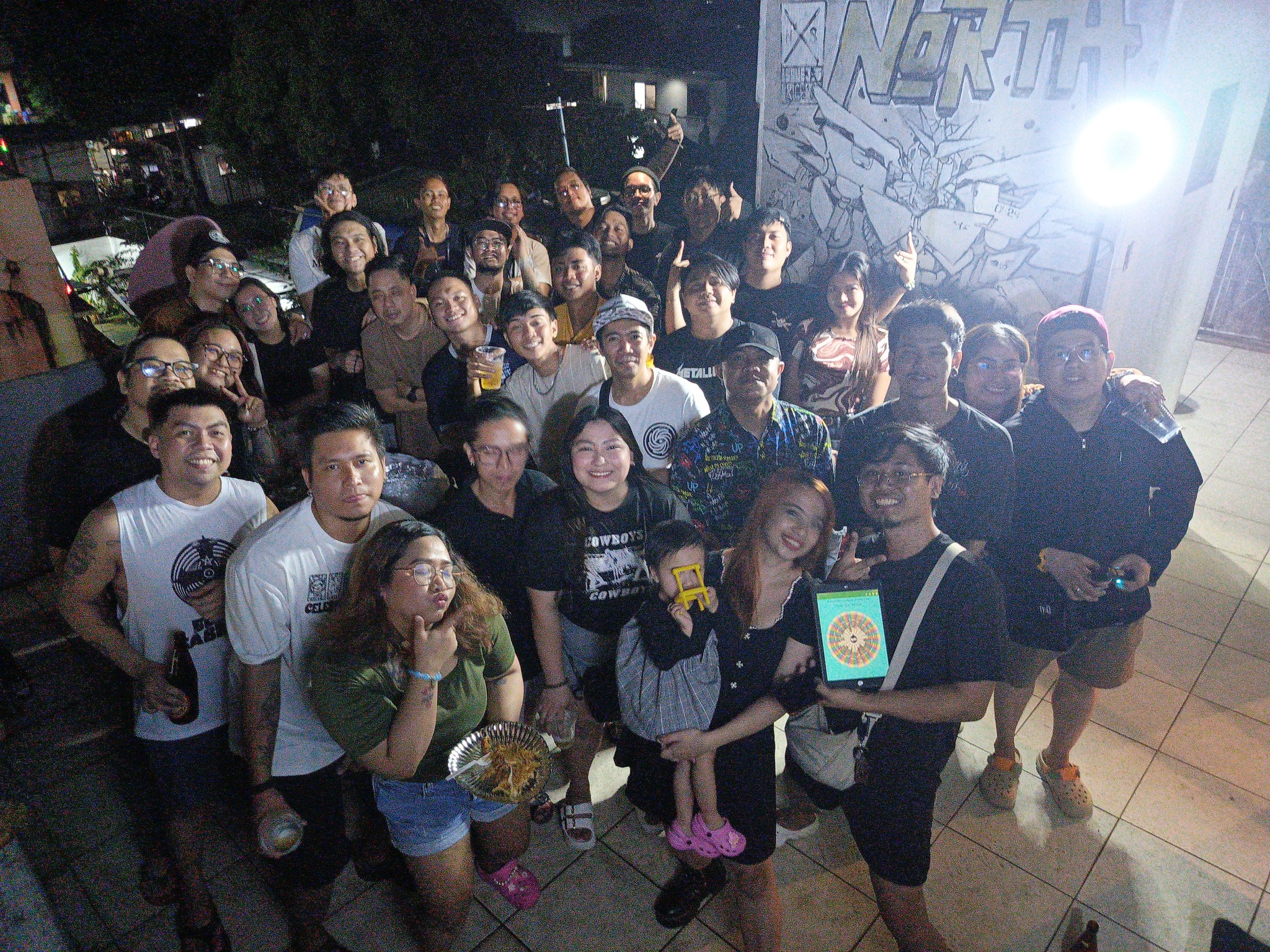
    Somewhere in Marilao, Bulacan, up on a quiet rooftop above is a studio, a place where dreams echo louder than the amps.

    They call it North Studio Marilao — though if you ask around, people will tell you it’s more than just a studio. It’s a refuge, a proving ground, a home for the restless hearts of musicians who carry their dreams like battered guitars across town.

    But for someone who only stepped into this circle in late 2023, North Studio is a puzzle — pieces of stories scattered across drumbeats, late-night laughter, cigarette smoke curling in the air, and the quiet moments between songs.

    This is the kind of place you only understand by feeling it.

    It started back in 2012, in a downstairs room. A small personal space where music could live without apology. As the years passed, the studio outgrew those walls — it moved up, both literally and figuratively, until it landed on the rooftop of Boss Edniel’s family home. Now, under open skies, it welcomes the bands that chase their own kind of freedom.

    There’s a rhythm to this place, and it pulses through the people.

    There’s Boss Ed — or Edniel, if you catch him between setting up mics or adjusting the mixer. For him, this isn’t just about running a studio. It’s about making space, in every sense of the word. Space for those just learning to keep time. Space for those trying to stitch their lives back together through song. Space for those starting over. Space for those who never stopped.

    And of course, the bands.

    They come through that narrow rooftop door in waves ,  some wide-eyed and nervous, others loud and familiar. Some just met each other yesterday. Some have been bandmates for years. And some? They were strangers once, bumping into each other at gigs, trading chords and half-smiles, slowly becoming the kind of friends you can’t imagine playing without.

    But it’s not just the music that binds them, it’s the space they share.

    In the early days, the studio was tiny, hot, and packed with mismatched gear. Bands weren’t always impressed. But little by little, they stayed. They adapted. They made the space their own. Because inside that humble rooftop room, there was freedom: the freedom to fail, to get loud, to get better.

    From there, the productions began to bloom.

    What started as small gatherings of local acts turned into nights, into reunions where bands collided in beautiful chaos, into Friday night jams that turned strangers into bandmates, into the kind of moments that stick to the soul long after the last song fades.

    There’s something powerful about that rooftop.

    It’s a melting pot, where people show up with their own dreams and walk away carrying pieces of each other. The guitarist who lent his pedal. The drummer who offered a lift home. The singer who cheered from the crowd even after their own set ended.

    Years later, when people tell their stories, you’ll hear the overlaps:

    “We met at a North Studio gig.”
    “We were on the same lineup.”
    “He borrowed my snare.”
    “She filled in when our bassist bailed.”

    One night bleeds into the next. One band’s story braids into another’s. And before you know it, you’re not just part of a band — you’re part of something.

    A movement.
    A family.
    A legacy.

    There’s no single version of what happens on that rooftop. Some will remember the sweat dripping from their foreheads as they chased the perfect take. Some will remember the way the barangay once tried to shut them down, only to give up when the music refused to die. Some will remember standing under those cheap strung lights, realizing that for all its rough edges, North Studio gave them something precious: a place to belong.

    For the newcomer, stepping into this circle feels like stepping into a river that’s been flowing long before you arrived, and will keep flowing long after you leave. You listen, you learn, you watch. And over time, you find yourself swept into the current.

    You become part of the story.

    Because North Studio isn’t just where bands rehearse. It’s where they become.

    It’s where they figure out how to turn noise into music, and music into meaning. It’s where they learn to fight for the things they love, to carry each other when the road gets heavy, to keep showing up even when the world isn’t watching.

    It’s where the kid with the secondhand guitar finds his people.
    Where the drummer with calloused hands finds her beat.
    Where the singer with shaky knees finds their voice.

    And maybe that’s the heart of North Studio Marilao,  not just the sound, but the beating heart behind it.

    So when you hear the thud of a bass drum from the street, or catch the flicker of light from that rooftop late at night, know this: you’re not just hearing music. You’re hearing survival. You’re hearing defiance. You’re hearing a generation of artists carving out their place in the world, one imperfect, beautiful, unforgettable song at a time.

    If you ever find yourself at North Studio, don’t just look for the music. Look for the people.

    That’s where the real story lives.

    So the next time you open Spotify, search for the GrooveLabs playlist, “Bulacan Sweets.”

    You’ll hear the very heart of North Studio woven into those tracks,  others who once crammed into that rooftop room, chasing the perfect take, sweating through late-night jams, laughing between broken strings and missed cues.

    These aren’t just songs. They’re stories of young artists carving their names into Bulacan’s indie music scene.

    When you hit play, you’re not just listening to a playlist. You’re stepping into a circle where every guitar riff, every drumbeat, every lyric carries a memory.

    This is the sound of a scene still alive, still growing, still dreaming and you’re invited to be part of it.