Category: Featured Artist

Spotlight on sound. Featured Artist puts the focus on rising and standout talents making waves in the music scene. From their latest releases to the stories behind their songs, this is where we dive into their world—one track, one truth at a time. Get to know the artist, their voice, their vision, and why they deserve the spotlight now.

  • When the Noise and the Quiet Need Each Other

    When the Noise and the Quiet Need Each Other

    There are moments when words fail. Everything inside you gets too loud, yet saying nothing feels just as heavy. Somewhere between those extremes is where Better Silence found its sound.

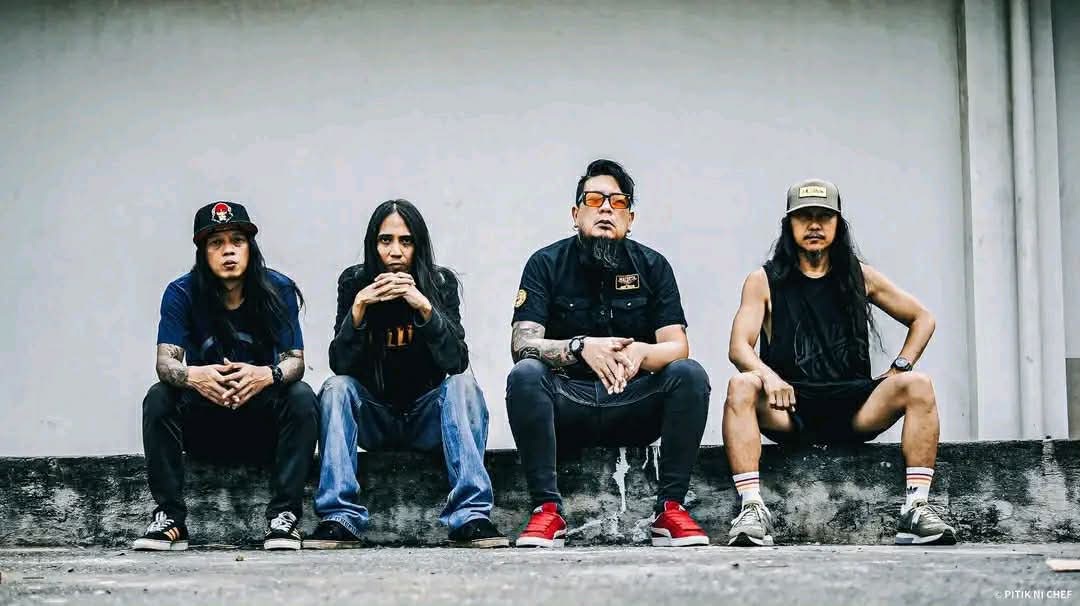
    Originating from Lucena City, Quezon Province, Better Silence is a tight-knit post-hardcore act built around raw emotion, pounding rhythms, sweeping guitar dynamics, and soaring melodic experimentation. The band is composed of Reysol Rodriguez on lead vocals, Sky Cabiles and Marvin Lazo on guitars, Jervin Leynes on bass, and Andrei Fernandez on drums and backing vocals.

    Their music brings breakdowns and reflective melodies into the same room. Tracks such as “Loudest Mind” and “Beyond Repair” capture that tension, but the band’s story begins with a song that came before both.

    Disease

    In 2022, guitarist Sky Cabiles invited Reysol Rodriguez to join a new band he was putting together. Both wanted to create original music, and Sky sent Reysol a demo through Messenger. That demo would eventually become “Disease.”

    Reysol was asked to write the lyrics and develop melodies around the track. When the band gathered for their first jam session, the lyrics were only half-finished. The melodies were still in their frontman’s head, waiting for the right moment to come out.

    Then everything clicked.

    As the melody connected with the guitars and the chorus began to take shape, the band stripped the song down to its bare bones. It was not polished. It was not complete. But something was happening.

    The band realized that some of the most powerful moments in music come from contrast, tension, and knowing when to pull back. That discovery became part of the foundation of Better Silence.

    “Disease” would eventually become their first single, carrying a story that was deeply personal to the band. While working at a pharmacy, their frontman drew inspiration from the medicines surrounding him. The lyrics were also influenced by his brother, who suffered from mental illness.

    The song was more than an introduction. It was a statement.

    Mas Mabuting Manahimik Na Lang

    The name Better Silence sounds simple, but its meaning goes deeper.

    For the band, honest music can express deep feelings better than empty words. “Mas mabuting manahimik na lang.” People talk too much and say too little.

    The name became a reminder to speak, or play, only when there is something real to say.

    That idea also shapes their arrangements. Quiet pauses and soft build-ups give the heavier sections greater impact. When words cannot carry the emotion far enough, the instruments take over.

    Better Silence describes its sound as modern alternative rock with a heavy, atmospheric edge. It is loud and melodic, driven by raw energy and deep, moody textures. Their music carries the weight of post-hardcore while leaving room for experimentation and atmosphere.

    Their influences stretch across different corners of heavy music. As a band, they look toward Alexisonfire, Underoath, Saosin, and Thursday. Individually, each member brings a different set of influences into the room.

    Jervin draws from Incubus, Limp Bizkit, and Korn. Marvin finds inspiration in Mike Einziger of Incubus, along with Brent Hinds and Bill Kelliher of Mastodon. Reysol looks toward Anthony Green, Tom DeLonge, Chino Moreno, Chad Gray, and Incubus. Andrei’s musical philosophy has been shaped by Amon Amarth, Whitechapel, and Suicide Silence. Sky’s creative roots run through Underoath, Alexisonfire, and Deftones.

    Different influences. One band.

    Where the Songs Begin

    For Better Silence, a song usually starts with a guitar riff and a raw feeling.

    Sometimes that feeling is a personal struggle. Sometimes it comes from the chemistry that happens when the members begin playing together. Before the final vocal lines and lyrics are shaped, there is usually an emotion waiting to be turned into sound.

    Their songwriting is rooted in experience, relationships, observation, and storytelling.

    Late-night conversations can become inspiration. A friend’s story can become a lyric. A scene from a movie, a single image, or a stranger’s situation can spark an entire song.

    Their own lives remain at the center of it all.

    The highs and lows of connection, heartbreak, and growing up become material. Songwriting becomes a form of therapy, a way to process what they have lived through while leaving enough room for listeners to find themselves in the songs.

    The stories may begin with the band, but they do not necessarily end there.

    Learning to Stay Together

    Being an independent band comes with a different kind of struggle.

    For Better Silence, one of the biggest challenges has been navigating the realities of the local indie music circuit. Professional recording costs money. Gigs require logistics. Practice requires time. And every member has a life outside the band.

    They balance day jobs, personal responsibilities, spouses, children, and the demands of being musicians.

    They work diligently to fund their passion without compromising their obligations at home. Practice schedules are discussed around everyone’s availability, but when an unexpected family matter comes up, family takes priority.

    The music matters.

    But so do the people waiting for them at home.

    That reality is part of what makes Better Silence independent. Their music is built not from unlimited time and resources, but from whatever space they can carve out between responsibilities.

    From Playing Gigs to Building Something

    When Better Silence first started, the goal was simple.

    Make their own music. Find their footing. Get onstage.

    The early days were about learning how to play together and figuring out what the band could become.

    Today, the vision is larger.

    They have outgrown their original blueprint. What began as a desire to play gigs has developed into a clearer understanding of what Better Silence represents and the kind of community they want to build with their listeners.

    The band continues to chase a better version of itself.

    That evolution is not a departure from their beginnings. It is part of the process.

    The Lesson of the Stage

    Performing live taught Better Silence something that cannot always be learned in a rehearsal room.

    Human connection matters more than playing every note perfectly.

    A dropped drumstick does not automatically ruin a performance. A missed chord does not erase the song. What matters is recovering, staying focused, and continuing forward.

    The band has also learned the importance of communication without words.

    A glance. A nod. A shared smile.

    These small moments can keep five musicians connected when something changes in the middle of a song.

    Among their live experiences, one moment stands out above the rest: their time at Estudyo Records in Binangonan, Rizal, where they recorded a live performance video.

    For a band whose identity depends heavily on energy and chemistry, capturing that performance became a milestone.

    Part of the Ecosystem

    Better Silence does not see the local music scene as a competition.

    They see it as an ecosystem.

    Their place within that ecosystem is built around supporting other local bands, collaborating, and sharing their music to help artists reach new audiences.

    Their sound also gives them a natural position between different sub-genres. Rather than staying inside one narrow definition, Better Silence creates music that can move between heavier sounds, alternative rock, atmosphere, melody, and raw emotion.

    The goal is not simply to stand apart.

    It is to be part of something bigger.

    The Reality of Being Independent

    There is a common perception that being in a local band means making good money.

    For Better Silence, the reality is different.

    Local musicians often play at a financial loss.

    Behind every performance are expenses, time, transportation, equipment, recordings, practice sessions, and responsibilities that do not disappear simply because the music begins.

    Yet they continue.

    Because sometimes the value of a song cannot be measured by what it earns.

    Sometimes the reward is the person in the crowd who finally feels understood.

    When the Last Note Hits

    Better Silence does not want listeners to walk away with only the memory of loud guitars or heavy breakdowns.

    They want something to remain after the final note.

    Relief.

    Connection.

    The feeling that someone else understands.

    Their music is built from raw emotion, personal struggles, relationships, observations, and stories. It is meant to become a release valve for thoughts that are difficult to carry alone.

    For someone discovering Better Silence for the first time, the hope is simple: realize that you are not alone in whatever chaos or quiet battle you are facing.

    The noise matters.

    So does knowing when to let it breathe.

    And for Better Silence, that tension is where the songs come alive.

  • DISENGAGED PH: The Reality of Being an Indie Band


    Being an independent band is not always about the music. It is about finding the time to keep creating, traveling from one side of the country to another for a show, dealing with people who will always have something to say, and still choosing to continue. For DISENGAGED PH, however, the answer to why they keep going is simple: “Kasi mahal namin kung anu ginagawa namin.”

    Their journey as an indie band reflects the realities of balancing music with everyday life. From managing their time and finding opportunities to navigating the local music scene, DISENGAGED PH has learned that staying committed to what they love means learning how to endure the challenges that come with it.

    The Reality of Being Independent

    One of the hardest parts of being an independent band is the reality of performing and creating music in the Philippines. DISENGAGED PH acknowledges that it can be difficult to operate independently, especially when opportunities require bands to travel long distances.

    “Malaking tulong nalang din if may mga Productions na nagegets nila minsan yung situation ng mga bands,” they shared, particularly when productions understand the circumstances of bands coming from far away, from North to South, as they put it.

    For an independent band, support and understanding from productions can make a difference, especially when distance becomes part of the challenge.

    Making Time for Music

    Balancing music with work and life comes down to one thing for the band: time management.

    “Yun na mismo. Time management.”

    For DISENGAGED PH, knowing how to handle time properly is important not only for being in a band but also for life in general. If a person cannot manage their time properly, committing to something becomes difficult.

    The band’s experience reflects the reality of being musicians while also having other responsibilities. Making music requires commitment, and commitment requires knowing how to make time for what matters.

    Why They Keep Going

    Despite the challenges, there is one simple reason DISENGAGED PH continues.

    “Kasi mahal namin kung anu ginagawa namin.”

    That love for what they do is enough reason to keep moving forward.

    When asked if there was ever a moment when they wanted to give up, the answer was clear.

    “Never naging option samin yun. Sa banda man or sa totoong buhay.” – Vin

    Giving up has never been an option for them, whether it comes to the band or life itself.

    Learning Not to Please Everyone

    One of the biggest lessons the band has learned is that there is no need to please everyone.

    “Wala kang kahit sinong kelangnang I please. Dahil kahit anong gawin mo, meron at meron silang masasabi tungkol sayo.”

    For DISENGAGED PH, the important thing is to continue doing what you love. No matter what you do, there will always be something someone can say about it. Instead of trying to satisfy everyone, the band chooses to focus on their passion.

    Finding an Opportunity Through Luzsphere

    Their opportunity with Luzsphere came after Luz left Stardom.

    The band approached Luz and asked if she could manage them. She agreed, opening another opportunity for DISENGAGED PH.

    “Nung si Luz ay umalis na sa Stardom. Nagsabi ako sa kanya kung pwede ba nya kami i manage. Ayun pumayag naman sya.”

    A Historical Moment

    For DISENGAGED PH, one of their biggest achievements so far was being part of the Rizal Music Fest.

    “Nung nakasalang kami sa isa sa mga Historical na event ng Rizal (Rizal Music Fest). Para samin ang solid non.”

    Being part of the event stands out as a significant moment for the band, one they consider solid and memorable.

    The Local Music Scene

    When asked what they would change about the local music scene, DISENGAGED PH had a direct answer.

    “Labels. Purists etc.”

    They also pointed toward gatekeepers in the scene, ending their answer with a message of defiance:

    “Sama na natin yung mga Gate keepers. Nakataas gitnang daliri namin sa inyo mga sir!”

    For the band, these are among the things they would like to see addressed within the local music scene.

    “Strength to Endure”

    When it comes to their most personal song, DISENGAGED PH says that the songs they listen to all connect with their personalities in different ways.

    But among their own songs, one stands out:

    “Strength to Endure.”

    The title itself reflects something that runs throughout their answers, the ability to continue, endure, and keep doing what they love despite the challenges that come with being independent musicians.

    A Message to New Bands

    For new bands, DISENGAGED PH’s advice is simple: do what you love.

    “Basta nyo gawin mga hilig nyo kasi pag dumating na kayo sa time na kelangan nyo nang harapin yung totoong laban sa buhay mahihirapan na kayong pag sabayin lahat.”

    The reality is that life eventually brings responsibilities that can make it harder to balance everything. For the band, learning how to manage time becomes essential.

    “Not unless meron kayo nung sagot namin sa question number 2. Haha”

    For DISENGAGED PH, being an indie band is about facing the realities that come with music while refusing to let those realities become a reason to stop. It is about managing time, accepting that not everyone will approve, finding opportunities, and continuing because you love what you do.

    And for them, giving up was never an option.

  • Fallen Empire: Every Empire Starts Somewhere

    Fallen Empire: Every Empire Starts Somewhere

    Every band has a beginning. For Fallen Empire PH, it started in Laguna in 2022 with two friends, a shared interest in music, and a decision made while watching the first Knotfest event.

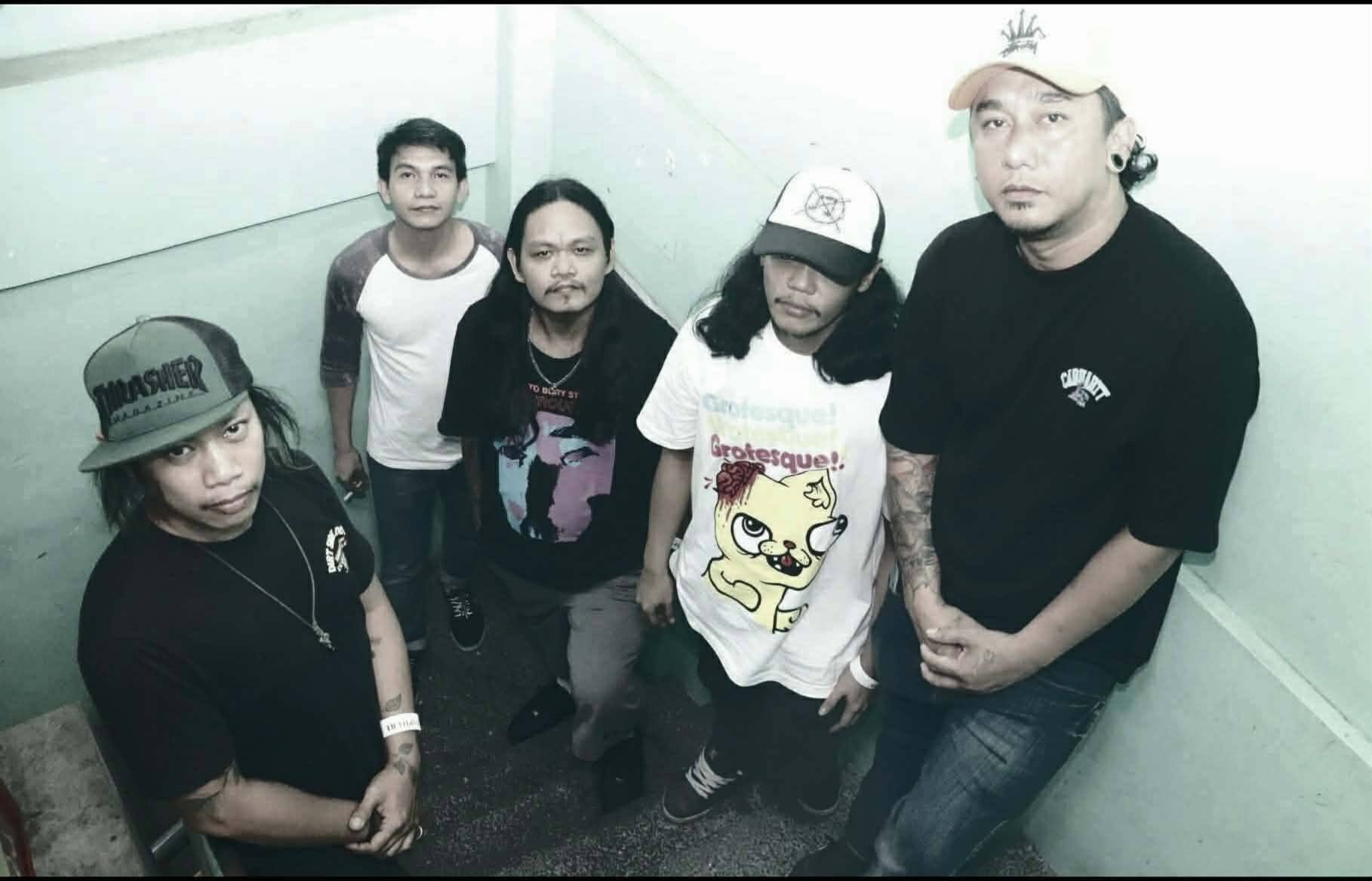
    Today, Fallen Empire is a Metalcore band composed of Rajid Kyle on vocals, Joshua on guitar, Renz on drums, Allen on bass, and Ron on guitar.

    But getting to this lineup was part of the band’s journey. Along the way, they experienced changes in members, found their sound through playing together, faced challenges in the scene, and found support through LuzSphere Management.

    We asked Fallen Empire about how the band started, where their name came from, what shaped their music, and what they hope to achieve next.

    How Fallen Empire Got Its Name

    The name Fallen Empire came from a simple coincidence.

    Rajid and Red were having a one-on-one conversation when they started drawing something on a piece of paper. The letters F and E appeared on the paper, which led them to think of names that could match those two letters.

    Then they remembered a video game they used to play, Knights of the Fallen Empire.

    The name from the game matched what they had drawn, and Fallen Empire became the name of the band.

    It Started With Knotfest

    The idea of forming the band came when Rajid and Red were watching the first Knotfest event.

    They decided to make a band, and from there, they began bringing people into the group.

    The first member they got was Andre, who played bass. Andre introduced Joshua, who played guitar, and the band started with four members.

    From there, the lineup went through several changes.

    Andre left the band for personal reasons, and Allen replaced him on bass. Charlie, Carlo, and Jess also became part of the band at different points, but they did not stay for long.

    The band eventually found Ron, who became their official guitarist.

    Red later left the band for personal reasons. Daryl joined afterward, but he also stayed with the band for only a short time.

    Renz is now the band’s active drummer.

    Today, Fallen Empire consists of Rajid Kyle on vocals, Joshua and Ron on guitars, Allen on bass, and Renz on drums.

    Despite the changes, the members continued moving forward together. They describe their bond as being like true brothers because of their mutual interests and goals.

    Finding Their Sound

    Fallen Empire developed their signature sound through the simple act of playing together.

    Their approach is to enjoy playing, give their best, and share ideas with one another.

    For the band, their sound comes from collaboration. They play together, exchange ideas, and allow each member to contribute to the music.

    “Aftermath”

    The first song Fallen Empire released was “Aftermath.”

    It is also the band’s signature and representative song.

    For Fallen Empire, “Aftermath” is the song that best represents the band.

    The Challenge of Starting Out

    When asked about their biggest struggle when they were starting out, Fallen Empire pointed to the presence of gatekeepers around the scene.

    That was one of the challenges they encountered as they began their journey.

    Despite this, they continued working on their music and pursuing their goals as a band.

    The Support of LuzSphere Management

    LuzSphere Management has also become part of Fallen Empire’s journey.

    The band said that LuzSphere helps them a lot. They also shared that LuzSphere helps them achieve their dreams and supports all their plans.

    For Fallen Empire, that support has become part of their continued effort to pursue what they want to accomplish.

    The Stages They Want to Play

    Fallen Empire has their sights set on several stages and festivals.

    When asked about their dream stage or festival, they named Dutdutan Festival, Wacken Open Air, and Vans Warped Tour.

    These are the stages they want to experience as they continue their journey as a band.

    More Than Just Music

    For Fallen Empire, their music is also connected to the people who listen to it.

    When asked what they would say to those discovering the band for the first time, they shared that they hope their songs touch people’s hearts.

    They also hope their music can help people who are struggling with mental health issues.

    That is the message they want to leave with new listeners. They hope their songs can reach people who may be going through difficult moments.

    Every Empire Starts Somewhere

    Fallen Empire’s story began with a drawing, two letters, and a memory of a video game.

    The idea of forming the band came while Rajid and Red were watching the first Knotfest event. From there, they brought in other musicians and began building the band.

    The lineup changed along the way. Andre was replaced by Allen on bass, while Charlie, Carlo, Jess, and Daryl were part of the band for shorter periods. Ron eventually became the official guitarist, while Renz became the active drummer.

    Through those changes, the band continued to build their identity together.

    Their sound developed through playing together, sharing ideas, and giving their best. Their first release, “Aftermath,” became their signature and representative song.

    They also faced the challenge of gatekeepers around the scene and found support through LuzSphere Management, which they said helps them achieve their dreams and supports their plans.

    Now, Fallen Empire is looking toward Dutdutan Festival, Wacken Open Air, and Vans Warped Tour.

    For those who are just discovering the band, their message is simple. They hope their songs touch people’s hearts, and they hope their music can help those who are struggling with mental health issues.

    Every empire starts somewhere. For Fallen Empire, it started with two letters and the decision to create music together.

  • Marianne V: From Teaching Lessons to Writing Songs

    Marianne V: From Teaching Lessons to Writing Songs

    From singing in school choirs and bands to leaving public school teaching to make time for songwriting, Marianne V follows the music that has been with her since childhood.

    For Marianne Vergara, music has never really been something that started at a certain point. She describes herself as a music lover “since birth,” with singing already part of her childhood. During her school years, she joined glee clubs and choirs and eventually became part of a band during her last two years in high school.

    She started writing songs at 15.

    But songwriting did not immediately become a full-time pursuit. There were years when school and work took priority, leaving little room for music. It was during her early 20s, while feeling frustrated with the corporate world, that she began looking for ways to explore music more seriously.

    She joined open mic events, seminars, and auditions. At a time when social media was not yet as widely utilized, she searched for opportunities through Yahoo groups related to songwriting and artists she followed. One of those opportunities came around 2006, when Rivermaya held a fan event that gave aspiring fans with musical talents a chance to perform.

    Her journey was not always steady. There were periods when she felt that there was little progress and moments when she almost gave up.

    Then, in 2013, she became a public school teacher.

    For a time, songwriting nearly disappeared from her life.

    Eventually, however, Marianne made a decision that would change the direction of her journey.

    “Risky as it may sound, iniwan ko ang pagtuturo para may time ako for songwriting.”

    Leaving teaching gave her the time she needed to pursue songwriting. She made sure that her next work would allow her to continue creating music.

    That decision became part of the journey that eventually led her to releasing her own songs.

    Today, she uses Marianne V as her artist name, continuing the songwriting practice that began when she was 15.

    Her songs often begin in unexpected ways. Sometimes a memorable tune suddenly enters her mind. Sometimes she records it so she will not forget it. Other times, the melody is so remarkable to her that she simply remembers it.

    “Napaka-random kung inspirasyon ang pag-uusapan,” she says.

    That randomness has led to songs with very different stories.

    Among the three songs she has released so far, “Patatawarin” is the most personal. The song came from one of her previous jobs, which she remembers as particularly stressful. It was only later, after becoming a fan of BTS, that she understood that what she experienced during that period was burnout.

    She also submitted “Patatawarin” to a songwriting contest organized by a major television network. The song passed the first screening, an experience that gave her confidence in the song even though it did not move beyond that stage.

    Then there is “Tax’s Song (Ako ay Aspin),” a song that came from a much more unexpected thought. The tune began forming when Marianne wondered if one of their Aspins had felt left behind after she took their smaller curly-haired dogs for a drive.

    From the first line—“Ako ay Aspin”—she decided to finish the song.

    For Marianne, songwriting does not necessarily follow a formula. A song can come together quickly or take a long time. What matters is recognizing the tune when it arrives and giving it a chance to become something more.

    Performing has become another part of that process.

    Most of her performances have been in front of small crowds, but Marianne finds a sense of accomplishment in being able to perform. She also feels more productive whenever she gets to participate in performances.

    One of her most memorable experiences was the Songwriters’ Night conducted by FILSCAP in 2019, where she performed “Kahit Hindi Mo Mahalin” live for the first time.

    It was also an opportunity for her to work on audience engagement. She was able to get the audience to clap along with the song—something she considers important when performing in a competitive music scene.

    Her preparation for performances is equally deliberate.

    Marianne admits that she is very conscious whenever she performs, partly because of an experience she had in Grade 6. She volunteered to sing during a retreat, but felt that the tune of her first line was wrong. Her classmates laughed at her, and she experienced bullying afterward.

    Even years later, the experience remains with her.

    So whenever she prepares for a performance, she makes sure that she knows her song and gets the tune right. She practices almost every day before an upcoming performance and does not stop until she feels she has perfected the song.

    On the day of the performance, she also observes the audience and the atmosphere of the location. Her experience as a former teacher naturally carried over into her performances, making her attentive to how the audience receives her songs.

    Looking ahead, Marianne still has stages she hopes to perform on someday—Smart Araneta, SM MOA Arena, and possibly Music Museum.

    But for now, her journey continues through songwriting, releasing music, and performing.

    And for the people who listen to her songs, she has one simple message:

    “Thank you for taking the time to listen to my song/s.”

    She also hopes listeners will send her a message, sharing their ideas and feedback.

    From the classroom to songwriting, Marianne V continues to make room for the music that has been part of her life since childhood.

  • FIONA Opens the Doors to ROOMS

    FIONA Opens the Doors to ROOMS

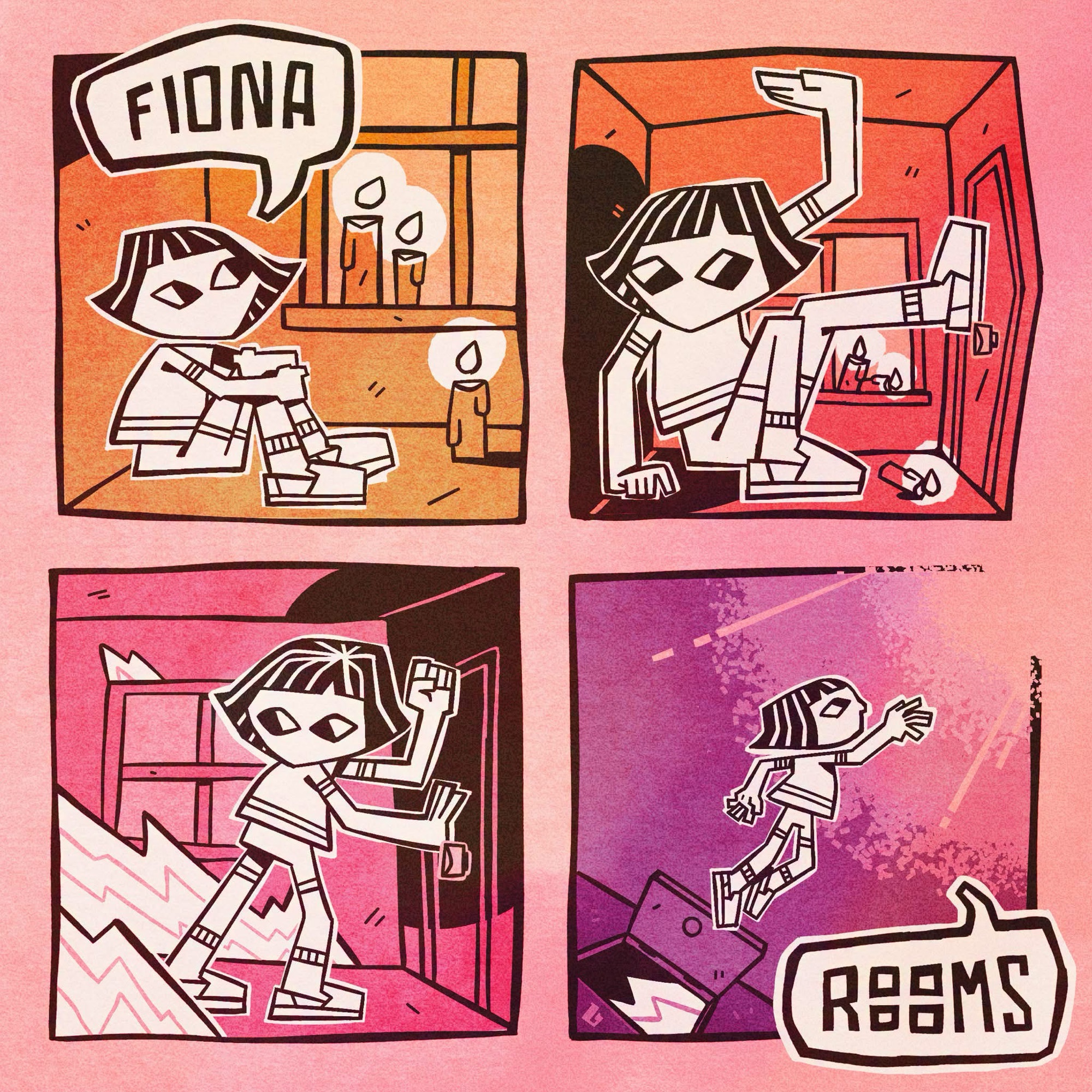
    Some albums tell one story from beginning to end. For FIONA, ROOMS takes a different path.

    The album is a collection of moments, emotions, experiences, and different versions of ourselves. Each song can feel like stepping into a different room, some familiar, some heavy, some confusing, and some connected to memories we thought we had already left behind.

    FIONA explains that the idea behind ROOMS came from the way they started looking at life and memories. Along the way, we leave different versions of ourselves behind. Some are versions we stay with for a long time. Others exist only for a brief moment. Sometimes, a song, a person, or a memory can unexpectedly take us back to a place we thought we would never revisit.

    That is what ROOMS represents.

    It is not meant to be one complete story with a beginning, middle, and end. Instead, it is a collection of different emotional spaces. There is happiness, confusion, weight, and things that FIONA themselves are still trying to figure out. The hope is that somewhere in the album, listeners might open a room that feels familiar to them.

    And perhaps that is the best way to understand ROOMS: as an invitation to listen, feel, remember, and find something that might unexpectedly feel like your own.

    The Journey Behind the Songs

    Creating an album came with its own challenges.

    For FIONA, one of the hardest parts was trusting the songs and knowing when to stop.

    When artists spend a long time with their material, it becomes easy to overthink every detail. They hear something small and begin to wonder if it needs to be changed. There were also songs that required serious consideration about whether they truly belonged on the final tracklist.

    photo taken from the FIONA facebook page

    It was not always about whether a song was good or bad. Sometimes, the question was simply whether it had a place in the album.

    Eventually, FIONA learned that not every song needed to be forced into the project. Some songs belonged in ROOMS, some might be for another time, and some could simply remain part of the creative process without making it to the final tracklist.

    As a band, they had to learn when to fight for a song and when to let it go.

    Another challenge was making sure the album felt cohesive without making every song sound the same. Since ROOMS is about different places and different moments, FIONA did not want every track to come from the exact same emotional space.

    There were discussions about the sound and questions about whether a song still felt like FIONA. In the process, the band learned something important: songs do not need to sound alike to belong together.

    Sometimes, the intention behind them is enough.

    The Most Personal Room

    Among all the songs on the album, “Chasing Silence” stands out as the most personal.

    It came from a deeply personal place and was written without thinking about whether other people would understand it. Unlike songs that artists may write knowing that someone will eventually hear them, “Chasing Silence” initially felt like something FIONA needed to get out for themselves.

    Not every detail of the song is a literal retelling of what happened, but the emotions are real.

    It carries the feeling of wanting to be quiet, to step away, and to be alone with your thoughts. Sometimes, you may not even know exactly what you are looking for. You only know that you need to be by yourself for a while.

    That is why “Chasing Silence” is special to FIONA. It may not be the easiest song to talk about, but it is the one that feels the most like them.

    Where Should You Begin?

    If it is your first time listening to ROOMS, FIONA recommends starting with “Threshold.”

    The track serves as the starting point of the journey. You are standing in front of something new without knowing where it will take you.

    From there, FIONA encourages listeners to let the album play from beginning to end.

    As the journey continues, the songs move through different emotions and stories. But the band also wants listeners to know that each track can stand on its own. You may find yourself drawn to a particular song depending on what you are feeling that day.

    Maybe “Moving” is the song you need.

    Maybe “Anong Gagawin Mo Ngayon?” is the song for you when you are angry.

    Maybe “Chasing Silence” is the song you turn to when you simply want to be alone.

    For the first listen, though, FIONA says to start with “Threshold” and let the rest unfold. Do not overthink it. Just listen to the album as a whole.

    Anger, Sarcasm, and Exhaustion

    One song FIONA especially wants to explain to fans is “Anong Gagawin Mo Ngayon?”

    On the surface, it is angry, sarcastic, and confrontational.

    But underneath that anger is exhaustion.

    The song carries the feeling of being tired of listening to excuses, tired of repeatedly giving chances, and tired of always being the person who understands and adjusts. Eventually, there comes a point when you no longer want to fix anything.

    And sometimes, FIONA believes, that is simply a very human feeling.

    Not every ending has to be mature and peaceful. Sometimes you are angry first. Sometimes you want to say the words you have been holding back.

    Underneath the anger, there is often something else.

    In the case of “Anong Gagawin Mo Ngayon?”, that something is exhaustion.

    The Memories Beyond the Recording

    Making ROOMS was not all serious studio sessions and carefully planned artistic moments.

    There were times when the band spent hours stuck on one small detail before someone suddenly laughed, made a joke, or changed the conversation completely. There were exhausting days when everything became funny, even when it was not supposed to be.

    And of course, there was food.

    Looking back, those random moments became some of the memories FIONA remembers most. Beyond the recording itself were the tambay, conversations, laughter, arguments over small things, and moments that felt ordinary at the time.

    Now, when they listen to the album, they do not only hear the songs.

    They remember where they were, what time it was, who was with them, and how tired everyone had become.

    Those moments are part of ROOMS too.

    “Ito Kami Ngayon. Pasok Kayo.”

    FIONA sees ROOMS as the most honest and complete representation of where the band is right now.

    Their previous releases were part of the process of discovering what they wanted to say and what sound they wanted to carry. With ROOMS, there is more confidence in allowing the songs to simply be what they are.

    They no longer feel that everything needs to fit into one specific sound or image.

    The album also allows listeners to see different sides of the band, not only through the music, but through the people and experiences behind it.

    Before, FIONA felt like they were introducing themselves.

    With ROOMS, the message feels more open.

    “Okay, ito kami ngayon. Pasok kayo.”

    And from there, the listeners are free to decide.

    They can choose which song they love, what story they find in it, and which track they may return to months from now.

    taken from FIONA facebook page

    When the Songs Finally Belonged to Everyone

    The album launch was surreal for FIONA.

    For a long time, the songs existed only in a small space. They lived in recordings, files, rehearsals, and conversations. The band heard them over and over again before anyone else did.

    Then suddenly, other people were singing along.

    That changed everything.

    There is a different feeling when you hear people singing words that you wrote or performed. It is one of the moments when a song begins to move beyond its creators.

    Once music is released, it is no longer only yours.

    People bring their own experiences into it. They attach their own memories and interpretations to the songs. That is something the artist can no longer control.

    During the launch, FIONA felt grateful that the songs they had spent so much time creating in private now had a place in other people’s lives.

    Now, ROOMS Is Yours Too

    FIONA does not want to tell listeners what they are supposed to feel after hearing ROOMS.

    That is one of the things they appreciate most about music.

    A song can come from one very specific experience and still mean something completely different to someone else.

    If a listener finds a song that reminds them of a person, a particular time in their life, or even a version of themselves, that is already enough.

    Maybe a song will help someone let go.

    Maybe it will make someone feel understood.

    Maybe it will simply become the song they listen to while driving, thinking, working, or sitting alone in their room.

    And that is okay.

    FIONA made these songs from their own experiences, but once ROOMS reached the listeners, the album began to take on new meanings.

    The rooms were opened.

    And now, some of them may feel like home to someone else.

    “Sa inyo na rin siya.”

    Maybe that is the point of ROOMS.

    We all come from different places. We all carry different memories. We have all been through rooms that other people may never see or understand.

    But somehow, through music, we can still meet.

    And somewhere inside ROOMS, there might be a song waiting for you.


  • JyEL Tagbo: Still Making Music, Still Fighting, Still Here

    JyEL Tagbo: Still Making Music, Still Fighting, Still Here

    There are interviews that happen across a table, inside a studio, or before a show.

    This one happened through Facebook Messenger.

    The questions were sent to JyEL Tagbo through Messenger, and he answered through voice notes. His health condition has made travel, performances, appearances, and even leaving the hospital difficult, so a voice note interview gave him a way to tell his story without having to physically go somewhere.

    What came through those voice notes was more than a career story.

    It was three decades of music, independence, faith, struggle, survival, and the decision to keep creating even when so much has changed.

    JyEL Tagbo is an international multi-awarded recording artist, guitarist, songwriter, producer, arranger, vocalist, and audio engineer who has been part of the OPM music industry for more than three decades.

    He grew up in a musical family. His mother was a piano teacher, while his grandfather was an orchestra conductor.

    “Music is really part of my life from the beginning,” he said.

    His own relationship with performing started very early. At around two years old, he was already appearing in commercials for products such as toothpaste and milk. By around 14, he was already playing guitar with bands and training as a musician.

    Eventually, he was discovered and became a session guitarist for prominent Filipino bands and artists. From there, his work expanded into arranging, recording, producing, and mixing.

    By around 2010, he felt ready to carry his own name professionally and began working under JyEL Tagbo.

    By then, he already had three national awards, one international award, and his own clientele.

    But his story in music was never limited to his own career.

    He became deeply involved in the independent music movement in the Philippines. He coined the advocacy “Indie New Mainstream” and spearheaded independent music companies and labels at a time when independent music was still far from being part of the mainstream business.

    He also fought for greater OPM exposure on radio, including the idea of having at least three OPM songs played every hour.

    “Pinaglaban ko yun,” he said.

    He brought the issue to Congress.

    For JyEL, those things are not stories to tell simply to list achievements.

    “I don’t really mention these things to brag,” he explained.

    He looks at them instead as part of a time when being an independent artist was almost a dream.

    Today, artists can build their own communities, release their own music, and operate independently.

    “And if somehow I helped make that path a little easier, that’s good for me. That’s enough for me.”

    A career built around music

    After more than three decades, JyEL has worked on hundreds of songs.

    He has lost track of the exact number because of the amount of work he has done through his own releases and the hundreds of projects he has handled as a guitarist, arranger, producer, and mixer.

    But when asked about the music closest to his heart, his answer became more personal.

    His heart, he said, is really in nu metal.

    “A nu metal talaga ako.”

    He grew up in the 1990s, during a time when hip hop and metal were still largely divided.

    “Ang gulo ng panahon na yun.”

    He was among the musicians trying to bring hip hop and metal together.

    “Hindi lahat nagustuhan, syempre. But then nandun yung puso eh. That’s what, where my heart was.”

    As a producer, however, his work eventually became multi-genre.

    Growing older in the music scene taught him to step outside his comfort zone, learn different genres, adapt, and eventually master them.

    His journey started with performing as a child. He became a guitarist, then a producer and engineer, became involved in the independent music movement, and after more than three decades, he is still making music.

    “Every song has a different story”

    When asked which of his songs was his favorite, JyEL immediately acknowledged how special it was to him that someone connected with “I Cry Holy.”

    The song, he said, is very special to him.

    But choosing one favorite song is difficult.

    “I don’t have just one favorite song ‘cause I am not really a songwriter who just write songs. I really bleed literally for every song.”

    Every word and every movement that comes out of his songs comes from somewhere real.

    “Masakit talaga, Miss Issa.”

    For him, every song carries a different story and represents a different part of his life.

    “Hindi ko talaga kayang pumili ng just one song because every song has a different story in a different part of me. Kumbaga iba ibang chapters ng buhay mo eh.”

    If he had to name his top three, he chose “I Cry Holy,” “Bagong Kanta,” and “What I Did for Love.”

    But if he could choose only one, he would choose “I Cry Holy.”

    “It probably go with I Cry Holy because that sounds very personal to me.”

    He described it as a prayer that turned into a song.

    Life changed with his health

    The interview then moved into a part of his life that was difficult for him to talk about.

    JyEL has been dealing with cancer, CKD Stage 5, cervical disc degenerative disease, and other serious conditions. He is under anti-epileptic medication and has reached what he described as his end-stage status.

    “Malapit na akong mamatay.”

    He has been living in the hospital for three years.

    “For the past years, the hospital is practically become my second home.”

    His health has changed almost everything about the way he lives and works.

    “As the days and years pass my condition gets more difficult. It is what it is.”

    Then came one of the hardest lines in the interview.

    “Ang hirap sumagot, nasa ospital ako hindi para gumaling. Nasa ospital ako para magkaroon ng quality of life, bago ako mamatay.”

    He explained that his time in the hospital is about removing the pain, the burning, and the aches.

    “Bago ako mamatay.”

    He said it took him a long time to accept that reality.

    For an artist whose life has been built around music, one of the biggest struggles is no longer being able to work the way he used to.

    He cannot perform live anymore.

    He cannot go on tour.

    He cannot travel for shows, projects, or even simple appearances.

    There are still invitations.

    People still invite him to perform or guest, including radio tapings, studio appearances, and interviews.

    Most of the time, however, he has to say no because he cannot physically go.

    That is why this interview was easier for him.

    He could answer through voice notes without leaving the hospital or having to travel home.

    “Going out kasi can be detrimental to my condition.”

    His world has become smaller.

    “My world has become very small.”

    He described his life as being centered around three places.

    His studio.

    His home.

    The hospital.

    “That’s basically my life now.”

    The struggle is not only physical

    There is another struggle that comes with not being able to work physically as much as before.

    Finances.

    As his ability to work decreases, his expenses continue to rise.

    “Yung trabaho mo nahihirapan ka, expenses you know.”

    Sometimes, he has to ask for help.

    “Sometimes nakakahiya man I have to ask for help.”

    He admitted that he feels ashamed to do it.

    But he continues to create whenever he can.

    He may not be able to do everything he used to do, but music remains something he can still do from where he is.

    “100%… 150% ,1000%”

    When asked if his condition became a hindrance to his performance and songwriting, there was no hesitation.

    “Oo naman.”

    Then he answered:

    “Yes. 100%. 151%, 1000%.”

    His condition has become a huge hindrance to his performance.

    He cannot perform live anymore.

    He cannot go on tour, whether in the Philippines or abroad.

    Even his schedule is no longer completely his own.

    It revolves around the hospital and his connection to machines.

    “I’m at the mercy of the machines.”

    Physically, his hands also no longer have the same dexterity.

    “Mahira[p] nang gumalaw, masakit.”

    For a guitarist and performer, he said, it is a major hindrance.

    While answering the question, he became sad.

    He apologized, but then explained why.

    “Questions like this sometimes open doors that I’ve been keeping close to my heart.”

    The questions made him revisit things that were difficult to talk about.

    But he was also clear about something.

    “Don’t worry. I still have joy in my heart.”

    What illness took away, music gave back

    Something unexpected happened when he talked about songwriting.

    While his condition has taken away much of his physical ability to perform, he believes it has also changed the way he writes.

    “Surprisingly I think my condition actually make me better.”

    He became more connected to himself.

    When he writes, he feels more connected to his heart, mind, and spirit.

    He creates from a deeper and more honest place.

    “Every time I create something there’s something real behind it.”

    For JyEL, music is no longer simply about fame or making art.

    “It is for survival.”

    Every song has a purpose.

    “Every time I write something, there is a purpose.”

    Music is also his job and his bread and butter. He considers himself fortunate that people continue to trust him enough to pay him for his work.

    That work helps him survive.

    His condition has taken a lot from his ability to perform.

    But songwriting has become deeper.

    “Songwriter, hindi na ako nagsusulat just because I can. I write because I have something to say, something to feel and sometimes something I need to survive.”

    Then, after becoming emotional during the interview, he laughed lightly.

    “Grabe ka, pinaiyak mo pa ako sa mga questions mo.”

    And then he moved on.

    “Don’t worry. I’ll be good.”


    Is it easier to be an independent artist now?

    After more than three decades in the industry, JyEL has seen the music business change from the inside.

    He does not believe there is a simple answer to whether being an independent artist is easier now.

    There is a trade-off.

    When he started, getting music out was difficult.

    Artists needed connections.

    They had to bring demos to record labels and radio stations.

    There was also payola, which he described as bribing DJs or radio stations to play music.

    “That was part of our old reality.”

    Recording a good demo was expensive.

    The industry was transitioning from analog to digital. There were only a few good studios and engineers.

    Performing live could also mean paying to play.

    “So yeah, it was hard to get in.”

    Then came 2026.

    “Now everything is at your fingertips.”

    An artist can record using a laptop and interface or even a phone.

    Music can be released worldwide without a major label.

    Spotify, YouTube, TikTok, Facebook, Instagram, and online distributors have changed access to music.

    “And ang dali na ngayon gumawa at mag release ng music.”

    For JyEL, this is probably the best time to be an independent artist.

    He says that as someone who actually fought for independent artists to have the freedom to create and release their own music.

    But there is another side.

    Before, entering the industry was difficult, but there was also a certain level of quality control.

    Producers, engineers, and labels screened music before it reached the public.

    Today, everyone can be an artist.

    JyEL sees that as a beautiful thing.

    “Everybody has a voice.”

    His concern is not DIY music itself.

    His concern is the loss of quality control.

    Music is subjective, he said. What sounds good to one person may not sound good to another.

    But engineering still matters.

    He can hear the difference between a good composition and a poorly recorded or badly mixed song.

    That is why producers and engineers remain important.

    “Technology can give you the tools but it cannot automatically give you the ears, experience and judgment.”

    So is it easier now?

    “Yes, absolutely.”

    It is much easier to enter the music industry.

    But becoming successful or getting heard?

    “No.”

    In fact, he believes that part may be harder now.

    Before, the door was difficult to open.

    Now, the door is wide open.

    But millions of people are trying to get through it at the same time.

    “The challenge has shifted from access to attention and from getting a chance to getting heard.”

    “I don’t really call you fans”

    When asked what message he wanted to give his fans, JyEL immediately corrected the word.

    “Naku, wala naman akong fans.”

    He then thanked everyone who has listened to his music since the 1990s.

    “Salamat for staying with me through all these years, through all the different chapters of my life and my music.”

    He also thanked those who are only discovering his music now.

    “Thank you for listening and for giving my music a chance.”

    He believes there is no such thing as old music.

    “There’s no such thing as old music. Everything becomes new music to new ears.”

    Then his message moved beyond music.

    He knows that everyone has their own struggles, problems, and battles.

    “Whatever you’re going through, please keep going. Keep fighting and don’t give up on yourself.”

    He also spoke about his faith.

    “I’m not here to push my faith on anyone. I respect all.”

    For him, however, he chose Jesus Christ, and that is where his faith is.

    What he hopes for everyone is simple.

    That people continue to become better versions of themselves.

    “Kumbaga, keep moving forward.”

    And again, he does not call the people who listen to his music fans.

    “Not fans. Listeners, friends and people who have become part of my journey. Mga kapatid.”

    Still making music

    His message is not a farewell to music.

    As long as he is alive and God gives him the strength, he says he will keep making music.

    His music is available on digital platforms, including Spotify, Apple Music, iTunes, and YouTube.

    He continues to post regularly, especially on Facebook.

    “If it happened to like what you hear, follow, share and stay connected.”

    For him, that already means a lot.

    “Sa mga kapatid ko, maraming maraming salamat po.”

    He also thanked Excapelabs for giving him a platform to share his life, his music, and everything that comes with it.

    He described Excapelabs as one of the more powerful platforms among artists and creatives who have stories to tell.

    “I’m just really full of Thanksgiving.”

    Before ending the interview, JyEL had one small request.

    He asked that his name be written exactly as he spells and stylizes it.

    “Now it’s JyEL Tagbo.”

    He wanted that spelling and styling to remain intact on the website, feature, or article.

    Then came his final words.

    “Thank you for the interview, for the invitation and most especially for giving me the space to share my story. I really, really do appreciate it.”

    “God bless you, ma’am.”

    And then, one final detail from a voice note recorded while he was preparing to leave.

    “I’m off to the hospital now.”

    For those who wish to help JyEL Tagbo

    JyEL has openly shared that his health has affected his ability to work physically and that financial struggles have become part of what he is facing.

    For anyone who wishes to extend help, the following details were provided:

    GCash: 0926 638 7583
    Maya: 0926 638 7583
    PayPal: polyphiasky@gmail.com
    BDO Account Name: Jayelle Tagbo
    BDO Account No.: 0125 2600 5120

    Still here

    After more than three decades in music, JyEL Tagbo is still here.

    Still writing.

    Still creating.

    Still working from the places available to him.

    Still connected to the music that has been part of his life since childhood.

    His world may now be smaller, but music remains inside it.

    The performances may have stopped.

    The tours may no longer be possible.

    His hands may no longer move the way they once did.

    But the songs remain.

    And for JyEL, every song still has a purpose.

    Something to say.

    Something to feel.

    Sometimes, something to survive.

    “Keep going. Keep fighting and don’t give up on yourself.”

    Those were his words for the people listening.

    And perhaps they also explain why, after more than three decades, he is still making music.

  • Deepsleep: A Band Built on Chaos, Change, and Cavite Roots

    Deepsleep: A Band Built on Chaos, Change, and Cavite Roots

    Some bands begin with a clear vision. Deepsleep’s story feels more like something that happened naturally, shaped by friendship, experimentation, changing members, and a lot of late-night music.

    Jeff and Gerd first met in high school, where they formed a three-piece band with Jeff on bass. They started out playing Nirvana, experimented with Sepultura-inspired metal, and eventually shifted toward nu metal. As new members came in, the band began playing Korn songs.

    When the founding guitarist left, a new guitarist joined and introduced Noiz, who eventually took on the lead guitar position.

    That band eventually broke up. Years later, Jeff, Gerd, and Noiz came together again, this time forming the band now known as Deepsleep.

    The lineup continued to evolve, including several different bassists, until Banatski joined in 2025.

    That history says a lot about Deepsleep. Their identity wasn’t created overnight. It developed through different sounds, different members, and years of playing together.

    A Name That Wasn’t Supposed to Last

    Even the band’s name came from an unexpected moment.

    Alvin Grecia, the band’s first bassist, Gerd, and Noiz spent hours trying to come up with a band name. Nothing seemed to work.

    Then, around 4 AM, Noiz was already exhausted and said:

    “Deepsleep nalang antok na antok nako, matulog na tyo!”

    Everyone agreed.

    The funny part? The name was only supposed to be temporary.

    It stayed, and eventually became the name attached to the band’s music, history, and identity.

    Built Through the Struggle

    Being an independent band from Cavite meant dealing with the realities behind every performance.

    Deepsleep had to sell tickets to get on shows, search for affordable rehearsal spaces, find better gear for improved sound, and deal with long commutes, including traveling in the rain.

    Then there were the late-night and early-morning performances, including playing as the last band at 5 or 6 AM.

    Those experiences are part of what makes Deepsleep’s story distinct. Their journey isn’t separated from the realities of being an independent band. The struggle to rehearse, perform, travel, and improve became part of the band’s years together.

    Life Becomes the Inspiration

    When it comes to songwriting, Deepsleep doesn’t need to look too far for inspiration.

    According to Jeff, the band’s words are mostly inspired by life experiences, events, and such.

    That gives their music a direct connection to the lives they have lived and the things they have experienced.

    And that personal approach fits the band’s evolution. Deepsleep has moved through different sounds and different eras, but the constant has been the experience of being in the band itself.

    From their early days playing Nirvana and experimenting with heavier sounds, to nu metal influences, to building their own material, Deepsleep has grown through exploration rather than following a single formula.

    More Than Just a Band Name

    What makes Deepsleep interesting is how naturally their story came together.

    Three friends eventually became the core of a band. A guitarist introduced Noiz. A broken-up group eventually became a new beginning. Several bassists became part of the band’s history, with Banatski joining in 2025.

    Even the name came from someone being too sleepy to think of anything else.

    But behind the humor is a band that has stayed through years of change.

    Deepsleep’s story is distinctly their own: a Cavite band shaped by experimentation, lineup changes, real-life experiences, and the persistence required to keep playing as an independent artist.

    Sometimes a band doesn’t need to have everything figured out from the beginning.

    Sometimes, you just keep playing, keep changing, and eventually find the sound and identity that feels like you.

  • From Burnout to Breakthrough: How Nixx Santos Found Her Voice Through Creativity, Music, and New Beginnings

    From Burnout to Breakthrough: How Nixx Santos Found Her Voice Through Creativity, Music, and New Beginnings

    Sometimes, the biggest opportunities come from moments when we feel the most exhausted.

    For independent singer-songwriter Nixx Santos, every milestone in her career can be traced back to one simple decision: finding a creative outlet during a season of burnout.

    Like many working professionals, Nixx found herself caught in the routine of work, responsibilities, and the feeling that every day was becoming the same. Looking for a hobby that could reignite her creativity, she started exploring music videos, creative concepts, and songwriting. What began as a personal escape soon evolved into something much bigger.

    “I wanted to explore something creative again. I wanted to find something that would inspire me and make me excited.”

    That search for creativity eventually led her to become part of Holens Media, where she found a home that allowed her to grow not only as a performer but also as a creative storyteller.

    PhotograFin

    Creating Beyond the Music

    Joining Holens Media gave Nixx the opportunity to learn every side of the music industry. Rather than simply recording songs, she immersed herself in content creation, artist promotions, visual storytelling, and creative direction.

    Being involved behind the scenes became one of the biggest lessons of her career.

    “Magkaiba pala kapag ikaw mismo yung gumagawa. Hindi lang siya idea. Kailangan mo siyang i-execute, i-test, at matutunan kung ano yung effective.”

    That hands-on experience shaped the artist she is today.

    Long before gaining recognition as a recording artist, Nixx had already explored filmmaking. In 2020, she became the 1st Runner-Up at the Makata Indie Film Festival as an actress, writer, and director. That experience naturally carried over into her music career, where she has independently directed and produced six music videos, blending cinematic storytelling with her original songs.

    The Story Behind “The Ghost Hunter”

    Every artist has a song that changes everything.

    For Nixx Santos, that song is “The Ghost Hunter.”

    The single became one of her most successful releases, introducing listeners to her unique blend of storytelling and pop rock while opening new opportunities for collaborations and performances.

    To promote the song, Nixx launched the official Mumu Dance Challenge, a campaign that quickly became one of the highlights of her career.

    The project was built around her biggest collaboration with Arman Salon, who became her primary partner in bringing the challenge to life. Together, they encouraged audiences to dance to “The Ghost Hunter” and upload their own videos on TikTok.

    The campaign steadily gained momentum, with videos reaching nearly 100,000 views and introducing the song to thousands of new listeners.

    The challenge continued to grow as Tungaw TV – F4 ng Pinas, Misha Ann, and Kris Bernal joined the Mumu Dance Challenge, helping amplify the campaign through their own platforms and encouraging more people to participate.

    “The best feeling is seeing people enjoy the music and become part of it,” Nixx shared. “Every person who joined the Mumu Dance Challenge helped bring the song to more people, and I’m grateful for everyone who supported it.”

    For Nixx, the success of the campaign wasn’t measured only by the views, but by the community it created around her music.

    Recognition That Changed Everything

    As her audience continued to grow, so did the recognition for her work.

    One of the proudest moments of her career came when her song “Moo” earned a nomination at the 17th PMPC Star Awards for Music under the Female Acoustic Artist of the Year category.

    Walking into the venue surrounded by some of the country’s most respected artists became an unforgettable milestone.

    “I was honestly overwhelmed. I was sitting there thinking, ‘Nominee na pala ako.’ Hindi ko in-expect na aabot ako sa ganitong opportunity.”

    She even laughed while recalling how she was initially seated in what she later learned had been Moira’s seat before a coordinator politely transferred her elsewhere.

    “I don’t even know who nominated me, but I’m truly grateful because someone believed in my music.”

    That nomination reminded her that years of hard work were finally reaching people beyond her immediate circle.

    PhotograFin

    Bringing Her Music to More People

    Nixx’s journey has taken her far beyond recording studios.

    She has been featured on major radio and television programs including MOR Entertainment, iFM, JAM 88.3, Magic 89.9, Edge TV Philippines, DWAN 1206 AM’s KaLogan with Marc Logan, Net25’s Kada Umaga and Letters and Music, EuroTV Philippines, Radyo Katipunan 87.9 FM, Magnum Radio, and DYRN Radyo Natin 90.9 FM.

    She also appeared during Kris Bernal’s Ticktoclock birthday celebration on TikTok Live, introducing her music to an even wider online audience.

    Her growing career has also led to performances across Metro Manila, including mall shows at SM City San Jose del Monte, Robinsons Novaliches, Xentro Mall Montalban, and Ayala Malls Feliz.

    Her work has earned additional recognition as Edge TV Philippines Artist of the Week and as one of the recognized artists at the Umbrella Festival, adding to a growing list of accomplishments.

    Beyond entertainment, Nixx has also participated in AGOH Band charity concerts, showing that music can also be a platform for giving back to the community.

    Still Writing Her Story

    Looking back, Nixx never imagined that searching for a hobby would eventually lead to award nominations, television appearances, radio interviews, successful collaborations, and a growing fanbase.

    “It gets tiring, but it’s the kind of tired that feels fulfilling. Pagod ka, pero masaya ka kasi alam mong may ginagawa kang mahal mo.”

    With more performances, collaborations, and music on the horizon, she continues to embrace every opportunity that comes her way, including upcoming guestings and live shows.

    For Nixx Santos, the journey is still just beginning.

    What started as a way to escape burnout has become a career built on creativity, perseverance, and genuine passion. Through every performance, every collaboration, and every person who joins the Mumu Dance Challenge, she continues to prove that sometimes the smallest decision to create can become the biggest turning point in an artist’s life.

  • Luzsphere Management: How One Quiet Vision Is Empowering the Philippine Independent Music Scene

    Luzsphere Management: How One Quiet Vision Is Empowering the Philippine Independent Music Scene

    The Philippine independent music scene has always been driven by passion. Behind every gig, every new release, and every band finding its audience is a community of people working tirelessly behind the scenes. While artists often take center stage, there are individuals whose dedication makes those opportunities possible.

    One of them is Luz Peje, the founder of Luzsphere Management.

    During an exclusive Google Meet interview with Excapelabs, we sat down with Luz to learn more about the story behind Luzsphere Management. What began as a conversation about artist management quickly became a story about community, trust, and the quiet determination to help independent musicians thrive.

    The Beginning of Luzsphere Management

    Luzsphere Management is the brainchild of Luz Peje, who established the organization with a simple but meaningful goal: to create opportunities for independent artists and give them a support system they could rely on.

    As someone deeply involved in the local music community, Luz saw the challenges many underground bands faced. From finding performance opportunities to building connections within the industry, independent artists often had to navigate everything on their own.

    Rather than waiting for those opportunities to appear, she decided to help create them.

    What started as supporting a handful of artists gradually grew into a management community that now works with around sixteen bands and artists from different parts of Luzon. While their roots are in Luzon, Luz shared that the vision has always been much bigger: to continue supporting independent artists across the Philippines.

    A Different Kind of Leadership

    One of the most memorable moments during our interview came when Luz described herself as an introvert.

    At first, it feels unexpected. Managing artists, coordinating events, building partnerships, and maintaining relationships across the independent music scene often requires constant communication. Yet Luz has shown that leadership isn’t defined by being the loudest person in the room.

    For much of Luzsphere’s journey, she handled nearly everything herself. She coordinated artists, organized events, built industry connections, and made sure every opportunity reached the musicians who needed it. Her work has always been focused on helping artists shine rather than seeking recognition for herself.

    As Luzsphere continued to grow, so did the need for a stronger support system.

    The first person to join Luz alongside her was Shawn, who became Luzsphere Management’s first co-manager. His support helped share the growing responsibilities of managing an expanding roster of artists, organizing events, and strengthening the community that Luz had built.

    In June, Sep officially joined the management team, marking another important milestone for Luzsphere. Aside from helping oversee the day-to-day operations of the management, Sep is also the head of Underdog Productions, a creative production group that has become one of Luzsphere’s valued collaborators. Through Underdog Productions, Sep and his team support Luzsphere’s events by creating visuals, promotional materials, and event posters that give every show and artist campaign a distinct identity.

    Today, Luz, Shawn, and Sep each bring different strengths to the organization, united by the same goal of creating more opportunities for independent artists. Their partnership reflects the spirit of the independent music scene itself, where collaboration often becomes the foundation for growth.

    More Than Artist Management

    Throughout our conversation, one thing became clear: Luzsphere Management is more than a roster of bands.

    Managing around sixteen artists means understanding different personalities, creative visions, and goals. It also means building trust.

    Luz explained that maintaining healthy relationships within the roster is one of her biggest priorities. As more artists continue to reach out hoping to become part of Luzsphere, she has become more selective, choosing to focus on giving proper guidance and support to the artists already under management.

    Even when a band cannot officially join the roster, Luzsphere continues to support them whenever possible through networking, collaborations, and connecting them with opportunities. That mindset reflects one of the organization’s strongest values: community over competition.

    Creating Opportunities Through Live Music

    For Luzsphere Management, supporting artists goes beyond booking gigs.

    The team actively works with production groups, organizers, and creative partners to create more opportunities for independent musicians to perform and connect with new audiences.

    During our interview, Luz shared that Luzsphere has a busy schedule of events lined up throughout the year. August is filled with collaborative productions and artist performances, followed by community-supported events in September. The team is also preparing for a major event in Bicol this October, continuing their mission of bringing independent music to more audiences across different regions.

    Every event becomes another opportunity not only for Luzsphere’s roster but also for the wider independent music community.

    An Advocacy Rooted in Community

    At its heart, Luzsphere Management exists because of one simple belief: independent artists deserve to be heard.

    Whether through artist management, live events, collaborations, or creative partnerships like Underdog Productions, every project is designed to create meaningful opportunities for musicians who are passionate about their craft.

    Rather than measuring success by numbers alone, Luzsphere measures it through the relationships they build, the communities they strengthen, and the artists they continue to support.

    Looking Ahead

    Although Luzsphere Management has already become home to a growing roster of artists, Luz believes the future is not about managing the most bands. It is about building a stronger foundation for the artists who have placed their trust in the team.

    With Shawn serving as co-manager and Sep, who joined the management team in June, contributing both to artist management and the creative direction of Luzsphere’s events through Underdog Productions, the organization is entering a new chapter. Together, they hope to expand collaborations, organize more events, strengthen the local music community, and continue opening doors for independent artists throughout the Philippines.

    For someone who describes herself as an introvert, Luz has quietly built something that speaks volumes. What began as one person’s desire to help local bands has grown into a community powered by collaboration, shared passion, and genuine support. Together with Shawn and Sep, she continues to prove that meaningful change doesn’t always come from those who seek the spotlight. Sometimes, it comes from the people working tirelessly behind it.

    Excapelabs’ Take

    At Excapelabs, we’ve always believed that independent artists deserve more than just a stage because they deserve people who believe in them.

    Meeting Luz and learning the story behind Luzsphere Management reminded us that every thriving music community begins with someone willing to take the first step. Today, that vision continues to grow through the combined efforts of Luz, Shawn, and Sep, whose shared dedication is helping shape a stronger future for independent artists.

    As Luzsphere Management continues its journey, one thing remains clear: their advocacy is not simply about managing bands. It is about building a community where artists support artists, creativity is celebrated, and opportunities are created for the next generation of Filipino independent musicians.

  • Spiral PH Turns Heavy Music Into a Message of Hope

    Spiral PH Turns Heavy Music Into a Message of Hope

    Heavy music has always been known for its intensity, but for Spiral PH, it goes beyond powerful riffs and aggressive vocals. Every song they write comes from real experiences and carries a message they hope listeners can hold on to. Their music speaks about facing life’s struggles, finding strength, and choosing to move forward no matter how difficult things become.

    Based in Quezon City, Spiral PH blends Nu Metal and Metalcore with melodic choruses and modern metal influences. While their sound hits hard, their goal has always been to create music that connects with people who may be dealing with anxiety, rejection, depression, or personal challenges.

    For the band, heavy music is not just something to listen to. It is something people can relate to.

    A New Beginning After Mephisto

    Before Spiral PH was formed, most of the members were part of Mephisto. As time went on, the members became busy with work and other responsibilities, eventually leading to the band’s end.

    Around December last year, vocalist Dex and guitarist Thurs met and decided to continue writing songs together. At first, they only planned to become an online project where they could create music without forming a complete band.

    That idea eventually changed.

    They invited friends who shared the same passion for heavy music, and before long, Spiral PH officially came together.

    Why “Spiral”?

    The band’s name carries a meaning that reflects both their music and their outlook on life.

    According to the members, the word “Spiral” represents the cycle that everyone experiences. There are moments when people fall, lose their way, or find themselves going through difficult situations. At the same time, every turn in that cycle is an opportunity to learn, recover, and become stronger.

    That idea serves as the foundation of the songs they continue to write today.

    Friends With the Same Vision

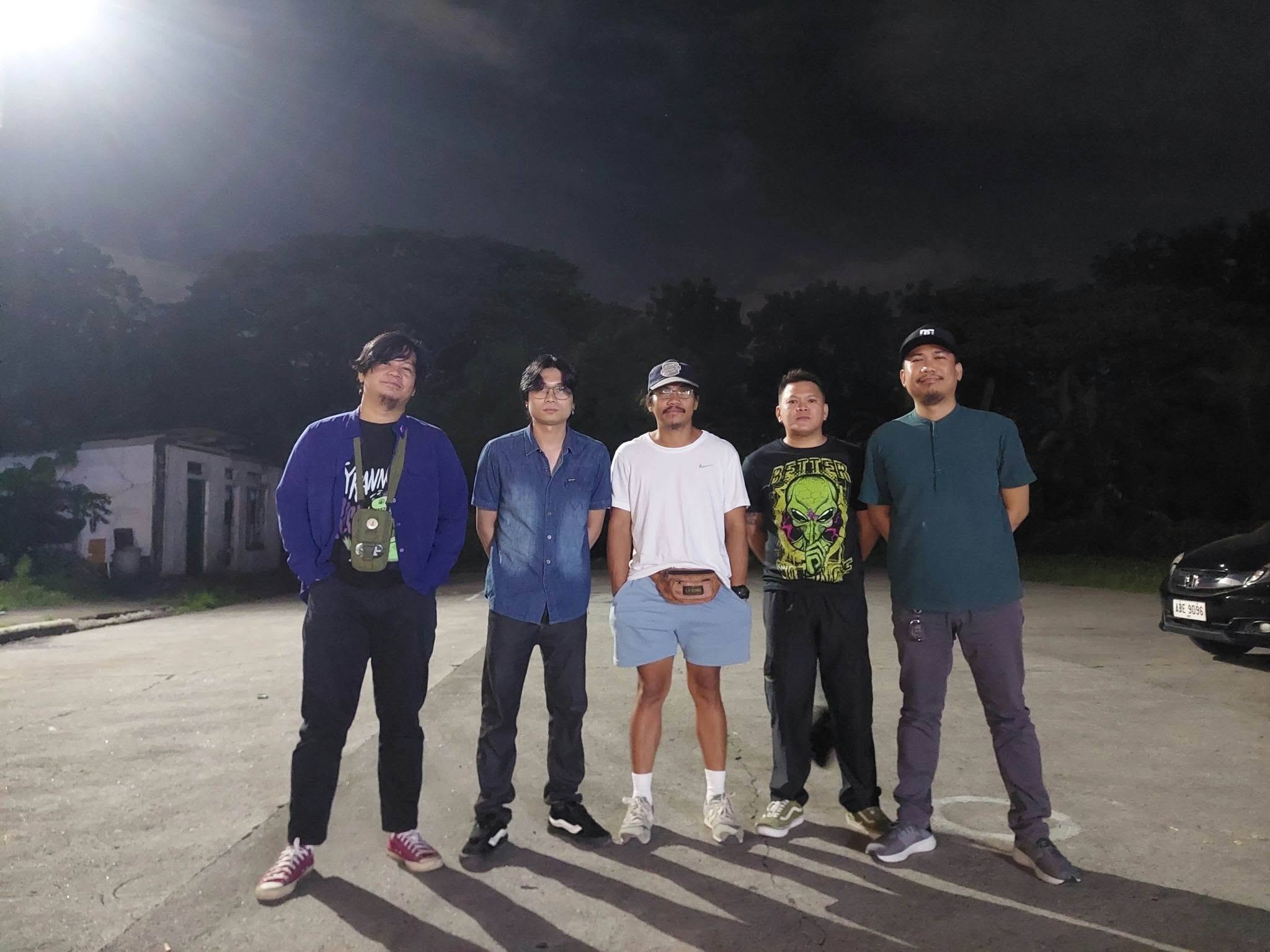
    Spiral PH is made up of Dex on vocals, Thurs on guitars, Geo on bass, Raymar on guitars, and John on drums.

    Four of the members previously played together in Mephisto, while Raymar joined after being invited by Thurs.

    The band’s friendship played a big role in finding their sound. Having known each other for years and growing up with similar musical influences from the early 2000s made it easier for everyone to agree on the direction they wanted to take.

    That shared background continues to shape the music they create.

    The Reality of Starting From Scratch

    Like many independent bands, Spiral PH had to deal with challenges long before releasing music or playing live.

    Budget limitations, finding opportunities to perform, and balancing work with the band became some of the biggest obstacles they faced during their early days.

    There were moments when they felt tired, but instead of walking away, they reminded each other why they started the band in the first place.

    The support they receive from their families, friends, and everyone who believes in their music continues to motivate them to keep going.

    Building Songs Together

    Every Spiral PH song starts with guitarist Thurs.

    He creates the initial demo before sharing it with the rest of the band. From there, everyone contributes ideas and suggestions until they are satisfied with the final version.

    It is a simple process built on collaboration, allowing every member to have a part in shaping each release.

    The Music That Inspired Them

    Spiral PH grew up listening to some of the biggest names in heavy music.

    Among their international influences are Linkin Park, Korn, Slipknot, Killswitch Engage, Bring Me The Horizon, and Deftones.

    Locally, they look up to Greyhoundz, Slapshock, Valley of Chrome, and Typecast.

    Instead of trying to sound exactly like those artists, the band uses those influences as inspiration while developing their own identity.

    Start With “Unos”

    For anyone listening to Spiral PH for the first time, the band recommends starting with Unos.

    The song captures everything they want listeners to understand about the band. It talks about anxiety, rejection, losing friends, and facing life’s struggles while reminding people that they can still get back up and continue moving forward.

    If there is one song that represents Spiral PH, this is the one.

    One Gig, One Unforgettable Memory

    Spiral PH has only played one live performance so far, but it remains the band’s most memorable experience.

    Every band starts somewhere, and that first performance became an important milestone for them.

    It marked the beginning of their journey as a live act and gave them something to build on as they continue performing.

    Looking Ahead

    Spiral PH already has more shows lined up.

    The band will perform on August 29 at Matchbox Yard before heading to Baguio on September 27. Fans can check the band’s official page for complete event details.

    They are also preparing to release their second single before November, giving listeners another look at where Spiral PH is heading.

    With new music and more live performances on the way, the band continues to take each step forward together.

    A Message From Spiral PH

    Before ending the interview, Spiral PH shared their appreciation for everyone who supports independent music.

    They thanked Excapelabs along with everyone who streams their songs, shares their music, follows their pages, and watches them perform live. Every bit of support helps independent bands continue doing what they love.

    The band also hopes more listeners continue supporting Original Filipino Music and discovering local artists across the country.

    For anyone going through a difficult time, Spiral PH leaves one final message.

    You are not alone.

    Keep fighting, keep moving forward, and hopefully, see you at the next gig.