Category: Featured Artist

Spotlight on sound. Featured Artist puts the focus on rising and standout talents making waves in the music scene. From their latest releases to the stories behind their songs, this is where we dive into their world—one track, one truth at a time. Get to know the artist, their voice, their vision, and why they deserve the spotlight now.

  • SHRED Drumsticks: Forged for the Beat, Born for the Brave

    SHRED Drumsticks: Forged for the Beat, Born for the Brave

    It all starts with a strike. A crack of wood on brass, a thunderous slam on the snare, a roll that surges like adrenaline through your spine. Whether you’re playing your first bar gig in Cebu or destroying a main stage in Manila, there’s one thing every drummer needs—trustworthy sticks that keep up with your rhythm, rage, and resolve.

    And that’s where SHRED Drumsticks comes in.

    Born in 2024 right in the heart of Cebu, SHRED isn’t just another name slapped on a pair of drumsticks—it’s a movement. A brand forged in the raw heat of local gigs, sweaty garage rehearsals, and passionate drum clinics across the country. In a market where serious drum gear is either imported at insane prices or simply unavailable, SHRED made noise—loud, proud, and local.

    “We saw the gap,” says SHRED founder and CEO Jom, a drummer and gear head himself. “There were barely any affordable, quality drumsticks in the Philippines. Either you had to settle for subpar sticks or pay a premium just to get something durable. We thought—why not make our own?”

    But SHRED didn’t just make their own. They redefined what a Filipino drumstick could be.

    Why SHRED?

    Let’s talk wood.

    SHRED Drumsticks are crafted from premium hickory, the gold standard for drummers worldwide. Known for its strength, resilience, and shock absorption, hickory provides that sweet spot between control and power. Whether you’re jazzing on a ride or laying blast beats in a metal pit, SHRED sticks are balanced to deliver consistent performance every single time.

    They’re tough too—made to take a beating without giving up. And that’s actually where the name “SHRED” comes from.

    “It’s the image of drumsticks constantly smashing against cymbals and heads,” Jom shares. “They chip, they splinter—they shred. It’s destructive, but beautiful. That’s the kind of energy we wanted our brand to carry.”

    And it shows. From the first moment you hold a pair of SHREDs, you’ll feel it—the weight, the texture, the confidence.

    Built By Drummers, For Drummers

    One of SHRED’s greatest strengths isn’t just the material. It’s the heart behind the brand.

    This isn’t some faceless corporation. SHRED is powered by real musicians—people who know the pain of a cracked stick mid-gig, who’ve played cramped clubs and outdoor festivals in the same weekend. They’ve been there. And because of that, every decision made at SHRED comes from a drummer’s perspective.

    “We weren’t interested in building a hype brand with overpriced gear,” Jom insists. “We wanted something real. Something you’d recommend to your bandmates because you trust it.”

    SHRED’s models come in classic sizes—2B, 5A, 5B, 7A—all built to international specs. But unlike international price tags, SHRED keeps things accessible. You won’t need to pawn your pedals just to buy a good pair of sticks.

    Making Noise Nationwide

    In just over a year since its founding, SHRED Drumsticks has grown from a local Cebu venture into a nationwide force, currently available through four certified sellers:

    📍 SHRED Drumsticks Rizal
    📍 SHRED Drumsticks Cavite
    📍 SHRED Drumsticks Bulacan
    📍 SHRED Drumsticks Davao

    This growing presence is no accident—it’s a testament to the trust SHRED has built within the drumming community. These aren’t just resellers—they’re drummers, instructors, and gear specialists who believe in the brand’s mission: affordable quality for every Filipino drummer.

    And the plan is to keep growing. SHRED aims to expand to more provinces, partner with music schools, and sponsor drummers and events that align with their vision.

    “We’re not here to sell sticks,” Jom says. “We’re here to support drummers. That’s why we price the way we do. That’s why we’re careful with quality. That’s why we’re everywhere we can be.”

    More Than a Brand—A Community

    What separates SHRED from other drumstick brands is its vibe.

    Scroll through their socials and you won’t just see product shots—you’ll see clips of live shows, rehearsal videos, young drummers unboxing their first pair of SHREDs. It’s not curated—it’s communal.

    There’s a shared pride when a drummer says, “Gamit ko SHRED.” It’s like being part of a club that actually listens to its members. They repost drummers’ stories. They answer DMs. They watch your gig videos. They care.

    And that community-first mindset is the fuel behind SHRED’s mission.

    Built to Outlast the Trends

    Let’s face it—gear brands come and go. But SHRED isn’t just hopping on a trend. It’s built to outlast.

    Because it’s rooted in the real grind. In the soundcheck chaos. In the broken stick during a breakdown. In the after-gig kwentuhan. In the bruises and blisters of Filipino drummers everywhere.

    “We’ll keep making sticks as long as people are playing,” Jom says, with zero hesitation. “As long as there are kids building drum kits out of tin cans, or dads showing their kids how to do a double stroke roll on a pillow—we’ll be here.”

    Play Harder. Play Longer.

    That’s not just a hashtag. It’s the SHRED promise.

    #PlayHarderPlayLonger isn’t about reckless smashing—it’s about pushing yourself without worrying if your gear can keep up. It’s about durability that empowers and accessibility that includes. It’s about Filipino drummers finally having a brand that represents their hunger, grit, and groove.

    So if you’re a drummer looking for sticks that won’t quit on you—whether you’re playing blast beats in your bedroom or riding grooves on stage with your band—it’s time to join the SHRED movement.

    Because sticks may break.
    But the beat?
    The beat never dies.

    🛒 Want to get your hands on a pair?
    Find SHRED Drumsticks at any of their official certified outlets in Rizal, Cavite, Bulacan, and Davao.

    📱 Follow SHRED Drumsticks on Facebook and Instagram to see the latest drops, artist features, and exclusive promos.

    🛠️ Need help choosing a size? DM them for recommendations or to ask about upcoming restocks.

    SHRED Drumsticks
    Crafted for Precision. Priced for Passion.
    #PlayHarderPlayLonger
  • Carpathia PH: The Sudden Change of Plans That Led to Sound

    Carpathia PH: The Sudden Change of Plans That Led to Sound

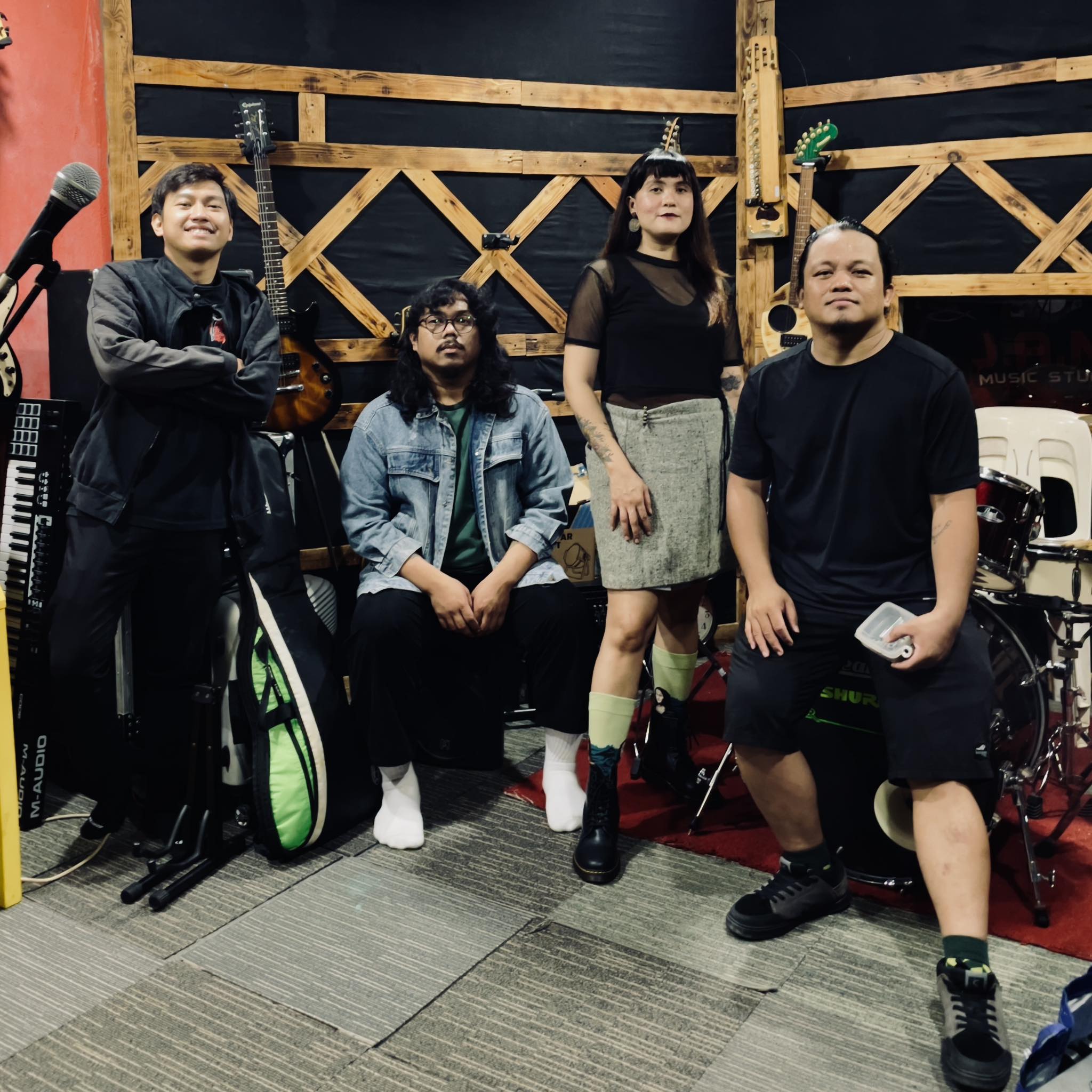
    There are bands that plan for years, grind in the underground, and wait for that one break. Then there are bands like Carpathia PH, who formed not out of ambition, but out of a shared itch to play music again—musicians once active, now “napaglipasan” or resting in creative hibernation, who found their way back not through some grand design, but through jamming.

    “It actually started lang talaga as jamming,” one of the members shares through a casual Google Doc interview. “Halos lahat kami dito mga musikerong napaglipasan na, or mga inactive lang.”

    From that spontaneous reunion of passion and talent came something a little more permanent. The core began with Paul, Niks, and Rona. The chemistry clicked. Before long, the project evolved into a full band. “Then hanggang sa nagtuloy-tuloy, ayun, binuo na namin ‘yung banda at nag-commit na.”

    Welcome to the story of Carpathia PH: a band born from a love of music rekindled and a name that speaks volumes.

    The Ship That Answered the Call

    The name Carpathia wasn’t just randomly pulled out of a hat or AI name generator. It has weight, and as Niks—the brain behind the name—explains, RMS Carpathia was the ship that responded to the Titanic’s distress call. “Si Carpathia na dapat pupunta ng UK, eee nagkaroon ng sudden change of plans para iligtas ‘yung mga survivors.”

    A sudden change of plans—there’s something poetic about that. Much like how this band formed: an unexpected detour that turned into a mission. A rescue of creative selves, a revival of sound.

    The Sound: Rock, Sweet, Chill

    Asked to describe their sound in three words, they went with: Rock. Sweet. Chill.

    “Rock kasi may mga kanta kaming Gazey sounding so maingay talaga tapos may mga Punk Rock pa. Sweet is meron din kaming sweet lyrics kahit maingay ‘yung song. Then Chill is meron kaming British Indie Rock na mga song na parang pang-roadtrip.”

    In short, Carpathia isn’t the type to box themselves in. Their sonic identity is a little bit of everything: a layered, textured collage of genre fragments that all come together in a sound that’s theirs.

    Influences, Writing, and the Studio Vibe

    It’s easy to assume Carpathia’s genre—Rockgaze, as they call it—was a deliberate choice. But really, it was a compromise born out of wildly different influences.

    “Actually ‘yung genre mixes na ‘yun kasi ng mga influences namin,” they admit. “Iba-iba kami ng influences. Si Nik, pure metal. Paul is indie and blues. Si Rona, indie and punk. Si Nate naman, more on Paramore at Christian songs for church.”

    So how do they make it work? Collaboration, for one. They admit there’s usually one lyricist per song, but the arrangement process is where the magic happens: “Dun na kami nag-ci-critical thinking.”

    And when they’re in the studio? Chill lang.

    “Hindi kami tense, and ‘yung parang may hinahabol na deadline. Gusto lang namin makuha ‘yung vibe ng kanta.”


    Gears, Growth, and Gigs

    Carpathia debuted live in March 2024 with their song Lost in the Moment—a gig they treated not as a breakthrough, but as a detox.

    “Nag-try kaming mag-gig last March para patanggal lang ng kalawang at i-debut live ang isa sa mga song namin,” they share, alluding to the itch to perform and the desire to finally bring their sound out of rehearsal rooms and onto a stage.

    That same song holds special meaning for Paul. “Siguro ‘yung Lost in the Moment, kasi para sakin lang ahh… di siya mahirap talaga, oo. Pero nag-transition kasi ako from bassist to lead guitarist, tapos original song pa ‘to. So ayun, nahirapan ako gumawa ng melody. Sila Niks, Nate at Rona, parang easy lang. Hahaha.”

    And when asked what gear he can’t live without?

    “Overdrive. Klon Style na Overdrive to be exact. It gives me my signature sound.”


    Women in Rock, Covers, and Character

    Carpathia may not be a band of flashy personas, but each member brings a distinct flavor to the table. Rona, the band’s vocalist, faces the usual challenges of being a woman in a male-dominated genre.

    But instead of backing away, she owns the space.

    Nate dreams of doing a cover song with a signature Carpathia twist. Though he didn’t drop a specific title, you can sense his quiet confidence that whatever song they pick—it’s going to sound like them.

    As for Niks, the exercise was simple: describe each bandmate in one word. Unfortunately, the answer wasn’t included in the doc—but that’s probably because summing up complex people in a word isn’t really the Carpathia way.


    Behind the Chat Threads and Late Nights

    Like all bands, Carpathia has its behind-the-scenes quirks.

    Sino ang pinaka maingay sa group chat? “Si Paul.”
    Laging late sa practice? “Si Paul din.”
    Laging gutom? “Si Niks.”
    Pabibo sa stage? “Rona.”

    That last part makes sense—fronting a band isn’t just about hitting the right notes, it’s also about holding the stage with grace and presence.


    Tampuhan, Day Jobs, and Alternate Realities

    Bands fight. It’s part of the creative equation. But Carpathia handles disagreements with clarity.

    “Usually we talk about it as a band. Kung may issue, sinasabi agad. Then we listen. That’s it.”

    And if music hadn’t called them back?

    “Kung hindi kami musicians, baka office workers na kami lahat ngayon,” they laugh. “Or may kanya-kanyang small business.”


    What’s Next?

    Carpathia PH may be new, but they’re not rookies. They’ve seen the scene, stepped away from it, and now they’re stepping back in on their own terms. No rush, no pressure. Just music.

    From that first jam session to their debut gig, from gear obsessions to shared chat thread chaos, Carpathia is proof that sometimes, all it takes is one sudden change of plans to steer you toward your purpose again.

    And just like the ship they were named after, they’ve got a mission now: answer the call, show up for each other, and make music that saves—even if only a little.


    Follow Carpathia PH on social media and catch their single “Lost in the Moment” live whenever they hit the stage again. Stay tuned for their upcoming releases this 2024.

  • The Lost Boys Club: A Scene That Never Left

    The Lost Boys Club: A Scene That Never Left

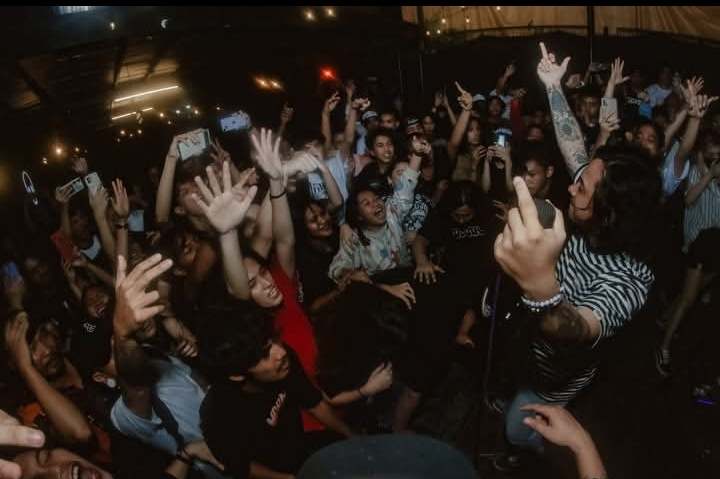
    The house lights dim, the amps buzz to life, and a crowd of familiar faces, many clad in worn band tees and scuffed Vans, surge toward the front of the stage. Somewhere in the organized chaos of soundchecks and shouted greetings, the Lost Boys Club gears up for another night of defiance, celebration, and pop punk.

    Behind the posters and the playlists is Pauline, one-half of the production team that built this DIY haven for lovers of The Story So Far, Neck Deep, and the rest of the pop punk canon. Alongside Chaz, her co-conspirator and partner, they form the lean but passionate heart of Lost Boys Club.

    From Fanhood to Formation

    The seed was simple: “Ang dami kong kilala na nakikinig non,” Pauline shares, referring to The Story So Far and Neck Deep. “Super fan din ako ng TSSF kaya triny ko gumawa ng ganong event.” That fan energy didn’t stay in playlists—it evolved into an entire movement, one gig at a time.

    What started as a tribute night turned into a full-blown mission: create events centered purely on pop punk, and connect people who never grew out of their love for the genre. The production’s roots stretch back to 2018, when the scene was quieter, scattered—but not gone. Pauline and Chaz didn’t just want to revive it. They wanted to give it a home.

    Planning and Persistence

    Their recent The Story So Far x Neck Deep cover night took one full month of preparation, a tight timeline considering the scale of the crowd and expectations. Back then, Pauline still had Luna on the team—a helping hand that she credits as a big boost.

    “Ang LOST BOYS CLUB nagstart talaga ‘to sa mga pop punk bands,” she adds. And every show they mount pays tribute to that beginning.

    They don’t promise perfection. They promise to show up. That’s why, when things don’t go as planned, they adjust. Bands arriving late? They rework the schedule. Unpredictable Manila weather? They roll the dice.

    “Malakas ulan non e,” Pauline recalls of their first TSSF x Neck Deep night. “Pero sinugal pa rin namin at ayun—super successful naman kasi ang daming tao.”

    Roles and Rituals

    Today, the team is down to two: Pauline and Chaz. Between them, they do it all—posters, social media, lineup curation, sponsor outreach, on-ground logistics.

    “Sa pag-gawa ng poster and posting naka-depende kung sino ang hindi busy,” Pauline explains. She takes charge of the lineups, reaching out to bands, locking in commitments, and negotiating with sponsors. On show day, she’s at the entrance while Chaz emcees and manages the stage.

    When asked what makes a strong production team, Pauline doesn’t blink: “Dapat talaga nagkakaintindihan kayo. Dapat iisa yung goal niyo.”

    And it shows. Every gig they pull off is a small miracle of coordination, understanding, and unwavering faith in the local scene.

    Booking Bands with Intention

    For Lost Boys Club, the lineup isn’t just about who’s available. It’s about fit—musically, energetically, and ethically.

    “Kung bagay ba yung genre, masipag ba sila mag-promote, at pinaka-mahalaga if kaya nila mag-commit.” They don’t just book bands. They build lineups with heart and hustle.

    And while there are always wishlist names—Pauline mentions Urbandub as her dream local act, and The Story So Far as the ultimate international get—they’re not rushing. There’s a deliberate pace to how they grow.

    Each band that joins a Lost Boys night does so with shared intent: to bring the crowd to life, and to make the night unforgettable.

    For the Fans, Always

    The Lost Boys experience doesn’t end when the amps power down. Pauline wants people to go home feeling like it was all worth it.

    “Gusto ko ma-feel nila worth it yung pagpunta nila ng gig, worth it yung pagod at puyat kasi sobrang saya nila.” And they add flavor to the shows through sponsors—shirts, tote bags, and other giveaways—making every night feel personal and special.

    For Pauline, success isn’t measured in numbers alone. “Yung makikita mong naging masaya lahat. Bands and audience. At higit sa lahat yung walang abono haha!” The laughter in her words says it all: joy and sustainability are twin pillars of their work.

    What’s Next?

    Don’t expect Lost Boys Club to slow down. They’ve already got shows planned all the way until April 2026.

    Up next? A My Chemical Romance x The Used Cover Night this August 23 at G Malolos. Then there’s the Secret Crisis Tour—a dual album tour for Takaw Tikim (Secret Menu) and No Angels, No Gods (Equation Crisis).

    And while future plans are still hush-hush, there’s ambition brewing. “Yes meron pero quiet muna kami sa ngayon,” Pauline teases.

    What she can say is this: the long-term vision is rooted in purpose. “Magiging tulay pa rin kami para makilala ang mga banda or artist na gustong ibahagi ang craft nila. Hanggang magkaron ng sariling pangarap yung mga anak namin.”

    This isn’t just about the now. This is legacy-building disguised as gig production.

    When Kids Crowd Surf

    Asked what she’d do with an unlimited budget, Pauline doesn’t aim for lasers and pyros. Instead, she envisions something for all ages.

    “Gagawa kami ng event na hindi lang pang adult, yung mag eenjoy din yung mga kids.” It’s not a marketing stunt—it’s personal. “Kasi lagi namin kasama mga anak namin sa mga gig.”

    Her voice carries the joy of someone imagining a better version of the scene—one where the next generation grows up on live music, not just YouTube clips.

    Good Chaos and Great Advice

    One of their wildest experiences happened just this July 5, during the Batangas leg of the Secret Crisis Tour. It wasn’t the crowd or the logistics that stood out—it was the kindness.

    “Grabe yung pag-alaga nila sa amin,” Pauline says about Hardcore Hope, the co-prod that night. “Pagdating namin don meron ng food tapos meron pa kaming libreng stay. Talagang, makikita mong mahal na mahal nila ang eksena.”

    That kind of hospitality isn’t just rare—it’s unforgettable. And it fuels them to keep going, despite everything the scene throws their way.

    So what advice does she have for those who want to enter the production world? Pauline doesn’t sugarcoat it. “Dapat buo ang loob niyo at mahalin yung mga banda, manonood at mga venue.”

    Then she drops the foundation of it all: “Apat na pondasyon ang kailangan para manatiling nakatayo e. Ganoon din sa music scene—productions, bands, audience, at venue.”

    If one falls, the whole house shakes. But if all four stand strong, the scene becomes more than a trend. It becomes a home.

    And for the Lost Boys Club, that home has room for everyone—old fans, new bands, future punks, and maybe even their kids.

    Because the scene? It’s not lost. It just moved to Malolos. And it’s louder than ever.

  • SETSUNA: Isang Taon ng Liyab, Dalangin, at Ahon

    SETSUNA: Isang Taon ng Liyab, Dalangin, at Ahon

    “Liyab.”
    “Ahon.”

    These weren’t just songs. They were the spark.
    The firestarter tracks. The first two songs lit the fuse and marked the birth of Setsuna.

    A year ago, the band was just an idea—driven by late-night talks, deep scars, old friendships, and a hunger that refused to die. Now, on July 7, 2025, they celebrate their first anniversary. Not with ego, but with a quiet kind of pride—the kind that comes from doing something real. Something honest.

    And those first songs?
    They still burn.

    The Spark: Liyab and Ahon

    “Liyab” was never just a song. It was their story-in-progress.

    At first, it was supposed to be on the first record. But the band quickly realized: this track wasn’t finished—because their story wasn’t finished.

    “Nagbabago yung lyrics palagi,” they admit.

    “The song is about our journey—nagbabago yung phase and challenges, kaya nababago din yung sulat.”

    So they made the call: Liyab will be finalized on the second album, where it can carry the full weight of everything they’ve been through.

    That left Ahon to lead the charge—a battle cry for anyone climbing out of their own personal abyss. A song that struck a chord so deep, it recently reached a milestone 200,000 views on YouTube.

    Therapy, Not a Trend

    “Hindi talaga namin naging option mag-stop,” they say. And you believe them. Because when they talk about their music, you don’t hear metrics or marketing plans—you hear therapy.

    Every jam session is a breath of fresh air after long work hours. Every rehearsal is a reminder of why they started in the first place. These songs they write and play together aren’t just noise; they’re lifelines.

    Kahit mahirap. Lalo na sa logistics.

    They’re scattered across different cities. Some in Pangasinan, others in the city. Each practice means traveling for hours, sacrificing personal time, making room in a calendar that’s already bursting at the seams. But they do it anyway. No grand speeches. Just pure dedication.

    “Kasi prio namin is work and family. Kapag may hindi available, hindi namin pinipilit. Basta kung kelan lang pwede.”

    It’s that kind of groundedness that makes their journey even more powerful. This isn’t blind ambition. It’s sustainable passion.

    The Songs That Followed

    After Ahon came the third official track: “Silaw.”

    Silaw was like a flare gun fired into the night sky.
    A warning. A confession. A moment of clarity in a world full of false lights.

    It came fast and hard—and fans felt it.

    Then came Dalangin, a softer ache. A whispered prayer for something more. For healing, for forgiveness, for peace. It was raw and vulnerable, just like the nights it was written in.

    Finally, they dropped Harinawa. An old word, rarely sung, now reborn in melody. It means sana, hopefully, may it be so. A word that sounds like longing—and lands like hope.

    Each song painted a different piece of their emotional journey.
    None of them were easy. All of them were real.

    The Rise of Ahon: 200K Strong

    In just one year, Ahon didn’t just rise—it soared.
    It became a battle cry for fans, and recently hit a massive milestone:
    200,000 views on YouTube.

    The photo says it all: a child holding a flame, symbolizing innocence, strength, and the spark we all carry in dark times. It’s more than a number. It’s a reflection of how many people found something in that song—something worth holding onto.

    “Di namin namamalayan na naging effective pala sa’min ‘yung ganong way.”

    They didn’t chase virality. It just found them.

    A Band of Many Roots

    Each member brought history. War scars. Reputation.

    Mighty Ji is a fixture in Pangasinan’s live scene.
    Toshi earned his stripes in the underground rap community, making waves with every bar. His group, Plan B, didn’t just stay underground—they broke through. Signed under Sony Music Philippines, they brought major-label energy to the mix.

    “Parang each of us may kanya-kanya kaming connections.
    Kaya napag-sama-sama na lang namin siguro,” they say.

    So when did they join forces?
    It wasn’t just a band—it was a collision of worlds.
    A meeting of minds sharpened by years of grind.

    Sacrifice in the Silence

    Asked if they ever felt like quitting, their answer was simple:

    No.

    Because every time they make a song, they feel something real.

    “Kasi ramdam namin sa mga nagagawa naming materials,” they explain.

    You can feel it in the pain of Silaw, the longing in Dalangin, the fire in Liyab, the redemption in Ahon, and the quiet hope of Harinawa.

    These aren’t singles. These are confessions. Diaries. War cries.

    The Backbone Behind the Band

    Setsuna didn’t do it alone. Never claimed to.

    Special thanks to:

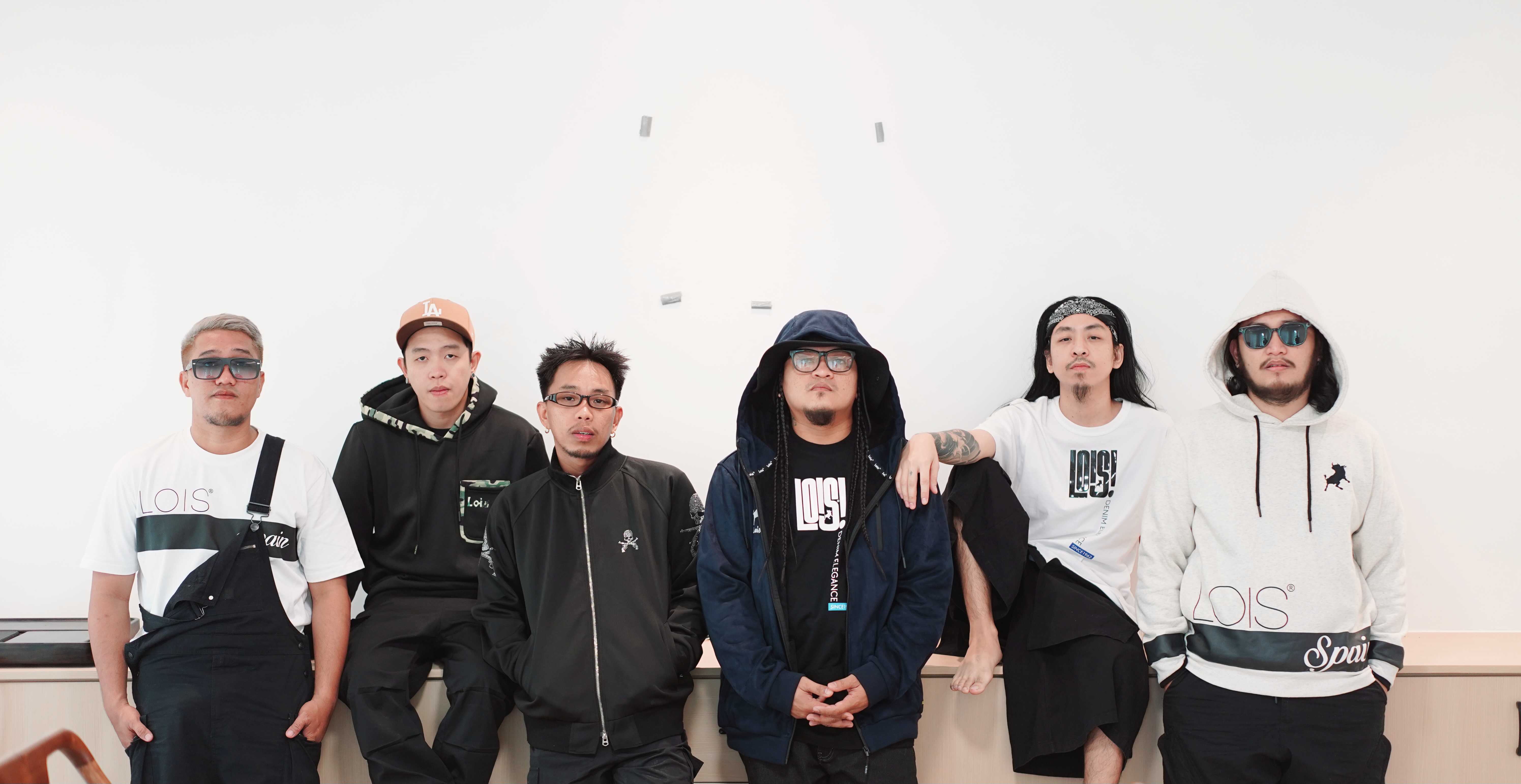
    • LOIS Jeans – Style with soul
    • Point B Studios – Where rawness met polish
    • Radio Manila Music Group – For amplifying their voice
    • Grand Escape Films – For giving the songs a cinematic pulse
    • Papsys HQ
    • Cavern Band Studio
    • Jojam Music Studio
    • North Studio
    • Istakap Records
    • Groovelabs Productions
    • Excapelabs

    These names aren’t just credits. They’re co-architects of the fire.

    What’s Next?

    More. But not faster. Just deeper.

    If Year One was about lighting the fire, Year Two is about learning how to keep it burning—without getting consumed. There’s no hunger for mainstream. Just a hunger to heal, connect, and create songs that sound like real life.

    Final Words from the Underground

    Setsuna didn’t arrive with a bang. They arrived like a flicker.

    But flickers can become flames. And flames?
    They spread.

    Happy anniversary, Setsuna.
    Here’s to more liyab, more dalangin, more ahon, more silaw, and more harinawa.
    More songs for those of us still trying to rise.

  • Letter Day Story: Living Every Note Like It’s Their Last

    Letter Day Story: Living Every Note Like It’s Their Last

    It’s almost surreal to sit down and write about Letter Day Story again—this time as a feature. I still remember watching them live during our Eto na Nga! production with Groovelabs Productions last year. Sila ‘yung klase ng banda na kahit matagal mo nang hindi napapakinggan, isang tugtog lang, and it all comes back. Sobrang bait nila in person, too. Kaya when the chance came up to do a feature, I didn’t hesitate. And now, here we are.

    In a sea of new faces and shifting sounds in the local music scene, Letter Day Story stands tall—quietly and steadily making music, unshaken by trends, and guided by something far deeper than fame.

    From Conservatory Classrooms to Center Stage

    Back in 2002, a group of students from the UST Conservatory of Music came together, bonded not just by friendship but by a shared itch to create something of their own. The lineup may have evolved over the years, but what hasn’t changed is their dedication to music—and to each other.

    The heart of the band beats stronger than ever with Dex on vocals, Oli and EJ holding down the rhythm and soul of the group, and Niko, the newest official member, who’s no stranger to the family. “He’s been our long-time sessionist—around a decade na rin,” they shared. “Finally, now, he’s officially with us.” Niko’s quiet loyalty and consistency through the years earned him a place not just on stage but at the very core of LDS.

    Together, they’ve weathered it all—grief, change, and countless milestones. And through it, one truth remains: LDS is nothing without its members.

    Their big break came in 2008, when they joined and surprisingly won Nescafe Soundskool. “We weren’t even aiming to win,” they said. “We just wanted to enjoy playing our music on stage and perform our original song, Ikaw pa Rin.” But fate had other plans. What they thought was just a finalist roll call turned out to be the awarding. They had won. And with it came a deal with Sony Music, leading to radio tours, out-of-town gigs, albums, and collaborations with names like Gloc-9, Yeng Constantino, and even the late Pepe Smith.

    It was a whirlwind, but it was only the beginning.

    Music That Mirrors Life

    When you talk to Letter Day Story about their music, you don’t get canned answers or vague inspirations. Their songs are lived-in. They’re part of their journey.

    Take Mithi, for example—one of the band’s most meaningful tracks. “When Dex wrote it, the message really mirrored our band’s own struggles,” they shared. “There were times when even our parents didn’t believe in what we were doing. They’d say there was no future in this.”

    Mithi became more than a song. It became their reminder to keep going.

    Then there’s Sama-Sama, a song about staying together, weathering everything as a unit. “There’s even a line at the end of the song, a chant that goes sulat araw kwento,” they said. “That’s letter day story—our name and our story.”

    It’s rare to see a band that writes not just about life, but through it.

    From Covers to Craftsmanship

    The band’s evolution wasn’t just emotional—it was technical too. They started out doing covers but quickly found themselves wanting more. They wanted to write. Create. Innovate. That hunger led them to work with producers and artists that would shape their sound.

    One key piece of their story was their guitarist, Notnot, who passed away in April 2024. Long before that, though, he had carved his mark not just as a musician, but as a sought-after sound engineer. His work with IV of Spades, Juan Karlos, Gloc-9, and others reflected just how far he’d come.

    “His work was highly regarded,” the band shared, their pride evident even through typed words. And even in his absence, his spirit lives on in their new material. DSY (Dahil Sayo) was his last song—and what a beautiful, aching piece it is.

    The Indie Life and Its Realities

    Since parting ways with Sony in 2011, Letter Day Story has been an indie band in every sense. No label. No hype machine. Just passion, persistence, and presence.

    “Being independent now is much better than before,” they admitted. “Back then, it was hard for our music to be heard unless a big label signed us to get on the radio. Today, there are so many chances for indie artists. We can create and release music whenever and however we want.”

    Still, the road isn’t easy. Getting on Spotify’s top playlists, competing for organic streams—it’s a different kind of hustle. One that doesn’t always come with instant results.

    “We can’t control trends,” they added. “But artists shouldn’t worry too much. The most important thing is to love music and love what you do.”

    Then and Now: From Jumping Crowds to Phone Lights

    If you’ve ever been to a Letter Day Story gig, you know the kind of energy they bring. Rehearsals aren’t just for precision—they’re about heart. “In the actual show, we play from the top of our lungs,” they said. “Making music is a huge stress reliever and a source of pure fun.”

    Back in the 2010s, their crowds were often fully immersed—jumping, shouting, singing along. These days, things have shifted. “Most people in the crowd are now holding up their phones,” they said, noting how the digital era changed how we consume live music.

    But they’re not bitter. In fact, they’re grateful. “Even new generations who are watching or hearing us for the first time show us love. And our old fans… still manage to love and support our music and our band.”

    Next Collabs and Big Dreams

    The band remains wide-eyed when it comes to today’s scene. “We’d love to collaborate with artists like One Click Straight, Zild, Blaster, Dionela, Skusta Clee, and Setsuna,” they said. Their tastes reflect the openness they’ve cultivated over the years. Pop, R&B, hip-hop—it’s all music. It’s all art.

    And yes, they’ve got new music, too. After 13 years, they’ve released DSY and just dropped NUNG IKA’Y NAWALA last June 27. It’s a track born from heartbreak, about being left without answers, and the slow process of letting go.

    More singles are on the way. A promo tour is in the works. Studio sessions are ongoing.

    Letter Day Story isn’t slowing down. They’re just getting better at telling their truth.

    Staying Lit, Staying Inspired

    So, how do they do it? How do they keep the fire alive after more than two decades?

    “It really comes down to having the same mindset and heart,” they said. “Even with our different professional day jobs and family commitments, we still make time for music and truly enjoy it.”

    That might just be the secret. Not chasing trends. Not trying to one-up themselves. Just showing up—with full hearts, loud amps, and a willingness to grow.

    NUNG IKA’Y NAWALA: A Visual Story of Letting Go

    Released on June 27, NUNG IKA’Y NAWALA is more than just a single—it’s a gut-punch of a song that lingers. Written from a place of quiet heartbreak, it speaks to the pain of being left behind with no closure. “When someone leaves you for no reason, and you’re left searching for answers,” the band shared. “You try not to give up. But in the end, the pain is so deeply shattering that you finally let go.”

    And just as powerful as the song is the music video that goes with it.

    Directed with striking emotional weight, the official music video brings the story to life—capturing the emptiness, longing, and slow-burning grief that follows a sudden goodbye. It’s intimate, cinematic, and quietly devastating in all the right ways.

    If you haven’t seen it yet, now’s the time:
    Watch “NUNG IKA’Y NAWALA” on YouTube

    Whether you’ve been with Letter Day Story since the beginning or you’re just discovering their music today, NUNG IKA’Y NAWALA is the kind of track—and video—that pulls you in and stays with you.

    For the Fans and the Future

    “To all our longtime amazing fans,” they wrote, “thank you for continuously supporting us and for never forgetting our music! It means so much that you’re even sharing our songs with your kids.”

    Their message to younger bands is simple but weighty: “Never think that moving forward with music is only about chasing fame. Focus deeply on your craft. And love your passion.”

    As for their legacy?

    They want every performance to matter. Every moment to count. “Pour your soul into every note you play and every word you sing,” they said. “Let your passion ignite the stage.”

    That’s the kind of legacy that doesn’t fade—even after the lights dim.

    Letter Day Story is now streaming on all major platforms. Their latest single “NUNG IKA’Y NAWALA” is out now.
    Catch them live, if you ever get the chance. I know I will. And if luck’s on our side, maybe we’ll get to share another production stage with them soon. Eto na nga, diba?

  • SETSUNA: Seize the Moment, Burn With It

    SETSUNA: Seize the Moment, Burn With It

    You know a band is serious when they name themselves after a fleeting moment.

    SETSUNA, a NuMetal band formed in 2024, might be the new kids on the block, but they’re already making waves in the local scene. A unique mix of heavy riffs, rap verses, emotional release, and live chaos—that’s what you get when you listen to or witness SETSUNA. But behind the sonic force and blazing logo (yes, the fire emoji is deliberate) is a story that spans multiple cities, genres, and life experiences.

    This is a band born not just from music, but from persistence, timing, and that one perfect moment when everything finally clicks.


    A New Chapter, A Familiar Struggle

    The spark that ignited SETSUNA began quietly in 2021. Back then, Mark Quintero—also the bassist of Nobita—was tapped by their manager Joel Ellorin to start a new band. Mark wasn’t starting from scratch. He knew the scene, he knew the sound, and most importantly, he knew the right people.

    He hit up Mighty Ji, a guitarist from Pangasinan known for his versatility, and someone who had already been toying with the idea of forming a NuMetal group with DJ Rua, then based in Denmark.

    “Actually, matagal nang idea ‘to ni Rua at Mighty Ji,” Mark shares. “Nung 2021 pa nila naisip pero ‘di pa nag-materialize. Nung nakausap ko ulit si Mighty, ayun tuloy-tuloy na.”

    The concept was still up in the air when, in June 2023, Mark invited rapper Toshiro Kier to join the band. “Akala ko drummer role ‘yung offer,” Toshiro laughs, “’Yun pala magra-rap ako. Surprise!” But he said yes—and that unexpected twist became part of the band’s evolving identity.

    By December 2023, DJ Rua had returned to Manila. Mark invited him to officially join the project. And by early 2024, the skeleton of SETSUNA was starting to grow flesh.

    “January 2024, kami nila Ji, Toshiro, Rua—nagsimula nang buuin ‘yung concept at tunog. Pasahan ng demo, gawa ng material. Hanap pa ng iba,” says Mark.

    Then came vocalist Marka Krus, a familiar name in the Valenzuela band circuit known for his covers of nu-metal giants like Disturbed and Korn, and drummer Daniel Arzadon of Galigo Tribe. The final lineup clicked in June. By July 2024, SETSUNA had its first rehearsal.


    What’s In A Name? Everything.

    SETSUNA is a Japanese word meaning “a moment” or “an instant”—the fleeting nature of time and how each second counts.

    “Si Mark Quintero ang nag suggest ng name,” they share. “Ang SETSUNA kasi, it’s about embracing that moment. Every gig, iniisip namin na baka ‘yun na ‘yung huli, so todo bigay. Laging 100%.”

    And that moment? They want you to feel it too.

    “Kaya fire ‘yung logo namin,” Toshiro says. “Kasi ‘yung music namin gusto namin sumindi rin ‘yung mga tagapakinig. Gusto namin mailabas nila ‘yung pain, galit, struggles. ‘Pag nakita naming nagwawala ‘yung crowd, ‘yun ‘yung palitan ng energy. ‘Yun ang SETSUNA.”


    Meeting Halfway From All Directions

    The band is scattered geographically—Marka is in Laguna, Daniel and Toshiro are in Pangasinan, while Mark and Rua are based in Valenzuela.

    “Logistically challenging,” admits Rua. “Ang layo namin sa isa’t isa. Pero once nagsama-sama kami, grabe ‘yung energy. Worth it lahat.”

    They may not hang out daily, but their dynamic is built on constant check-ins, memes, group chats, and occasional tapik sa balikat moments.

    “We always check on each other,” says Daniel. “Mental health sa banda is not just a side topic. Parte siya ng process namin.”


    The Sound of This Generation’s Pain

    When asked how they’d describe their music, they don’t hesitate:

    “We are the New Generation of NuMetal in the Philippines.”

    Their influences are obvious to the trained ear—shades of Slipknot, Korn, Papa Roach, Slapshock, and Greyhoundz. But SETSUNA doesn’t just copy. They reinterpret. They infuse each breakdown and scream with their own experiences.

    “Lahat ng kanta namin, may pinanggalingan,” Marka shares. “Personal stories talaga. Hugot kung hugot.”

    The songwriting process is collaborative. “Walang one-man team dito,” adds Ji. “Pasahan kami ng ideas, minsan lyrics lang, minsan riff. ‘Pag nag-click, boom. Tapos na agad isang kanta.”


    First Steps and Festival Fevers

    Despite being a young band, SETSUNA already found themselves on a big stage early on. Their first live performance? A massive festival gig.

    “Puto Festival, December 2024,” Toshiro recalls. “Kasabay namin si Flow G. Andaming tao. Kabado kami, siyempre. Pero pag akyat namin ng stage, wala na. Rock out na!”

    Every gig they’ve done since then has been special. “Wala pa kaming one year na active,” says Rua, “pero lahat ng tugtugan, parang milestone agad.”


    No Surrender, Just Volume

    With every step forward, SETSUNA has had to fight resistance. The NuMetal scene isn’t exactly thriving in the mainstream local circuit.

    “Back in 2023, ang daming nag-doubt,” says Mark. “Tahimik ‘yung eksena, lalo na sa heavy. Wala masyadong naniniwala sa idea namin. Pero sige lang. Gawa lang.”

    Quitting was never an option.

    “Hindi namin naisip sumuko,” says Ji. “Alam na namin na mahirap ‘tong path na ‘to. Pero mahal namin ginagawa namin.”

    That love fuels every rehearsal, every sweaty session, every setlist.


    What They See in the Scene

    SETSUNA sees promise in the Philippine indie scene—across genres and regions.

    “Ang daming bago,” says Daniel. “Bulacan, Laguna, QC, Pangasinan—ang daming prod ngayon. Iba’t ibang tunog. Alive na alive ang indie.”

    If they had their way, they’d want more support, more unity, and less gatekeeping.

    “Let people play what they love,” Marka adds. “Kahit anong genre, basta totoo.”


    Fire Still Burning: What’s Next?

    The dream isn’t just to play. It’s to keep playing.

    “Our main goal this 2025 is to release our album,” Mark says. “Tapos sana maka-tugtog kami sa mga lugar kung nasaan ‘yung mga dragon namin—our fans.”

    Fans can also look forward to a collaboration track with Sir Ian Tayo, as well as upcoming gigs announced through their social media.

    “We’re planning something huge,” teases Rua. “So abangan niyo. Ilalapag namin lahat online.”


    Fuel from the Fans

    SETSUNA doesn’t take their growing fanbase for granted.

    “Kayo ang gasolina ng apoy,” says Marka. “Every message, every comment—binabasa namin lahat. Pinaparamdam niyo na worth it lahat ng pagod.”

    The gratitude is as fierce as their sound. For SETSUNA, every headbang from the crowd, every lyric sung back, every cheer—it all matters.

    And while moments may be fleeting, this one they’re holding onto tightly.


    Follow SETSUNA on social media for updates on shows, releases, and new music.
    Let the fire spread. Let the moment burn. Let it be SETSUNA.

  • Ultimate Ube: From Skate Fails to Gig Stages

    Ultimate Ube: From Skate Fails to Gig Stages

    In the middle of Ibayo, Marilao in 2004, a group of skaters failed miserably at landing tricks. So what did they do instead?

    They started a band.

    No wild story, no lightning bolt moment — just a bunch of friends who swapped boards for instruments. And that’s how Ultimate Ube was born.

    “Wala e, frustrated kami kasi ‘di kami makabuo ng tricks. Kaya nagbanda na lang kami,” the band shares through a casual, sometimes cheeky Google Doc interview. “Skateboard or die… pero parang mas okay palang tumugtog.”

    Fast-forward two decades, Ultimate Ube is still playing — not just music, but the long game. With a lineup that now includes Arman Macarasig, Alvin Villasotto, Cyrus Malana, Aaron Manzano, Gian Silva, Lance Roxas, JD JD Oleriana Cruz, and Harrold Silva, the band continues to roll with the rhythm of life, proving that consistency — not virality — is the real flex.


    A Flavor That Stuck

    The name “Ultimate Ube” didn’t come from some deep metaphor. In fact, it came from a random mall sighting.

    “Naglalakad si Arman, nakita niya ‘yung flavor ng waffle — ‘Ultimate Ube.’ Ang pangit daw ng lasa. Yun na ‘yun.”

    No deep philosophy. Just the perfect blend of weird and memorable — much like the band itself.

    When they started, their sound was punk-ish. “Yun kasi ‘yung pinaka madaling tugtugin,” they admit, laughing. But like any group of friends who grow up together, the music matured with them. Though their influences are scattered and eclectic, they’ve learned to fuse them through endless jam sessions and constant rehearsal.

    The creative process?

    “It always starts with an idea,” they say. Sometimes it’s the vibe, sometimes lyrics, sometimes melody. Arman usually writes the words, “kasi siya rin ang kakanta,” while Alvin pitches in. Cy drafts a melody. Then the rest comes together like a jam in a garage — messy, noisy, and sometimes magic.


    Bomb Threats and Original Jokes

    Their first gig was on July 15, 2004, at Arman’s school. It was supposed to happen a day earlier, but it got moved because the school received a bomb threat. Yes, you read that right.

    “Puro original compositions ang tinugtog namin… lyrics na puro kalokohan.”

    That sentence captures the band’s spirit perfectly. They’ve never taken themselves too seriously, but they’ve always been serious about having fun.


    Real People, Real Stories

    Behind the jokes and riffs, however, are real names and real moments.

    Some of their lyrics mention actual people they know. “Mga kilala talaga namin,” they say. They don’t name-drop for attention. These are friends, exes, and maybe a few tambay legends immortalized in verses and lines.

    Not every song is born from heartbreak or epiphany — sometimes, it’s just about that one tricycle driver in their barangay who always overcharges. Or that friend who never showed up to practice but had the nerve to claim credit. Ultimate Ube doesn’t romanticize the struggle. They sing about it.

    And because writing songs takes time — sometimes a lot of time — the decision of what to release next is usually obvious. “Kung ano yung nagawa namin, yun na yun. Walang botohan.”


    Pay-to-Play and Other War Stories

    Like most indie bands, Ultimate Ube has scars from the scene. The pay-to-play gigs. The “last band” syndrome in 40-act lineups. The shows where the barangay tanod shut everything down before they could plug in.

    “Ginagawa na lang naming good memory ‘yung mga bad gig na ‘yon. Pampakwentuhan pag nagkikita.”

    Their challenges aren’t unique — it’s the classic indie combo: low funds, high passion. But what keeps them afloat isn’t some dream of superstardom. It’s the love for playing, the friends they’ve made, and the tiny wins that pile up over the years.

    They also credit supportive families for keeping the dream realistic.

    “Malaking bagay ‘yung support ng pamilya. Kaya kami tumagal.”


    When Burnout Hits

    “May burnout pace din kami,” they admit. And when it happens? They don’t force it. They take breaks, give each other space, and somehow always find their way back.

    “Kasi in the end, hahanapin din talaga namin ‘yung tugtugan. Nasa sistema na namin eh.”

    That’s not drama — that’s routine. After years of chasing venues, managing life and work, and figuring out rehearsal schedules that fit everyone’s 9-to-5s, the band has learned to ride the wave instead of fighting it.


    From Listeners to Friends

    You won’t find a fancy fan name like “UbeFam” here.

    “Wala kaming tawag talaga sa kanila,” they say. “Pero karamihan sa nakikinig sa amin, nagiging kaibigan namin.”

    That might be the most Ultimate Ube thing ever.

    They answer comments when they can. They recognize familiar faces in shows. Their listeners aren’t just metrics — they’re people they might end up drinking with after a gig.

    When asked how they feel about fans who deeply relate to their music, they simply reply:

    “Happy :)”


    Metallica, Kung Pwede Lang

    When asked who they’d love to collaborate with — local or international — they didn’t hesitate:

    “Metallica sana.”

    You gotta love the confidence.

    And why not? From skate-fails to stage-lights, this band has played long enough to earn the right to dream big. Even if it’s half-joke, half-serious, that kind of answer shows you where their head’s at — humble, but not afraid.


    The Next Riff

    Do they plan to release an album? Maybe tour?

    The answer is somewhere between “maybe” and “depende kung may oras.”

    They’re not rushing. They never have. What’s clear is that Ultimate Ube isn’t in it for the clout. They’re in it for the love of music, the friendships, the stupid in-jokes, the bomb-threat gig anniversaries, and the weird names that somehow stick.

    And if there’s one piece of advice they’d give to new indie bands out there?

    “Enjoy lang. At keep your day job.”

    Because for Ultimate Ube, that balance is the secret sauce. They’ve lived through the gig droughts, the burnouts, the cancellations, and the quiet months where nothing seems to move. But somehow, they’re still here. Still jamming. Still weird. Still Ube.

    Not for the fame. Not for the charts. But for the music, the mess, and the magic that happens when friends keep showing up — instruments in hand, stories in their heads, and zero pressure to land a perfect trick.

    Skateboards may break. But some bands? They keep rolling.

  • Prinsesani: The Island Girl Who Sang Her Way Through Silence

    Prinsesani: The Island Girl Who Sang Her Way Through Silence

    In a world where dreams are often postponed for practicality, Prinsesani—a singer-songwriter from the paradise island of Puerto Princesa—chose to pause, not give up.

    She calls herself an “island girl from the last frontier,” but don’t mistake her gentle tone for softness. Prinsesani is the kind of artist who wears multiple crowns: singer, poet, director, writer, dreamer. Every title is stitched with grit.

    “I’m Sanilyn Gianan, aka Prinsesani,” she opens, almost shyly. “Singer-songwriter, poet, writer, director, producer, dreamer, visionary… and everything in between.” She smiled like someone who has been through all the edges of her identity and come out the other side singing.

    Dancing Before She Could Sing

    Before she ever held a microphone, Prinsesani danced. At age 3, her tiny feet moved to rhythms not everyone her age would recognize. By 5, she was humming old Broadway songs, mistakenly thinking they were for kids. It wasn’t the lyrics that captivated her—it was the drama, the emotion, the bigness of it all.

    At 7, she sang at school. By 9, she was hosting a local TV show. At 10, while washing dishes, she wrote her first song, Kaibigan, Magtiwala Ka—a tribute to her elementary barkada. She didn’t even know how to play an instrument yet. That came at 12, when she taught herself guitar just so she could accompany her words.

    And by 15? She was competing at a national songwriting competition in Baguio.

    Most people are still trying to figure out who they are at that age. Prinsesani already knew what she wanted—and more importantly, what she had to say.

    Pausing the Dream for a Bigger One

    Life, though, has a funny way of throwing side quests.

    “I had to halt everything when I transferred to Manila for law school,” she explains. “I did little gigs sa Conspi with RJ Jimenez… pero bawal eh. Kailangan magtapos.” Her music took a backseat as she poured herself into becoming a Juris Doctor. It wasn’t giving up—it was a strategy.

    “Pero music talaga ang driving force ko to finish law school,” she admits.

    When she finally passed and landed a full-time job, it became the launchpad for her comeback. She had something most indie artists didn’t: a way to fund her own music.

    Coming Home to Herself

    Her return wasn’t quiet.

    In 2019, she was discovered by veteran artist and producer Rannie Raymundo, who saw in her not just talent—but vision. That collaboration opened doors she hadn’t knocked on in years.

    “Through that, the indie world opened up for me, lalo na nung pandemic,” she shares. Her songs suddenly found their way to audiences in Australia, the US, Japan, and Singapore. It was like the world was waiting for her return.

    One of the pivotal moments was when her song SELOS topped the charts of Madhouse Music, a well-known indie label. “Baguhan pa lang ako noon, kaya di ko inexpect,” she says.

    But what stays with her the most? “Ang Bahay Ligaya moments,” she recalls—referring to a creative space and memory tied to her Madhouse days. “Mananatili iyon sa mahalaga.”

    The Song She’ll Never Forget

    If there’s one song she holds closest to her heart, it’s Pampang.

    “I wrote it for my dad,” she says. But it’s more than that—it’s a layered tribute to family, environment, and sovereignty. It’s music with a spine.

    She’s not the type to write just for writing’s sake. Her creative process is thoughtful.

    “I write with my heart, re-write with my head,” she says with clarity. She draws inspiration not from heartbreak or fame, but from literature. From stories that need to be told differently.

    Her tools? Nothing fancy. “Phone, pen, paper, and guitar,” she says. The simplicity suits her just fine.

    Staying Indie and Standing Ground

    Being independent isn’t a lifestyle choice for Prinsesani—it’s a statement. From production to promotion, she does it all.

    “I mount my own concerts,” she explains. “Social media helps. Creative friends help. Pero mostly, it’s me.”

    She knows how hard it is. “Mahirap i-market sarili mo sa isang industriya na sobrang saturated. Lalo kung wala kang team,” she says. “May puwang ba ako sa mundo nila?” she often wonders, half-laughing.

    But doubt doesn’t live long with her. Her answer to fear is motion.

    She even helped form the Palawan Songwriters Community—a platform for young composers on the island who don’t have the resources but have something to say.

    “Alam ko ang kawalan dahil naranasan ko,” she says. And because of that, she’s determined to fill those gaps.

    Writing Her Own Verse in History

    Prinsesani doesn’t just want to make music—she wants to make space. Space for others, for stories, for forgotten places and unheard voices.

    Her long-term dream? “To be more flexible with music,” she shares. She wants to finish her pending albums. She dreams of writing for a musical play. And if you ask her about her dream collaborations, she already ticked one off: Rannie Raymundo.

    But if given the chance? “Ryan Cayabyab—musical. Odette Quesada—love song. Rico Blanco and Ely Buendia—rock!” she says with visible excitement.

    And her message to aspiring songwriters?

    “Sumulat ka lang. Gawin mo muna. It’s a privilege na hindi lahat ng tao nabibigyan. Kaya kung ikaw, nakakalikha—don’t waste it.”

    From Palawan to the World

    In the sea of artists, some scream to be heard. Prinsesani whispers. But the kind of whisper that makes you stop and listen.

    She wants to be remembered not just for her music, but for what it stood for.

    “Gusto ko maalala ang music ko bilang sumulat ng mapagpalayang berso,” she says. “Yung maipaalala ang halaga ng buhay, kalikasan, pagmamahal sa Diyos at sa pagiging tao.”

    That’s how she writes. That’s how she sings. That’s how she lives.

    Final Notes

    To the community of Madhouse Music, she has one thing to say: “Maraming salamat. Sa inyo ako nagsimula at hinding hindi ko iyon nakakalimutan.”

    To everyone else?

    Catch Prinsesani on Spotify, YouTube, Instagram, and Facebook. Just search for her name. Her latest release, Tulog Na, is part of the Songwriters United Christmas album.

    And if you’re an independent dreamer, still figuring things out?

    “Sumulat ka…. lumikha ka. Husayan mo ang dangal ng iyong sining. Magtanghal ka sa entablado ng masa.”

    Because in the end, the stage is wide. The stories are many. And voices like Prinsesani? They remind us that sometimes, the quiet ones say the most.

  • Shallies: The Band That Almost Didn’t Happen, But Did—And Now They’re Just Getting Started

    Shallies: The Band That Almost Didn’t Happen, But Did—And Now They’re Just Getting Started

    Some dreams are loud and urgent—they demand to be heard, seen, done now na. But some dreams, like the kind Gio and JL of Shallies had, simmer quietly in the background for years, waiting for the right moment, the right tools, the right time.

    For Shallies, that moment came in September 2024.


    It all started back in high school. Two boys who shared the same barkada, the same music taste, and a shared frustration: “Wala kaming pera, kulang pa sa skills, tapos wala pang maaya para buuin ‘yung banda.” That’s how Gio, the primary songwriter of Shallies, described the early days. The desire was always there—guitar chords written in notebooks, song ideas saved on old phones—but life, as it often does, had other plans.

    “Now somehow we can afford to save para makabili ng instruments at gumawa ng songs,” he shared. “Sayang kasi yung potential ng mga songs if hindi marerelease.”

    And so they did it. Quietly, no fanfare. No big launch party. Just two friends finally breathing life into songs that had long lived only in imagination.

    JL, the other half of the founding duo, put it plainly: “It all started with Gio’s idea. Siya nag-supply ng gas.”

    The name Shallies—unusual, unforgettable—was Gio’s idea too. Derived from “shilly-shally,” it captures years of hesitation and half-starts. But finally, the indecision gave way to action, and Shallies became real.


    From Bowie to Parokya: A Clash of Eras, A Blend of Styles

    If you had to describe Shallies’ sound in one word, “eclectic” wouldn’t even scratch the surface. Gio cites British legends like Bowie, The Smiths, and Radiohead as his core influences—artists known for lyrical depth and sonic experimentation. JL, on the other hand, brings in the punch: “Eheads, Parokya, Rivermaya, Oasis, Paramore, NFG, Sum 41, Greenday.” His list reads like a ’90s alt-rock starter pack.

    So how do they make it work?

    “We find the common denominator,” JL said. “Then we find a way to merge them together.”

    Gio’s approach to songwriting is rooted in melody first. “Kapag may pumasok na tune sa utak ko, I record it agad. Then the lyrics follow.” He added, “The melody creates the lyrics itself.”

    The band’s creative compass isn’t fixed to one genre. “Alternative rock ang roots,” JL admits. But from there, anything goes. A song might start out sounding like a pop punk jam and end up echoing New Wave energy. Their guiding principle? “Whatever sounds right to us,” Gio said.


    Making Music for the Masses—One Song at a Time

    “Ang goal namin? Maka-connect sa listeners. Accessible dapat ang sound,” Gio explained.

    That’s why even their arrangement process leans on the familiar. “Pop structure,” he said. “Para mas madaling ma-absorb ng audience.”

    One of the songs closest to JL’s heart is Holiday Ride, their very first complete track. “Di ko sasabihing mahirap siya buuin, pero bias ko talaga siya,” he laughed.

    Gio, on the other hand, holds a deep connection to every track. “Even if the songs aren’t based on my personal experiences, I draw from stories around me. Isang kanta, habang nanonood ako ng Friends; another, habang naghihintay ako sa elevator.”

    That’s the thing about Shallies—they’re not here to dazzle with complexity or overwhelm with abstract ideas. Their magic lies in the everyday. Songs about mundane moments that somehow hit just right.


    The Chill Before the (Hopeful) Storm

    Right now, the band is still in transition. With only three members (including their producer), they’re balancing music-making with life’s many obligations. Gigs are still a dream in the works.

    “Wala pa kaming live gigs,” Gio said. “Pero studio sessions, meron na.”

    Pre-recording rituals? “Vape at NBA,” JL deadpanned.

    Even without the full stage experience yet, Shallies is carving a space for themselves online. They recently released “Gotcha Under My Skin,” a punk/pop track dripping with teenage urgency. Coming up? Their first Tagalog single and a track simply known as Untitled Song #1, which JL says will transport listeners straight back to their high school days.


    Creative Differences? Not a Problem

    Most bands talk about “collaboration” like it’s a corporate strategy. With Shallies, it’s more fluid—less about power-sharing, more about trust.

    “Kung sino gumawa ng kanta, siya pa rin ang may final say,” Gio explained. “Pero open kami sa suggestions. If it improves the song, go.”

    JL echoed the same sentiment. “We’ll meet halfway. Pero importante din na hindi patayin ‘yung creativity ng writer.”

    It helps that they understand each other’s personalities to a T. “Pareho kami ng vibe,” JL said. “Mas outgoing lang si Gio, ako mas tahimik. Pero siya rin ‘yung OC sa details. Ayaw niya ng ‘pwede na.’”


    Looking Ahead: Dreams, Collabs, and That Elusive Break

    While they’re not in a rush to chase fame, the desire for mainstream recognition is there. “We’ll continue to improve and get better every day,” Gio said. “We want to create more classic songs that people can sing to.”

    Collaborations? JL’s keeping it grounded. “Gusto ko makatrabaho si Luis Azcona ng Maude. Typical OPM alternative rock sana.”

    As for fan encounters, wala pa daw silang specific stories of people connecting with their lyrics—but they’re hopeful. “We want to connect with fans and listeners through our music. It would be a nice feeling siguro if it happens.”

    And it will. Because if Shallies’ journey teaches us anything, it’s that the slow burn is still a burn. Quiet dreams still blaze.


    One Last Thing

    So, what do Shallies want you to feel when you hear their songs?

    They answered in sync:
    “We want our listeners to feel the emotions and excitement every time they hear our songs.”

    Not bad for a band that almost never happened. Not bad at all.

  • AIYANA: The Bloom That Refused to Wilt

    AIYANA: The Bloom That Refused to Wilt

    Some bands are born in garages. Some in the flicker of a dream. And others, like Aiyana, were born in a haze of riffs, bar gigs, and quiet conviction — somewhere in the cool air of Tagaytay, where the fog never fully lifts but the music finds a way to rise.

    Formed in 2021, Aiyana started, as many bands do, with covers and caffeine-fueled jam nights. But what separates them from the rest is what happened after the covers. The band decided to try crafting something original — just for the thrill of it. What came out wasn’t just a song, but a signal. A spark. And from there, the fire kept growing.

    “We started out as a cover band, tumutugtog-tugtog lang sa mga bar,” kwento ng banda. “Then nagtesting kami gumawa ng original song, tapos ayun — doon na nagstart.”

    Aiyana is composed of Jec Castillo (lead guitar), GB Castillo (rhythm guitar), Jing Gonzales (bass & backup vocals), Justin Bonavente (drums), and Jayce Castillo (lead vocals). There’s something magnetic about how they introduce themselves: no big declarations, no flashy intros — just pure confidence in what they bring to the table. And if the name “Aiyana” sounds unique, that’s because it is. Not only does it mean “eternal blossom,” but it’s also the name of Jec and Jayce’s daughter. A band, a name, a family — literally.


    Soundcheck: What Does Aiyana Sound Like?

    Describe Aiyana’s sound and you’ll likely get a grin before an answer.

    “J-rock, prog-ish, pop-punk-ish with metal-core and djent riffs and pop vocals,” they laugh. “Mahirap iexplain. Pag tinanong genre namin, sinasabi lang namin: ‘Aiyanacore.’”

    It’s a sound that doesn’t sit still — it runs, it pivots, it plays. From the intricate riffs built by Jec, to the emotionally gritted lyrics penned by Jayce, Aiyana’s music sits in that rare place between chaos and clarity. Whether you’re in love, heartbroken, or somewhere in between, their songs will find you.

    Kung pakikinggan mo nang buo ang catalog nila, mararamdaman mong bawat kanta ay may bitbit na kuwento. “Love, frustrations sa pag-ibig, mga gustong sabihin pero hindi masabi… ‘yung sakit, at kung paano mag-move forward,” they explain.

    Think Typecast meets Up Dharma Down, but through the lens of anime intensity and emotional complexity. Their influences are an eclectic, beautiful mess: Jaya, Yosha, August Burns Red, Yoasobi, As I Lay Dying, and even Polyphia. If that doesn’t give you a clue on their sonic DNA, maybe it’s time to just hit play.


    Tagaytay: Scene of the Climb

    Tagaytay isn’t the first place that comes to mind when you think “indie scene,” but maybe it should be. For Aiyana, it’s not just their hometown — it’s their battlefield and sanctuary.

    “Dati walang bar or place na nagca-cater sa mga indie bands,” they share. “Parang puro show band ang priority. Pero ngayon, nakakataba ng puso isipin na may ilang venues na sumusuporta sa indie scene.”

    Their favorite? Lyleth’s Overlooking Restaurant. Hindi lang dahil sa malamig na hangin o masarap na kape — kundi dahil ito ang unang sumugal sa kanila at sa iba pang indie bands.

    And when asked what makes Tagaytay’s scene different from, say, Manila?

    “Sa Cavite, more on pop-punk and death metal. Sa Laguna, hardcore. Sa Manila, mathrock and shoegaze. But kami, we try to steer away from the usual para maging distinct yung sound ng Aiyana.”

    In short: they’re not trying to blend in. They’re trying to bloom.


    Music, Blood, and Guts

    Chemistry isn’t built in a day. But Aiyana? Their foundation runs deeper than most bands you’ll meet.

    “Yung lead and rhythm guitarist, magkapatid. Yung lead guitarist at bokalista, mag-asawa. Yung bassist at bokalista, magkakilala since 2005. Yung drummer at guitarists, dati nang magkabanda.”

    No wonder they click. This isn’t just a lineup — it’s a constellation of old ties, late-night rehearsals, shared meals, and inside jokes.

    At kahit na may times na parang gusto nang sumuko — walang tulog, walang bayad, sariling gastos sa tugtog — the passion keeps them moving. “Masayang tumugtog e. Passion talaga. Tapos looking back, iniisip namin bakit ba namin ito sinimulan in the first place.”

    This isn’t a band chasing clout. They’re chasing connection.


    Bigger Dreams, Braver Steps

    Ask them what their dream gig is and the answer is delightfully humble: “Basta big stage!” they laugh. “Gusto namin ma-feature sa Wish Bus, tsaka sa Cozy Cove.”

    They know that putting their music out there — sa Spotify, sa Facebook, sa live gigs — is not easy. Pero they’re in it for the long haul. And they’ve got something most bands struggle to find: vision. Hindi lang basta music para sa kanila. It’s therapy, it’s storytelling, it’s rebellion, and healing wrapped into rhythm and melody.

    And for the younger bands trying to follow the same path?

    “Hindi biro ‘to,” they warn. “Kailangan matibay ang loob. Bawal ang sensitive. Don’t be afraid to express yourself. Dapat iisa kayo ng goal. Time management din. And most importantly, love each other. Hindi namin sinasabing jowain niyo mga kabanda niyo — hahahaha — pero love and understanding talaga.”

    In a world where egos often crash before the chords even do, Aiyana’s advice hits differently. It’s not just about skill or clout. It’s about building something that lasts — something that, like their namesake, keeps blooming.


    The Lighter Side of Aiyana

    Of course, it’s not all tears and tuning.

    Who’s always late to practice?

    “Si Jing! Akala namin wala nang tatalo sa record ni Justin, pero Jing wins! Love you, Jing!”

    One song they wish they wrote?

    “ABC by Polyphia” — no hesitation.

    Favorite Tagaytay food?

    “Bulalord (bulalo!), Cecilia’s Buko Pie, at siyempre, sa Diner’s!”

    If Aiyana was a movie?

    “Sci-fi love story pero anime-ish tapos bida si Justin!” Hilarious. Fitting.

    And three words to describe themselves?

    “Unique. Experimental. Innovative.”

    They laugh after saying it — almost sheepish. But you know what? It’s true.


    Aiyana Is Just Getting Started

    There’s a kind of quiet power in how Aiyana talks about their journey. Walang pasikat. Walang pa-deep. Just real stories, good music, and the people who never stopped believing in them.

    If you listen closely, you’ll hear it in their riffs — the sound of a band that didn’t just find itself, but fought to become something special.

    So the next time you find yourself in Tagaytay, between the steam of bulalo and the chill of the fog, keep your ears open. Somewhere nearby, Aiyana is probably playing a set. And they’re playing like it’s the only night that matters.

    Because to them — and to everyone who listens — it always is.