Category: Featured Artist

Spotlight on sound. Featured Artist puts the focus on rising and standout talents making waves in the music scene. From their latest releases to the stories behind their songs, this is where we dive into their world—one track, one truth at a time. Get to know the artist, their voice, their vision, and why they deserve the spotlight now.

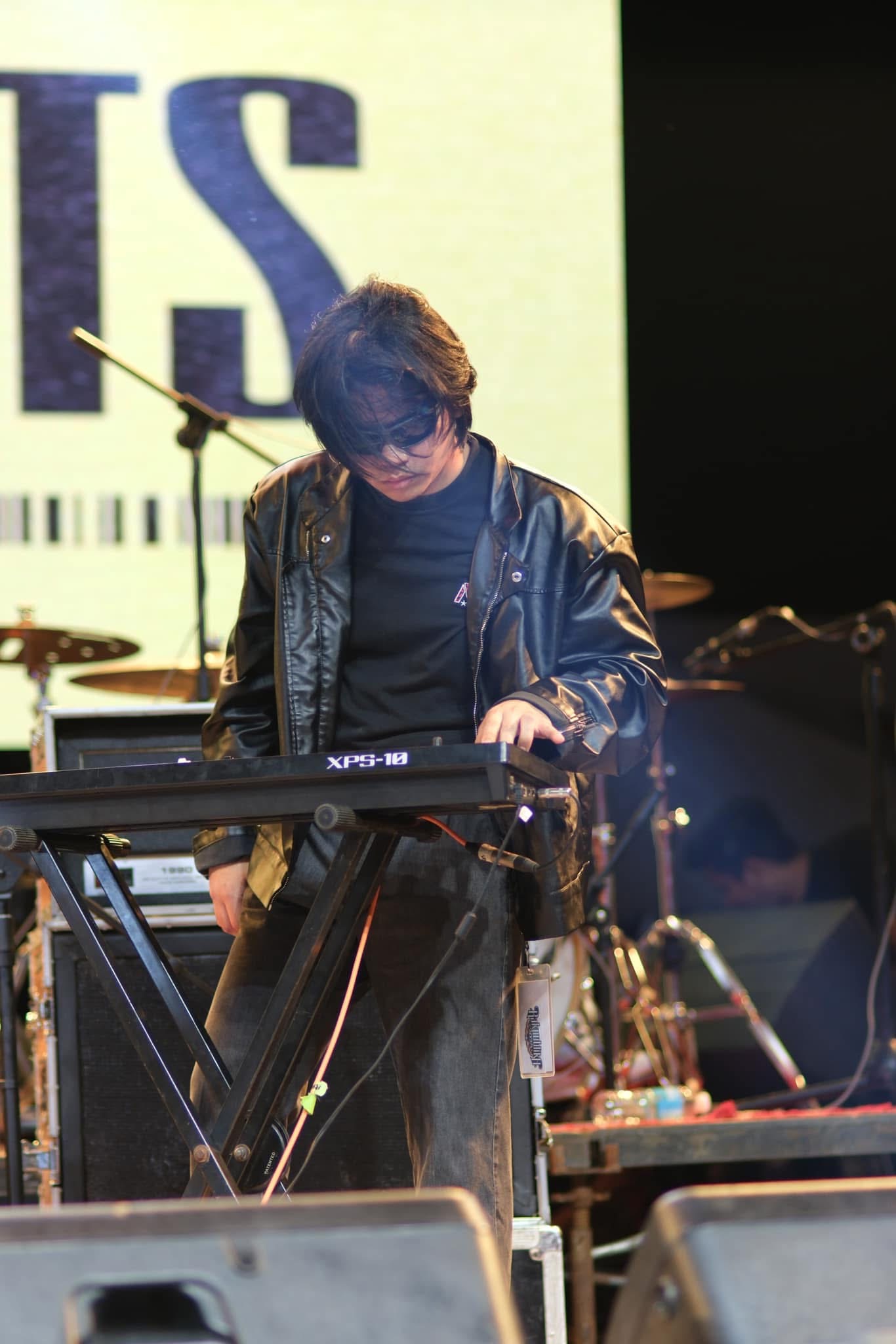
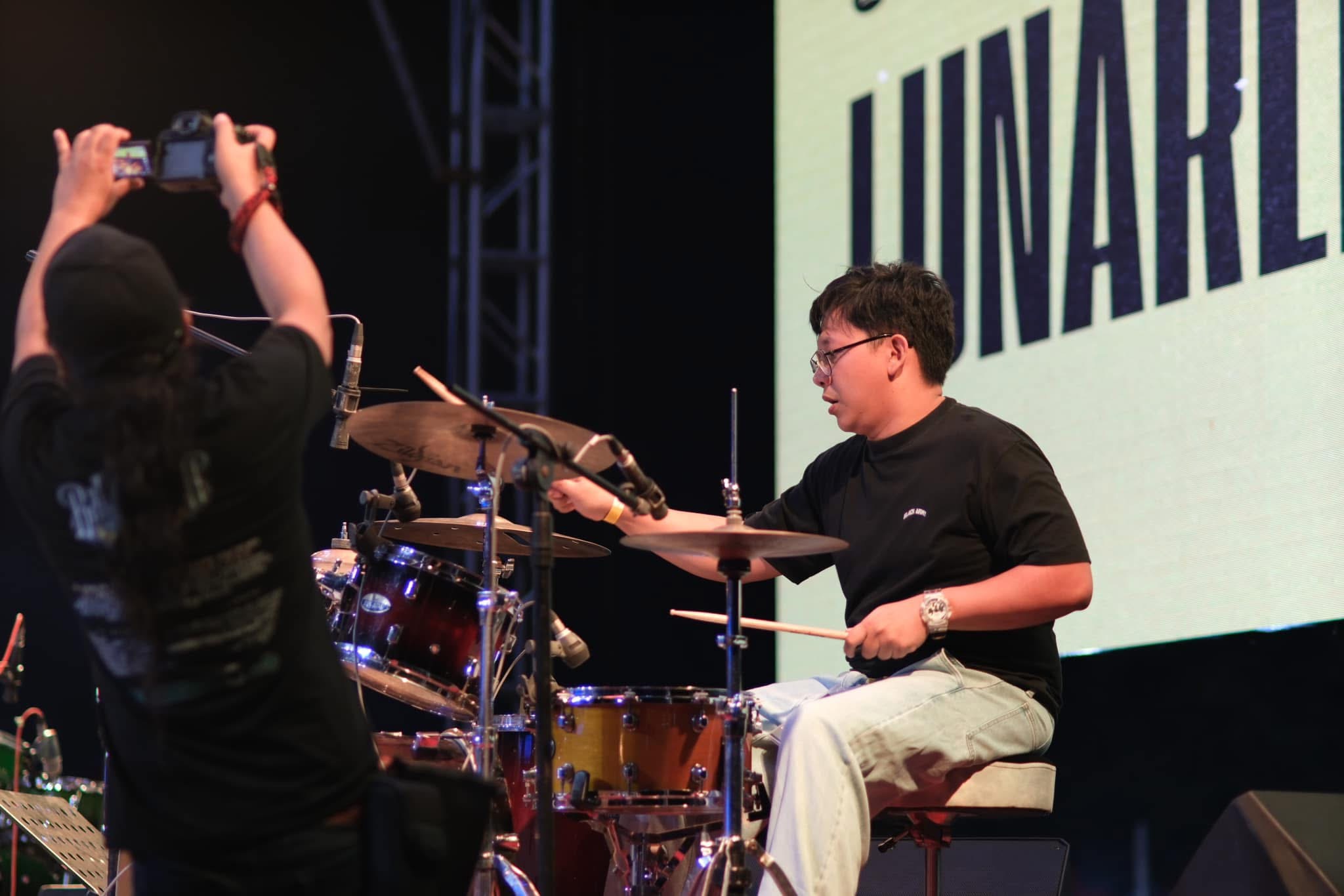
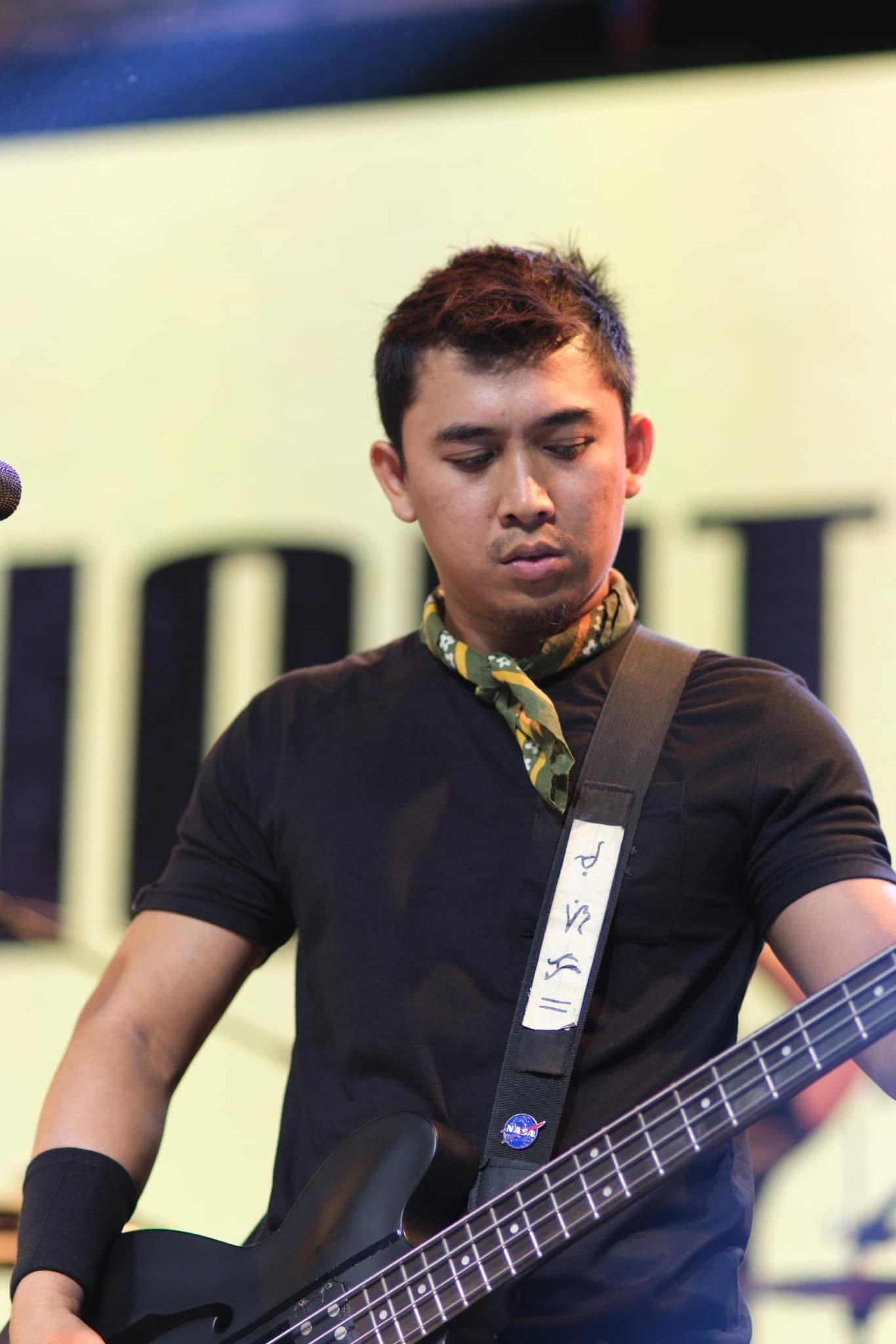
  • From JS Proms to Dream Stages: The Heartbeat Behind LunarLights

    From JS Proms to Dream Stages: The Heartbeat Behind LunarLights

    When you’re young, playing at your college prom feels like the peak of the dream. You set up, strum a few chords, the crowd yells, and for one brief, glorious moment—you’re somebody. But for LunarLights, that moment didn’t end when the lights dimmed and the decorations came down. It was just the start of a decade-long ride under the neon skies of the Philippine indie music scene.

    The year was 2012. Three college musicians—Eron, Mav, and Rocky—came from completely different genres. Ska. Metal. Alternative. On paper, they shouldn’t have worked. But the first time they jammed, something clicked. “Parang may chemistry, ang dali namin magtugma kahit magkakaibang genre namin,” Eron recalls. It wasn’t long before they started playing outside school, and soon after, they found themselves onstage at the Singkaban Festival, catching the attention of Sir Trix Parco—a pivotal moment that catapulted them into a world beyond university gigs and barkada jams.

    That world would eventually know them as LunarLights, a name born from a stargazing session and a shared love for Angels & Airwaves, UFOs, and anything vaguely cosmic. The band’s original name, The Sky Parade, had to be shelved when they realized it was already taken. “Di ko na maalala paano naging LunarLights yung dating Lunar Flight,” Eron laughs. It’s that kind of organic chaos—accidental, spontaneous, weirdly perfect—that defines the band.
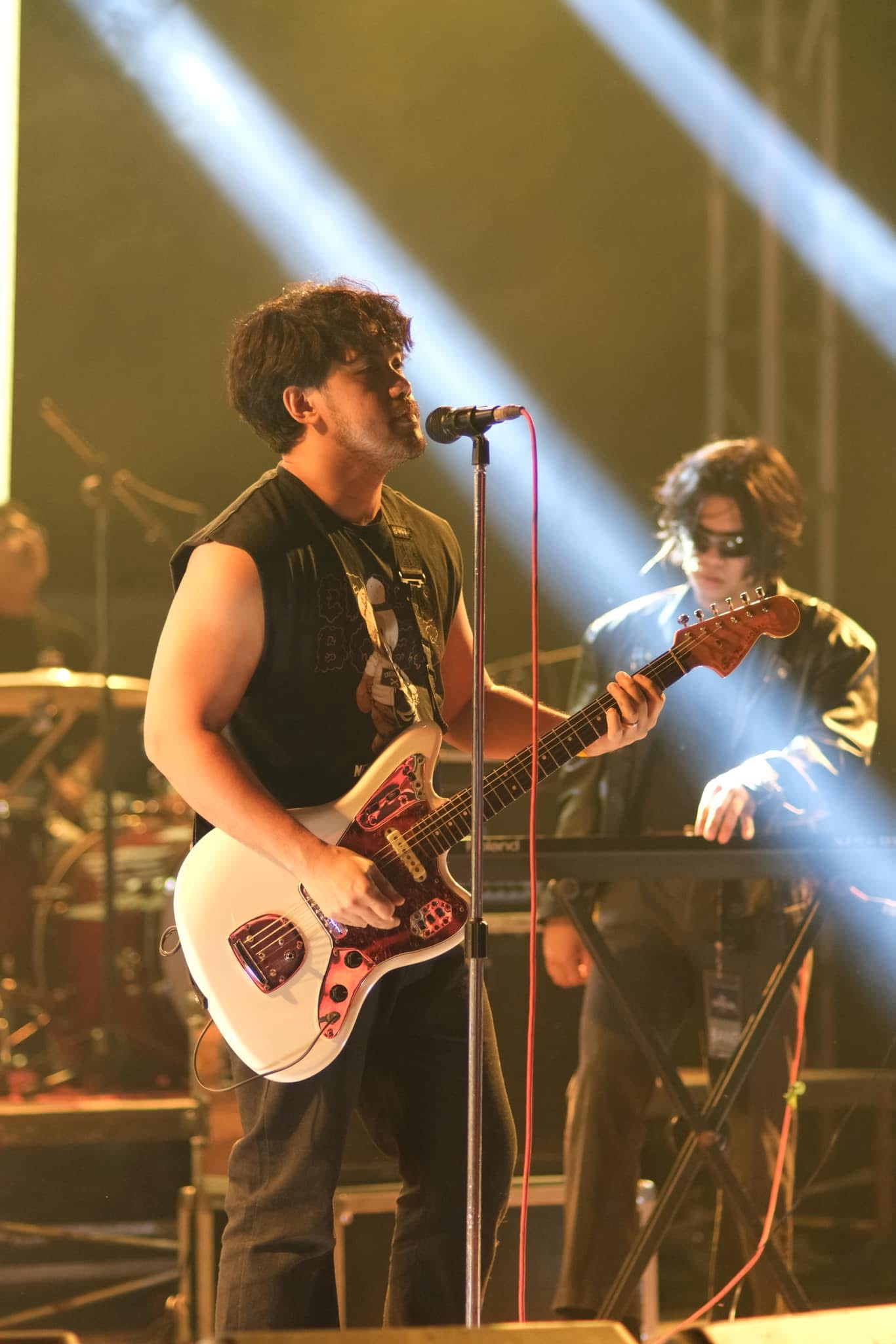
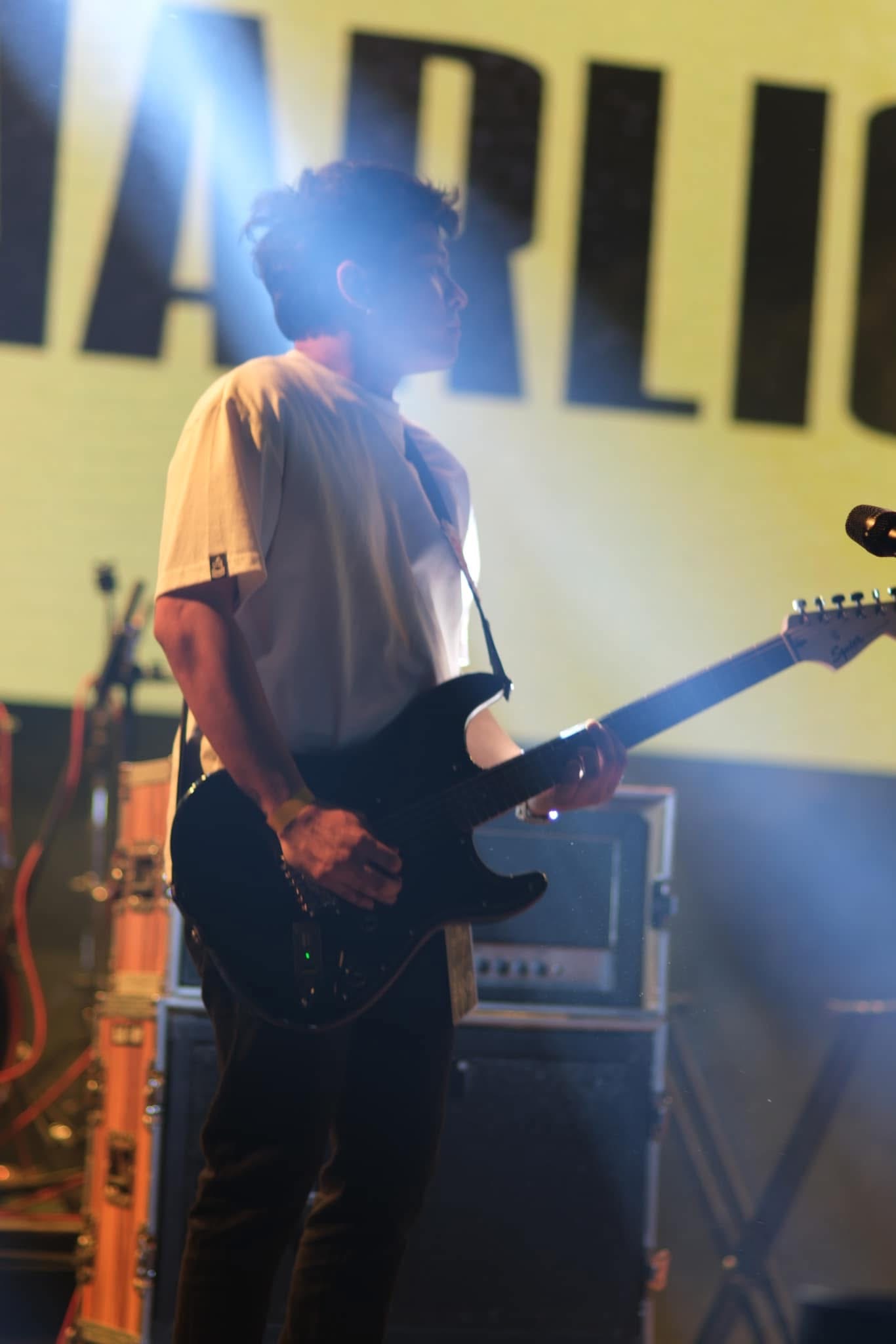
    Medyo Pop-Punk? Medyo Iconic.

    Ask anyone in the scene what genre LunarLights plays and you’ll probably get a shrug followed by a smile. Even the band doesn’t pin themselves down. “May nagtweet dati na tama raw yung term na ‘medyo pop-punk’ para i-describe yung tugtugan namin,” Joms shares. It’s a hybrid sound—half catchy hooks, half teenage angst, all heart—that resists easy labeling. And they like it that way.

    From space rock beginnings (thanks again to their Angels & Airwaves obsession), their sound evolved along with the lineup. Members came and went, and each change left its own sonic footprint. “Mas naging solid, mas naging tight,” Eron says of their current direction. Think Blink-182 with just a dash of Rico Blanco, then run it through the lens of Filipino storytelling, and you’re close—but still not quite there.


    Writing Songs, Building Worlds

    Their writing process is as collaborative as their sound. Joms usually comes in with the skeleton of a song. Then the rest of the band tears it apart and puts it back together again. “Lapag-lapag kami ng ideas hanggang mabuo yung kanta,” says Eron. There’s no formula, no drama—just a lot of music and even more laughter.

    Their producer sometimes steps in with ideas during studio sessions, but the final product is always unmistakably LunarLights. It’s a balance between freedom and structure, creativity and compromise. “May say ang lahat kung may iimprove pa yung kanta,” Joms adds. And no, walang tampuhan. Not even close.

    If you’ve never heard a LunarLights song before, the band suggests a few key tracks. Eron says “Restart” is the one, especially for listeners dealing with life’s many curveballs. “Perfect siya sa mga nag sstruggle ngayon,” he adds. Peter votes for “TYT,” praising its catchy nature and emotional relatability. And Joms? “Kay Dalas.” For him, it defines the band’s signature medyo pop-punk sound, layered and fun, especially when performed live.


    Band Dynamics, On and Off Stage

    Backstage, LunarLights isn’t a band—it’s a barkada. Everyone has a role. Eron calls Migs the silent killer, while Peter proudly claims the title of pabibo—“Pinaka maingay at komedyante sa banda!” It’s clear they’re not just bandmates but people who actually like being around each other. And that’s not always a given in this business.

    How do they keep the spark alive after more than a decade? “Napipilitan na lang kami sa isa’t isa. Char!” Eron jokes. But the real answer comes from Peter: “Respeto at supportahan lang namin sa isa’t isa.” They value input, accept suggestions, and understand that creativity thrives in community, not competition.


    Indie, But Never Invisible

    In a country where musical talent often gets lost in the algorithm, being an indie band means living with uncertainty—and still choosing to create anyway. “Mas madali ngayon sa songwriting kasi malaya ka,” Eron says. But Peter adds nuance: “Mahirap siya in terms na di mo alam kung pano ipaparating sa ibang tao yung mga kanta mo.” It’s a double-edged sword. Yes, they’re free to write whatever they want—but reaching people? That’s a whole different game.

    Still, the milestones matter. Being featured in Spotify’s RADAR, releasing their first album, playing on big stages with crowds in the thousands—each one a badge of honor. “Dun pa lang yata nasabi ko na yung ‘we made it’,” Peter shares.

    For Joms, the dream is even bigger: “Kapag nagkaroon kami ng kahit isang hit song…yung kanta na maririnig mo kahit saan, tapos madadala kami kahit saan.” He imagines telling his future kid: “Anak, dahil sa kanta na ‘yan nabili natin ‘tong bahay!”—a fantasy, sure, but also a future that feels just one song away.


    From Janella Salvador to Alien Collabs

    As for dream collaborations? The answers are as delightfully unpredictable as the band itself. Eron drops Janella Salvador with a straight face. Peter, ever the wildcard, suggests a collab with Skusta Clee or Flow G, injecting rap into their signature sound. And honestly? That might just work. LunarLights has always been about the unexpected.

    At the heart of it all is a simple message: “Life is beautiful. Music is life. Enjoy niyo lang!” Eron says. Peter echoes this sentiment: “Enjoy lang gawin yung mga bagay na magpapasaya sayo.” And Joms? “Enjoy every moment.” No pretensions. No grand philosophies. Just joy—and maybe a guitar solo or two.


    Who They Are Today, and Who They Want to Be

    So, who is LunarLights in 2025?

    The answer is refreshingly consistent: “LunarLights pa rin siguro,” says Eron.

    Peter agrees, adding that the band saved him at a time when he was ready to give up on music. And Joms, ever the dreamer, puts it this way: “A band trying the best—hopefully tomorrow we become one of the best.”

    It’s that blend of humility and ambition that sets them apart. They’re not chasing clout or gimmicks. They’re just six guys who started in a college gymnasium and ended up under actual stage lights. Not bad for a band that once considered calling themselves The Sky Parade.
  • ELEYN: From Studio Tambays to Stage Takeovers

    ELEYN: From Studio Tambays to Stage Takeovers

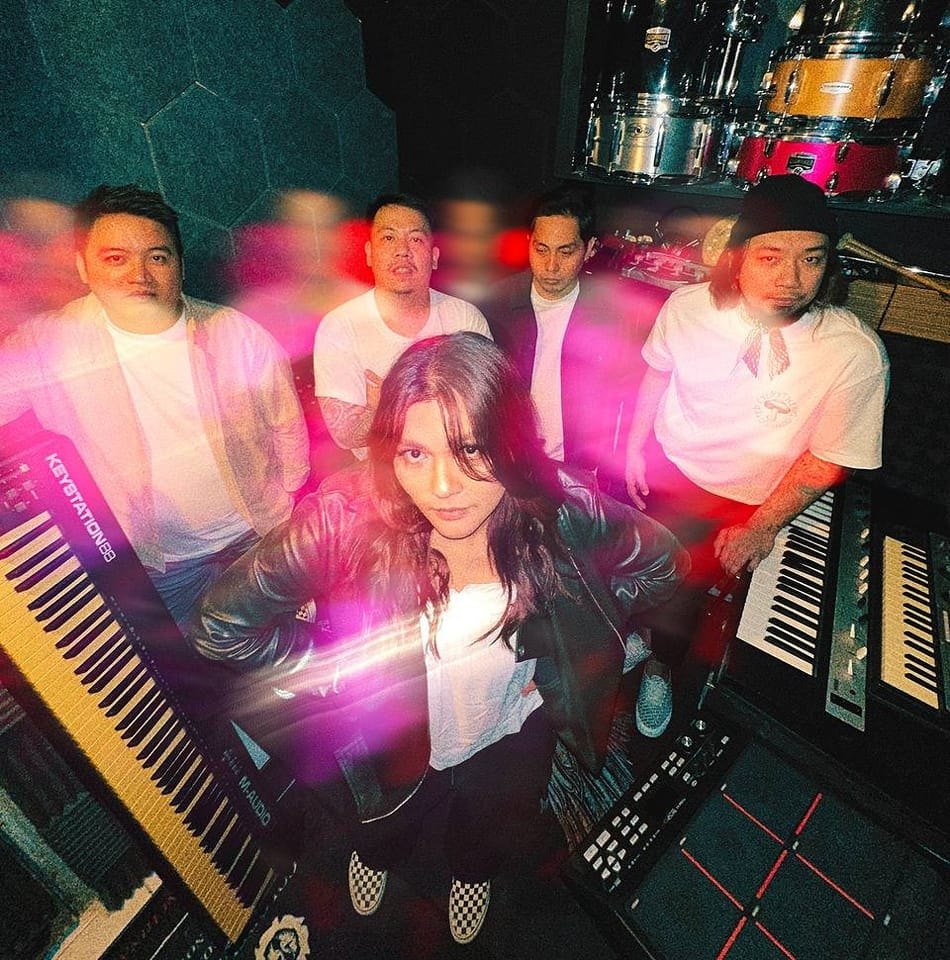
    “Hoy grabe, baka isulat ni Issa ‘yan!” Elaine blurts out in the middle of laughter, her voice half-laughing, half-hysterical. The rest of the band howls, trying (and failing) to keep a straight face over Zoom.

    You know you’re not just talking to a band—you’re catching up with a barkada na walang filter, walang arte, and definitely walang takas sa asaran. ELEYN isn’t just a music project. It’s a shared wavelength, the kind you build over years of late-night tambays, impromptu sessions, and inside jokes too twisted to explain. And as they tell it, the band began—like most barkadas do—“tambay lang muna.”

    From Elaine to Eleyn

    Back when they were still figuring themselves out musically, the band didn’t even have a name.
    “Mga bagets pa kami noon,” Elaine recalls. “Nagkaayaan lang magkita, may gig na kami the next day tapos wala pa kaming pangalan.”

    They eventually landed on Elaine, but changed the spelling to ELEYN so it wouldn’t sound like a solo act. “E-L-E-Y-N na lang para hindi ako mukhang solo artist,” she laughs.

    It stuck. And thank god it did.

    Gig or Gimmick? Pareho.

    Before any official releases, they juggled originals and covers. “Nagpaparamor lang kami kapag may request yung event,” says Paolo, the band’s guitarist-slash-tropa na laging may pakwela. They performed tracks from Paramore, Versa Emerge, and other scene staples while crafting their own sound behind the scenes.

    But even before that—there was just a studio. And some heartbreak. “Tambay lang kami sa studio, tapos si Elaine may ex pa noon—iyak siya,” Paolo teases.

    “Hoy, grabe!” Elaine blurts, half-laughing and half-begging.

    Too late. (Sorry, Elaine.)

    Behind the kulitan is a deeper chemistry. These are people who know each other’s history, mood swings, and flavor ng paboritong kape. And that’s the reason the creative process flows easily. “Alam na namin gusto namin sound. Mabilis lang makabuo ng kanta kasi naka-visualize na,” says Angelo (aka Tito Wiwi), guitarist and resident brain when it comes to production.

    The Line-Up Saga

    ELEYN officially started in 2010, but the lineup we see today came together around 2021–2022. “Mahaba ‘yung story, ang daming naging bandmates. Iba-iba lineup dati,” the band explains.

    Shad, the band’s drummer, started doing double pedals because of ELEYN. Paolo, meanwhile, was focused on dancing before he took his guitar seriously—something they all joke about during the call. “Next year, baka wala na rin kami,” one of them jokes, and everyone just laughs again.

    But the bond? Rock solid. And it shows.

    Their favorite memories aren’t the practice or the gigs—it’s the tambay.
    “Walang practice, walang plano. Yung tsismisan lang, outing, lutong imbento, tapos sabay kakain. Yun talaga yung masaya,” one of them say, in a rare moment of sentimental clarity before someone inevitably breaks the moment with a joke. (And yes, they did.)

    WKL: Wag Kang Lalayo

    Fast forward to 2025, and ELEYN’s newest single “WKL (Sa Katotohanan)” just dropped on May 30, distributed by Warner Music Philippines. It’s a follow-up to their previous emotional ride “WKL (Sa Panaginip),” and it continues to explore the unspoken, the distance, the longing.

    “Gusto lang namin na wag lang sila lumayo,” says Paolo. That’s the heart of WKL. It’s not just a love song—it’s a plea. A feeling. A little hope tucked inside synths and distortion.

    The track was produced under Whosoever Recording, with Elaine and Tito Wiwi at the helm, and the rest of the band shaping it into what it is now.
    “Mabilis lang nasulat ’yan, kasi gets na namin agad kung saan pupunta yung tunog,” Elaine shares.

    With Warner Music Philippines distributing, ELEYN keeps their creative control while reaching wider audiences—without losing that signature ELEYN touch.

    Genre? Nope, It’s Just ELEYN

    Trying to box them into one genre is a fool’s errand. Rock? Yes. Pop? Kinda. Electronica? Sometimes. Emo? On some days. But none of those fully cover what they do.

    It’s ELEYN. Period.

    Their discography tells the story:

    • Self-titled EP (2014) – A five-track introduction that announced their arrival, featuring “Our Lips Are Sealed”
    • Claws & Blood (2017) – A sharper, darker collection with the standout “EKIS” and its music video
    • “Teresa” and “Playright” (2022) – More layered, more textured, emotionally wider
    • Unplugged + Live Sessions – Where their artistry and chemistry become front and center
    • “Yakap” and “WKL (sa panaginip)” – Released just a year ago, still streaming strong
    • “WKL (sa katotohanan)” – The latest chapter in their ongoing narrative

    Every release sounds like growth—sonically and emotionally.

    WKL Tour 2025

    ELEYN’s not just staying inside studios anymore. They’re out there, face-to-face with fans in their “WKL (Sa Katotohanan)” Tour. And they’re bringing the noise to every corner of Luzon:

    • May 31 – Canto Bogchi Joint, Baguio
    • June 1 – Moon Bar & Resto, Urdaneta, Pangasinan
    • June 7 – Tahanan, Novaliches QC
    • June 14 – Beryo, Sta. Rosa Laguna
    • June 20 – Unknown13Pub, Katipunan QC
    • July 12 – Alpha Bar, Bayombong, Nueva Vizcaya

    The tour isn’t just a setlist—it’s a full experience.

    Dreaming Loud

    When asked about dream collaborations, the band answers almost in chorus:
    “Regine Velasquez.”

    Yes, you read that right.
    And no, they’re not kidding.
    “Kahit ballad, kahit ano, si Regine talaga,” Elaine says, eyes wide with the kind of fan-level admiration you’d expect from people who, deep down, are still that group of bagets jamming without a band name.

    Would Regine say yes? Who knows? But one thing’s for sure: kung sakali, it’s going to be unforgettable.

    The Heart of Eleyn

    What makes ELEYN special isn’t just the music. It’s the way they make you feel like you’re part of the room. Like you’re in the studio with them, slouched on a couch, drinking soda out of a plastic cup, watching them argue about which song should close the set.

    They don’t take themselves too seriously, but they take the music seriously.
    They fight, they laugh, they jam, and they stick around.

    Because sometimes, being in a band isn’t just about the gigs or the streaming numbers.
    Sometimes, it’s about showing up—again and again—until it becomes something more than friendship.

    It becomes ELEYN.


    Follow ELEYN
    📍 Facebook: facebook.com/eleynmusicph
    📍 Instagram: @eleynmusic
    📍 TikTok: @eleynmusic
    📍 YouTube: Eleyn Music
    📩 Email: eleynmusicph@gmail.com

    Catch them on the WKL (Sa Katotohanan) Tour and stream the latest single now on all platforms.
    Wag kang lalayo.

  • Breē: Dreamy Soundscapes, Midnight Drives, and Songs That Feel Like Shelter

    Breē: Dreamy Soundscapes, Midnight Drives, and Songs That Feel Like Shelter


    In a local indie scene that’s as restless as it is noisy, Breē offers something else entirely—an ambient, slow-burning sanctuary of sound. Their music doesn’t scream for attention. It waits. Patiently. Like a friend in the passenger seat of a quiet drive home. And when you finally listen—really listen—it’s like finding a letter you forgot you wrote to yourself.

    But make no mistake: Breē isn’t a sonic accident. It’s a band born from deliberate craftsmanship, unlikely influences, and a shared longing for stillness amid chaos.

    A Halfway House in Middle-earth

    The name Breē isn’t random—it’s Tolkien-inspired. “In Middle-earth, Bree is a halfway house to rest, find peace, find shelter,” shares Arian, one of the founding members. “We aim for our songs to be just like that.”

    Arian (guitars, vocals) and Paul (drums, vocals) were the first sparks of what would become Breē. They met back in 2013 at work, where their shared love for music led to the creation of the band’s first tracks: “Endless,” “Haze,” and “Dream.”

    Vincent, a friend of Arian’s cousin, came in next. He was a guitarist at the time but transitioned to bass after the original bassist had to bow out due to an injury. Later, when Breē was on the verge of signing with Offshore Music, they brought in Potch—studio colleague turned third guitarist—to complete the puzzle.

    Each member brought a distinct color to the Breē palette: Paul swayed to The Paper Kites and Turnover. Arian leaned into Turnover and Dashboard Confessional. Vincent was an OPM kid through and through, with a dash of Metallica, while Potch listed Hillsong as an influence.

    Put them all together and you get Breē’s signature blend: dreamy, ambient, and quietly intense.

    Signed, Sealed, Still Kind of Starstruck

    The band is now under Offshore Music and distributed by Sony Music Philippines—a feat that’s both an honor and a challenge.

    “It’s nerve-wracking because you know they’ll listen to every second,” they admit. “But it’s also food for the soul, because these are the same people who’ll say, ‘That sounds great.’ Sometimes.”

    It’s the kind of pressure that pushes a band to polish their sound while staying true to themselves—and that tension, you can hear it in their debut album.

    “A Dream of Sunrise”: A Lucid Reverie

    If Breē’s debut album, A Dream of Sunrise, feels like falling asleep to your favorite memory on loop, that was the goal.

    The band wanted to build something cohesive—like Turnover’s Peripheral Vision—an album where each track bleeds into the next, capturing their collective voice at a moment in time.

    “We just really wanted the album to encapsulate who we were and what we wanted to sound like,” they say.

    And while the ambient textures and cinematic layering weren’t part of the original plan, they emerged naturally. Vincent toned down his heavier roots to support Arian’s shimmering guitar work. Potch added flourishes that deepened the atmosphere, turning good songs into immersive experiences.

    Some tracks hit closer to home than others. “Sweet” is Arian’s love letter to his wife, written during a health scare. “Home” is Paul’s promise to his twins: that no matter how far they roam, they’ll always find their way back. “Paul wrote most of our songs,” they add. “But those two are special.”

    From Quezon City to Jambi, Indonesia

    While Breē’s music may not dominate the mainstream charts, it’s quietly making its way around the world.

    “We have 33 listeners in Jambi City, Indonesia? That’s surprising and definitely moving,” they laugh.

    They’re under no illusion about their niche appeal. “We just let the songs out and let them find their own audience,” they explain. “Just like how we found the music we love.”

    Here in the Philippines, listeners often tell them their songs are great for long drives. “Someone said they use it as lullaby music,” they recall. “We’re not sure if that’s a good thing or a bad thing. Hopefully, they’re not the same ones saying it’s good for driving—baka makatulog sila sa daan.”

    Still, for the band, those quiet moments of connection—whether it’s someone de-stressing in traffic or finding comfort at 3 a.m.—mean everything.

    Lights, Layers, Live

    If you’ve seen Breē live, you’ve probably noticed their immersive visuals—soft lights, abstract projections, everything moving in sync with their slow tempo.

    “Paul realized that the usual bar lighting doesn’t work for our music,” they share. “So we hired Spacedog to handle visuals so it’s not just one static spotlight on our faces.”

    Yes, part of the motivation was also to “hide Vincent’s beer belly,” but ultimately, the goal was to match their sound with a mood—visuals that extend the emotional reach of their set.

    Pre-show rituals? Nothing too rockstar. Just Coke Zero and a good meal. “If we get to the venue early enough,” they add.

    Dream venues? “All the local fests, of course,” they say. “But also SXSW in Texas, Coachella, Fuji Rock in Japan, Glastonbury in the UK. We can all dream, right?”

    Songwriting as Therapy (and a Bit of Reddit)

    When it comes to creating songs, Paul often brings in the skeleton—a near-complete track with chords and structure. Then Arian steps in, checking if the emotional tone matches the progression.

    “If the lyrics are a bit hopeful but the chords are dragging down, there’s a mismatch,” they explain.

    Potch, the most musically trained among them, throws in alternate directions. And Vincent? “Since he’s on bass now, he just waits for the final chords while browsing Reddit.”

    Creative blocks? They don’t force it. “We just leave it alone for months,” they say. Their upcoming single is one such case—a slow bloom that needed space to grow.

    Social media, while a necessary part of the game, is something they manage themselves. “It’s easy to stay authentic as long as you’re respectful.”

    The Next Chapter

    With A Dream of Sunrise marking their first major step, what comes next?

    “We have an upcoming EP later this year,” they reveal. “We’re not sure about touring just yet—our day jobs are keeping us pretty busy.”

    Collab dreams? Kyla, for one. “We think her voice would blend well with our ambient tones.” Also on the wishlist: Austin of Turnover. “And since she owns her masters now… Taylor Swift, maybe?”

    Lyrically, they want to go deeper—not just inward, but outward. “More of our feelings toward the people around us,” they say. “Especially the ones supporting us dearly.”

    To the Quiet Fans on Loop

    When asked if they had anything to say to the quiet listeners—the ones who don’t post or tag, but play the songs on repeat—Breē gets reflective.

    “We appreciate that you gave us the chance to be with you for around four minutes… which turned into more and more,” they say. “Hopefully we can see you live soon.”

    And if not? Breē will still be here. A halfway house. A shelter. A gentle, glowing sound waiting patiently for you to press play.


    Listen to Breē’s debut album A Dream of Sunrise on Spotify. Follow them on social media for updates on their upcoming EP and shows.

  • Freddie Aguilar: OPM Icon,Now at Rest

    Freddie Aguilar: OPM Icon,Now at Rest

    Today, the Philippines mourns the loss of one of its most iconic voices. Freddie Aguilar, known affectionately as “Ka Freddie,” passed away at the age of 72 at the Philippine Heart Center in Quezon City.  His death marks the end of an era for Original Pilipino Music (OPM), but his legacy will continue to resonate through the songs that defined generations.

    A Musical Journey Rooted in Passion

    Born Ferdinand Pascual Aguilar on February 5, 1953, in Santo Tomas, Isabela, Freddie’s musical journey began early. By age 14, he was composing songs, and by 17, he had taught himself to play the guitar. His early influences included folk legends like Cat Stevens and James Taylor. Despite enrolling in Electrical Engineering at De Guzman Institute of Technology, his passion for music led him to leave college and pursue a career as a street musician, eventually performing in folk clubs and bars.

    “Anak”: A Song That Touched the World

    In 1978, Freddie composed “Anak,” a heartfelt song reflecting on his personal experiences and the universal theme of parental love and regret. The song became an international sensation, translated into 51 languages and selling over 30 million copies worldwide, making it the best-selling Philippine music record of all time.  “Anak” not only showcased Freddie’s musical talent but also his ability to connect deeply with listeners across cultures.

    The Voice of the People

    Freddie’s music was not just about melody; it was a powerful tool for social commentary. His rendition of “Bayan Ko” became an anthem during the 1986 People Power Revolution, symbolizing the nation’s struggle for democracy. Beyond this, songs like “Magdalena” and “Mindanao” highlighted issues such as poverty and social injustice, solidifying his role as a voice for the marginalized.

    A Legacy Beyond Music

    Freddie’s influence extended beyond his songs. He served as the national executive vice president of the Partido Federal ng Pilipinas and was a former presidential adviser on culture.  His commitment to Filipino culture and advocacy for the arts earned him recognition, including the Asia Star Award in 2008. 

    Remembering Ka Freddie

    Freddie Aguilar’s music continues to inspire and resonate. For those looking to revisit his timeless classics, consider exploring the following:

    These selections offer a glimpse into Freddie’s musical journey, from his iconic “Anak” to other memorable tracks. 

    Freddie Aguilar’s passing is a profound loss, but his music and message will continue to inspire future generations. As we remember Ka Freddie, let us celebrate the life of a man who used his voice to echo the hopes, struggles, and dreams of a nation.

  • FIGVRA: Songs Made of Scars, Stories, and Shared Chaos

    FIGVRA: Songs Made of Scars, Stories, and Shared Chaos

    Some bands are born in garages. Others form in the haze of drunken parties or from the disbanding of earlier dreams. FIGVRA began at home—literally.

    The name “FIGVRA” (pronounced as “figura”) came out of a casual discussion at home between Josh and his partner Zab. They were kicking around ideas with their original bandmates, searching for something with meaning, something that stuck. “FIGVRA” is a stylized version of figura, a word that means to represent or symbolize. And that’s exactly what they do: represent stories, feelings, and sometimes even the messy chapters people try not to talk about.

    Josh, the founding member, had just exited an old band and found himself aching to create again. He missed the buzz of live gigs, the thrill of building progressions, the collective energy of being with a band. So, like many 21st-century musicians, he took to Facebook. A quick post in the North Studio group and the wheels started turning.

    The first two people he tapped? Longtime friends and high school barkada: Cath and Weng. Both could sing, both could play guitar, and both had something to say. What followed was a chaotic yet beautiful unfolding—an indie band where everyone had their own taste, their own story, and somehow, it all made sense.


    The Origin of “Figures”

    Ask them about their first song, and they’ll point to “Figures.” Not released. Not even played in gigs anymore. But ask any member, and they’ll remember it vividly.

    “It started from chikahan lang sa house nila Josh,” Cath recalls. Zab had written the lyrics, passed them over, and something clicked in Cath’s head—a melody, a vibe, a tone. From there, everything started falling into place. The band shaped the song together, each with their own interpretation of how it should feel. Josh laughs, remembering how many versions they ran through. “Ang dami na naming playstyle na nagawa dun,” he says.

    Even though “Figures” hasn’t officially seen the light of day, it was the foundation. It was FIGVRA learning how to make music as a unit.


    Drama. Always Drama.

    What fuels their music is what weighs them down in real life. Every song is born from something they went through: heartbreaks, anxiety, growing up, slipping into adulthood, and trying to hold it all together.

    “100% personal,” Josh says. “Para samin, imbes na damdamin lang namin nang damdamin, isusulat na lang at tutugtugin.” Zab pours her emotions into writing. Cath does the same. Even Wendell and Josh, self-aware and laughing about how “madadrama kami lahat,” take those same scars and turn them into sound.

    But they’re not trying to sell sadness. There’s no grand design to make you cry or scream into the void. They just want you to feel something—whatever that may be.

    “We don’t have a target mood or message,” Cath says. “Ang gusto lang namin, maramdaman ng tao yung naramdaman namin.”

    And that’s the beauty of FIGVRA’s process. It’s raw emotion, distilled into melody.


    Songwriting is a Three-Way Street

    The songwriting process often starts with a spark from Zab or Cath. A lyric. A concept. An emotion too loud to ignore. Then comes the back-and-forth. Zab explains the mood. Cath crafts the tone. Josh fills it in with rhythm, progression, the glue that binds it. Then, they pass it on to Ed and Weng, who throw in their own flavor.

    Every band member has different influences. Different sounds. Different musical roots. But that’s not a problem—it’s part of the identity.

    “Lahat kami may kanya-kanyang input,” Josh says. “Pero we always base it sa emotion ng kanta. Kung pasok, yun ang ginagamit namin.”

    Cath is especially careful. Protective, even. “She’s fragile with her songs,” Josh explains. Not in a delicate way—but in the way someone gets when a story is too close to the skin. “Dapat ramdam mo talaga yung story at emotion.”


    Live Shows, Fails, and Favorite Tracks

    Live gigs are where the band breathes. They prefer big crowds now—not because of ego, but because there’s room to move, to play, to feel each other out. “Mas nakaka-build ng confidence and chemistry bilang banda,” they say.

    Still, the early shows had their fair share of chaos. Unknown13? A disaster. “Walang nagkakarinigan,” Josh recalls, laughing and cringing at the memory. “Nawalan ng timing si Ed sa Pantropiko, si Mama Yuuri pa yung nag-aalalay!”

    But from every embarrassing moment came growth. From each set, a tighter band.

    Fans, on the other hand, have gravitated toward “23”—their debut single. Josh says it best: “Kahit di na kami 23, may impact pa rin siya.”

    “Easy,” however, holds the most weight live. It’s their latest single, and for Cath, it’s the hardest to perform. She wrote it back in 2019, during one of those moments when life gets too heavy. “It always has been,” she says. Adulthood just made it heavier.


    The Bigger Picture

    For FIGVRA, the local indie scene is overflowing with talent. It’s just not always acknowledged.

    “Sobrang ganda ng indie bands sa Pilipinas,” Josh says. “Ramdam mo yung impact, yung emotions. Hindi ko lang alam kung anong problema ng Pilipinas na hindi nila ma-credit or ma-acknowledge yung mga ganitong scene.”

    But they’re not bitter—just passionate. There’s pride in being part of something underground, something you have to discover to appreciate. “As a listener, ang dami mong madidiscover na artist na ang gagaling,” Josh adds. “And as a band, ang dami mong mapupulot.”

    Cath’s current favorite? NOA (Night Over Alaska). As for Wendell—he’s a die-hard December Avenue fan. “#1 fan siya ni Zel,” Josh jokes. Josh himself wants a collab with Fiona or Kamikazee. The dream isn’t far-fetched.


    What Comes Next?

    They’re currently wrapping up their third single. That’s all they’re saying for now. “The rest, secret muna!” Josh teases.

    But whatever comes next, one thing’s certain: FIGVRA will keep writing, keep feeling, and keep sharing. Not because they have to—but because they need to.

    You can follow them here:
    Facebook
    Spotify

    And you should. Because FIGVRA isn’t just a band. It’s a mirror—reflecting back all the emotions you’ve buried, all the stories you didn’t know you needed to hear.

  • Meet LEM and the Part-Time Lovers: Manila’s Newest Indie Soul-Rock Collective Built on Chemistry and Chance

    Meet LEM and the Part-Time Lovers: Manila’s Newest Indie Soul-Rock Collective Built on Chemistry and Chance

    If you’ve ever stumbled into a live gig in Manila’s indie scene—maybe a dimly lit bar in Saguijo, or a tucked-away stage in QC—you might’ve already heard that voice. Soulful. Storytelling. Unshakably sincere. That’s LEM David, the singer-songwriter who quietly built a following with acoustic sets that hit harder than they should.

    But these days, Lem no longer stands solo under the spotlight. With a powerhouse ensemble of seasoned session players who’ve found unexpected chemistry and shared purpose, LEM and the Part-Time Lovers is fast becoming one of the metro’s most compelling live acts. Blending soul, indie rock, and that distinct Filipino emotional depth, the band doesn’t just play songs—they create experiences.

    And their story? It reads like a film script: full of chance meetings, mutual admiration, and a whole lot of heart.

    LEM and the Part-Time Lovers

    From Solo Sets to Soulful Sessions: How the Band Formed

    Long before “Part-Time Lovers” became a band name, Lem David was a solo artist hustling through the Manila music circuit. He’d often share stages with artists like Matthew Conanan, a familiar face in the same gigging circles. There was respect, sure—but the stars hadn’t aligned just yet.

    One night at Saguijo in Makati, Lem played a solo acoustic set that quietly turned heads—especially one. In the crowd was Kettle Mata, a respected session musician and producer who’d worked with some of the biggest names in OPM. After hearing Lem play, he turned to his bandmate Matthew Conanan and said, “We should produce that.”

    That simple moment kicked things off. Matthew reached out, teamed up with Lem, and from there, the first pieces of what would become LEM and the Part-Time Lovers fell into place.

    But LEM and the Part-Time Lovers wouldn’t be complete without the rest of the dream team. Ferdie Salamat, a bassist Lem met during another live gig, boldly told him: “Balang araw, magiging magkabanda tayo.” A second chance encounter made that promise real.

    Keyboardist Christian Tamayo was another musical match made in Manila. A session player with technical chops and emotional depth, Christian had played with Lem in the past and was invited to join the project.

    The final piece was Son Jurado, who responded to Lem’s open call for a drummer. The audition barely started when it became obvious—Son wasn’t just a fit; he was the sound.


    The Name Game: Why “Part-Time Lovers”?

    So, why the name LEM and the Part-Time Lovers?

    It began as an inside joke. Lem realized he was surrounded by musicians who all had their own separate gigs and careers. They were part-time lovers of the project—artists lending their time, talent, and heart when they could.

    But things changed.

    The chemistry was undeniable. The passion was real. What started part-time quickly turned into full-time commitment. The name stuck—both a tribute to where they began and a nod to the soul music tradition they carry.


    Musical Style: Easy on the Ears, Heavy on Emotion

    When asked to define their sound, the band doesn’t name-drop genres—they talk about feel. “Simple and easy to digest,” Lem says. It’s music that welcomes you in, sits you down, and tells you a story.

    Their tracks blend soul, pop, indie rock, and a hint of blues, yet still manage to sound uniquely theirs. It’s the kind of sound that feels familiar but new—a modern take on OPM storytelling.

    Their biggest musical influences? James Taylor, John Mayer, and Bamboo—artists known for heartfelt lyrics and unforgettable melodies. Locally, they look up to legends like Rico Blanco. But here’s the twist: they actively try not to sound like them.

    Instead, LEM and the Part-Time Lovers are carving out their own sonic space—somewhere between folk sincerity, pop polish, and indie experimentation.


    Songwriting That’s Honest—Even If It’s Fictional

    One surprising detail from the band’s interview? All their songs were written before they officially became a band.

    Lem, the principal songwriter, works with melody first—letting the tune lead, and letting the words follow. Lyrics come after, shaped by mood and music.

    But here’s the kicker: “All of our songs are about women,” Lem says, “but they’re all fictional.”

    That’s right. These aren’t breakup songs about real heartbreaks. They’re imagined stories—crafted narratives of love, longing, and what-ifs. And yet, they still feel deeply relatable. Because whether the story is real or not, the emotion is.

    Every song is a reflection of a mood, a moment, or a memory that could’ve been. And that, in itself, is a kind of truth.


    What Keeps Them Going: Goals, Dreams, and Gigs

    Right now, the band is focused on tightening their live performances and building more musical chemistry on stage. It’s about the groove, the sync, the flow. In their own words, their short-term goal is simple but powerful: “To be tighter as a band.”

    But make no mistake—LEM and the Part-Time Lovers are dreamers.

    They want to release a full-length album, go on nationwide tours, and, most importantly, connect with more audiences.

    “Getting the attention of the audience, especially live, is very important to us,” Lem shares. They live for those quiet moments between songs when the crowd is hanging on to every note. That’s when they know they’re doing it right.


    What’s Next for LEM and the Part-Time Lovers

    There’s a lot to look forward to.

    Their upcoming single, titled “WAGAS,” is set to drop this year—a track that promises to capture their signature mix of tenderness and groove. With more live gigs and fresh material on the way, now’s the perfect time to hop on the bandwagon.

    Want to hear them live? Follow LEM DAVID on Spotify, and keep your eyes on upcoming gig announcements. Whether it’s an intimate bar or a festival stage, you’ll want to be there.


    To Their Fans—Old and New

    To their loyal listeners, the band has one message: “Maraming salamat. Keep the music alive.”

    To new fans? Get ready to fall in love with music all over again. Whether it’s a song about an imaginary girl or a melody that makes you feel seen, LEM and the Part-Time Lovers are here to remind you that live music still matters—and that some of the best stories start in the most unexpected places.


    Stream their music, catch a live show, and stay tuned for “WAGAS”—because LEM and the Part-Time Lovers are just getting started.

    LEM and the Part-Time Lovers
  • Freefall: The Art of Letting Go, and Letting It Rock

    Freefall: The Art of Letting Go, and Letting It Rock

    There’s something magical about a band that started “just for fun” and stuck around because it felt like breathing. Meet Freefall, a three-piece alternative pop-punk band from San Rafael, Bulacan—composed of Kevin David on vocals and guitars, Kiko Guanzon on drums, and Chic Muñoz on bass. More than a decade in, they still carry that same raw energy that brought them together in 2012—but now with a deeper sense of purpose, connection, and grit.

    From Trip Trip Lang to Lifelong Bond

    “Nagsimula kami noong 2012 dahil pare-pareho kami ng hilig sa musika,” Kevin recalls. What began as a spontaneous experiment grew into something much more meaningful. “Sa una, simpleng trip lang… pero habang lumilipas ang panahon, mas lumalim yung koneksyon namin sa isa’t isa at sa tunog na nililikha namin.”

    For Freefall, the music wasn’t just about sound. It became a space where emotions are confronted, stories are told, and identities are embraced. There was no big dramatic backstory—just three people chasing something they loved. That honesty might just be what makes their music hit differently.

    Why “Freefall”?

    “Parang matinding sandali ng pagbitaw,” says Kevin when asked about the band’s name. “Bumibitaw ka hindi para tumakas, kundi para madama ang totoo.” That moment of surrender, of letting go—whether of pain, pressure, or expectations—is the essence of their name and, in many ways, the heart of their sound.

    Soundcheck: What Does Freefall Sound Like?

    Categorizing Freefall’s music is as elusive as catching smoke. “Palaisipan din ito sa amin,” Kevin admits, half-laughing. The band floats somewhere between pop-punk and alternative, but they’ve never been too concerned with fitting into a genre box.

    What they are clear about is what moves them. Their influences span both local and international giants: Pierce the Veil, Coheed and Cambria, Anberlin, Slipknot, Kamikazee, Urbandub, and Franco, to name a few. It’s a wild mix of melody, chaos, and grit—mirroring the emotional highs and lows that make up their songs.

    From Real Pain to Real Songs

    Every Freefall track has roots in something real. “Oo, lahat ng kanta namin ay mula sa totoong pangyayari,” Kevin admits. They don’t write to impress—they write to express. From heartbreaks and breakdowns to friendships and hope, the band channels life’s most intense emotions into melodies and riffs.

    Their songwriting process usually begins with the soundscape. “Tunog muna then lyrics and melodies,” they say. It’s an organic build-up where emotion meets structure, and where everyone has a say.

    Creative disagreements? Sure. But the band swears by one rule: lahat dapat goods. “Kapag ayaw ng isa yung part na yun… irerevise namin hangga’t sa lumabas yung gusto namin,” they explain. It’s not always easy, but the respect is mutual, and the goal is shared—to create something they all believe in.

    San Rafael Pride and the Local Scene

    While the band humbly claims they “have no idea” how San Rafael has influenced their music, their roots run deep. They recently organized a local gig on May 3, playing alongside other hometown bands in what turned into a night of music, laughter, and a fair bit of drinking. “Ang tindi nila at nagenjoy talaga kami. Sana sila din haha,” they said.

    Their advice to fellow musicians? “Todo lang natin lagi!”

    There’s no gatekeeping here—just a genuine desire to see others thrive. And that attitude has made them not just a band, but a brotherhood others can rally around.

    The Night That Started It All

    Among the many gigs they’ve played, one stands out: their first-ever performance as a trio on December 21, 2012. It was Chic’s birthday. They played at their favorite bar on West Avenue, the drinks flowed freely, and their pulutan? Peking Duck—because birthday nga naman ni Chic.

    “Tatlo lang kami sa mesa pero parang punong puno ng energy at saya,” they recall. “Di na namin maalala kung maganda ba talaga yung set, pero ang sigurado, isa ‘yon sa mga gabing hinding hindi namin makakalimutan.”

    That night wasn’t just their beginning as Freefall. It was the first spark of something that would carry on for years to come.

    What Keeps Them Grounded

    Before every show, they huddle and give thanks to “Papa G” for the moment. “Usap at pasalamat… then ieenjoy lang talaga yung moment,” they say. There’s no need for grand rituals or complex mantras—just gratitude and presence.

    And while they might joke about Chic wanting to collab with Kim Domingo, they also dream of sharing a stage with their musical heroes—Franco, Urbandub, and Kamikazee. “Feeling namin di kami makakapag salita kapag nangyari yun,” they admit. “Matutulala lang kami parang tanga.”

    What’s Next?

    Freefall isn’t slowing down anytime soon. They’re heading back to Whosoever Recording Studio to work on a new single, which they plan to release in the ber months. Expect more emotion, more honesty, and more of that unmistakable Freefall sound.

    And to their supporters—especially those from San Rafael—they leave this heartfelt message:
    “Maraming maraming salamat at sana mag last ng matagal yung energy… at pwedeng pwede tayong mag hang out basta walang pasok.”

    The Truth in the Fall

    At its core, Freefall isn’t just about music. It’s about being real—letting go, telling the truth, and trusting that the fall will lead to something beautiful. They never set out to be legends. They just wanted to play, feel, and maybe help someone feel a little less alone.

    And honestly? That’s what makes them unforgettable.

  • The Origins of ŌJO: A Filipino Rock Band Born in Pampanga

    The Origins of ŌJO: A Filipino Rock Band Born in Pampanga

    “Back in 2016, Pepperbones pa pangalan namin—meme band lang talaga kami.” Robi laughs as he says it, the kind of laugh that tells you he’s told this story more than once, but it never gets old. Across from him, Aadritch leans back, already chuckling before he even adds, “Nagpa-practice lang kami noon. Cover ng Franco, Spongecola. Pero ‘di pa seryoso. Slickblack, Sputnik, French Fries Crisis—mga gano’n.”

    That’s how ŌJO started. Four guys just throwing out random names, random jams, and random dreams. What makes it different is that somewhere along the way, everything started to align. Or as Robi puts it, “Everything fell into orbit.”

    A Band Born From Chaos—and Kapampangan Words

    There’s no deep philosophy behind the name ŌJO. No epic backstory. Just a bunch of friends throwing out random Kapampangan words one day at the studio. “Parang nagme-memes lang tayo noon e,” Aadritch says, looking over at Jazz. “Tapos ŌJO sa ‘Ō Jo Kaluguran Da Ka.’”

    “My love,” Robi chimes in, half-singing it. “Aking sinta. Ano bang meron sa iyo~ HAHA.”

    Ironically soft, they admit, for a band whose sound leans heavy, bold, and aggressive. But it stuck. Even when people confuse it for “Audio,” they don’t mind. “Okay na yun. Stick na e.”

    From High School to Headbangs

    It started with a high school band called Black Roses. Francis and Robi were part of it, and when Aadritch transferred schools, he auditioned with “Let It Be.” “Ayaw na akong pakawalan nung isang Francis,” Aadritch remembers. “Sabi niya, ‘Sali ka na sa banda.’ Hobby-hobby lang hanggang sa nag-graduate. Come and go yung members. Pero eventually, pinsan ko—si Jazz—naka-schoolmate nila. He clicked. Hindi dahil pinsan ko lang siya. May connection din siya with our vocalist.”

    Robi tells the rest of the story like it’s yesterday. “Second year college, nasa klase ako. Biglang tumawag si Francis—‘Robs, punta ka dito, turuan mo drummer namin.’ Bored na ako, hinagis ko bag ko. Sabi ko sa prof, ‘Magbabanyo lang ako.’ Tapos studio na agad, and that’s where I met Jazz.”

    “First jam naming tatlo—instant chemistry,” he adds, nodding.

    Raw, Rough, Bold, and Sexy

    Describe their sound in four words?

    “Raw,” says Jazz.

    “Sexy,” Francis replies without skipping a beat.

    “Rough,” from Aadritch.

    And finally, “Bold,” Robi concludes.

    Their influences stretch far and wide: Slash, Metallica, Rage Against the Machine. Aadritch’s riffs come straight from the Metallica scale, while Jazz’s basslines channel the grit of Rage and Audioslave. Robi’s drums reflect that Red Hot Chili Peppers flavor with a backbone of metal, and Francis proudly brings in energy from Kjwan, Franco, and even Steel Panther.

    The ŌJO Method: Feels First

    There’s no single formula to how they create songs.

    “Usually may dala yung isa ng riff or lyrics,” Jazz shares. “Tapos from there, i-bi-build up namin based sa kung anong gusto mismo ng song.”

    Aadritch nods. “The feels. It’s always the feels. Hindi namin pinipilit kung ano lang yung gusto naming sound. Binabase namin sa kung ano yung gusto ng kanta mismo.”

    Sometimes it’s collaborative. Sometimes one member just shows up with a finished idea and the others let it be. Either way, it’s instinct-driven. Real.

    Into the Grave, Konsensya, and Darkness: When the Music Becomes Personal

    They all write differently, but when it hits personal, it hits hard.

    “‘Into the Grave’—yun yung pag-alis ko ng ugaling gumagamit ng tao nung college para lang sa magandang grades,” Robi shares without hesitation.

    Jazz nods solemnly. “Ako naman ‘Konsensya.’ Sinulat ko ‘yon nung nasa darkness ako. Outlet talaga.”

    Francis chimes in, “Yung ‘Mundong Ilalim’ din. Lahat naman tayo nararamdaman ‘yon e.”

    As for Aadritch? “Wala pa akong sobrang personal. More on feel-good, general themes. Influenced by current events. But who knows? Maybe someday.”

    Indie in Pampanga: Loud and Proud

    Ask them about the Pampanga indie scene, and there’s a mix of pride and realism.

    “Medyo leaning siya sa mainstream,” Robi says. “Yung type ng lyricism na uso ngayon. Mga pang-sawi.”

    But Aadritch sees the good too. “Welcoming naman. Kahit heavy kami, kahit distortion-heavy, naiinvite pa rin kami. Minsan nag-i-stand out kami, pero tinatanggap pa rin.”

    Jazz adds, “Basta okay yung energy mo, tatanggapin ka ng crowd.”

    Favorite Gigs and Humble Starts

    “Muntinlupa,” Robi says with a smile when asked about their most unforgettable gig.

    “Sullivan’s—Indie Pa’ko Ready V,” Jazz answers.

    Francis agrees, and also recalls their performance at TTKD (Tigtigan Terakan King Dalan).

    But Aadritch throws it back even further: “Favorite ko yung Sullivan’s. Pero pinaka-nakaka-proud? Yung first gig natin. First time natin ‘yon pero nakipagsabayan tayo agad.”

    Real Talk: Indie Outside Manila

    The struggles are real. Not all crowds are ready for their kind of sound.

    “Hindi lahat welcoming,” Robi admits. “Pampanga indie is literally indie. Minsan acoustic-heavy.”

    Aadritch laughs. “Imagine tumutugtog ka ng hard rock sa mga nag-a-acoustic. Pero kahit isang tao lang ang mag-headbang, solve na. Shout out kay Sir Ryan ng Songwriter’s Cabalen. Nakaka-ganang tumugtog pag nando’n siya.”

    “Feeling ko lang,” Jazz says, “Manila has more ‘scouts.’ Parang basketball. More opportunities siguro.”

    Who’s Listening?

    Their music isn’t trying to fit into a mold. It’s for the people who just… get it.

    “Para sa’kin talaga,” Aadritch says. “I just make music I want to listen to.”

    “For the fans of classic rock,” Francis adds.

    Jazz goes deeper: “Para sa mga gutom sa rock and roll. Hindi filtered.”

    They all agree: it’s for people who want good vibes and rakenrol in this modern age.

    And what do they want listeners to feel?

    “Gusto ko yung mapapa-headbang, stomp, sabay,” says Aadritch.

    Francis grins. “Yung stanky face. Kunot-noo face. ‘Yung parang, ‘grabe ‘yon ah!’”

    Advice to the Next Generation

    The band has seen gear come and go. But what sticks?

    “Don’t obsess over the newest pedals or gear,” Aadritch says. “Hanap kayo ng isa or dalawa na core sound n’yo. ‘Wag gumastos ng sobra.”

    “Confidence and energy,” Robi adds. “Kung nagkamali kayo, tuloy lang. Baka nga hindi nila alam na mali.”

    “Simple lang sakin,” Francis says. “Be confident and humble.”

    Jazz closes the advice circle: “Don’t make songs just to please people. Don’t fake it. Never play for clout.”

    What’s Next for ŌJO?

    They laugh when asked about new releases. “Dapat meron,” Robi says, smiling. “Actually, meron talaga. We’re recording an EP—finally.”

    Six years in the making, the EP features “Mestiza,” “Hey Man!,” “Jack of All Trades,” and “Rage FM.”

    “Hindi na nga ‘bagong ilalabas’ e,” Aadritch jokes. “Lumang ilalabas na. Ang tagal na.”

    So what’s the dream?

    “Stable fanbase,” says Aadritch. “Tapos makapag-tour, kahit Singapore lang. May makikinig, ‘di ba?”

    Robi nods. “Tugtog sa mga big festivals. Castaway.”

    Jazz adds, “Maka-jam yung mga idol namin like Kjwan and Franco.”

    “Ma-mix ng mga producer like Angee Rozul,” Francis continues.

    “Or Azi Acosta,” someone jokes.

    “Angeli Khang daw e!” someone else shoots back, and everyone cracks up.

    That’s ŌJO. Four guys, one chaotic origin, and a sound that never tries to be anything but theirs. Raw. Rough. Sexy. Bold.

    And most of all—real.

  • YUGEN: From Campus Contenders to Emo Pop Punk Torchbearers

    YUGEN: From Campus Contenders to Emo Pop Punk Torchbearers

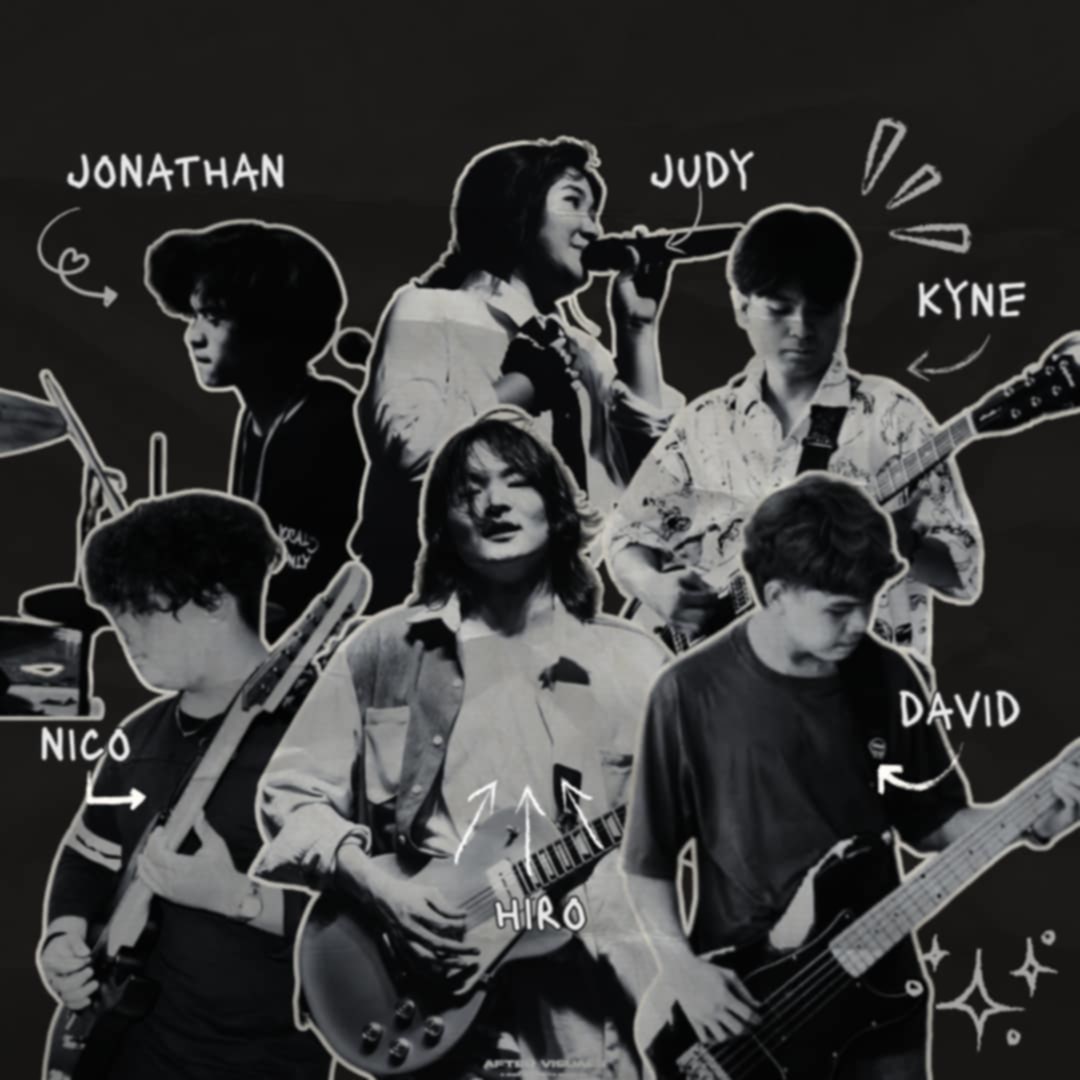
    It started with four names—Judy, Kyne, David, and Jonathan—representing their school in the Cluster Finals of a Battle of the Bands. What began as a one-time school gig quickly grew into something more. After the competition, the group realized they shared the same fiery passion for music. The spark was too strong to ignore, and so, they continued their journey outside of school walls.

    That spark soon had a name: YUGEN.

    “At first, trip lang talaga,” they shared. Each member threw in a word they felt connected to, spun a roulette, and landed on YUGEN. What was once a random pick eventually grew to represent their identity—the name that ignited their burning passion for music and performance.

    The original lineup featured Judy on vocals, Nico and Kyne on guitars, David on bass, and Jonathan on drums. But recently, they welcomed a new member: Hiro Ozaki, who adds not only his guitar skills but also takes part in music production. “Yes, six na kami!” they said with joy. Nico, described by the group as “the brain of the band,” plays a crucial role in songwriting and arranging their music.

    YUGEN’s sound has evolved over time. They started off heavily influenced by nu metal and alternative rock, with traces of rap metal in their early days. Now, they’re entering a new era, embracing an emo pop punk sound reminiscent of the 2000s to 2010s. Influences range from local legends like Slapshock, Talata, Kamikazee, and Even to international icons such as Rage Against the Machine.

    When it comes to writing music, Nico explains:
    “Usually yung mga story lang din ng friend ko nagiging inspiration ko para sumulat, pero sometimes meron din ako naisusulat na story ko yung topic.”

    Their lyrics often delve into one universal experience: heartbreak—in all its forms. One of their most heartfelt songs, Paglisan, tells a deeply personal story.

    “Itong Paglisan kase is about talaga sya sa tito ko, kase yung tita ko non ay pumanaw at nakita ko kung paano nalungkot yung tito ko kaya ko sya sinulat, pero ang intindi ng mga tao don is about sa mga na ghost so I think it’s a song para sa kanila (mga na ghost).” – Nico

    Among all their tracks, “Paglisan” holds a special place. It was the band’s debut release—the moment they all realized this wasn’t just a hobby anymore. It was the beginning of something real.

    Two performances stand out in YUGEN’s journey so far. The first was their gig at Takeover Lounge, where they opened for Lily—a band they admired for years. “It feels surreal,” they said, recalling the moment. The second was their first performance at Sta. Maria Town Fiesta, where they received overwhelming support from a massive crowd. It was a turning point, marking the start of their growing fanbase.

    Despite being from Bulacan, the band faces challenges unique to indie artists outside the metro. “Pamasahe,” they joked, but then shared the real struggle—limited venues and fewer production opportunities. Still, they remain grateful to the producers and supporters keeping the scene alive in Bulacan.

    In terms of collaboration, the group stays tight. “We always ask each other ng ‘Ano sa tingin mo?’, ‘Okay ba sa’yo ito?’” Their synergy minimizes creative clashes, proving that communication and shared vision fuel their momentum.

    So how does YUGEN want to connect with listeners, especially the youth?

    “We wanted to be there for them. Gusto namin na even if masaya sila or malungkot, they will still listen to our songs… Gusto namin silang samahan through our music.”

    And as for the local music scene?

    “It’s improving,” they say. “Sobrang diverse na ng music scene dito sa’tin and we love to see it.”

    Looking ahead, fans can expect a new sound as YUGEN embraces a fresh chapter. “Nasa process kami ngayon ng pagpapalit ng era (parang butterfly lang),” they teased. While no exact release date is set, new songs are on the horizon.

    To their supporters, YUGEN sends their love and gratitude:

    “Salamat sa pag support sa banda namin at asahan nyong patuloy kaming maglalabas ng mga musika para sa inyo!” – David
    “Maraming salamat sa mga nakikig at sumusuporta samin sana patuloy nyo kaming supportahan pangako na gagalingan pa namin at mas mag- iimprove para sa inyo! Mahal namin kayo!!” – Jonathan
    “Sobrang thankful kami sa inyo. Kayo yung dahilan kung bakit kami naggrow at kung bakit we still have this burning passion. Mahal namin kayo!” – Judy


    YUGEN is just getting started. With a name born from spontaneity and a sound forged in emotional truth, this Bulacan-based band is ready to carry the emo pop punk torch for a new generation.

  • AMERE: THE MUTUAL CONNECTION THAT BECAME A BAND

    AMERE: THE MUTUAL CONNECTION THAT BECAME A BAND

    There’s a certain kind of magic when a band forms not out of auditions or classifieds, but out of real human connections—tight-knit friendships, school ties, and mutual friends. That’s exactly how Amere was born.

    Amer, the de facto glue and founding point of the band, lays it down.
    “Ako kase yung may mutual sa lahat ng bandmates,” he says. “Si Emong I’ve known since 2010. Tropang-tropa. Si Marvin, kabanda ko sa high school. Si Dan, boyfriend ng friend ng girlfriend ko. Si RJ, ka-schoolmate ko rin. Si Ty, classmate dati nila Dan and Gabon.”

    It was Marvin who invited Amer to play drums for their old band. That band included Marvin, Dan, RJ, and their former drummer. Then came the idea:
    “Why don’t we form a band since same lang naman mga trip natin genre?” Amer pitched. He brought in Emong. The rest? That’s history. Or as Amer jokes,
    “Teka nasabi ko ba kung baket Amere? Haha.”

    It was never meant to be named after Amer, not directly. “Basta feeling ko kase ako ang pinakamutual nila na band member… kaya sabi ko lagyan nalang natin ng ‘E’ sa dulo para may variation. Saka E for Emong para cute.”

    And so, Amere was born. But there’s more. The name itself has layers—Amere as a masculine name can trace roots to Latin “amare” meaning “to love”, or Arabic “Amir”, meaning “commander.” The band? A force that commands with love, through music.

    If you ask Amere which song represents their soul, the answer’s easy: “Better Days” by Franco.
    “We always think positively in every tough situation… lalo if it’s about our band,” they say. Better days are always coming.

    But it’s not all sunshine. The indie grind in the Philippines? It’s real.
    “Yung lawak ng audience ngayon is medyo limited. Hindi naman kasi lahat easily makakaappreciate ng isang obra…” they admit. And while every generation has its tastes, they’re pushing through with honesty and grit.

    So what does it feel like when people scream your lyrics at gigs?
    “Haven’t experienced it yet in a big crowd,” they confess, but quickly add:
    “Unang mga naging tagahanga naming is ourselves, our families, and friends… we will get there. Soon.”

    VOCALS THAT BLEED TRUTH

    The frontman of Amere doesn’t just sing—he translates the soul of the band.
    “I need to express the holistic emotions of my bandmates… gestures, facial expressions, rhythm,” he shares.

    When asked if he’s ever broken down onstage, he recalls something better:
    “One time I saw my ex-situationship watched one of our gigs… instead of being nega, I just felt proud. A lil bit of revenge and ego, pero konti lang. Hahahaha!”

    THE GUITARS THAT SING IN SILENCE
    Marvin, one of Amere’s guitarists, doesn’t overcomplicate his tone.
    “Mas simple yung guitar riffs mas tingin kong tunog Amere… add nalang ng modulations and delays sa effect,” he says.

    His first electric guitar? A Wasburn Les Paul.
    “Mura ko lang naiskor. Bentang adik,” he laughs. That axe still holds weight.

    THE GLUE IN THE LOW END

    RJ, the bassist, knows his role often goes unnoticed—until it doesn’t.
    “Madalas talaga… hindi ko din napapansin yung mismong part ko eh,” he admits. But the moment the amp dies or he slips up, the silence screams.
    “Importante din pala yung ginagawa ko… halata talaga. Maririnig mo yung difference.”

    Balancing technique and feel?
    “Once na gusto mo yung tinutugtog mo… automatic na bumabalanse na yung technical playing, flow, groove, at feels.”

    DRUMS THAT DRIVE THE STORM
    Every Amere song is physical for the drummer, but one hits harder than most.
    “Yung ‘Season’ ng Franco… sobrang bangis ng bagsakan lalo na sa riff parts,” he shares. The timing’s tricky, the payoff huge.

    Pre-gig nerves? Totally normal.
    “You just have to think of what you’ve practiced… Presence of mind lang talaga.”
    Mistakes? “Ok lang kahit magkamali… tuloy lang ang tugtog. We’re here to enjoy and have fun.”

    THE QUIET STORM RETURNS

    Then there’s Ty—the quietest member, but the one with the wildest potential.
    “Madalas tahimik, minsan makulit… pero about sa wild inputs hindi ko pa mapapatunayan ito sa ngayon,” he admits. After years away from playing, he’s back in the fold and ready to roar.
    “Thanks sa Amere sa tiwala… para mashare ko yung hidden talent ko na muntik ko nang itago nalang sana.”

    What’s he brewing for Amere’s audience?
    “Abangan niyo nalang yung mga kanta… mapapa-headbang kayo sa bigat na may lambing at pait.”

    Amere might still be working their way into bigger crowds, but their chemistry, heart, and raw narratives scream louder than any mosh pit. They are a band built on friendship, shaped by shared heartbreaks, and powered by belief.

    And if you listen close, you’ll hear it—that sound that says: you’re not alone, your feelings are real, and better days are always just a few chords away.

    MEET THE BAND:

    • Amer – Drums, Founder
    • Emong – Vocals
    • Marvin – Guitar
    • Dan – Guitar
    • RJ – Bass
    • Ty – Guitar